About Itsukushima Shrine
Itsukushima Shrine is a Shinto shrine located on Miyajima (Itsukushima) in Hatsukaichi City, Hiroshima Prefecture, and was registered as a UNESCO World Cultural Heritage site in 1996. The scenery created by the shrine buildings built on the sea and the vermilion-lacquered torii gate has long been praised as one of Japan’s three most scenic views.
It is said that the shrine was founded in the first year of Emperor Suiko’s reign (593 AD), and the current shrine buildings are based on those constructed by Taira no Kiyomori in the third year of the Nin’an era (1168 AD) at the end of the Heian period. In the 16th century, a large-scale restoration was carried out by the Sengoku daimyo Mori Motonari, resulting in its current magnificent appearance.
Highlights for Visitors
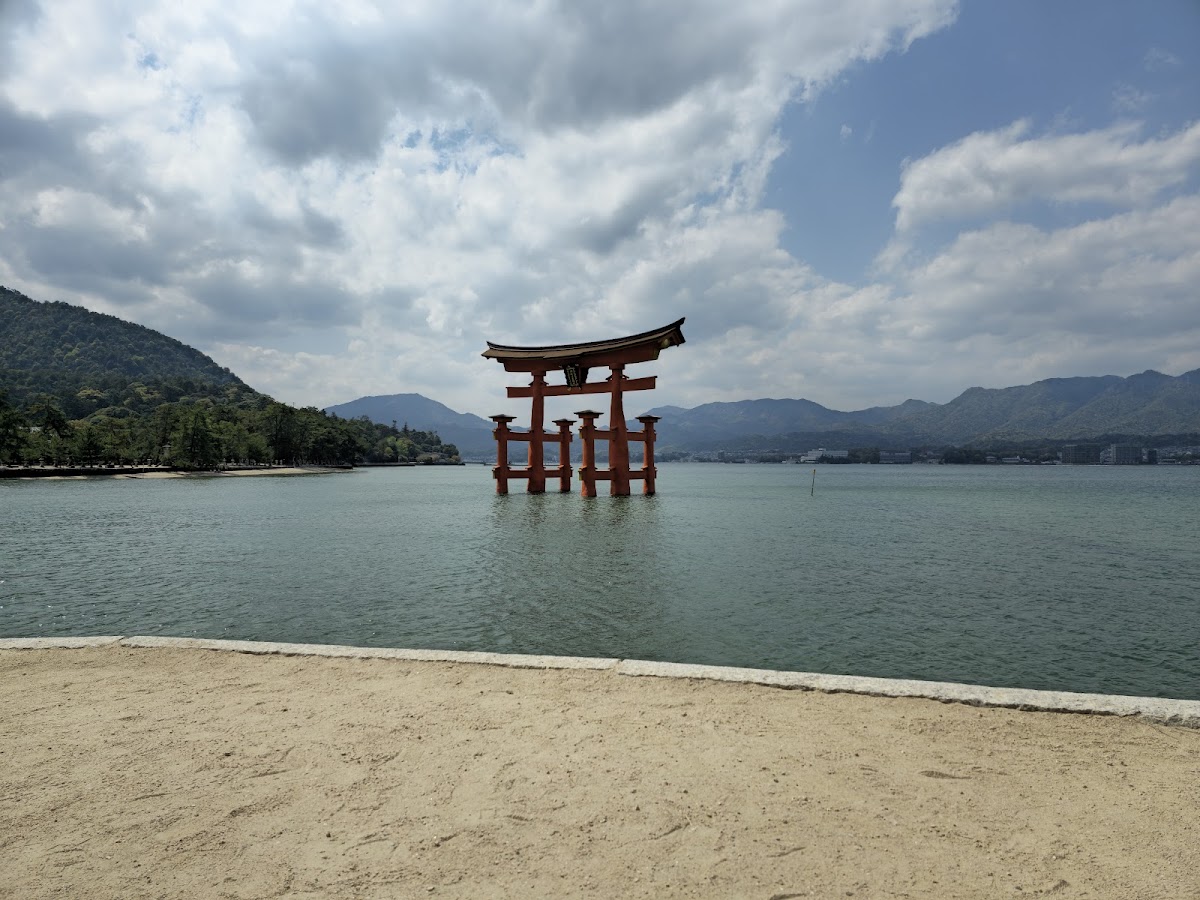
The Great Torii Gate (Sea Torii)
The vermilion-lacquered torii gate, approximately 16 meters high and weighing about 60 tons, is the greatest symbol of Itsukushima Shrine. At high tide, the torii gate appears to float on the sea surface, and at low tide, you can walk right up to its base. The current torii gate is the 8th generation, rebuilt in 1875 (Meiji 8), and is made from natural camphor wood.
Best time to view:
- High tide: A mystical sight floating on the sea (tide level 250cm or higher recommended)
- Low tide: You can walk right up to the base of the torii gate (tide level 100cm or lower)
- Sunset: The silhouette of the torii gate against the setting sun is a spectacular sight
Main Shrine and Worship Hall
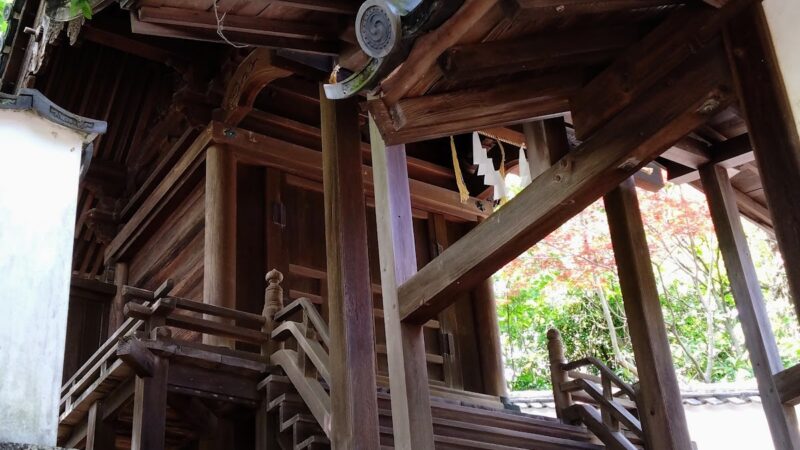
The vermilion-lacquered shrine buildings, incorporating the Shinden-zukuri architectural style, are constructed to appear to float on the sea at high tide. There are gaps between the floorboards, a design feature to release the pressure of seawater during high tides. The main shrine, designated a National Treasure, enshrines Ichikishima-hime no Mikoto as its principal deity.
High Stage and Flat Stage
The flat stage in front of the main shrine is also used as a Noh stage, and Bugaku (court dance and music) is performed there every year during the Peach Blossom Festival in April. From the high stage, connected by a vermilion-lacquered corridor, you can enjoy a spectacular view of the large torii gate.
Arched Bridge (Soribashi)
This vermilion-lacquered bridge features a beautiful, steep arch and was once known as the “Imperial Envoy Bridge,” which only the Emperor’s envoys were permitted to cross. While it is no longer accessible to the public, it remains a popular photo spot.
Benefits and Deities
Main Deity and Divine Virtues
Itsukushima Shrine enshrines the three Munakata goddesses:
- Ichikishima-hime no Mikoto: Guardian deity of traffic and maritime safety
- Tagori-hime no Mikoto: Fortune and business prosperity
- Tagitsu-hime no Mikoto: Goddess of artistic improvement and performing arts
Main Benefits
- Maritime and Traffic Safety: Revered as a guardian deity of navigation since ancient times
- Business Prosperity and Increased Wealth: Famous as a god of commerce due to the worship of Taira no Kiyomori
- Improvement in Performing Arts and Prayer for Victory: A god of victory worshipped by the Taira clan
- Matchmaking and Romantic Success: The divine virtues of Ichikishima-hime no Mikoto, who is syncretized with Benzaiten
Access Information
How to get to Miyajima
By JR:
- Get off at Miyajimaguchi Station on the JR Sanyo Main Line (approx. 25 minutes from Hiroshima Station)
- Walk 5 minutes to Miyajimaguchi Pier
- Take a ferry to Miyajima Pier (approx. 10 minutes) (JR West Miyajima Ferry or Miyajima Matsudai Kisen)
By Hiroshima Electric Railway:
- Get off at Hiroden Miyajimaguchi Station on the Hiroshima Electric Railway Miyajima Line (approx. 60 minutes from Hiroshima Station)
- Walk 1 minute to Miyajimaguchi Pier
By Car:
- Approximately 10 minutes from Hatsukaichi IC on the Sanyo Expressway to Miyajimaguchi
- Use paid parking lots around Miyajimaguchi (approx. 1,000 yen per day)
From Miyajima Pier to the Shrine
It’s about a 15-minute walk from Miyajima Pier to Itsukushima Shrine. Walk through the Omotesando shopping street and proceed along the coastal path. Because there are many wild deer inhabiting the area, care must be taken with food management.
Visiting Information
- Visiting Hours: 6:30 AM – 6:00 PM (may vary depending on the season)
- Admission Fee: Adults 300 yen, High school students 200 yen, Elementary and junior high school students 100 yen
- Estimated Time Required: Approximately 30 minutes for visiting the shrine grounds only, 2-3 hours for visiting Miyajima as a whole
- Annual Events: Peach Blossom Festival (April), Gagaku Festival (17th day of the 6th month of the lunar calendar), Chrysanthemum Festival (October)
Tips for Visiting:
- Check the tide table in advance to enjoy the scenery at both high and low tide.
- Visiting early in the morning means fewer tourists and a more tranquil atmosphere.
- Combining a visit with a hike up Mt. Misen via the Miyajima Ropeway is also recommended.