Hayatani Shrine Complete Guide | Everything You Need to Know About the 1800-Year-Old Guardian Shrine of Aki Province and Prayers for Traffic Safety
Located in Kamihira, Hatsukaichi City, Hiroshima Prefecture, Hayatani Shrine is an ancient shrine boasting a history of over 1800 years, serving as the guardian shrine of Aki Province. Known nationwide as the guardian deity of traffic safety, it attracts many worshippers from both within and outside Hiroshima Prefecture, with the saying, “If you buy a car, go to Hayatani Shrine.” This article provides a detailed explanation of Hayatani Shrine from every angle, including its history, enshrined deities, highlights of the grounds, festivals, cultural assets, and useful local information for visitors.
Overview of Hayatani Shrine
Hayatani Shrine has held the highest rank in Aki Province since ancient times. It is a Shikinaisha (shrine listed in the Engishiki Jinmyocho) and is ranked as a Myojin Taisha (a major shrine). Its former rank was Kokuhei Chusha (a national shrine of the second rank), and it currently maintains its status as a Beppyo Jinja (a special shrine) of the Association of Shinto Shrines, holding the position of Aki Province’s second-ranked shrine.
In ancient times, it was considered a shrine of higher status than Itsukushima Shrine, and it has a history of being ranked as a “Kanpei Taisha,” the highest rank among the eight provinces of the Sanyo Road. As the guardian shrine of Aki Province, enshrining the ancestral deity of the founding of Aki Province, it has attracted the faith of people for over 1,800 years.
Currently, it is known nationwide as a shrine for praying for traffic safety, and worshippers come from as far away as Kyushu to seek blessings when purchasing new cars. It is said that even Hiroshima Electric Railway and bus drivers wear amulets from Hayatani Shrine, demonstrating the deep-rooted faith it has in the region.
Deities and Divine Virtues
Main Deity: Akihayatamao-no-Mikoto
The main deity of Hayatani Shrine is Akihayatamao-no-Mikoto. This deity is the fifth-generation descendant of Ame-no-Yutsuhiko-no-Mikoto and is known as the person who was granted the title of “Aki no Kuni no Miyatsuko” during the reign of the thirteenth Emperor Seimu. Akihayatamao-no-Mikoto is revered as the “founding deity of Aki Province,” having extensively developed the land and laid the foundation for the lives and industries of the people of Aki Province.
After Akihayatamao-no-Mikoto’s death, the people of Aki Province, revering his benevolence, enshrined him as a deity. This marked the founding of Hayatani Shrine, which has since been deeply revered as the guardian shrine of Aki Province for 1,800 years.
Divine Virtues
The divine virtues of Hayatani Shrine are diverse:
- Traffic Safety: As the guardian deity of the ancient Sanyo Road, it is widely worshipped today as the guardian deity of automobile traffic.
- Industrial Development: As the deity who built the industrial base of Aki Province, it is believed to bring blessings for business prosperity.
- Longevity and Good Fortune: It is believed to bring the divine virtue of longevity and happiness.
- Good Fortune and Protection from Evil: It offers blessings for protection from evil and good fortune at important turning points in life.
History of Hayatani Shrine
Founding and Ancient Times
The exact date of the founding of Hayatani Shrine is unknown, but it is believed to have been established not long after the reign of Emperor Seimu (around 131-190 AD), when Akihayatamao-no-Mikoto served as the governor of Aki Province. The tradition of its founding being over 1800 years ago supports this estimate.
In ancient Aki Province, the Sanyo Road, connecting Kyushu and the Kinai region, was an extremely important route. Hayatani Shrine was located at a key point on this Sanyo Road and functioned as a shrine protecting the safety of travelers. The Engishiki Jinmyocho, compiled in 927, lists it as “Hayatani Shrine, Saeki District, Aki Province, Myojin Taisha,” indicating its status as a Myojin Taisha (a major shrine) receiving special reverence from the imperial court.
Medieval to Early Modern Period
From the medieval to early modern period, Hayatani Shrine received strong protection from successive feudal lords. During the Sengoku period, it attracted the reverence of the Mori clan, and during the Edo period, the Asano clan, lords of the Hiroshima domain, who carried out construction and repairs of the shrine buildings.
In Aki Province, Hayatani Shrine, along with Itsukushima Shrine and Taka Shrine, was considered a Myojin Taisha, boasting the highest rank among shrines on the Seto Inland Sea side of the Chugoku region. Its position as the general guardian shrine of Aki Province was particularly firm, and it was the center of faith for the people throughout the province.
Modern Era
During the Meiji era’s shrine ranking system, it was ranked as a National Shrine of the second rank. After World War II, it became a special shrine of the Association of Shinto Shrines, and to this day, it remains one of Hiroshima Prefecture’s leading shrines, welcoming many worshippers.
Since the Showa era, with the development of the automobile society, the belief in it as a guardian deity of traffic safety has spread nationwide. The phrase “If you buy a car, go to Hayatani-san” has become established, and worshippers from both within and outside the prefecture now visit the shrine to seek blessings upon purchasing a new car.
Highlights of the Shrine Grounds
The grounds of Hayatani Shrine are enveloped in a solemn atmosphere that evokes a sense of history. Numerous points of interest are scattered throughout, from the approach to the main hall.
Torii Gate and Approach
The torii gate, which marks the entrance to the shrine grounds, is a sacred place that signifies the boundary to the divine realm. Passing through the torii gate, a tree-lined approach leads to the main hall. The approach is meticulously maintained, allowing visitors to prepare themselves for worship in a tranquil atmosphere.
Car Blessing Area
A distinctive feature of Hayatani Shrine is the Car Blessing Area. Known as a shrine for traffic safety prayers, Hayatani Shrine has a dedicated space for receiving blessings for automobiles. Many people visit not only when purchasing a new car, but also for regular prayers for traffic safety, and there are always many cars lined up.
Worship Hall and Main Shrine
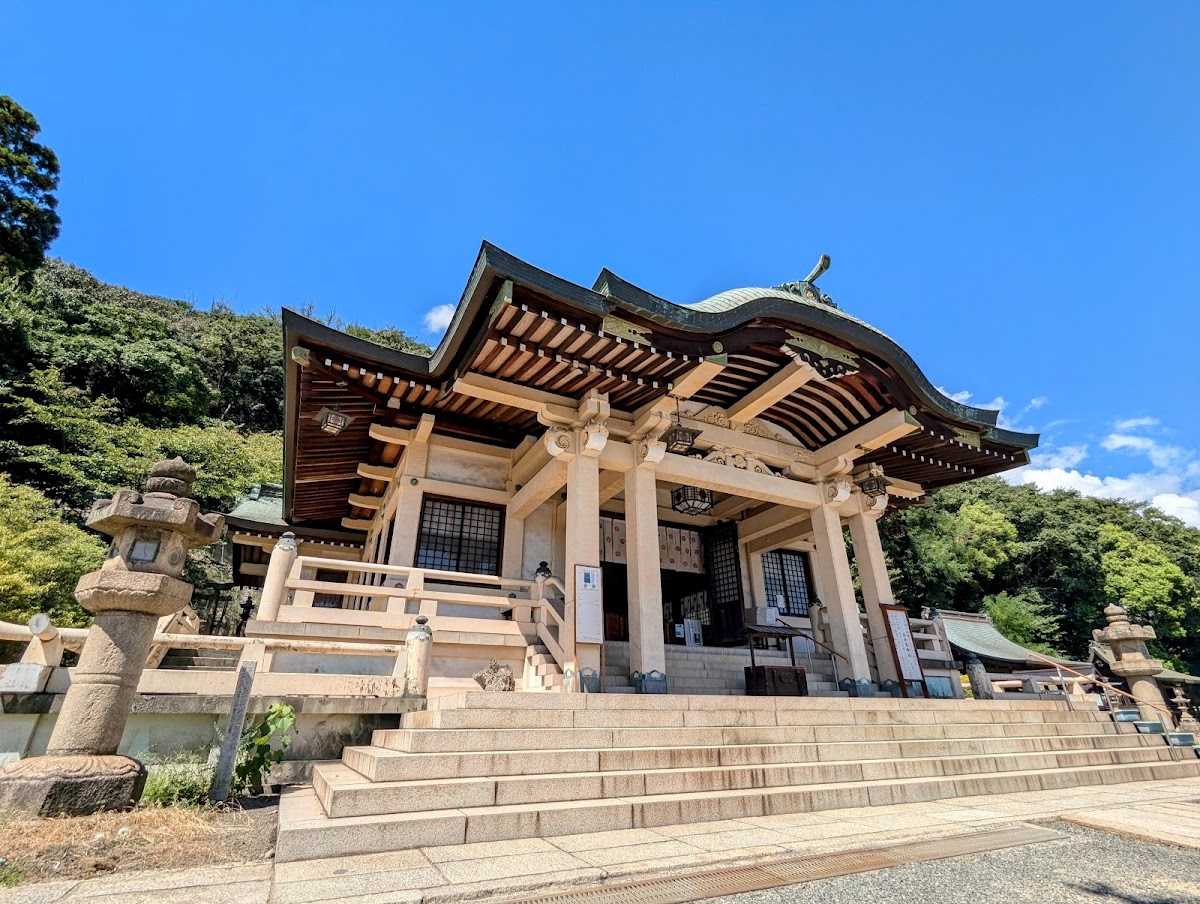
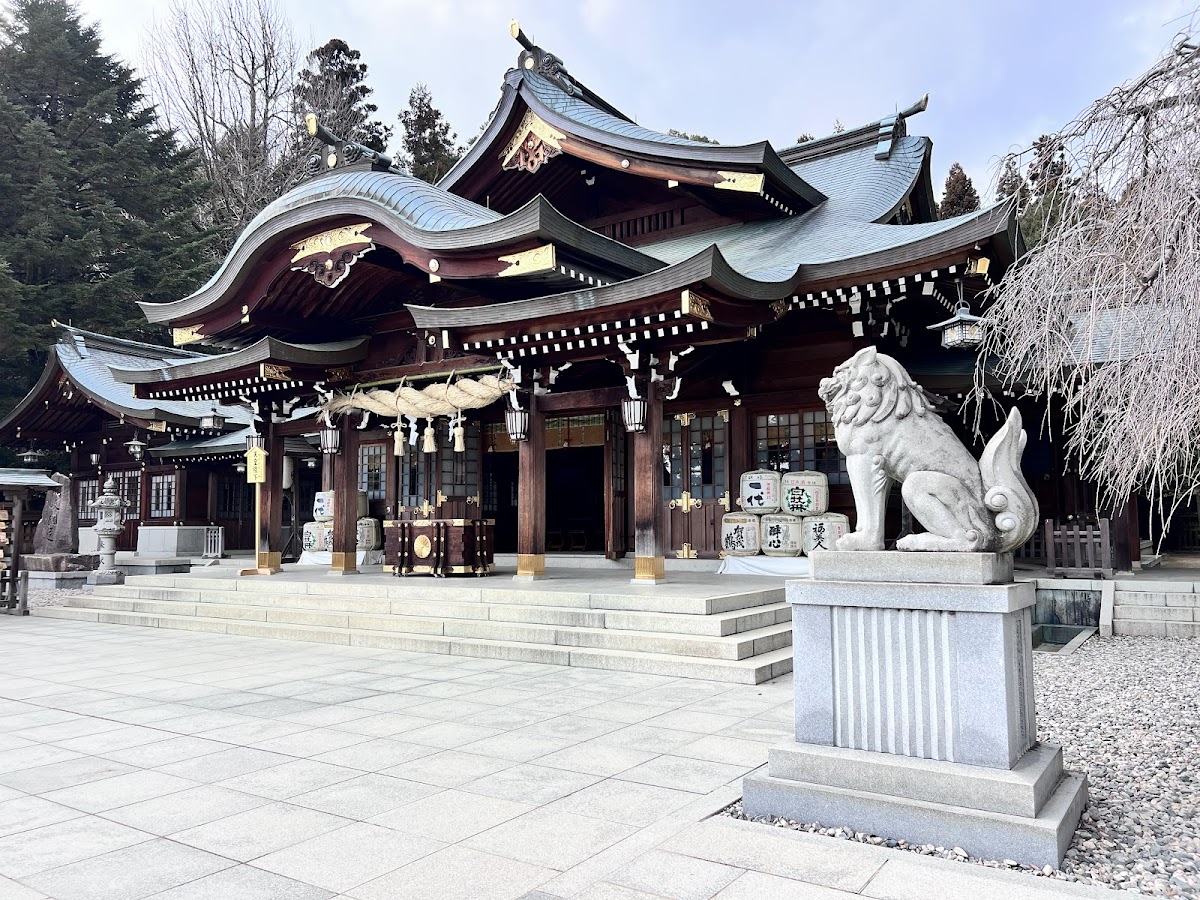
The worship hall is where worshippers offer their prayers, while the main shrine is the most sacred place where the enshrined deity resides. The current shrine buildings maintain their magnificent appearance through successive constructions and restorations. Many worshippers offer prayers in front of the worship hall, wishing for traffic safety, family safety, and other blessings.
Shrine Office and Amulet Shop
The shrine office provides Goshuin (shrine stamps) and accepts applications for various prayers. The amulet shop offers a variety of amulets and talismans, including traffic safety amulets. In particular, there is a wide variety of traffic safety amulets, catering to various needs such as those for cars, motorcycles, and bicycles.
Subsidiary Shrines
Within the grounds of Hayatani Shrine, there are several subsidiary shrines and smaller shrines attached to the main shrine. Each of these subsidiary shrines possesses its own unique divine virtues and attracts the faith of worshippers.
Major subsidiary shrines include an Inari shrine, which grants blessings for abundant harvests and business prosperity, and a Tenjin shrine, which enshrines the god of learning. It is believed that visiting these subsidiary shrines after visiting the main shrine will grant more multifaceted blessings.
Annual Festivals
Hayatani Shrine holds various festivals throughout the year. These festivals demonstrate the connection between the shrine and the local community and are important events that reflect the changing seasons.
Major Festivals
Annual Festival (September 22nd)
The most important festival at Hayatani Shrine is the Annual Festival. Held annually on September 22nd, this festival is the shrine’s largest celebration, expressing gratitude and reverence for the enshrined deities. A solemn ceremony is held by Shinto priests, attracting many worshippers.
Aki Matsuri (Aki Festival)
The Aki Matsuri is a festival symbolizing Hayatani Shrine as the guardian shrine of Aki Province. This festival is a traditional event praying for the prosperity of Aki Province and the happiness of its people, and is an important event that represents the cultural identity of the region.
Setsubun Festival (February 3rd)
Held the day before the beginning of spring, the Setsubun Festival is a festival to ward off evil spirits and invite good fortune. A bean-throwing ceremony is held, and it is bustling with many worshippers. People gather to pray for good health and safety for the year.
Hatsumode (January 1st-3rd)
During the Hatsumode period of the New Year, many worshippers visit from within and outside the prefecture. The shrine grounds are bustling with people praying for traffic safety, family safety, business prosperity, and more for the year.
Other Festivals
Various festivals are held throughout the year, including monthly festivals, New Year’s festivals, spring festivals, and autumn festivals. These festivals provide opportunities to deepen the bond between the shrine and its parishioners and worshippers.
Cultural Assets
Hayatani Shrine houses valuable cultural assets accumulated over its long history.
Ancient Documents
The shrine preserves numerous ancient documents from the medieval to early modern periods, which are valuable resources for understanding the history of Aki Province and the changes the shrine has undergone. Donation documents and official seals from feudal lords are evidence that Hayatani Shrine was revered by successive powerful figures.
Votive Offerings
Over many years, various offerings have been made by numerous worshippers. These offerings are valuable resources that illustrate the forms of faith in different eras.
Shrine Architecture
The current shrine architecture itself is a cultural asset of historical value. It maintains traditional shrine architectural styles while undergoing appropriate maintenance.
About Prayers for Traffic Safety
The main reason Hayatani Shrine is known nationwide is the miraculous efficacy of its prayers for traffic safety.
“When you buy a car, go to Hayatani-san”
This phrase is widely known in Hiroshima Prefecture, and it has become customary to have a blessing performed at Hayatani Shrine when purchasing a new car. This custom has spread outside the prefecture, with people even coming from as far away as Kyushu to have their new cars blessed.
How to have your car blessed
No reservation is required for car blessings, and they are accepted from 8:00 AM to 5:00 PM. After parking your car at the blessing area and completing the registration at the shrine office, a Shinto priest will perform the blessing. After the prayer, you will be given a traffic safety amulet or talisman, which you can display in your car.
Why is it considered a god of traffic safety?
The reason Hayatani Shrine is worshipped as a guardian deity of traffic safety lies in its history as a god protecting the ancient Sanyo Road. Located on the Sanyo Road, a vital thoroughfare connecting Kyushu and the Kinai region, this shrine has protected travelers’ safety for centuries, and its faith has been passed down to modern times, continuing as a place of prayer for safe automobile traffic.
The fact that drivers of Hiroshima Electric Railway and bus companies carry amulets from Hayatani Shrine demonstrates its trusted status as a guardian deity of traffic safety, even among professional drivers.
Goshuin (Shrine Seal) and Gifts
Goshuin (Shrine Seal)
The goshuin of Hayatani Shrine bears the inscription “Chief Guardian Shrine of Aki Province,” indicating the shrine’s high status. Goshuin are available at the shrine office and are popular as a memento of one’s visit. Goshuin notebooks are also available, with Hayatani Shrine’s original designs being particularly popular.
Amulets and Talismans
Hayatani Shrine offers a variety of amulets and talismans:
- Traffic Safety Amulet: Available in many types, including those for cars, motorcycles, and bicycles.
- Safe Driving Amulet: An amulet for the driver to carry with them.
- Family Safety Amulet: An amulet to protect the safety of the family.
- Exorcism Amulet: An amulet for those in their unlucky year.
- Academic Success Amulet: An amulet for students taking exams or other students.
- Business Prosperity Amulet: An amulet for business owners.
In particular, there is a wide variety of traffic safety amulets available, allowing you to choose one that suits your needs.
Local Information & Access
Location
308-1 Kamihira, Hatsukaichi City, Hiroshima Prefecture 738-0026
Contact Information
TEL: 0829-38-0822
FAX: 0829-38-0341
Prayer Reception Hours
8:00 AM – 5:00 PM (No reservation required)
Access by Car
- Approximately 3 minutes from Sanyo Expressway Hatsukaichi IC
- Proceed towards Gokurakuji-yama at the Kamihira intersection
- Parking available (free)
The location is very convenient, being close to the expressway interchange. It’s approximately 30 minutes by car from Hiroshima city center and about 1 hour from Hiroshima Airport.
Access by Public Transportation
- Approximately 20 minutes on foot from JR Sanyo Main Line Miyauchi-Kushido Station
- Approximately 15 minutes on foot from Hiroshima Electric Railway Miyajima Line JA Hiroshima Hospital Station
- Accessible by local bus (Hatsukaichi City Loop Bus)
Parking
Free parking is available on the shrine grounds, with space for approximately 200 regular cars. Temporary parking is also available during peak seasons such as New Year’s visits and annual festivals.
Nearby Tourist Attractions
The following tourist attractions are located near Hayatani Shrine:
- Miyajima/Itsukushima Shrine: Approximately 20 minutes by car, a famous World Heritage site
- Gokurakuji Mountain: Popular hiking course
- Hatsukaichi City Center: Abundant commercial facilities and restaurants
- Hiroshima City: Approximately 30 minutes by car, including the Atomic Bomb Dome and Peace Memorial Park
You can enjoy sightseeing in Hiroshima in conjunction with your visit to Hayatani Shrine.
Manners and Etiquette for Visiting a Shrine
This section outlines basic manners and etiquette for visiting Hayatani Shrine.
How to Pass Through the Torii Gate
The torii gate is the entrance to the sacred area. Bow before passing through the gate. Since the center of the path is considered the path of the gods, it is considered best to walk along the sides.
Proper Ritual for Washing Hands
- Take the ladle with your right hand and wash your left hand.
- Switch the ladle to your left hand and wash your right hand.
- Switch the ladle back to your right hand, receive water in your left hand, and rinse your mouth.
- Wash your left hand again.
- Hold the ladle upright, wash the handle, and return it to its original position.
Proper Ritual for Worshiping at the Main Hall
- Stand in front of the offering box and bow slightly.
- Gently place your offering in the box.
- If there is a bell, ring it.
- Perform two bows, two claps, and one bow (bowing deeply twice, clapping twice, bowing deeply once).
- Silently recite your wish.
Points to Note When Receiving a Car Blessing
- It is advisable to wash your car beforehand.
- Keep the inside of your car tidy.
- Fill out your address, name, and car license plate number at the reception.
- Prepare the prayer fee (confirm the amount at the shrine office).
The Charm of Hayatani Shrine
The charm of Hayatani Shrine lies in the beautiful harmony between its more than 1800-year history and modern faith.
Historical Value
As the principal guardian shrine of Aki Province, its history of boasting the highest rank in Aki Province since ancient times is inextricably linked to the history of Hiroshima Prefecture itself. As a Myojin Taisha (a major shrine listed in the Engishiki), it received reverence from the imperial court, and this status continues to attract many people today.
Modern Faith
A notable feature of Hayatani Shrine is the natural continuation of its ancient faith as a guardian deity of the Sanyo Road into modern prayers for safe driving. As symbolized by the phrase, “When you buy a car, go to Hayatani-san,” the faith remains deeply rooted in the lives of the local community.
Seasonal Scenery
The grounds of Hayatani Shrine offer beautiful scenery throughout the four seasons. You can enjoy different expressions each season: cherry blossoms in spring, fresh greenery in summer, autumn leaves in fall, and a serene snowscape in winter.
Excellent Accessibility
Its prime location, just 3 minutes from the Hatsukaichi Interchange on the Sanyo Expressway, is a major attraction for visitors from afar. Its convenient location, easily combined with sightseeing in Hiroshima City and Miyajima, is another reason for its large number of visitors.
Summary
Hayatani Shrine is a representative shrine of Hiroshima Prefecture, serving as the guardian shrine of Aki Province with a history of over 1800 years. The ancient faith in the shrine as a protector of the Sanyo Road has been passed down to modern-day prayers for traffic safety, and it is affectionately known as “Hayatani-san when you buy a car.”
Its status as a Myojin Taisha (a major shrine) listed in the Engishiki Jinmyocho (a list of shrines compiled in the Heian period), its history as a shrine dedicated to Akihayatamao-no-Mikoto, the ancestral deity of Aki Province’s founding, and the fervent faith that continues to this day demonstrate that Hayatani Shrine is not merely a tourist spot, but a living place of faith.
Hayatani Shrine is visited by people with various wishes, including blessings for new car purchases, prayers for traffic safety, family safety, and business prosperity. When you visit Hiroshima, be sure to pay your respects at this historic shrine and experience the sacred atmosphere that has continued since ancient times. Its convenient location, just 3 minutes from the Hatsukaichi Interchange on the Sanyo Expressway, is also a major draw, making it a great place to visit in conjunction with a trip to Miyajima.
Hayatani Shrine is a cultural heritage site that Hiroshima is proud of, where the past and present, tradition and modernity, harmonize. It’s a shrine worth visiting for everyone, whether you’re praying for traffic safety, interested in history, or simply enjoy visiting shrines.