Complete Guide to Nunakuma Shrine | History, Deities, Noh Stage, Festivals, and Access Information for this Ancient Shrine in Tomonoura
Nunakuma Shrine, located in Tomonoura, a scenic spot in Fukuyama City, Hiroshima Prefecture, is a historic shrine mentioned in the Engishiki, a compilation of laws and regulations from the Heian period. Locally known as “Tomono Gion-san” or “Ogyon-san,” it attracts many worshippers and tourists throughout the year. This article provides a detailed explanation of Nunakuma Shrine’s history, deities, its Noh stage (a designated Important Cultural Property), annual events, and useful access information for visitors.
What is Nunakuma Shrine?
Nunakuma Shrine is a Shikinaisha (a shrine listed in the Engishiki) located in Gochi, Tomonoura-cho, Fukuyama City, Hiroshima Prefecture. Its former rank was Kokuhei Shosha (a national shrine of the lower rank), and it is currently designated as a Beppyo Jinja (a special shrine) by the Association of Shinto Shrines. It is also known as “Tomogi Ongu” and is affectionately called “Gion-san” or “Ogyon-san” by local residents.
Located in Tomonoura, a strategic point on the Seto Inland Sea, this shrine has long been revered as a place to pray for the safety of maritime traffic. Within its grounds, numerous cultural assets of high historical value remain, including a Noh stage designated as a National Important Cultural Property, a stone torii gate designated as a Prefectural Important Cultural Property, and many other stone structures.
History and Origins of Numanae Shrine
Ancient Beliefs
While the exact founding date of Numanae Shrine is unclear, its name appears in the “Engishiki Jinmyocho,” a list of shrines compiled in the mid-Heian period, as a Shikinaisha (shrine listed in the Engishiki) in Numakuma District, Bingo Province. This indicates that it is an ancient shrine with a history of at least 1000 years. The shrines listed in the Engishiki (ancient Japanese legal code) were particularly important to the imperial court at the time, demonstrating the high status of Numanamae Shrine in the Bingo region.
Merger of Two Shrines
The current Numanamae Shrine was formed during the Meiji era through the merger of two shrines. One was the “Watamori Shrine,” dedicated to Owatatsumi-no-Mikoto, who is believed to grant safety at sea. The other was the “Gion Shrine,” dedicated to Susanoo-no-Mikoto, where prayers for good health and protection from illness were offered. This merger resulted in a shrine possessing two distinct characteristics: a deity of the sea and a deity of protection against disease.
Watamori Shrine is deeply connected to the history of Tomonoura, which has flourished since ancient times as a “port where ships waited for the tide,” and has attracted the fervent faith of people whose livelihoods depended on the sea. Gion Shrine, on the other hand, like Kyoto’s Yasaka Shrine, enshrines Susanoo-no-Mikoto and was a center of faith for protection against disease and misfortune.
Development from the Middle Ages Onward
From the Middle Ages to the early modern period, Tomonoura flourished as a key point on the Seto Inland Sea shipping route, and Numaname Shrine also developed under its patronage. Especially during the Sengoku period (Warring States period), it is said that many warlords visited Tomonoura and worshipped at the shrine.
Toyotomi Hideyoshi was one of them, and a Noh stage said to have been used by Hideyoshi still remains on the shrine grounds. This Noh stage is said to have been built by Hideyoshi within Fushimi Castle, later bestowed upon Mizuno Katsunari, the lord of Fukuyama Domain, and donated to Numaname Shrine in 1622 (Genna 8).
Deities and Divine Virtues
Ōwatatsumi-no-Mikoto
Ōwatatsumi-no-Mikoto is a child deity of Izanagi-no-Mikoto and Izanami-no-Mikoto, and is the god who governs the sea. “Watatsumi” means “sea god,” and is believed to bestow blessings for safe maritime travel, prosperous fishing, and safe voyages. Because Tomonoura has flourished as a port town since ancient times, this deity has been a particularly important object of worship for the local people.
Not only are those engaged in the shipping and fishing industries worshipped here, but in modern times, many people also visit the shrine seeking blessings for safe travel and traffic safety.
Susanoo-no-Mikoto
Susanoo-no-Mikoto is the younger brother of Amaterasu-Omikami and a brave god known for the myth of slaying the Yamata no Orochi (eight-headed serpent). He is revered throughout Japan as a central deity of Gion worship, bestowing blessings for protection against disease, warding off evil, and ensuring good health.
At Numanae Shrine, the tradition of Gion shrines dedicated to Susanoo-no-Mikoto is carried out, and a grand Gion Festival (Otebi Shinto ritual) is held every July. Furthermore, it also has the characteristics of a god of learning, and visitors come to pray for academic success.
Highlights of the Shrine Grounds
Noh Stage (National Important Cultural Property)
The greatest highlight of Numaname Shrine is the Noh stage located within the shrine grounds. This Noh stage is designated as a National Important Cultural Property and is a historically significant structure said to have been used by Toyotomi Hideyoshi.
Features of the Noh Stage
- Prefabricated Structure: The most distinctive feature of this Noh stage is its prefabricated structure. This is a very rare form nationwide, designed to be disassembled and moved as needed.
- Relocated from Fushimi Castle: Originally built by Toyotomi Hideyoshi within Fushimi Castle, it later passed through Tokugawa Ieyasu to Mizuno Katsunari, the lord of Fukuyama Domain, and was donated to Numaname Shrine in 1622 (Genna 8).
- Momoyama Style: This is a valuable cultural property that preserves the architectural style of the Azuchi-Momoyama period, combining magnificent decorations with a robust structure.
- Active Stage: It is still used for Shinto rituals and dedication ceremonies, functioning as a living cultural property.
While the Noh stage is usually only viewed from the outside, its elegant appearance captivates visitors. Especially during festivals, various dedication ceremonies are held on this stage, allowing visitors to experience a historical atmosphere.
Stone Torii Gate (Prefecturally Designated Important Cultural Property)
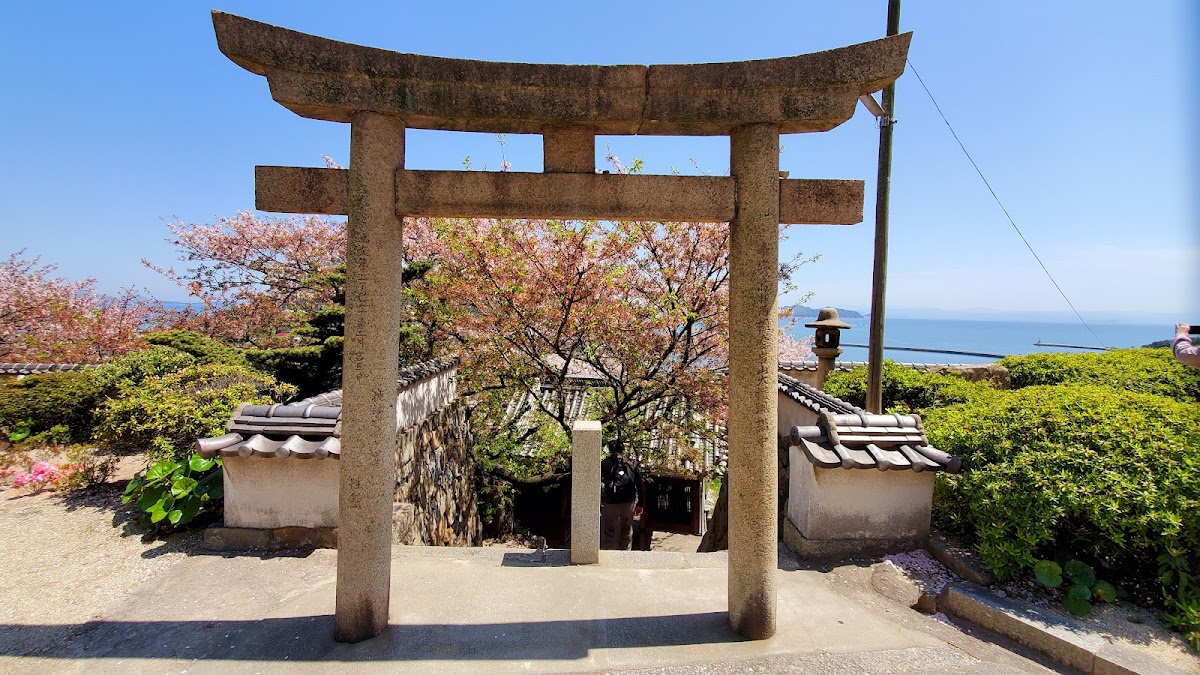
The stone torii gate standing at the entrance to the shrine grounds is designated as an important cultural property of Hiroshima Prefecture. This torii gate is estimated to have been built in the early Edo period, and its dignified appearance welcomes worshippers. The texture of the stone, which has withstood wind and rain for hundreds of years, conveys the weight of the shrine’s history.
Stone Structures
Numerous stone structures, such as lanterns, stone fences, and guardian lion-dogs, are placed within the shrine grounds. Many of these were donated by worshippers from all over Japan from the Edo period to the modern era, illustrating the wide reach of the Numanamae Shrine’s faith.
In particular, many of the lanterns were donated by shipowners, shipping agents, and other people involved in the shipping industry, clearly reflecting the shrine’s character as a shrine dedicated to the god of the sea.
Shrine Buildings
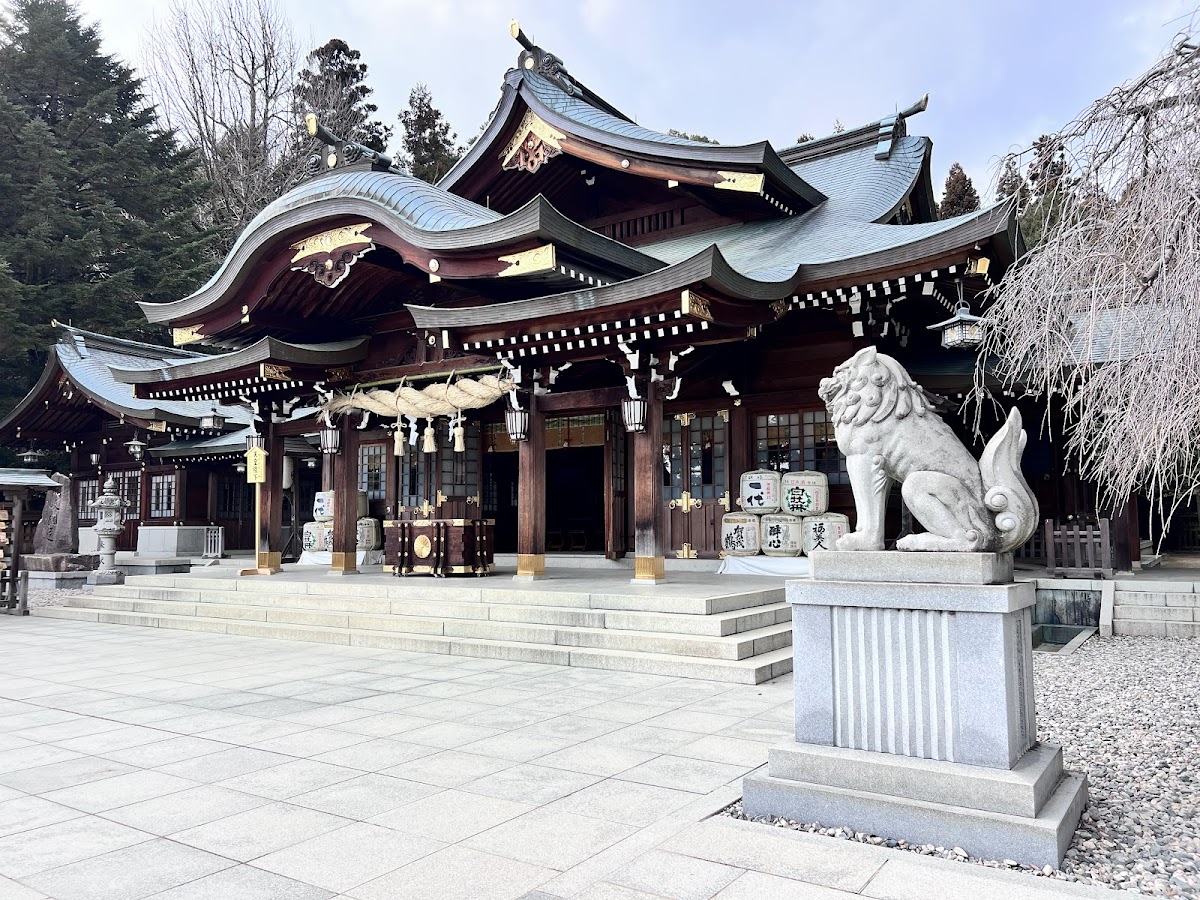
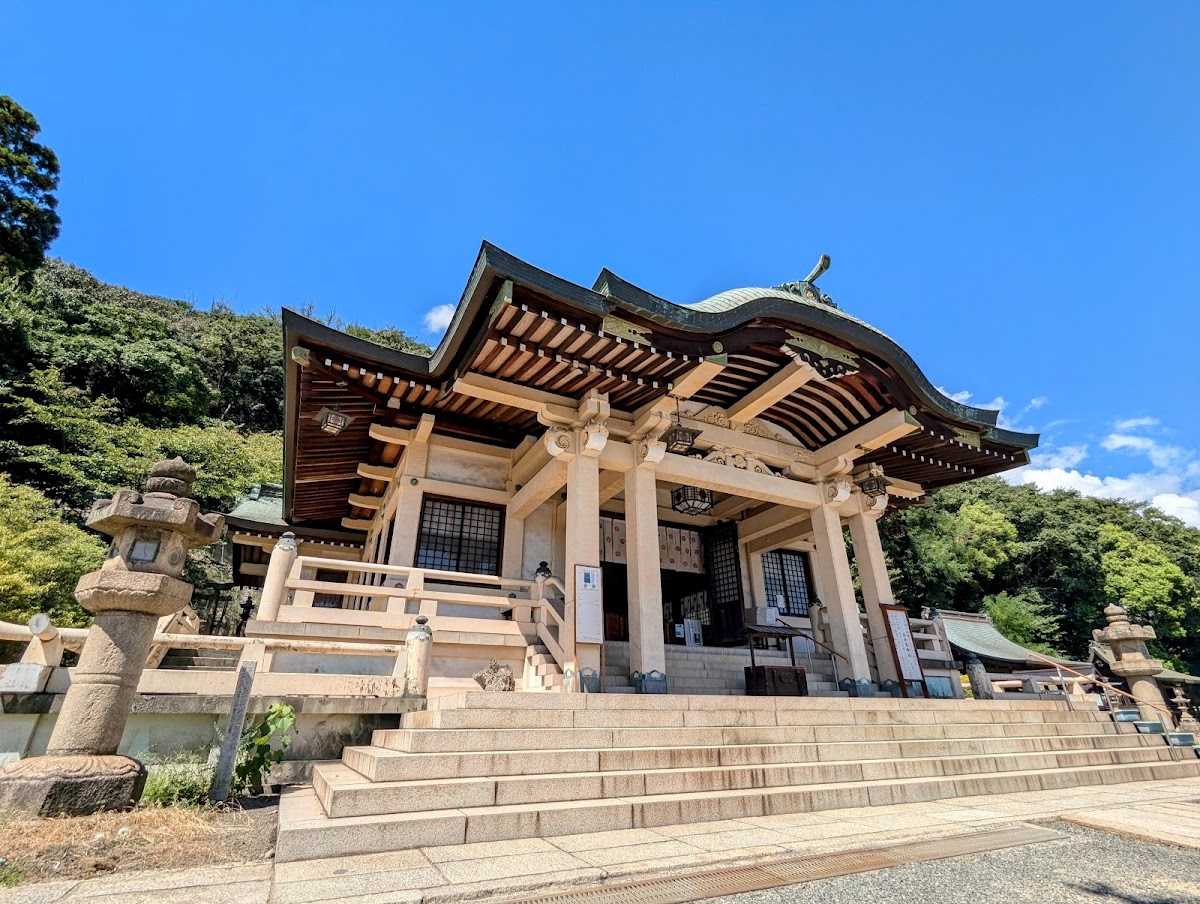
The main hall is a magnificent building that conveys the architectural style of the Edo period, and its vivid vermilion color is striking. From the worship hall, one can see the townscape of Tomonoura, giving a real sense of its location as the guardian deity of a port town.
Annual Events and Festivals
Otebi Shinto Ritual (July)
The most famous festival of Numanamae Shrine is the “Otebi Shinto Ritual,” held every July. This is a traditional event designated as an intangible folk cultural property of Fukuyama City, and is also known as the “Tomonoura Gion Festival.”
Overview of the Otebi Shinto Ritual
- Date: Friday and Saturday closest to the second Saturday of July each year
- Content: A magnificent ritual performed at night in the shrine grounds, involving the swinging of large torches
- Origin: A festival praying for the eradication of disease and safety at sea
- Highlights: The rings of flame swung in the darkness create a fantastical atmosphere, attracting many spectators.
A portable shrine procession also takes place, and the sight of the shrine parading through the town of Tomonoura is breathtaking. This festival, held with the participation of all local residents, is a summer tradition in Tomonoura.
O-yumi Shinto Ritual (January)
The O-yumi Shinto Ritual is a traditional ritual held every January and is also designated as an Intangible Folk Cultural Property of Fukuyama City.
Overview of the Archery Ritual
- Date: The second Sunday of January every year
- Content: A Shinto ritual in which archers shoot arrows at a target to predict the year’s abundant harvest and catch of fish.
- Features: Archers, dressed in traditional attire, solemnly draw their bows.
- Significance: An important annual event to pray for safety and prosperity throughout the year.
Other Annual Events
- New Year’s Day Festival (January 1st): A festival celebrating the New Year.
- Setsubun Festival (February): Includes bean-throwing and other rituals.
- Spring Grand Festival (May): The grand spring festival.
- Summer Purification Ceremony (June 30th): A Shinto ritual to purify oneself of the impurities accumulated over the past six months.
- Autumn Grand Festival (October): The grand autumn festival.
- Shichi-Go-San Festival (November): Celebrating Children’s Growth Through Shrine Visits
- Great Purification Ceremony (December 31st): A Shinto ritual to purify oneself of the impurities of the year.
Goshuin (Shrine Seals) and Amulets
Goshuin (Shrine Seals)
At Numaname Shrine, you can receive a goshuin as proof of your visit. It is available at the shrine office, and the offering fee is generally around 300 yen. The goshuin features the calligraphy and red seal of “Numaname Shrine,” serving as a memento of your visit.
Goshuin notebooks are also available, and original notebooks featuring designs of the beautiful scenery of Tomonoura and the shrine’s Noh stage are popular.
Amulets and Souvenirs
Numaname Shrine offers a variety of amulets and souvenirs.
- Maritime Safety Amulet: An amulet associated with the divine virtues of Owatatsumi-no-Mikoto
- Traffic Safety Amulet: A prayer for safe travel and daily traffic
- Exorcism Amulet: Receive the divine virtues of Susanoo-no-Mikoto for protection against misfortune
- Academic Success Amulet: Seek the blessings of the god of learning
- Health Amulet: A prayer for good health and protection from illness
- Matchmaking Amulet: For those wishing for a good relationship
Other items such as votive tablets and fortune slips are also available.
Nearby Tourist Attractions
Numanae Shrine is located in the heart of Tomonoura tourism, and there are many sights to see in the surrounding area.
Tomonoura Townscape
The townscape of Tomonoura, which retains the atmosphere of an Edo-period port town, has been designated a National Important Preservation District for Groups of Traditional Buildings. You can enjoy a landscape that feels like a step back in time, with narrow alleys, old townhouses, and cobblestone streets.
Jōyatō (Eternal Lighthouse)
The Jōyatō, a symbol of Tomo Port, is a stone lighthouse built in 1859 during the Edo period. Its imposing height of approximately 11 meters makes it a beloved and representative landscape of Tomonoura.
Fukuzenji Temple and Taichōrō
From Taichōrō, the guest hall of Fukuzenji Temple, you can enjoy a magnificent view of the Seto Inland Sea. You can still enjoy the scenery that was praised by the Korean envoys during the Edo period as “the most beautiful scenery in Japan.”
Tomonoura Historical and Folk Museum
This museum allows you to learn about the history and culture of Tomonoura, and also exhibits materials related to Numaname Shrine. The building, which utilizes a merchant’s house from the Edo period, is also a highlight.
Sensuijima Island
Sensuijima Island, located about 5 minutes by ferry from Tomo Port, is part of the Seto Inland Sea National Park and offers beautiful natural scenery. The island has well-maintained hiking trails, and many people visit it in conjunction with sightseeing in Tomonoura.
Access Information
Location
Address: 1225 Gochi, Tomo-cho, Fukuyama City, Hiroshima Prefecture 720-0202
Access by Train and Bus
From JR Fukuyama Station
- Take the Tomotetsu Bus bound for “Tomo Port” or “Tomonoura” (approximately 30 minutes)
- Get off at the “Tomonoura” bus stop and walk for approximately 5 minutes
- Buses run approximately 1-2 times per hour
- Fare is 560 yen one way (as of 2024)
Access by Car
From Sanyo Expressway
- Approximately 35 minutes from Fukuyama East IC
- Approximately 40 minutes from Fukuyama West IC
Notes
- The roads in Tomonoura are narrow and can be crowded during peak tourist season, so it is recommended to allow ample time for travel.
- Please use nearby parking lots such as the Tomonoura Municipal Parking Lot.
Parking Information
While there is no dedicated parking lot for the shrine, the following parking options are available in the surrounding area:
- Tomonoura Municipal Parking Lot: Approximately 100 regular-sized cars can be accommodated; the fee is around 500 yen per visit.
- Tomonoura Tourist Information Center Parking Lot: Small but conveniently located.
- Private Parking Lots: Several available; fees are around 300-500 yen per visit.
During peak tourist seasons (Golden Week, summer holidays, autumn sightseeing season) and festivals, parking lots often fill up, so please consider using public transportation.
Opening Hours and Admission Fee
- Opening Hours: Grounds are freely accessible (Shrine office is usually open from 9:00 to 17:00)
- Admission Fee: Free
- Goshuin (Shrine Stamp) Reception: 9:00 to 17:00 (at the shrine office)
Points and Manners for Visiting a Shrine
Proper Worship Etiquette
The basic worship etiquette at a shrine is as follows:
- Passing Through the Torii Gate: Bow before passing through the gate.
- Purifying at the Water Basin: Purify your left hand, right hand, and mouth in that order.
- In Front of the Main Hall: Place your offering and ring the bell.
- Two Bows, Two Claps, One Bow: Bow deeply twice, clap your hands twice, and finally bow deeply once.
Photography
Photography is generally permitted on the shrine grounds, but please note the following points.
- Do not take photos in areas where photography is prohibited, such as inside the main shrine.
- Be considerate of other worshippers.
- Special consideration is needed during Shinto rituals and festivals.
- Avoid using tripods when it is crowded.
Attire
There are no specific dress code requirements, but it is desirable to wear clothing that reflects the sacred nature of the place. Especially when formally visiting or receiving prayers, please dress appropriately and not too casually.
The Charms of Numanae Shrine
A Treasure Trove of History and Culture
Numanae Shrine is a valuable place where you can experience Japanese history and culture, with its history dating back to the Heian period, a Noh stage associated with Toyotomi Hideyoshi, and traditional festivals. The Noh stage, in particular, is a nationally important cultural property that conveys the culture of the Azuchi-Momoyama period and is highly regarded by history enthusiasts and architecture fans.
The Spiritual Pillar of Tomonoura
Numanae Shrine, affectionately known locally as “Gion-san” or “Ogyon-san,” has watched over the region for over a thousand years as a spiritual pillar for the people of Tomonoura. Traditional events such as the Otebi Shinto ritual and the Oyumi Shinto ritual play an important role in strengthening the bonds of the local community.
Harmony between Tourism and Faith
Numanae Shrine, while welcoming many visitors as a tourist destination, maintains its function as a place of local faith. This balance is achieved through the shrine’s inclusiveness and the efforts of the local people. Visitors can gain not only sightseeing but also a valuable opportunity to experience traditional Japanese faith and culture.
Numanae Shrine in Every Season
Spring (March-May)
Cherry blossoms bloom in the shrine grounds, allowing visitors to worship in the gentle spring sunshine. The spring festival in May features rituals performed amidst the fresh greenery.
Summer (June-August)
The Otebi Shinto ritual in July is the highlight. This fire festival, unfolding on summer nights, is a representative event of summer in Tomonoura. The scenery of the shrine against the backdrop of the Seto Inland Sea and sky is also beautiful during this season.
Autumn (September-November)
The Autumn Grand Festival is held in October, and the trees on the shrine grounds begin to change color. It’s also tourist season, and the shrine is bustling with many visitors. Shichi-Go-San (a traditional Japanese rite of passage for children) is also held in November.
Winter (December-February)
In January, the archery ritual is held to pray for safety in the new year. Visiting the shrine in the crisp winter air is a solemn experience. The New Year’s Eve purification ceremony and the New Year’s Day festival create a particularly sacred atmosphere.
Summary
Numanae Shrine is a historic shrine with a history of over a thousand years, listed in the Engishiki (an ancient Japanese legal code) of the Heian period. It is a representative shrine of Tomonoura, Fukuyama City, Hiroshima Prefecture. It enshrines Owatatsumi-no-Mikoto, the god of the sea, and Susanoo-no-Mikoto, the god of protection against epidemics, and is known for its blessings of maritime safety and good health.
Numanamae Shrine, a nationally designated Important Cultural Property, boasts a Noh stage associated with Toyotomi Hideyoshi, and the Fukuyama City Intangible Folk Cultural Properties, the Otebi Shinto ritual and the Oyumi Shinto ritual, among other valuable cultural assets and traditional events that are still carefully preserved. Located in the heart of Tomonoura tourism, it is surrounded by numerous other attractions, including the Jōyatō lantern and Fukuzenji Taichōrō.
It is easily accessible, approximately 30 minutes by bus from JR Fukuyama Station, or 30-40 minutes by car from the Sanyo Expressway interchange. Visitors are welcome to freely enter the shrine grounds, and goshuin (stamped seals) and amulets are available.
Numanae Shrine, where history and culture, faith and tourism harmonize, is a fascinating shrine that you should definitely visit when visiting Hiroshima Prefecture. Along with the beautiful scenery of Tomonoura, it continues to be loved by many as a precious place to experience traditional Japanese culture.