
About Ozaki Shrine
Ozaki Shrine is a Shinto shrine located in Marunouchi, Kanazawa City, Ishikawa Prefecture. It enshrines Tokugawa Ieyasu, the first shogun of the Edo shogunate, as its main deity, and was founded in 1643 (Kanei 20) by Maeda Tsunanori, the fourth lord of the Kaga Domain.
The Shrine Known as “Kanazawa’s Nikko”
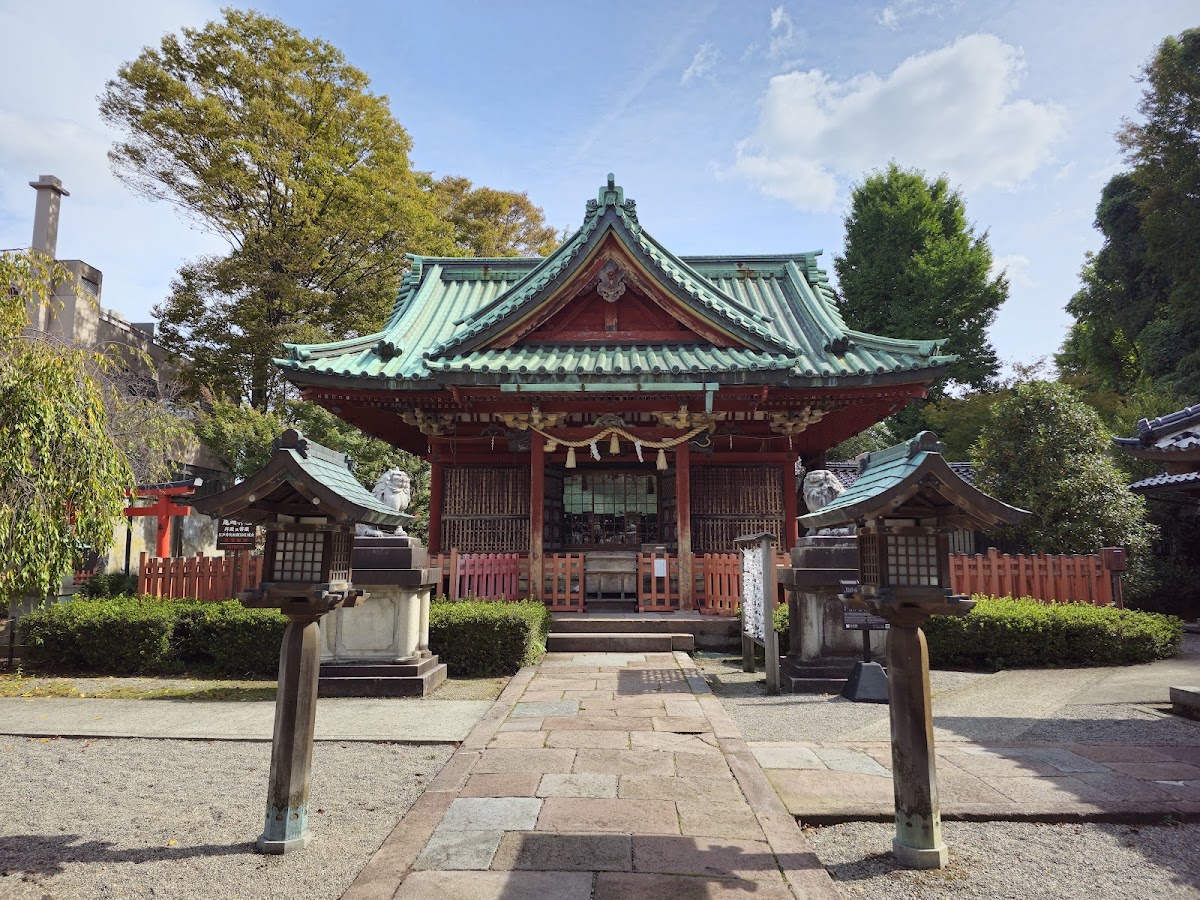
The most distinctive feature of Ozaki Shrine is its magnificent, vermilion-lacquered shrine buildings. The main hall, worship hall, offering hall, middle gate, and lattice fence are designated as important national cultural properties, and their opulent decorations have earned it the nicknames “Kanazawa’s Nikko” and “Hokuriku’s Nikko.”
It is said to have been built in imitation of Nikko Toshogu Shrine, adopting the Gongen-zukuri architectural style. The shrine buildings, adorned with gold leaf and vividly colored carvings, are highly regarded as a masterpiece of architecture that embodies the wealth and technical prowess of the Kaga Domain.
History and Origin
Founding History
The Kaga Domain valued its relationship with the Tokugawa family, and due to the fact that Matsu, the wife of the first lord of the domain, Maeda Toshiie, was an adopted daughter of Ieyasu, the Ozaki Shrine was built to show reverence for Ieyasu. Initially located in the Kitanomaru area of Kanazawa Castle, it was moved to its current location after the abolition of the feudal domains in the Meiji era.
Deities Enshrined
- Main Deity: Tokugawa Ieyasu (Toshō Daigongen)
- Enshrined Deities: Maeda Toshiie, Maeda Toshinaga
Maeda Toshiie, the founder of the Kaga Domain, and his eldest son, Toshinaga, are also enshrined here, making it a shrine dedicated to three deities associated with the Kaga Domain.
Points to Note During Your Visit
Highlights of the Shrine
Main Hall and Worship Hall
The vermilion-lacquered pillars and abundant use of gold leaf in the decorations are eye-catching. The front of the main hall, in particular, features intricate carvings depicting dragons, lions, and birds and flowers.
Sukibei (Openwork Wall)
The openwork wall surrounding the shrine is also part of the Important Cultural Property. Its lattice-like structure allows the interior to be seen through, hence the name “Sukibei” (openwork wall). The contrast between the vermilion and gold is beautiful.
Chumon (Middle Gate)
The Chumon (middle gate) in front of the main hall has guardian statues on either side. The carvings on the gate are also magnificent and well worth observing before visiting.
Goshuin (Shrine Seal) Information
Ozaki Shrine offers Goshuin.
- Reception Hours: 9:00 AM – 5:00 PM (at the shrine office)
- Offering Fee: 500 yen
- Features: A simple yet dignified design featuring the calligraphy of “Toshō Daigongen” and the vermilion seal of Ozaki Shrine.
Seasonal and special-day goshuin (shrine seals) are sometimes offered, so it is recommended to check official information in advance.
Points to Note When Visiting
- The interior of the shrine is usually closed to the public, but special opening days may be set.
- The shrine grounds have a quiet atmosphere, so please be mindful of proper etiquette during your visit.
- Photography is permitted, but please be considerate of other visitors.
Benefits
The main benefits said to be received at Ozaki Shrine are as follows:
Good Fortune and Career Advancement
Since Tokugawa Ieyasu was the person who achieved the unification of Japan, it is believed that the shrine offers benefits of good fortune and career advancement. Many business people and students preparing for exams visit this shrine.
Health and Longevity
Ieyasu lived to the exceptionally old age of 75, a remarkable feat for his time. Many visitors come to pray for health and longevity.
Academic Success and Passing Exams
Because the Maeda family’s domain emphasized learning, the shrine is also believed to offer blessings for academic success and passing exams.
Family Safety and Protection from Evil
Ieyasu, enshrined as Toshodai Gongen, is also worshipped as a god of protection from evil and family safety.
Access and Basic Information
Location
5-5 Marunouchi, Kanazawa City, Ishikawa Prefecture 920-0937
Located in a convenient location north of Kanazawa Castle Park and within walking distance of Kenrokuen Garden.
Access
By Bus
- Hokuriku Railway Bus: Get off at the “Minamimachi/Oyama Shrine” bus stop, approximately 5 minutes on foot.
- Kanazawa Castle Town Loop Bus: Get off at the “Minamimachi/Oyama Shrine” bus stop, approximately 5 minutes on foot.
- Kanazawa Flat Bus: Get off at the “Minamimachi” stop on the Zaimoku Route, approximately 3 minutes on foot.
Approximately 10 minutes by bus from JR Kanazawa Station, then about 5 minutes on foot.
Access on Foot
- Approximately 5 minutes on foot from Kanazawa Castle Park Ishikawa Gate
- Approximately 8 minutes on foot from Kenrokuen Garden Katsurazaka Entrance
- Approximately 3 minutes on foot from Oyama Shrine
Conveniently located for easy visits when touring Kanazawa’s main tourist attractions.
Access by Car
- Approximately 20 minutes from Hokuriku Expressway Kanazawa West IC
- Approximately 15 minutes from Hokuriku Expressway Kanazawa East IC
There is no dedicated parking lot, but there are several coin-operated parking lots nearby.
Visiting Hours and Admission Fee
- Visiting Hours: Grounds are freely accessible (Shrine office is open from 9:00 to 17:00)
- Admission Fee: Free
- Closed Days: None
Inquiries
- Phone: 076-221-1453
Nearby Tourist Attractions
Many of Kanazawa’s representative tourist attractions are concentrated around Ozaki Shrine.
Kanazawa Castle Park
5-minute walk. The site of the castle of the Kaga domain, with restored structures such as the Ishikawa Gate and the Gojukkengaya (Fifty-Ken Long House).
Kenrokuen Garden
8-minute walk. One of Japan’s three most famous gardens, offering beautiful scenery throughout the seasons.
Oyama Shrine
3-minute walk. This shrine, dedicated to Maeda Toshiie, is famous for its distinctive stained-glass gate.
Nagamachi Samurai District
10-minute walk. Enjoy a stroll through the charming streets where Edo-period samurai residences remain.
Summary
Oyama Shrine is a hidden gem in the heart of Kanazawa’s tourist area, offering a relatively quiet place to worship. The shrine building, a designated Important Cultural Property, is well worth seeing. As a precious shrine where you can receive blessings from Tokugawa Ieyasu, it’s a must-visit when in Kanazawa.
Visiting it in conjunction with Kenrokuen Garden and Kanazawa Castle Park will allow you to gain a deeper understanding of the history and culture of the Kaga Domain. It’s also a recommended shrine for those collecting Goshuin (shrine stamps).


