
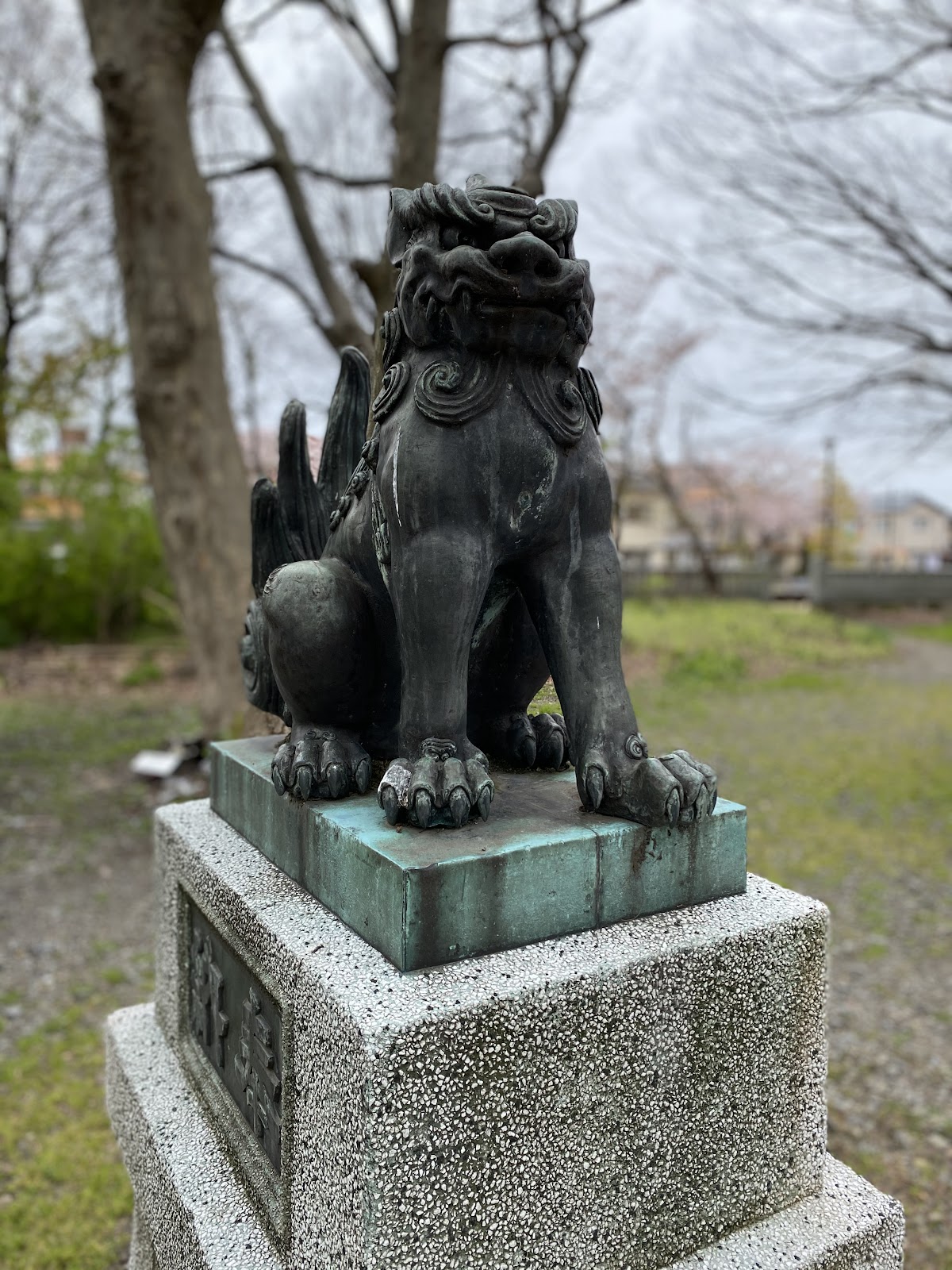
Complete Guide to Nakamura Shrine
Nakamura Shrine is a historic shrine cherished by the local community. This article provides detailed information on its enshrined deities, blessings, points to note when visiting, and access methods.
Basic Information about Nakamura Shrine
Enshrined Deities and History
The enshrined deities of Nakamura Shrines vary by region, but many Nakamura Shrines enshrine the following gods:
- Susanoo-no-Mikoto: God of protection against misfortune and disaster
- Homudawake-no-Mikoto: God of military fortune and success in competitions
- Sugawara no Michizane: God of learning and literature
The founding dates vary among Nakamura Shrines, ranging from the Heian period to the Edo period. As the local guardian deity, it has long been revered by residents.
History of the Shrine
Many Nakamura Shrines were established in honor of the place name Nakamura. “Nakamura” means “village at the center of a settlement,” and it has a history of functioning as a central presence in the local community.
Many shrines were established as village guardian shrines during the Edo period, and after the Meiji era’s consolidation of shrines, they took on their current forms.
Benefits of Nakamura Shrine
Main Benefits
Nakamura Shrine is said to bestow the following benefits:
- Protection from Evil and Disaster: Particularly powerful at shrines dedicated to Susanoo-no-Mikoto
- Family Safety and Community Peace: Role as a local guardian deity
- Business Prosperity: As a guardian deity of the local economy
- Academic Success: When Sugawara no Michizane is enshrined
- Matchmaking and Childbearing: Worshipped as a god of matchmaking in some regions
Points to Receive Blessings
- Make it a point to visit regularly (e.g., monthly visits)
- Participate in local festivals to deepen your connection with the deity
- Visit with gratitude
Points for Visiting
Correct Visiting Etiquette
When visiting Nakamura Shrine, please observe the following etiquette.
1. How to Pass Through the Torii Gate
- Bow before passing through the torii gate.
- The center of the approach is the path for the gods, so walk on either the left or right side.
2. How to Purify Yourself at the Water Basin
- Take the ladle with your right hand and purify your left hand.
- Switch the ladle to your left hand and purify your right hand.
- Switch the ladle back to your right hand, receive water in your left hand, and rinse your mouth.
- Purify your left hand once more.
- Hold the ladle upright, purify the handle, and return it to its original position.
3. How to Worship at the Main Hall
- The basic method is two bows, two claps, and one bow.
- Gently place your offering (do not throw).
- If there is a bell, ring it before bowing.
- Express not only your wishes but also your gratitude for everyday blessings.
Suitable Time to Visit
- Early Morning (6:00-8:00): You can worship in refreshing air.
- Morning: The positive energy is strong, making it easier to receive blessings.
- Evening: Recommended for those who wish to pray in peace.
*It is generally advised to avoid praying at night.
Dress Code
- Dress neatly and cleanly.
- Avoid revealing clothing.
- Remove hats and sunglasses before entering the main hall.
- For formal prayers, a suit or formal attire is preferable.
Highlights of the Shrine Grounds
Main Hall and Worship Hall
The main hall of Nakamura Shrine is a valuable building that preserves the traditional architectural style of the region. Pay attention to the carvings and decorations.
Subsidiary Shrines
Many Nakamura Shrines have several subsidiary shrines in addition to the main hall.
- Inari Shrine: Prosperity in business, abundant harvest
- Tenjin Shrine: Academic success
- Kotohira Shrine: Safe voyages, traffic safety
Sacred Trees and Nature
Many shrines have sacred trees hundreds of years old, making them popular power spots. Seasonal flowers also adorn the shrine grounds.
Festivals and Annual Events
Main Festivals
- Annual Grand Festival (Autumn Festival): Often held in September-October
- First Shrine Visit of the Year: January 1st-3rd
- Setsubun Festival: Around February 3rd
- Summer Purification Ceremony: June 30th
- Shichi-Go-San Festival: Around November 15th
Festival Highlights
The annual grand festival features a portable shrine procession and devotional performances, bringing excitement to the entire community. Stalls are also set up, making it an event enjoyable for families.
Items Offered and Amulets
Popular Amulets
- Exorcism Amulet: Especially recommended for those in their unlucky year
- Family Safety Amulet: Praying for the health and safety of your family
- Academic Success Amulet: Popular with students taking exams
- Traffic Safety Amulet: For your car’s dashboard
Goshuin (Shrine Seal)
Nakamura Shrine may offer Goshuin.
- Reception Hours: 9:00 AM – 5:00 PM (Varies by shrine)
- Offering Fee: Generally 300-500 yen
- Some shrines offer Original Goshuincho (Shrine Seal Book)
Access Information
Nakamura Shrines exist throughout Japan, so please check the location of the shrine you plan to visit in advance.
Examples of Access to Major Nakamura Shrines
Nakamura Shrines in Tokyo
Access by Train
- Generally a 10-15 minute walk from the nearest station
- Bus access from the station is also possible
Access by Car
- Check parking availability in advance
- Public transportation is recommended during festivals due to congestion
Nakamura Shrines in Osaka Prefecture
Access by Train
- Accessible from various subway and private railway lines
- Within walking distance of the nearest station
Access by Bus
- City buses and community buses are convenient
Points to Note When Accessing
- Roads around the shrine become congested during New Year’s visits and festivals
- Parking is often limited, so arrive early
- Accessibility varies by shrine, so advance confirmation is recommended
Things to Check Before Visiting
Opening Hours
- Many shrines are open for worship from sunrise to sunset
- The shrine office is generally open from 9:00 to 17:00.
- Hours may be extended during New Year’s and festivals.
Contact Information
Checking the following before your visit will make things smoother:
- Whether reservations are required for prayers
- Availability and number of parking spaces
- Hours for issuing Goshuin (shrine stamps)
- Dates of special events
Nearby Tourist Attractions
Nakamura Shrine is surrounded by many historical buildings and natural spots.
- Historical Museums and Local History Museums
- Old Townscapes
- Parks and Nature Trails
- Local Specialty Restaurants
Enjoying the local attractions along with your visit is highly recommended.
Summary
Nakamura Shrine is a historical shrine deeply rooted in the community, attracting the faith of many people. By observing proper worship etiquette and offering prayers with gratitude, you can receive deeper blessings.
When visiting, please check access methods and opening hours in advance and take your time exploring the shrine grounds. Enjoy a peaceful moment at Nakamura Shrine, which displays a different face with each season.


