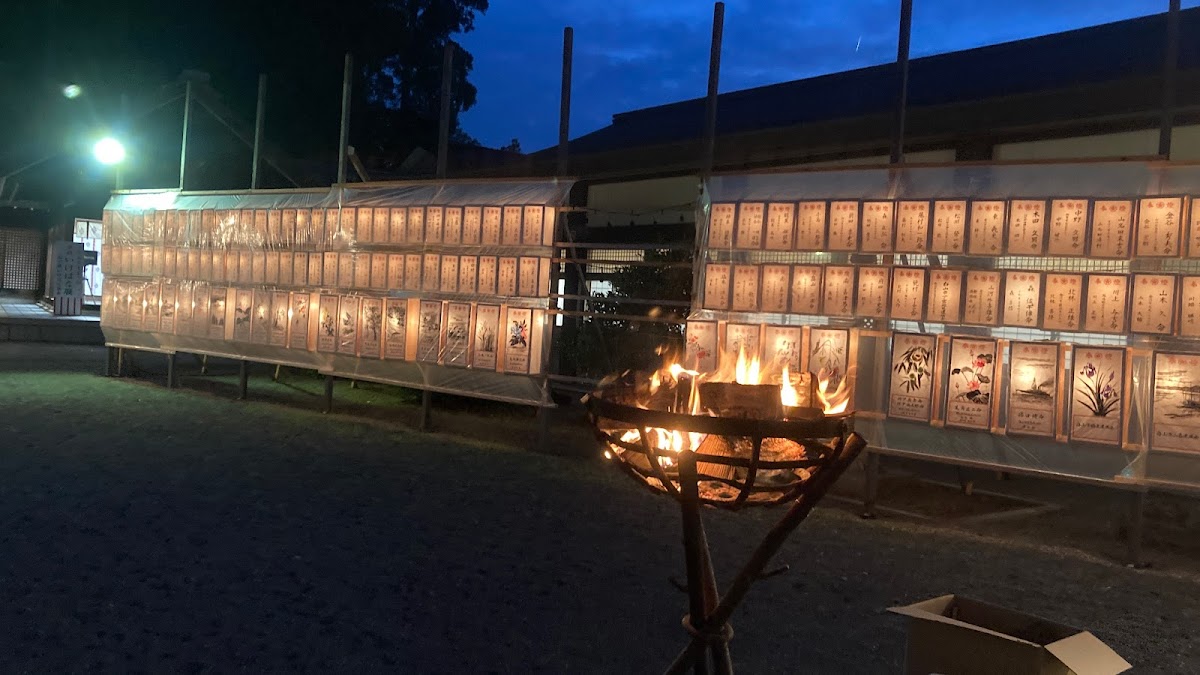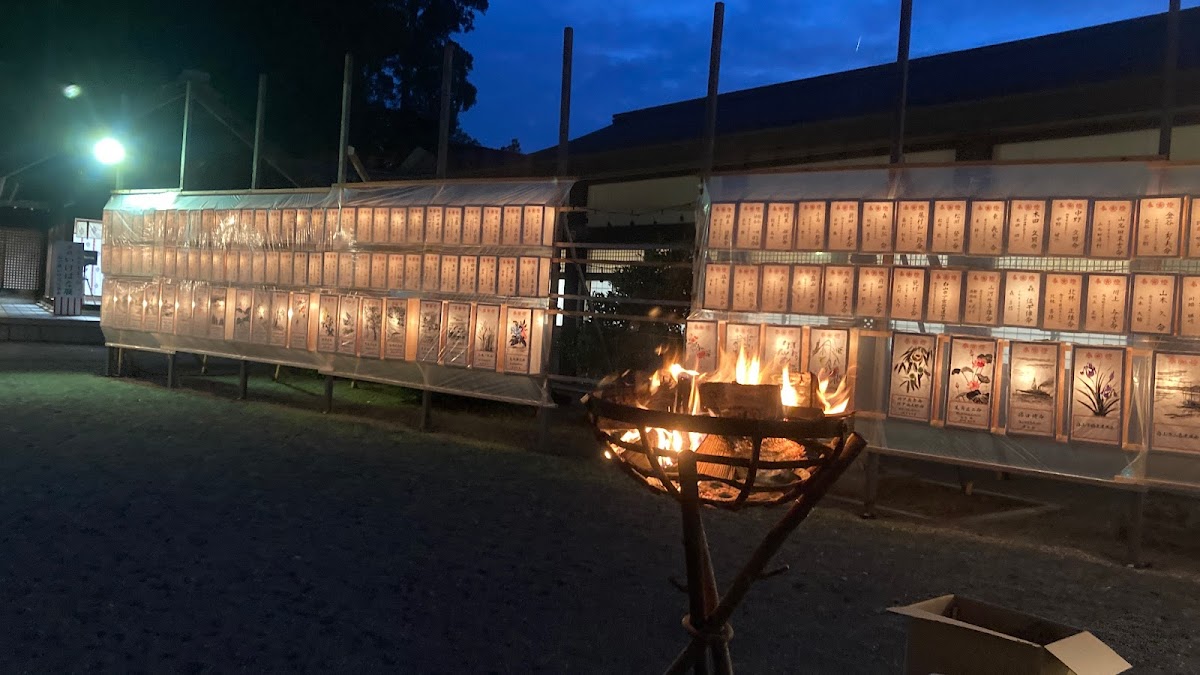
About Ishikawa Gokoku Shrine
Ishikawa Gokoku Shrine is a Gokoku Shrine located in Ishibiki, Kanazawa City, Ishikawa Prefecture. It enshrines approximately 50,000 war dead from the Meiji Restoration to the Greater East Asia War, and was founded in 1941 (Showa 16) as a shrine to honor the spirits of the war dead and pray for lasting peace.
Deities and History
Deities
Ishikawa Gokoku Shrine enshrines the following war dead:
- Those who died in the Boshin War and the Satsuma Rebellion
- Those who died in the First Sino-Japanese War and the Russo-Japanese War
- Those who died in World War I
- Those who died in the Manchurian Incident and the Second Sino-Japanese War
- Those who died in the Greater East Asia War (Pacific War)
In total, approximately 50,000 spirits of those from Ishikawa Prefecture are enshrined here, including not only military personnel but also civilians who died in the war.
History of Founding
In 1939 (Showa 14), the shrine was designated as a Gokoku Shrine by the Minister of Home Affairs, and the enshrinement ceremony was held in April 1941 (Showa 16). Originally founded in 1869 as “Kanazawa Shokonsha,” the shrine was temporarily renamed “Ishikawa Shrine” in 1946 (Showa 21) after World War II, but reverted to its current name, “Ishikawa Gokoku Shrine,” in 1952 (Showa 27).
Highlights of the Shrine Grounds
Main Hall and Worship Hall
The magnificent shrine buildings were rebuilt after the war and possess a simple yet dignified design. The wide approach to the worship hall is enveloped in a tranquil atmosphere, providing a peaceful space for worship.
Memorials and Monuments
Numerous memorials and monuments are erected within the temple grounds:
- Monument to the Loyal Souls: A large stone monument standing in the center of the grounds.
- Memorial to the Special Attack Units: A monument commemorating the members of the Special Attack Units.
- Memorial to Siberian Internees: A monument to those interned in Siberia after the war.
- Monuments to Various Units: Monuments honoring various units, including the 7th Infantry Regiment.
These monuments are valuable historical sites that convey the memories of the war to future generations.
Yushukan Museum (Archives)
There is a small museum within the temple grounds, displaying wartime artifacts, photographs, letters, and other items. While opening days are limited, it offers a valuable opportunity to learn about the realities of war.
Points to Note When Visiting a Shrine
How to Visit a Shrine
Visiting a Gokoku Shrine follows the same etiquette as visiting any other shrine:
- Bow before passing through the torii gate: Show respect when entering the shrine grounds.
- Purify yourself at the water basin: Purify in the following order: left hand → right hand → mouth → handle of left hand.
- Worship at the main hall: Two bows, two claps, and one bow is the basic procedure.
- Silent prayer for the war dead: Offer gratitude to those who died in the war and pray for peace.
Recommended Times to Visit
- Early morning (7:00-9:00): Enjoy the tranquility and peaceful atmosphere.
- Weekday mornings: Fewer tourists, allowing for a leisurely visit.
- August 15th (End of War Memorial Day): A memorial service is held, attracting many visitors.
Annual Events
- January 1st: New Year’s Day Festival
- Spring Grand Festival (Late April): Founding Anniversary Ceremony
- August 15th: Memorial Service for the End of the War
- Autumn Grand Festival (October): Most Important Annual Event
Benefits and Goshuin (Shrine Seal)
Benefits
Ishikawa Gokoku Shrine, as a shrine dedicated to war dead, is believed to offer the following benefits:
- National Security and Peace Prayer: For those who wish for lasting peace
- Family Safety: For those who pray for the safety of their family
- Protection from Evil and Disaster: For those who wish to protect themselves from difficulties
- Fulfillment of Wishes: For those who want to achieve their goals with strong will
As a guardian deity of the nation, it is believed to possess powerful divine virtues that protect the country and its people.
Goshuin (Shrine Seal)
Goshuin can be obtained at the shrine office. The offering fee is usually 300 yen. It features simple yet powerful calligraphy, and bears the name “Ishikawa Gokoku Shrine” and the date. Original goshuincho (stamp books) are also available.
Items Offered
- Amulets: Various types, such as for family safety and traffic safety.
- Ema (votive tablets): For writing wishes and offering them.
- Goshinfuda (amulets): Amulets to be placed on the household shrine.
Access and Visiting Information
Location
4-18-1 Ishibiki, Kanazawa City, Ishikawa Prefecture 920-0935
Transportation Access
Public Transportation
- From JR Kanazawa Station:
- Take the Hokutetsu Bus bound for Kodatsuno, get off at the “Ishibiki” bus stop, and walk for approximately 3 minutes (approximately 15 minutes total).
- Take the Kanazawa Castle Town Loop Bus (clockwise route), get off at “Hondamachi,” and walk for approximately 8 minutes.
- Taxi from Kanazawa Station: Approximately 10 minutes, fare approximately 1,500 yen.
By Car
- From Hokuriku Expressway Kanazawa-Nishi IC: Approximately 20 minutes
- **Hokuriku Expressway From Kanazawa East IC: Approximately 15 minutes
- From Kanazawa Station: Approximately 10 minutes
Parking
Free parking is available on the shrine grounds (capacity of approximately 50 cars). During major festivals, it can get crowded, so using public transportation is recommended.
Visiting Hours and Admission Fee
- Visiting Hours: Grounds are freely accessible (Shrine office is open from approximately 9:00 to 17:00)
- Admission Fee: Free
- Closed Days: None (Open all year round)
Contact Information
- Phone: 076-221-3939
- Official Website: Some information can be found on the Ishikawa Prefecture Gokoku Shrine Supporters Association website.
Nearby Tourist Attractions
Around Ishikawa Gokoku Shrine, there are many historical sites where you can experience the history of Kanazawa:
Kenrokuen Garden (Approximately 15 minutes on foot)
One of Japan’s three most famous gardens. A daimyo garden where you can enjoy beautiful scenery throughout the four seasons. ## Kanazawa Castle Park (approx. 15-minute walk)
The site of the castle of the Kaga domain, which boasted a million koku of rice production. Historical buildings such as the Ishikawa Gate and the Gojukkengaya (Fifty-Ken Long House) have been restored.
Hondanomori Park (approx. 5-minute walk)
A lush green park with good access to the Ishikawa Prefectural Museum of Art and the 21st Century Museum of Contemporary Art, Kanazawa.
Oyama Shrine (approx. 5-minute drive)
A shrine dedicated to Lord Maeda Toshiie. Famous for its stained-glass gate.
Summary
Ishikawa Gokoku Shrine is an important place for the citizens of Kanazawa to commemorate those who died in war and pray for peace. While it lacks the glamour of a tourist destination, it is a valuable space to quietly reflect on history and reaffirm the preciousness of peace. When sightseeing in Kanazawa, please be sure to visit it along with Kenrokuen Garden and Kanazawa Castle.