
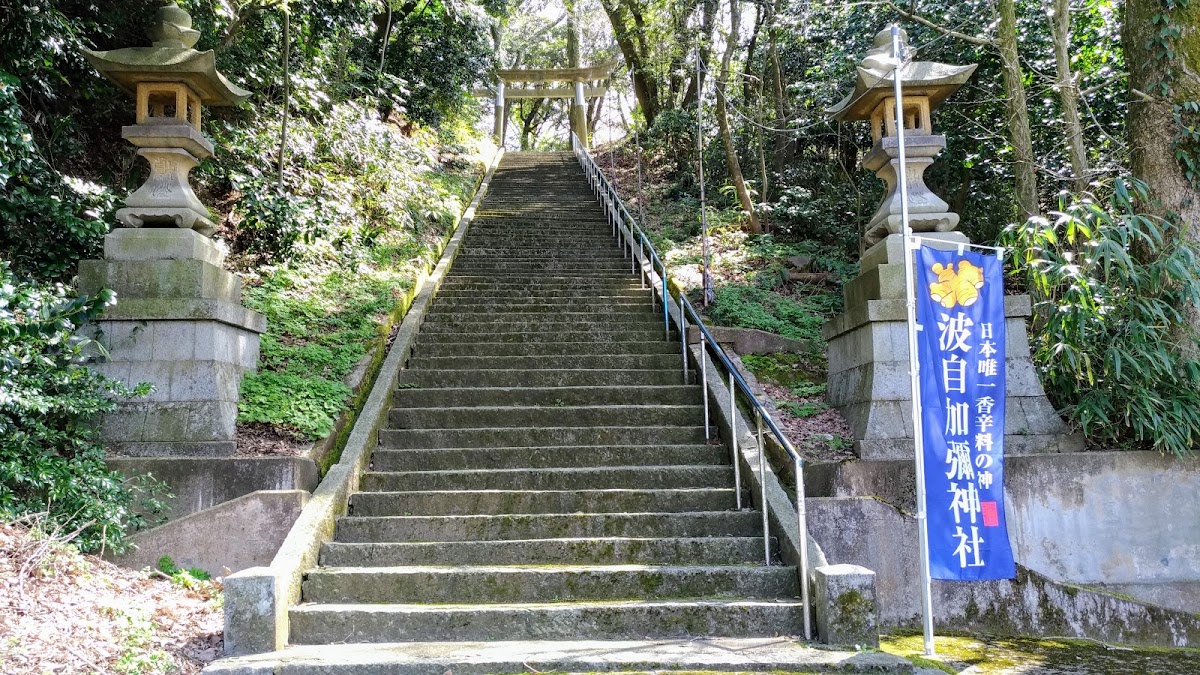
About Hajikami Shrine
Hajikami Shrine is an ancient shrine located in Umi-machi, Kasuya-gun, Fukuoka Prefecture. “Hajikami” is an archaic word meaning Japanese pepper (sansho), and the shrine is known for its deep connection to sansho, a spice and medicinal plant that has been highly valued since ancient times.
History and Origins of the Shrine
The exact founding date of Hajikami Shrine is unclear, but it is listed in the Engishiki Jinmyocho (a list of shrines compiled in 927), indicating that it was a historically significant shrine existing at least during the Heian period. As a Engishiki shrine in Kasuya-gun, Chikuzen Province, it has attracted the faith of the local community.
According to shrine tradition, the origin of the shrine is said to be when Empress Jingu presented sansho to this area during her conquest of the Three Kingdoms of Korea. Sansho was a valuable spice in ancient times, and its medicinal properties were recognized, leading to its sacred status.
Deities Enshrined
The deities enshrined at Hajikami Shrine are as follows:
Main Deities
- Ugayafukiaezu-no-Mikoto: Father of Emperor Jimmu
- Tamayorihime-no-Mikoto: Mother of Emperor Jimmu
- Hikohodemi-no-Mikoto: Known as Yamasachihiko
- Toyotamahime-no-Mikoto: Daughter of the Sea God
These deities are central figures in the lineage of Japanese mythology, from the descent of the heavenly grandchild to Emperor Jimmu’s eastern expedition, and are deeply connected to the peace and security of the nation and the prosperity of the Imperial family.
Benefits and Divine Virtues
Hajikami Shrine is believed to offer the following benefits:
Main Benefits
Safe Childbirth and Fertility
Since the enshrined deity, Tamayorihime-no-Mikoto, is known as the goddess of safe childbirth, the shrine is particularly popular for its blessings of safe childbirth and fertility. Many pregnant women and those hoping to conceive visit the shrine.
Family Safety and Protection from Evil
Due to the purifying properties of sansho pepper, the shrine also offers blessings of protection from evil and family safety. Since ancient times, sansho pepper has been believed to ward off evil spirits and has been used in Shinto rituals.
Health and Longevity
Due to the medicinal properties of sansho pepper, many visitors come to pray for health and longevity and recovery from illness. It is especially popular among those praying for digestive health.
Business Prosperity
Derived from the distribution of sansho pepper as a spice, the shrine is also believed to offer blessings of business prosperity.
Points to Note When Visiting
Here are some points to keep in mind when visiting Hajikami Shrine.
Highlights of the Shrine Grounds
Main Hall and Worship Hall
The main hall, nestled amidst tranquil trees, exudes a peaceful atmosphere. When praying, please follow the proper etiquette of two bows, two claps, and one bow.
Japanese Pepper Tree
A Japanese pepper tree, from which the shrine derives its name, is planted on the grounds. Depending on the season, you can see it bearing fruit, giving a sense of the shrine’s history.
Subsidiary Shrines
Several subsidiary shrines are enshrined around the main hall. By praying at each of them, you can receive even more blessings.
Points to Note When Visiting
- Visiting Hours: While you can generally visit the shrine grounds freely, the shrine office is open from approximately 9:00 AM to 5:00 PM.
- Dress Code: As this is a sacred place, please avoid revealing clothing and wear clean attire.
- Photography: Photography is permitted within the grounds, but please note that there are areas where photography is prohibited, such as inside the main hall.
- Quietness: As the shrine is located near a residential area, please refrain from speaking loudly.
Recommended Time to Visit
- Spring (April-May): The fresh greenery is beautiful, and the sansho pepper blossoms are in bloom.
- Autumn (October-November): The autumn leaves color the grounds, and the sansho pepper berries ripen.
- New Year’s Visit: The shrine is bustling with local worshippers during the first three days of the New Year.
Access Information
Detailed access information to Hajikami Shrine is provided below.
Access by Train
If using JR
- Get off at Umi Station on the JR Kashii Line.
- Approximately 15 minutes on foot from the station (approx. 1.2 km)
- Alternatively, approximately 5 minutes by taxi from the station.
From Hakata Station, the most convenient route is to take the JR Kagoshima Main Line to Yoshizuka Station, then transfer to the Kashii Line to Umi Station (approx. 40 minutes).
Access by Nishitetsu Bus
- Get off at the “Shojidake” bus stop on the Nishitetsu Bus line, approximately 5 minutes on foot.
- Buses to Umi depart from Hakata Bus Terminal.
Access by Car
From Fukuoka City
- Head east on National Route 201 towards Umi Town, approximately 30 minutes.
- Approximately 15 minutes from the “Kasuya Exit” of the Fukuoka Urban Expressway.
Parking Information
- Parking: Free parking available for visitors on the temple grounds (approximately 10 spaces).
- Note: The parking lot can get crowded during New Year’s and festivals; using public transportation is recommended.
Address and Contact Information
- Address: Near 1-1-1 Umi, Umi-machi, Kasuya-gun, Fukuoka Prefecture 811-2101
- Telephone: Available at the shrine office (checking for the latest information before visiting is recommended).
Nearby Tourist Attractions
Umi Hachimangu Shrine
Located about a 10-minute walk from Hajikami Shrine, this shrine is famous as a deity of safe childbirth. It is said to be the place where Empress Jingu gave birth to Emperor Ojin, and many people visit both shrines together.
Showa no Mori (Showa Forest)
A lush forest park, perfect for hiking and picnics. Recommended as a stopover after visiting the shrines with family.
Summary
Hajikami Shrine is a unique ancient shrine whose name originates from the familiar plant, sansho (Japanese pepper). Combining the prestige of a Shikinaisha (a shrine listed in the Engishiki, an ancient Japanese legal code) with familiar blessings such as safe childbirth and fertility, it has long been cherished by the local people.
It is easily accessible from Fukuoka City, and visiting both Umi Hachimangu Shrine and Hajikami Shrine together allows for a more fulfilling shrine pilgrimage. Why not calm your mind in the tranquil grounds and reflect on the history of faith that has continued since ancient times?


