Aichi Prefecture Gokoku Shrine (Aichi Prefecture) Complete Guide | History, Goshuin (Shrine Seal), and Visiting Information Summary
Aichi Prefecture Gokoku Shrine is a shrine located in Sannomaru, Naka-ku, Nagoya City, Aichi Prefecture, enshrining over 93,000 war dead from Aichi Prefecture from the Boshin War to World War II. Located south of Nagoya Castle, it boasts lush green grounds despite being in the heart of the city’s business district, and is known as a prestigious shrine designated as a special shrine by the Association of Shinto Shrines.
This article provides a detailed explanation of information you should know before visiting Aichi Prefecture Gokoku Shrine, including its history and origins, highlights of the grounds, goshuin information, access methods, and annual festivals and rituals.
History and Origins of Aichi Prefecture Gokoku Shrine
Circumstances of its Founding and the Era of “Seichusha”
The history of Aichi Prefecture Gokoku Shrine dates back to the first year of the Meiji era (1868). During the Boshin War, the Owari Domain fought on the side of the new government forces, and many of its samurai were killed in action. Lord Tokugawa Yoshikatsu, the lord of the Owari Domain, erected a shrine in what is now Kawanayama, Showa Ward, Nagoya City, to commemorate the spirits of these 25 fallen soldiers.
In May of the following year, Meiji 2 (1869), the shrine was officially established as “Seichusha,” dedicated to the spirits of the Owari Domain samurai who perished in the Boshin War. The name Seichusha signifies the commemoration of loyalty and strongly reflects the historical context of the time.
Renaming and Development to Gokoku Shrine
In Meiji 8 (1875), the shrine was renamed Shokonsha, and subsequently, the spirits of those from Aichi Prefecture who died in the Satsuma Rebellion, the First Sino-Japanese War, and the Russo-Japanese War were also enshrined there. In 1939 (Showa 14), it was designated a Gokoku Shrine by the Minister of Home Affairs and renamed “Aichi Prefecture Gokoku Shrine.”
During World War II, the shrine buildings were destroyed in the Nagoya air raids of 1945 (Showa 20). However, during the post-war reconstruction, it was relocated to its current location in San-no-maru, south of Nagoya Castle, in 1955 (Showa 30), and the shrine buildings were rebuilt. This relocation allowed it to attract many more worshippers as a Gokoku Shrine located in the heart of Nagoya.
To the Present
Currently, Aichi Prefecture Gokoku Shrine enshrines over 93,000 souls of those who died in the Boshin War and World War II, all associated with Aichi Prefecture, as great deities of national protection. After the war, it was listed as a special shrine by the Association of Shinto Shrines and serves as one of Aichi Prefecture’s representative shrines, a place of remembrance and prayer for peace.
Deities and Divine Virtues
The War Dead Enshrined
The deities enshrined at Aichi Prefecture Gokoku Shrine are the war dead collectively known as “the divine spirits of the nation.” Specifically, this includes war dead from Aichi Prefecture in the following conflicts:
- Boshin War (1868-1869)
- Satsuma Rebellion (1877)
- First Sino-Japanese War (1894-1895)
- Russo-Japanese War (1904-1905)
- World War I (1914-1918)
- Manchurian Incident/China Incident (1931-1941)
- Greater East Asia War (World War II) (1941-1945)
These more than 93,000 souls are those who sacrificed their precious lives for the peace and prosperity of the nation, and their divine virtues are said to include national security, family safety, and protection from misfortune and good fortune.
Significance of Gokoku Shrines
There are 52 Gokoku Shrines throughout Japan, each enshrining war dead associated with their respective prefecture. Aichi Prefecture Gokoku Shrine is an important place for the people of Aichi Prefecture to remember the precious sacrifices of their ancestors and to offer gratitude for peace. Especially on the anniversary of the end of the war and during the spring and autumn festivals, many bereaved families and worshippers visit to quietly offer their prayers.
Highlights and Cultural Assets of the Shrine Grounds
Main Shrine and Worship Hall
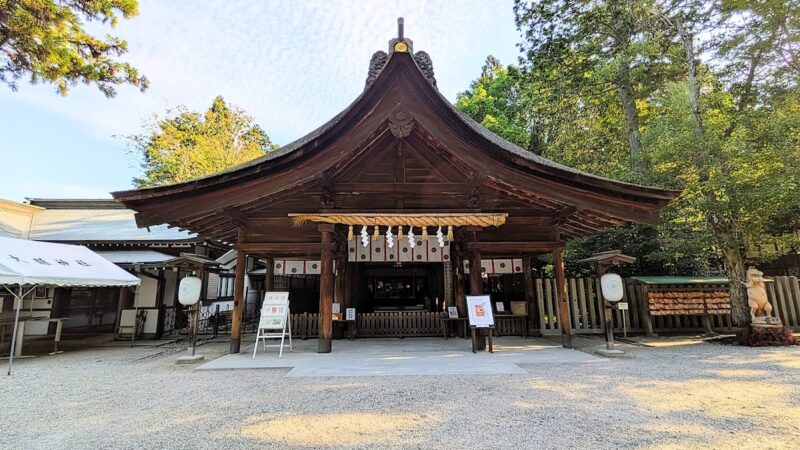
The main shrine of Aichi Prefecture Gokoku Shrine has undergone several renovations since its reconstruction in 1955, resulting in its current form. The worship hall is a magnificent wooden structure, exuding a solemn atmosphere befitting a Gokoku Shrine. A spacious grounds spread out in front of the worship hall, maintaining a tranquil space despite its central urban location.
Lush Green Grounds
Despite being located in the heart of Nagoya’s government district, the grounds of Aichi Prefecture Gokoku Shrine are so lush with greenery that they are called a “forest in the city center.” Large trees surround the grounds, allowing visitors to experience the beauty of nature throughout the seasons. Especially in early summer, the hydrangeas planted on the temple grounds bloom in a riot of colors, delighting the eyes of visitors.
Despite being located in the heart of the city’s skyscrapers, stepping onto the temple grounds reveals a tranquil space enveloped in greenery, a world apart, providing a place of peace and solace for many visitors.
Memorials and Monuments
Within the temple grounds, memorials and monuments commemorating various wars have been erected. These monuments express gratitude and remembrance for the heroes who perished in their respective eras, and serve as important historical resources.
Water Basin and Approach
The approach leading from the entrance to the shrine is paved with well-maintained stone, and lined with greenery on both sides. Visitors can purify themselves at the water basin before praying, adhering to traditional shrine worship customs.
About Goshuin (Shrine Seals) and Goshuincho (Shrine Seal Books)
Types and Characteristics of Goshuin
At Aichi Prefecture Gokoku Shrine, you can receive several types of goshuin. Visitors appreciate the wide variety of goshuin available, including seasonal and special-day designs.
Regular goshuin feature the calligraphy of “Aichi Prefecture Gokoku Shrine” and the shrine’s seal, characterized by a strong and dignified calligraphy style. Seasonal designs are also sometimes offered, adding to the enjoyment of visiting throughout the year.
Offering Fee for Goshuin
While the offering fee for goshuin at Aichi Prefecture Gokoku Shrine is sometimes stated as “whatever you feel is appropriate,” a general guideline is around 300 to 500 yen. Special goshuin may have different fees, so please check at the shrine office.
Original Goshuincho (Stamp Book)
Aichi Prefectural Gokoku Shrine offers original goshuincho (stamp books). You can obtain commemorative goshuincho featuring designs befitting a Gokoku Shrine, as well as designs related to Aichi Prefecture and Nagoya Castle.
Etiquette for Receiving Goshuin (Stamps)
Goshuin are not merely commemorative stamps, but rather proof of your visit. Always complete your prayers before requesting a goshuin at the reception area. It is also important to have your goshuincho ready and to request it respectfully.
Items Offered and Amulets
Various Amulets
Aichi Prefecture Gokoku Shrine offers a variety of amulets:
- Exorcism Amulet: For those in their unlucky year or those seeking protection from misfortune.
- Traffic Safety Amulet: For drivers and those seeking safety during their commute to work or school.
- Family Safety Amulet: For those seeking peace and well-being for their family.
- Academic Success Amulet: For students taking exams or those seeking academic success.
- Health Amulet: For those seeking recovery from illness or longevity.
Divine Talismans (Ofuda)
Divine talismans for enshrining in household or company altars are also available. By enshrining a divine talisman from Aichi Prefecture Gokoku Shrine, you can receive the protection of the war dead and receive divine blessings such as family safety and business prosperity.
Ema (Votive Tablets) and Amulets
Ema (votive tablets) on which you can write your wishes and offer them, as well as amulets that can be carried in your wallet, are also available. You can choose a gift that corresponds to your individual wishes.
Annual Festivals, Rituals, and Events
Spring Grand Festival
The Spring Grand Festival, held every spring, is one of the important festivals of Aichi Prefecture Gokoku Shrine. It is a festival to express gratitude to the war dead and to pray for the security and peace of the nation, attracting many attendees.
Autumn Grand Festival
An annual festival is also held in the autumn, a solemn ceremony similar to the Spring Grand Festival. With the attendance of bereaved families and related organizations, gratitude and remembrance are offered to the war dead.
Mitama Festival
In summer, the “Mitama Festival” is held, with events to comfort the spirits of the war dead. Lanterns are lit, creating a magical atmosphere at dusk.
End of War Memorial Day (August 15th)
A special memorial service is held on August 15th, the anniversary of the end of the war. On this day, many bereaved families and worshippers visit the shrine to commemorate those who died in the war and to offer prayers for peace.
Monthly and Daily Rituals
Monthly rituals are held regularly, and daily ceremonies are also held without fail. Through these ceremonies, gratitude and remembrance for the war dead continue.
New Year’s Visit
The shrine is bustling with worshippers for the first visit of the new year. Many worshippers visit to pray for peace and safety in the new year and receive amulets and talismans.
Wedding Ceremonies, Car Purification, and Prayers
Shinto Wedding Ceremonies
Aichi Prefecture Gokoku Shrine offers traditional Shinto wedding ceremonies. You can hold a solemn and dignified wedding ceremony in the lush grounds known as the “Forest in the City Center.” It is also close to Nagoya Castle and easily accessible, making it convenient for travel to the reception venue.
In a Shinto wedding ceremony, traditional Japanese wedding rituals such as the exchange of sake cups (san-san-kudo) and the offering of sacred branches are performed, allowing you to spend a sacred time deepening the bond between the two families.
Car Purification Ceremony (Prayer for Traffic Safety)
We also offer car purification ceremonies (kurumakiyoharai) for newly purchased cars. This is an important ceremony to pray for traffic safety and the safety of both the car and the driver. Reservations are required, so please contact the shrine in advance.
Various Prayers and Blessings
We also accept various types of prayers and blessings, such as the following:
- Exorcism of Evil Spirits: Prayers for protection against evil spirits for those in their unlucky years
- Family Safety: Prayers for the health and peace of all family members
- Business Prosperity: Prayers for the development of your business
- Recovery from Illness: Prayers for recovery from illness
- Prayer for Success in Exams: Prayers for success in exams
- Prayer for Safe Childbirth: Prayers for a safe childbirth and the health of mother and child
- First Shrine Visit: Prayers for the healthy growth of the baby
- Shichi-Go-San (7-5-3 Festival): Prayers for the growth of a child and for their future health
We recommend making a reservation by phone in advance if you wish to have a prayer or blessing performed.
Access and Transportation Information
Basic Information
Address: 1-7-3 Sannomaru, Naka-ku, Nagoya City, Aichi Prefecture 460-0001
Phone Number: Please check the official website.
Access by Subway
Nagoya Municipal Subway Meijo Line “Nagoya Castle Station”
- Approximately 7 minutes on foot from Exit 5
- This is the most convenient access method.
Nagoya Municipal Subway Tsurumai Line/Sakuradori Line “Marunouchi Station”
- Approximately 10 minutes on foot
- Within walking distance through the government district.
Access by Bus
Within walking distance from the nearest Nagoya Municipal Bus stop. Please use buses bound for Nagoya Castle.
Access by Car
Approximately 5 minutes from the “Marunouchi Exit” of the Nagoya Expressway Inner Ring Road. However, please inquire with the shrine in advance regarding the availability and number of spaces in the dedicated parking lot. There are also coin-operated parking lots nearby.
Access from Nagoya Castle
The shrine is located approximately 5-7 minutes on foot from the main gate of Nagoya Castle. Many visitors combine their visit with a trip to Nagoya Castle, making it easily accessible as part of a Nagoya sightseeing itinerary.
Visiting Hours and Etiquette
Visiting Hours
Visiting the shrine grounds is generally possible during daylight hours. The reception hours for the shrine office and the gift shop are generally from 9:00 AM to 5:00 PM, but these may vary depending on the season and events. Therefore, it is recommended to check in advance if you wish to receive a Goshuin (shrine stamp) or prayers.
Etiquette for Visiting a Shrine
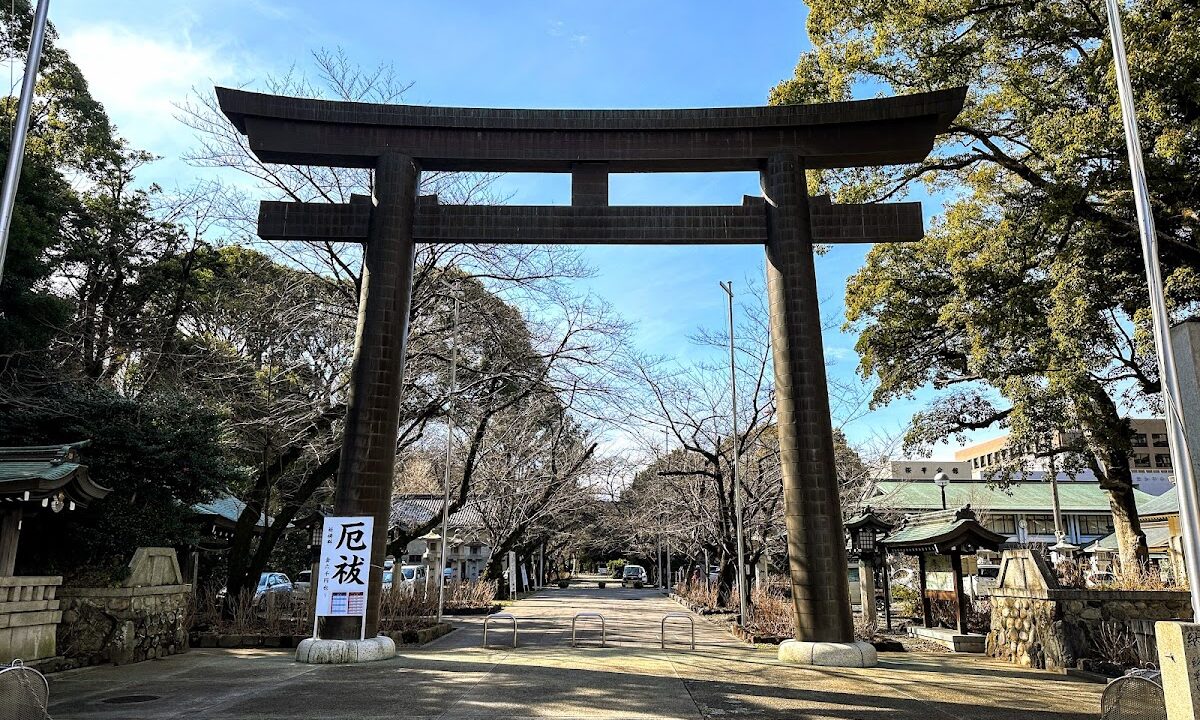
- Bow before passing through the torii gate: Bow before entering the shrine grounds.
- Walk along the edge of the path: The center of the path is considered the path of the gods.
- Purify yourself at the water basin: Purify your left hand, right hand, and mouth in that order.
- Worship at the main hall: Two bows, two claps, and one bow is the basic procedure.
- Maintain silence: Be quiet on the shrine grounds and be considerate of other worshippers.
Attire
While casual attire is acceptable, it is preferable to wear clothing that reflects the sacred nature of the place. For those receiving prayers, more formal attire is recommended.
Nearby Tourist Attractions
Nagoya Castle
Nagoya Castle, a symbol of Nagoya, is within walking distance. It boasts many attractions, including the famous keep with its golden shachihoko (mythical fish-like creatures) and the Honmaru Palace. Visiting it in conjunction with a visit to Aichi Prefecture Gokoku Shrine is highly recommended.
Aichi Prefectural Government Main Building
A historical building constructed in the early Showa period, designated as a National Important Cultural Property. Visitors can admire the beautiful Imperial Crown style architecture.
Nagoya City Hall Main Building
Like the Aichi Prefectural Government, this building dates back to the early Showa period and is also an Important Cultural Property. The surrounding area is a government district.
Tokugawa Garden
A Japanese garden associated with the Owari Tokugawa family. A scenic spot where visitors can enjoy the beautiful scenery of each season.
Official Information and Social Media
Official Website
The official website of Aichi Gokoku Shrine contains the latest information, annual events, and prayer information. Checking it before your visit will allow you to obtain the most up-to-date information.
Official Instagram
The official Instagram account (@aichigokoku_) is regularly updated with seasonal scenery of the shrine grounds, event photos, and announcements. You can learn about the daily life of the shrine through beautiful photographs.
Official X (formerly Twitter)
The official X account (@aichigokoku) tweets announcements posted on the website. Following is recommended for those who want to be among the first to know the latest information.
Checking Information
Before visiting, it is recommended to check the official website and social media for the latest information and to confirm any special events or temporary changes.
Other Gokoku Shrines and Recommended Shrines in Aichi Prefecture
Toyokawa Inari (Toyokawa City)
Toyokawa Inari is known as one of Japan’s three major Inari shrines. While officially a Soto Zen temple called Myogonji, it is worshipped nationwide as a god of business prosperity.
Atsuta Jingu (Atsuta Ward, Nagoya City)
The most prestigious shrine in Aichi Prefecture, enshrining the Kusanagi-no-Tsurugi, one of the Three Sacred Treasures of Japan. Over 2 million people visit for Hatsumode (first shrine visit of the year) every year.
Tsushima Shrine (Tsushima City)
The head shrine of approximately 3,000 Tsushima Shrines and Tenno Shrines nationwide. It has been worshipped since ancient times as a deity that wards off epidemics.
Summary
Aichi Prefecture Gokoku Shrine, while located in the heart of Nagoya, offers visitors a peaceful and solemn atmosphere as a lush green “city forest.” It enshrines over 93,000 war dead from Aichi Prefecture, from the Boshin War to World War II, and is a beloved place for many worshippers to offer prayers and gratitude for peace.
The shrine offers a wide variety of goshuin (shrine stamps) and other items, and the beauty of the grounds throughout the seasons is another attraction. It’s also close to Nagoya Castle and easily accessible, making it a must-visit spot during Nagoya sightseeing.
Learning about history, feeling the preciousness of peace, and offering quiet prayers—Aichi Prefecture Gokoku Shrine is a shrine where you can spend such precious time. Check the official website and social media for the latest information and please consider visiting. ## Frequently Asked Questions (FAQ)
Q1: What are the visiting hours for Aichi Prefecture Gokoku Shrine?
A1: You can visit the shrine grounds during daylight hours. The reception area and shrine office are generally open from around 9:00 AM to 5:00 PM, but this may vary depending on the season and events. If you wish to receive a Goshuin (shrine stamp) or prayer, please check the official website in advance or contact the shrine directly.
Q2: How many types of Goshuin are there? How much is the offering fee?
A2: Aichi Prefecture Gokoku Shrine offers several types of Goshuin, including regular Goshuin and seasonal limited-edition Goshuin. While the offering fee is sometimes “whatever you feel is appropriate,” it is generally around 300 to 500 yen. Special Goshuin may have different fees, so please check at the reception area.
Q3: Is there parking available?
A3: Please contact the shrine directly in advance regarding the availability and number of spaces in their dedicated parking lot. There are also paid coin-operated parking lots nearby. The shrine is conveniently located and easily accessible by public transport; we recommend the approximately 7-minute walk from Exit 5 of Nagoya Castle Station on the Meijo Subway Line.
Q4: Can I have a wedding ceremony here?
A4: Yes, traditional Shinto wedding ceremonies can be held at Aichi Prefectural Gokoku Shrine. You can have a solemn and dignified wedding ceremony in the lush, green grounds known as the “Forest in the City Center.” For details, please contact the shrine directly to discuss dates and other details.
Q5: Is it within walking distance from Nagoya Castle?
A5: Yes, it’s approximately a 5-7 minute walk from the main gate of Nagoya Castle. Many people visit the shrine in conjunction with sightseeing at Nagoya Castle, making it an easy addition to a Nagoya sightseeing route. When you visit Nagoya Castle, please be sure to also visit Aichi Prefectural Gokoku Shrine.
Q6: What kind of war dead are enshrined here?
A6: Over 93,000 war dead from Aichi Prefecture, from the Boshin War to World War II (the Greater East Asia War), are enshrined here as guardian deities of the nation. This includes those from Aichi Prefecture who died in the Boshin War, the Satsuma Rebellion, the First Sino-Japanese War, the Russo-Japanese War, World War I, the Manchurian Incident, the Second Sino-Japanese War, and the Greater East Asia War.
Q7: Can I receive prayers for exorcism or Shichi-Go-San (a traditional Japanese rite of passage for children)?
A7: Yes, you can receive various prayers, including exorcism, family safety, business prosperity, recovery from illness, success in exams, safe childbirth, first shrine visit for a newborn, and Shichi-Go-San. If you wish to receive a prayer, we recommend making a reservation by phone in advance. Please contact the shrine for information on reception hours and offering fees.
Q8: I heard that hydrangeas bloom on the shrine grounds. When is the best time to see them?
A8: Hydrangeas are planted on the grounds of Aichi Prefecture Gokoku Shrine, and they are usually in full bloom around June. The sight of the colorful hydrangeas in full bloom is beautiful and delights the eyes of visitors. It is especially recommended for a visit in early summer. You can sometimes check the blooming status on the official Instagram or other social media.