Hirota Shrine (Aomori City, Aomori Prefecture) Complete Guide | Deities, Blessings, Access, and Goshuin Information
Hirota Shrine, located in Aomori City, Aomori Prefecture, is a historic shrine that has been cherished by the local community for centuries. This article comprehensively introduces all the information you need to know before visiting Hirota Shrine, including its enshrined deities, blessings, history, highlights of the grounds, goshuin (shrine stamps), and access methods.
Basic Information on Hirota Shrine
Hirota Shrine is located in the city center of Aomori City and has a long history as a shrine that attracts the faith of local residents. Although situated in a quiet residential area, the shrine grounds are enveloped in a sacred atmosphere, making it a place where you can escape the hustle and bustle of everyday life and find peace of mind.
Location and Contact Information
- Location: Aomori City, Aomori Prefecture
- Access: Approximately 10 minutes by car from the center of Aomori City
- Parking: Parking spaces for visitors are available on the shrine grounds or nearby (details below)
Deities and Benefits
Main Deity
The deity enshrined at Hirota Shrine is said to be Amaterasu Omikami no Aramitama. The name Hirota Shrine suggests a connection to the Hirota Shrine located in Nishinomiya City, Hyogo Prefecture (the head shrine of all Hirota Shrines nationwide).
The Aramitama of Amaterasu Omikami represents the powerful and positive aspect of the god, and is believed to possess strong divine power to ward off evil and repel calamities.
Benefits
The main benefits you can expect at Hirota Shrine are as follows:
- Protection from Evil and Disaster: Exorcism through the powerful divine force of the Aramitama (fierce spirit)
- Family Safety: Protection of family safety and peaceful living
- Business Prosperity: Development of business and success in trade
- Traffic Safety: Safety during daily commutes, school trips, and travel
- Good Fortune and Happiness: Increased luck and the arrival of happiness
As the local guardian shrine, many worshippers visit to express gratitude at important life events and for daily blessings.
History and Origins of Hirota Shrine
History of Founding
While detailed records regarding the founding date of Hirota Shrine are limited, it is believed to have been established along with the regional development of Aomori. Aomori City has a history of being developed as a port town by the Hirosaki Domain in the early Edo period, and it is presumed that Hirota Shrine was enshrined as the guardian deity of the region during that process.
Relationship with Hirota Shrine
There are several shrines named “Hirota Shrine” throughout Japan, but most of them were established by inviting the deity from the Hirota Shrine in Nishinomiya City, Hyogo Prefecture. The Hirota Shrine in Nishinomiya is an ancient shrine that originated when Empress Jingu, on her return from the conquest of the Three Kingdoms of Korea, enshrined the fierce spirit of Amaterasu Omikami based on a divine oracle. It is a prestigious shrine listed in the Engishiki Jinmyocho (a list of shrines compiled in the Heian period).
The Hirota Shrine in Aomori City is also believed to have been established by inviting the divine power of this historically significant Hirota Shrine and enshrining it as a guardian deity of the region.
Connection with the Community
Hirota Shrine has grown alongside the development of Aomori City and has played an important role as a spiritual pillar for the local residents. In particular, many worshippers visit during annual events such as New Year’s Day, Setsubun Festival, and the annual grand festival, making it a central presence in the local community.
Highlights of the Shrine Grounds
Shrine Building
The shrine building of Hirota Shrine follows the traditional style of shrine architecture. The main shrine and worship hall are well-maintained, and worshippers offer their prayers at the worship hall. The shrine buildings are regularly maintained, preserving a clean and sacred atmosphere.
Torii Gate and Approach
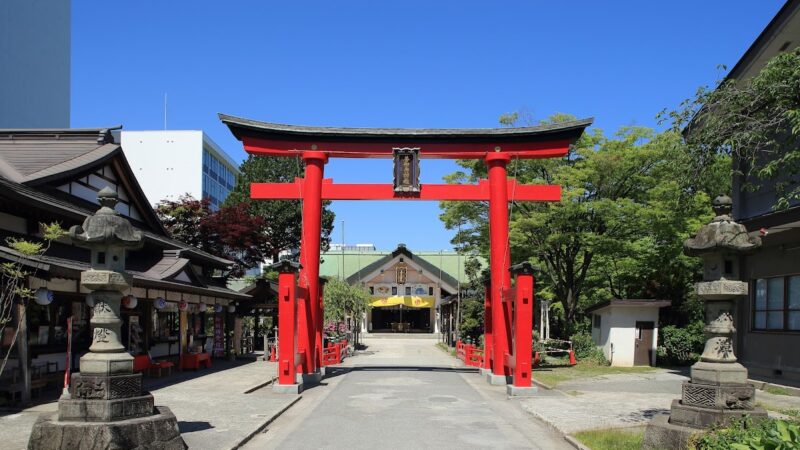
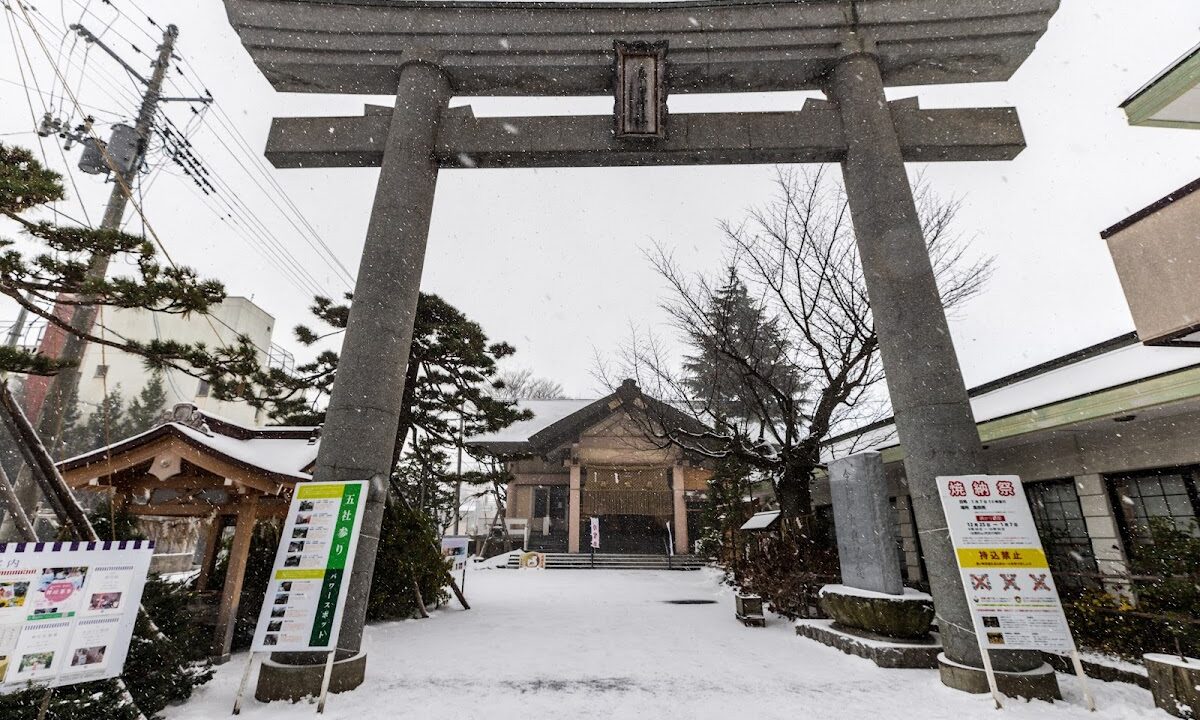
A torii gate stands at the entrance to the shrine grounds, and a path leads from there to the shrine buildings. Walking along the path allows one to compose oneself and shift one’s mindset from everyday life to the sacred realm.
Water Basin
A water basin is provided for purifying the body and mind before worship. By purifying one’s hands and mouth with the correct etiquette before worship, one can face the deities with a more reverent heart.
Procedure for Washing Hands:
- Hold the ladle in your right hand and wash your left hand.
- Switch the ladle to your left hand and wash your right hand.
- Switch the ladle back to your right hand, receive water in your left hand, and rinse your mouth.
- Wash your left hand once more.
- Hold the ladle upright, let water flow down the handle, and return it to its original position.
Shrines and Subsidiary Shrines
Besides the main shrine, there are sometimes subsidiary shrines within the grounds that are revered by the local community. These may enshrine multiple deities, such as Inari or Hachiman, and visiting each one can bring a wider range of blessings.
Sacred Trees and Nature
The shrine grounds feature ancient sacred trees and seasonal flowers, allowing you to appreciate the beauty of nature throughout the seasons. The grounds are especially beautiful in spring with its fresh greenery and in autumn with its vibrant foliage.
Annual Events and Festivals
Hatsumode (First Shrine Visit of the New Year) (January 1st-3rd)
Many local residents visit the shrine with their families for Hatsumode, welcoming the new year. It’s an important event where people pray for safety and happiness throughout the year and welcome the new year with the gods.
Setsubun Festival (Around February 3rd)
Held the day before the beginning of spring, the Setsubun Festival features events such as bean-throwing, and is a popular traditional event to ward off evil spirits and invite good fortune.
Annual Grand Festival (Once a Year)
The Annual Grand Festival, the most important festival of Hirota Shrine, involves solemn Shinto rituals and prayers for the prosperity of the community and the well-being of the parishioners. Festival dates vary by shrine, so it’s recommended to check in advance.
Shichi-Go-San (Around November 15th)
During the Shichi-Go-San festival, which celebrates children’s growth, children in their finest attire and their families visit the shrine. Hirota Shrine accepts prayers for Shichi-Go-San (a traditional Japanese rite of passage for children), where prayers are offered to express gratitude to the gods for the healthy growth of children and to pray for their continued protection.
Monthly Festivals and Other Rituals
Monthly festivals and seasonal rituals are held. As a shrine deeply rooted in the community, various festivals are held throughout the year.
About Goshuin (Shrine Seals)
Issuance of Goshuin
Hirota Shrine issues Goshuin as proof of worship. Goshuin serve as a memento of your visit and a tangible record of your connection with the gods.
Manners for Receiving a Goshuin (Shrine/Temple Stamp):
- Always complete your prayers before receiving a Goshuin.
- Prepare your Goshuincho (stamp book) (pre-printed stamps may be available if you don’t have one).
- Prepare the offering fee (generally around 300-500 yen).
- Check the shrine office’s opening hours.
- Use polite language and demeanor.
Goshuincho
Some shrines offer their own original Goshuincho. For those starting to collect Goshuin for the first time, obtaining one at Hirota Shrine is a good option.
Shrine Office Opening Hours
Goshuin and amulets are only available during the shrine office’s opening hours. Generally, these are from 9 AM to around 4 PM, but this varies by shrine, so it’s recommended to check in advance if you want to be sure to receive a Goshuin.
Shrine Office Opening Hours
Items Offered (Amulets and Talismans)
Various Amulets
Hirota Shrine offers amulets for various purposes:
- Exorcism Amulet: For those in their unlucky year or those seeking protection from misfortune
- Family Safety Amulet: For the safety and peaceful living of family members
- Traffic Safety Amulet: For safety when traveling by car, bicycle, or on foot
- Academic Success Amulet: For students taking exams or those wishing for academic improvement
- Health Amulet: For health, longevity, and recovery from illness
- Business Prosperity Amulet: For those wishing for business development and success
Talismans (Divine Talismans)
Divine talismans for enshrining in your home’s household shrine are also available. Even without a household shrine, you can receive divine protection for your home by respectfully enshrining the talisman in a clean, elevated place.
Ema (Votive Tablets)
Ema (votive tablets) for writing wishes and offering them are also available. You can entrust various wishes to the gods by writing them on ema (votive tablets), such as prayers for success in exams, finding love, or family safety.
Etiquette and Manners for Visiting a Shrine
Basic Etiquette for Visiting a Shrine
The basic etiquette for visiting a shrine is “two bows, two claps, one bow”:
- Two Bows: Bow deeply twice.
- Two Claps: Clap your hands twice at chest height.
- Prayer: Convey your wishes and gratitude silently while keeping your hands together.
- One Bow: Finally, bow deeply once.
Attire for Visiting a Shrine
Everyday clothes are fine, but be mindful that you are standing before the gods and strive for clean and neat attire. Especially if you are receiving a prayer, it is preferable to wear attire that is not too casual.
Regarding Photography
Photography is generally permitted on the shrine grounds, but please note the following:
- Do not take photos in areas where photography is prohibited, such as inside the main hall.
- Be considerate of those performing religious ceremonies or other visitors.
- Remember that this is a sacred place and take photos with respect.
Access
Access by Public Transportation
From JR/Aoimori Railway “Aomori Station”:
- Accessible by city bus or on foot from Aomori Station.
- If taking the bus, get off at the nearest bus stop and walk for a few minutes.
- Approximately 10 minutes by taxi.
From Aomori Airport:
- Take the airport shuttle bus to Aomori Station, then access using the methods above.
- Approximately 40 minutes by rental car.
Access by Car
From the Tohoku Expressway:
- Approximately 15 minutes from Aomori IC via National Route 7.
- Approximately 10 minutes from Aomori Chuo IC.
If using a car navigation system, enter “Hirota Shrine”. Please search using “Aomori City” or the shrine’s address.
Parking Information
Parking spaces for visitors are available on the shrine grounds or nearby. During busy periods such as New Year’s Day or the annual festival, the parking lot may be full, so we recommend visiting with plenty of time to spare.
Nearby Tourist Attractions
Major Tourist Attractions in Aomori City
After visiting Hirota Shrine, why not explore other tourist attractions in Aomori City?
Aomori Bay Area:
- Nebuta no Ie Wa-Rasse: A facility where you can experience the charm of the Aomori Nebuta Festival all year round
- A-FACTORY: A shopping facility offering products made with apples from Aomori Prefecture
- Aomori Prefecture Tourism and Product Center ASPAM: A triangular building where Aomori Prefecture’s tourist information and local products are gathered
Sannai-Maruyama Site:
- A valuable archaeological site, a large-scale settlement from the Jomon period, registered as a World Heritage Site
Aomori City Forest Museum:
- A museum where you can learn about Aomori’s forest culture and history
Asamushi Onsen:
- A hot spring resort located along the coast on the outskirts of Aomori City, where day trips for bathing are also possible
Aomori Gourmet
When visiting Aomori City, be sure to enjoy the local cuisine:
- Nokke-don: A rice bowl dish where you choose your own fresh seafood at the Aomori Fish and Vegetable Center.
- Miso Curry Milk Ramen: A local specialty originating in Aomori City.
- Aomori Shamo Rock: A dish featuring local chicken from Aomori Prefecture.
- Apple Dishes: Various apple dishes unique to an apple-producing region.
Frequently Asked Questions
Is a reservation required for prayers?
General visits do not require a reservation, but if you wish to have prayers for warding off evil, first shrine visits for newborns, Shichi-Go-San (a traditional Japanese rite of passage for children), or business prosperity, it is recommended to contact the shrine in advance to make a reservation. Reservations may be required, especially during busy seasons such as Shichi-Go-San and New Year’s.
Are there any suitable times to visit?
While shrines are generally open for visits throughout the day, visiting during the hours the shrine office is open (generally from 9 AM to 4 PM) allows you to receive Goshuin (shrine stamps) and amulets, and register for prayers. For a quiet visit, weekday mornings are recommended. ### Can I bring my pet, such as a dog, to the shrine?
While policies vary by shrine, it is generally considered good manners to refrain from bringing pets onto the shrine grounds. In particular, avoid bringing pets near the main hall or inside the shrine buildings. Even if you are carrying your pet or keeping it in a carrier, you must consider that it is a sacred place.
Summary
Hirota Shrine, located in Aomori City, Aomori Prefecture, enshrines Amaterasu Omikami’s Aramitama (fierce spirit) as its main deity and is known for its blessings of protection against misfortune, family safety, and business prosperity. It has long been cherished by local residents, and many worshippers visit during annual events such as New Year’s Day and the annual festival.
The shrine grounds are enveloped in a quiet and sacred atmosphere, a place where you can escape the hustle and bustle of everyday life and find peace of mind. When you visit Aomori City, be sure to visit Hirota Shrine and receive the blessings of the gods.
For detailed information regarding the issuance of Goshuin (temple/shrine stamps) and amulets, as well as prayer requests, we recommend contacting the shrine directly. By observing proper worship etiquette and manners, and approaching the deities with reverence, you will receive deeper blessings and peace of mind.
Enjoy a fulfilling experience at Hirota Shrine, while experiencing the history and culture of Aomori City.