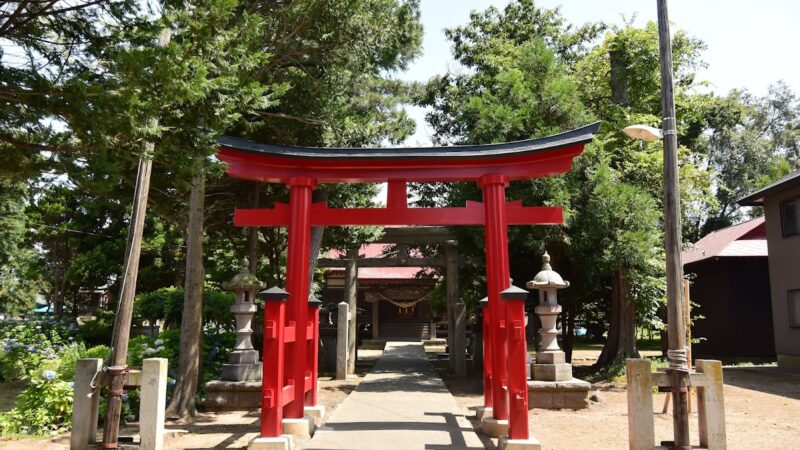
Complete Guide to Sanshinden Shrine (Tsugaru City, Aomori Prefecture) | History, Deities, Highlights, and Visiting Information
Sanshinden Shrine, located in Kizukuri Tanetori, Tsugaru City, Aomori Prefecture, is a historical shrine deeply connected to land reclamation during the Edo period. Built to pray for the success of large-scale agricultural development by the Tsugaru Domain, it continues to attract local worshippers. This article comprehensively introduces information useful for visiting Sanshinden Shrine, including its detailed history, enshrined deities, highlights within the grounds, and access methods.
History and Origins of Sanshinden Shrine
Founding and Beginning as a Local Guardian Deity
The founding of Sanshinden Shrine dates back to the early Edo period, specifically to Genna 1 (1615). Initially, it was established as the local guardian deity (ubusunagami) of the region and was called Hachiman-gu. A local guardian deity is a god who protects the people born in a particular land, and was an object of worship closely intertwined with the lives of the local residents.
At the time of its founding, Japan was in the early stages of the Tokugawa shogunate’s establishment, and new land development was progressing throughout the country. The Tsugaru region of Aomori Prefecture was no exception, and the expansion of agricultural production was considered key to regional development.
Development of the Three New Lands of Tsugaru and the Construction by Lord Nobumasa
The Sanshinden Shrine took its current form during the Enpo era (1673-1681). When Tsugaru Nobumasa, the 4th lord of the Hirosaki Domain (domain office: Hirosaki Castle), began the development of the Three New Lands of Tsugaru (Kizukuri Shinden, Kanagi Shinden, and Tawaramoto Shinden), he constructed the shrine using domain funds to pray for the success of the development and a bountiful harvest.
At this time, Lord Nobumasa is said to have invited the Inari Shrine and the Shinmei Shrine to be enshrined, and as the sacred object, he enshrined a small mirror shaped like a helmet crest, which had been secretly kept by the founder of the domain, Lord Tsugaru Tamenobu. This sacred object was a precious item symbolizing the history and authority of the Tsugaru domain and demonstrated a strong will to develop new rice fields.
The development of the three new rice fields in Tsugaru was a massive project that lasted approximately 30 years, but it was successfully completed, dramatically improving the agricultural productivity of the Tsugaru region. The Sanshinden Shrine became a spiritual pillar of this historical development project and came to be deeply revered by the local people.
Changes after the Meiji Era
With the arrival of the Meiji era, many shrines were forced to change due to the separation of Shinto and Buddhism and the establishment of the shrine ranking system. The Sanshinden Shrine was no exception, and was positioned within the modern shrine system. However, its role as a center of faith in the region remained unchanged and has been passed down to the present day.
Deities and Divine Virtues
Main Deities
The following deities are enshrined at Sanshinden Shrine:
- Inari Okami
- God of abundant harvests, business prosperity, and industrial development
- Enshrined as the guardian deity of Tsugaru Sanshinden, which was based on agriculture
- Amaterasu Omikami
- Japan’s highest deity, enshrined as a Shinto shrine
- Divine virtues of national peace and good fortune
- Hachiman Okami
- God of war, enshrined since the shrine’s founding
- Divine virtues of protection against evil and prayers for victory
Divine Virtues and Prayers
The following prayers are offered at Sanshinden Shrine:
- Abundant Harvest: As a shrine with a history of land reclamation, prayers are offered for the prosperity of agriculture
- Industrial Development: Development of local industries and business prosperity
- Good Fortune and Happiness: Bringing good fortune and happiness into one’s life
- Family Safety: Health and safety of the family
- Protection from Misfortune: Protection from disaster
Highlights of the Shrine Grounds
Features of the Shrine Architecture
The shrine, built by Tsugaru Nobumasa during the Enpo era, is a valuable cultural asset that preserves the architectural style of the mid-Edo period. The shrine features excellent carving techniques of the time, and the detailed decorations captivate visitors.
Particularly noteworthy are the wood carvings found in the worship hall and main hall. The delicate carvings of dragons, lions, flowers, and birds demonstrate the high level of craftsmanship in the Edo period.
Sacred Tree and Nature of the Shrine Grounds
Within the shrine grounds remains a large tree said to have been planted by Tsugaru Nobumasa himself. This giant tree, estimated to be over 300 years old, is a living witness that has watched over the history of the shrine. The nature within the shrine grounds, which changes its appearance with each season, provides peace of mind to visitors.
In spring, cherry blossoms bloom; in summer, deep green covers the grounds; in autumn, the autumn leaves are beautiful; and in winter, the snowscape creates a sacred atmosphere.
Sacred Object and Cultural Assets
As mentioned above, the small mirror with a crest from the helmet of Lord Tsugaru Tamenobu, enshrined as the sacred object, is a valuable item that tells the history of the Tsugaru domain. Although not usually on public display, its very existence enhances the shrine’s prestige and historical value.
Basic Information and Access to Sanshinden Shrine
Location and Contact Information
- Location: Kizukuri Tanetori, Tsugaru City, Aomori Prefecture
- Phone Number: Please contact the local tourism association for inquiries
- Admission Fee: Free
- Visiting Hours: Grounds are freely accessible (please check the shrine office’s operating hours)
Access Methods
Access by Train
- Approximately 15 minutes on foot from JR Gonō Line “Kizukuri Station”
- Kizukuri Station is known for its station building modeled after the Shakoki Dogu (goggle-eyed clay figurine) excavated from the Kamegaoka Ruins, and the station itself is a tourist spot.
Access by Car
- Approximately 40 minutes from Tohoku Expressway “Namioka IC”
- Approximately 20 minutes from Tsugaru Expressway “Goshogawara Kita IC”
- Parking: Parking space for visitors is available on the shrine grounds.
Best Season for Visiting
Sanshinden Shrine can be visited throughout the year, but the most recommended time is:
- Spring (April-May): Cherry blossom season, beautiful season of fresh greenery
- Autumn (September-October): Festival season, best time to see autumn leaves
- New Year’s Visit (January): Many worshippers visit to pray for the new year
Nearby Tourist Spots
Tsugaru City’s Historical and Cultural Facilities
Kamegaoka Stone Age Site
- Approximately 15 minutes by car from Sanshinden Shrine
- A late Jomon period site designated as a national historic site
- The site where the famous Shakoki Dogu (goggle-eyed clay figurine) was unearthed
Tsugaru City Jomon Dwelling Exhibition Museum (Karuko)
- A reconstructed Jomon period dwelling is on display
- Exhibits of unearthed artifacts and opportunities to learn about Jomon culture
Kizukuri Station
- Marked by a giant Shakoki Dogu monument
- A popular photo spot for social media
Nearby Shrines and Temples
Takayama Inari Shrine
- Approximately 30 minutes by car from Tsugaru City
- A popular shrine with beautiful thousand torii gates
- Divine blessings for abundant harvests and maritime safety
Joenji Temple
- A historical temple in Tsugaru City
- Preserves the Buddhist culture of the Tsugaru region
Iwakiyama Shrine
- The Ichinomiya (first-ranked shrine) of Tsugaru Province, located in Hirosaki City
- enshrines Mt. Iwaki, also known as Tsugaru Fuji, as its sacred object
- Many people visit this shrine along with Sanshinden Shrine
Nature and Leisure Spots
Jusanko Lake
- Approximately 30 minutes by car from Tsugaru City
- Famous as a clam producing area
- Known as a famous spot for sunsets
Bense Marsh
- A valuable raised bog
- Various marsh plants can be observed in early summer
Local Gourmet Information
Tsugaru City’s Specialty Dishes
Shijimi Ramen
- A local dish using clams from Jusanko Lake
- Offered at several restaurants in the city
Rockfish Dishes
- Dishes using fresh rockfish caught in the Sea of Japan
- Enjoy them simmered or as sashimi
Apple-Related Gourmet Food
- Sweets and dishes using apples, a representative fruit of Aomori Prefecture
- Apple pie and other apple-flavored treats are popular
Recommended Restaurants
There are many restaurants utilizing local ingredients scattered around Kizukuri Station and along the national highway. Why not enjoy the flavors of Tsugaru before or after your visit to the shrine?
Annual Events at Sanshinden Shrine
Annual Festival
Every autumn, the annual festival is held, where local people gather to give thanks for a bountiful harvest and pray for the prosperity of the region. The date of the festival may vary from year to year, so it is recommended to check in advance.
New Year’s Visit
Many worshippers visit the shrine for their first shrine visit of the new year. As the guardian deity of the region, it is bustling with people praying for good health and safety for their families throughout the year.
Points to Note and Manners When Visiting a Shrine
Basic Worship Etiquette
- When passing through the torii gate: Bow before entering the shrine grounds.
- Purification at the water basin: Purify your left hand, right hand, and mouth in that order.
- Worship at the main hall: Two bows, two claps, and one bow are the basic forms of worship.
- Behavior within the shrine grounds: Worship quietly and respectfully.
Photography
Photography is generally permitted within the shrine grounds, but please refrain from taking pictures inside the shrine buildings or in areas related to the sacred object. Also, please be considerate of other worshippers.
Attire
There are no specific dress code requirements, but please dress in clean and appropriate clothing, keeping in mind that this is a sacred place.
The Charm and Significance of Visiting Sanshinden Shrine
A Space Where History Can Be Felt
Sanshinden Shrine is deeply connected to the Tsugaru Sanshinden Development Project, an important historical project in the region. Standing within the shrine grounds, you can feel the wishes and efforts that the people of the Edo period poured into the development of the new rice fields. More than just a tourist spot, this is a valuable place where you can experience the history and culture of the region.
Center of Local Faith
Even now, more than 400 years after its founding, Sanshinden Shrine continues to function as the center of faith for the local residents. The sight of local people visiting daily and praying at important life events demonstrates that traditional Japanese faith culture is still alive today.
Harmony with Nature
The large trees and the changing seasons within the shrine grounds tell the story of the shrine’s existence in harmony with nature. The time spent calming the mind in the tranquil grounds, away from the hustle and bustle of the city, will be a valuable experience for modern people.
Pilgrimage Plan Combined with Tsugaru City Sightseeing
Half-Day Course
- Morning: Arrive at JR Kizukuri Station → Visit the station building → Visit Sanshinden Shrine
- Afternoon: Visit Kamegaoka Ruins → Tsugaru City Jomon Dwelling Exhibition Museum → Lunch (Clam Ramen)
Full-Day Course
- Morning: Visit Sanshinden Shrine → Visit Joenji Temple
- Lunch: Tsugaru cuisine at a local restaurant
- Afternoon: Visit Takayama Inari Shrine → Clam cuisine at Lake Jusan → Sunset viewing
Tsugaru Sightseeing Course (2 Days)
- Day 1: Hirosaki City (Iwakiyama Shrine, Hirosaki Castle) → Tsugaru City (Sanshinden Shrine) → Overnight Stay
- Day 2: Goshogawara City (Tachineputa Museum) → Lake Jusan → Fukaura Town (Spectacular View of the Sea of Japan)
Q&A for Visitors to Sanshinden Shrine
Q: Can I get a Goshuin (shrine stamp)?
A: We recommend checking with the shrine or the local tourism association in advance regarding the issuance of Goshuin. Since there may not always be a resident priest, it is advisable to contact them beforehand if you want to be sure to receive a Goshuin.
Q: Is there parking?
A: There is parking space for visitors on the shrine grounds. However, it may get crowded during events such as festivals, so please consider using public transportation.
Q: Is it possible to visit in winter?
A: The shrine grounds are open year-round, but winters in Aomori Prefecture bring heavy snowfall, so please be careful of your footing. Please prepare winter boots and warm clothing.
Q: Are amulets and votive tablets available?
A: Availability of these items depends on the opening hours of the shrine office. We recommend checking in advance if you want to be sure to obtain them.
Q: Are amulets and votive tablets available? Q: Is group worship possible?
A: Group worship is possible, but it’s best to contact us in advance if you are a large group. If you wish to have a special prayer, advance reservations are absolutely necessary.
Summary: The Value of Visiting Sanshinden Shrine
Sanshinden Shrine in Tsugaru City, Aomori Prefecture, is a center of local faith and culture, deeply connected to the historical project of the Tsugaru Sanshinden Development. With a history of over 400 years since its founding in the early Edo period, it strongly reflects the history of the Tsugaru region, including its construction by Tsugaru Nobumasa, the lord of the Tsugaru domain, and the sacred object associated with Tsugaru Tamenobu.
Large trees planted by Lord Nobumasa remain on the shrine grounds, and the changing seasons welcome visitors. It offers divine blessings for abundant harvests, industrial development, and good fortune, making it a valuable place of worship not only for local residents but also for tourists visiting Aomori Prefecture.
Tsugaru City also boasts many other attractive tourist spots, such as the Kamegaoka Ruins and Takayama Inari Shrine. Why not plan a trip exploring the history, culture, and nature of the Tsugaru region, starting with a visit to Sanshinden Shrine?
Its convenient location, just a 15-minute walk from Kizukuri Station, is another attractive feature. Spending time at this place of worship rooted in the Tsugaru land, reflecting on history and offering quiet prayers, will surely create unforgettable memories.