Kumano Okuteru Shrine (Hirosaki City, Aomori Prefecture) | A Thorough Explanation of the National Important Cultural Property Main Hall and its History
Kumano Okuteru Shrine, located in Tamachi, Hirosaki City, Aomori Prefecture, is an ancient shrine said to have been founded before the Common Era. Its main hall, rebuilt in 1613, is designated a National Important Cultural Property, making it a historically significant shrine. This shrine, which has walked hand-in-hand with the history of Hirosaki Castle town, has deep connections to the legend of Sakanoue no Tamuramaro’s conquest of the Emishi and to the lords of the Tsugaru domain, and is still deeply revered by the citizens of Hirosaki today.
This article provides a comprehensive explanation of the shrine’s charm, including its detailed history, the architectural style of its nationally designated Important Cultural Property main hall, visiting information, and surrounding tourist spots.
History and Origins of Kumano Okuteru Shrine
Ancient Founding Legends
According to shrine tradition, the founding of Kumano Okuteru Shrine dates back to the 67th year of Emperor Sujin’s reign (31 BC). It is said to have originally been founded in Okuozaki (near the present-day Kodomari district of Nakadomari Town, Kitatsugaru District), and its history may span over 2000 years.
In the 4th year of Empress Saimei’s reign (658 AD), Abe no Hirafu revered this shrine, and his deputy, Mononobe no Yasumaro, who came to Tsugaru to subdue the eastern barbarians, is said to have received a miraculous sign and built a shrine at the foot of Odayama, enshrining the Kumano Sanjo Daigongen. While records from this period are largely in the realm of legend, it suggests that the shrine was an important place of worship in the Tsugaru region from ancient times.
Relocation to Ogino-sho and the Legend of Sakanoue no Tamuramaro
In 788 AD (Enryaku 7), during the reign of Emperor Kanmu, Hiragasu-ō, said to be a descendant of Hirafu, carried the portable shrine from Okuozaki to Ogino-sho (near present-day Hirosaki City), marking the beginning of the shrine’s current location.
Furthermore, in 807 AD (Daidō 2), there is a legend that Sakanoue no Tamuramaro, famous as the Seii Taishogun (Commander-in-Chief of the Expeditionary Force Against the Barbarians), prayed at this shrine before his campaign against the Emishi. This legend is widely known in Hirosaki City, and the connection between Sakanoue no Tamuramaro and Kumano Okuteru Shrine is an important element that enhances the shrine’s historical authority. While Sakanoue no Tamuramaro’s expedition to Tohoku is a historical fact, his visit to this shrine is passed down as a legend.
Relationship with the Tsugaru Domain and the Edo Period
Kumano Okuteru Shrine was developed into its current form under the patronage of the Tsugaru Domain. In particular, the second lord of the domain, Tsugaru Nobuhira, rebuilt the main hall in 1613 and dedicated himself to the restoration of the shrine. This rebuilt main hall is the building that remains today as a nationally designated important cultural property.
Tsugaru Nobuhira is known as the lord who completed the construction of Hirosaki Castle and promoted the development of the castle town, and the reconstruction of Kumano Okuteru Shrine is positioned as part of that effort. Throughout the Edo period, Kumano Okuteru Shrine received protection from the Tsugaru domain and functioned as an important shrine in the Hirosaki castle town.
Architectural Style of the Nationally Designated Important Cultural Property: Kumano Okuteru Shrine Main Hall
Characteristics of the Three-Bay Nagare-zukuri Style and Kokera-buki Roof
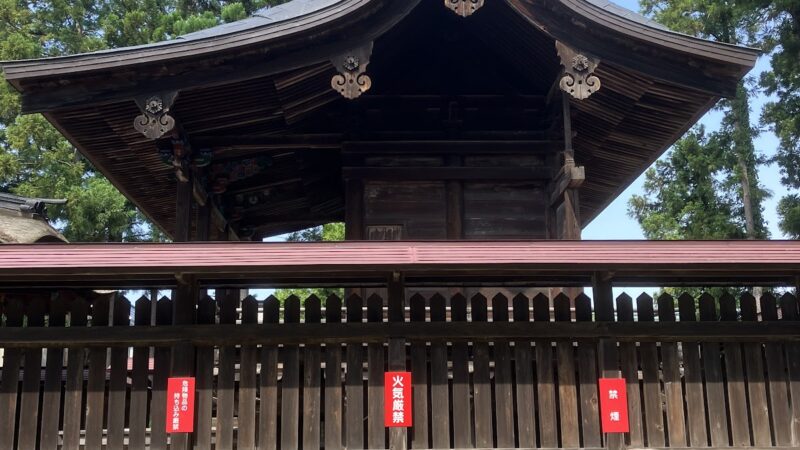
The Kumano Okuteru Shrine Main Hall was designated a national important cultural property on September 17, 1954. The architectural style is “Sangensha Nagare-zukuri, Kokera-buki,” a type of nagare-zukuri shrine with three bays (approximately 5.4 meters) between the pillars at the front.
Nagare-zukuri is one of the most common styles of Japanese shrine architecture, characterized by its long, extended roof that covers the portico. Kokera-buki is a traditional technique of layering thin wooden planks to create a graceful, curved roof.
The Beauty of Unpainted Wood Construction
One of the most distinctive features of the main hall of Kumano Okuteru Shrine is its “shiraki-zukuri” (unpainted wood construction). Shiraki-zukuri is an architectural method where the wood is left unpainted, showcasing its natural grain. The main hall, entirely constructed of unpainted wood, possesses a simple yet majestic atmosphere, exuding the natural texture of the wood and the deep colors that develop over time.
The choice of a simple, unadorned wooden structure, typical of the Keichō era (1596-1615), is thought to reflect the architectural philosophy of the transitional period from the Momoyama to the early Edo period.
Bracketing and Detail Techniques
The bracketing (kumimono) of the main hall is a structural element placed on top of the pillars to support the roof’s load, and it utilizes complex woodworking techniques. The bracketing of the Kumano Okuteru Shrine’s main hall clearly exhibits the characteristics of the Keichō era and is a valuable resource for understanding early Edo period architecture.
The details of the construction are also appropriate for the reconstruction period of Keichō 18 (1613), incorporating new techniques of the early Edo period while being influenced by architectural styles from the Muromachi to Momoyama periods. As an architectural structure exhibiting the characteristics of this transitional period, it is highly regarded in architectural history.
The Oldest Existing Wooden Structure in Hirosaki City
A ridge beam inscription remains in the main hall, clearly confirming that it was rebuilt in 1613 (Keicho 18). Based on this inscription, the main hall of Kumano Okuteru Shrine is considered the oldest existing wooden structure in Hirosaki City. Its continued resilience after approximately 410 years speaks to the high level of architectural technology of the time and the efforts of successive generations in its maintenance.
Grounds and Highlights of Kumano Okuteru Shrine
Worship Hall and Grounds Layout
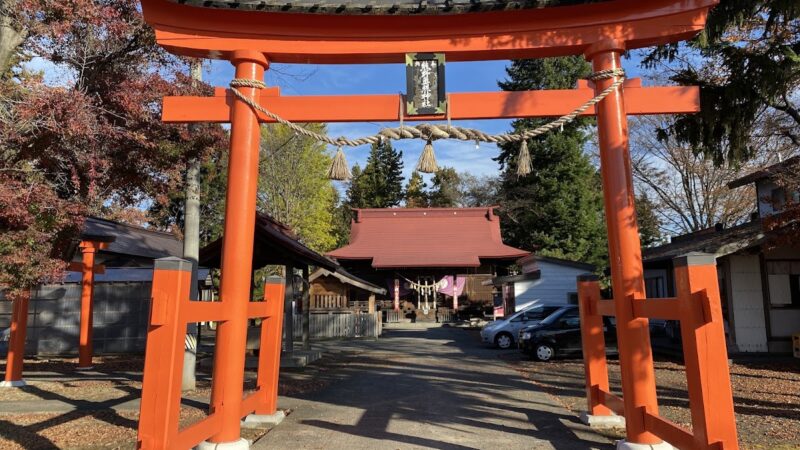
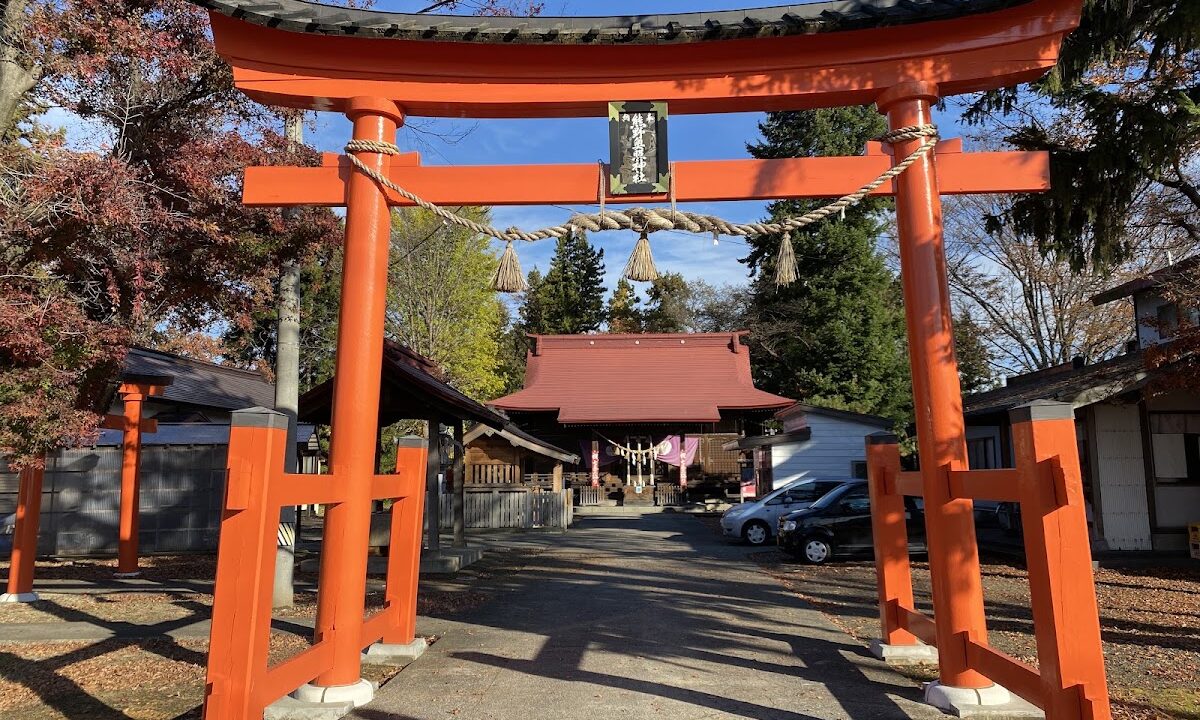
The first thing visitors see is the worship hall. Further inside from the worship hall is the main hall, designated as an Important Cultural Property. While the main hall is usually only open to the public from the outside, its majestic presence can be fully appreciated.
The shrine grounds are located in the city center at 4-1-1 Tamachi, Hirosaki City, but a tranquil atmosphere is maintained, creating a space that evokes a sense of history. Many of the trees on the shrine grounds are ancient, telling the story of the shrine’s long history.
Deities and Beliefs
The deities enshrined at Kumano Okuteru Shrine are the Kumano Sansho Daigongen, the gods of the three shrines: Kumano Hongu Taisha, Kumano Hayatama Taisha, and Kumano Nachi Taisha. Kumano faith spread throughout Japan from the Heian period onward, becoming intertwined with Shugendo (mountain asceticism) and permeating among the common people.
As a central shrine of Kumano faith in the Tsugaru region, Kumano Okuteru Shrine has attracted the faith of local people. Even today, many worshippers visit for New Year’s prayers and various other prayers.
About Goshuin (Shrine Seals)
Goshuin (shrine seals) are available at Kumano Okuteru Shrine. For those who enjoy visiting shrines or collecting goshuin, the goshuin from this historic shrine, which boasts a main hall designated as a National Important Cultural Property, will be a valuable item. If you wish to receive a goshuin, please inquire at the shrine office.
Visiting Information and Access
Basic Information
Location: 4-1-1 Tamachi, Hirosaki City, Aomori Prefecture
Visiting Hours: 9:00 AM – 5:00 PM
Closed Days: Open every day
Admission Fee: Free
Inquiries: Kumano Okuteru Shrine TEL 0172-32-7663
Access
Access by Train
Approximately 10 minutes by car or 25-30 minutes on foot from JR Hirosaki Station.
Access by Bus
Take a Konan Bus from Hirosaki Station Bus Terminal and get off at the “Tamachi” bus stop. Approximately 3 minutes on foot. The 100-yen bus (Dotemachi Loop Bus) circulating within Hirosaki city is also available.
Access by Car
Approximately 20 minutes from the Tohoku Expressway Owani-Hirosaki Interchange. There is some parking space around the shrine, but the number of spaces is limited, so we recommend considering using public transportation.
Notes for Visitors
The main hall is a nationally designated important cultural property, so only the exterior is open to the public. Please cooperate in protecting the building and refrain from entering restricted areas. Photography is permitted, but please be considerate of other visitors.
Tourist Attractions Around Kumano Okuteru Shrine
Hirosaki Castle and Hirosaki Park
Hirosaki Castle, located about a 15-minute walk from Kumano Okuteru Shrine, is a nationally designated important cultural property known as the residence of the Tsugaru clan. Hirosaki Castle’s keep is one of the 12 remaining original castle keeps, and Hirosaki Park is nationally famous as a cherry blossom viewing spot, with approximately 2,600 cherry trees blooming in spring.
Visiting Hirosaki Castle, completed by Tsugaru Nobuhira who rebuilt the main hall of Kumano Okuteru Shrine, together with Kumano Okuteru Shrine will allow you to gain a deeper understanding of the history of the Tsugaru clan.
Hirosaki City Nakamachi Traditional Buildings Preservation District
The Nakamachi district, located north of Hirosaki Castle, preserves a historical townscape lined with samurai residences. Numerous facilities offering glimpses into the lives of samurai during the Edo period are scattered throughout the area, including the Ishiba Residence, the former Ito Residence, and the former Umeda Residence.
Iwakiyama Shrine
Located at the foot of Mount Iwaki, a sacred mountain known as “Tsugaru Fuji,” approximately 30 minutes by car from Hirosaki city center, Iwakiyama Shrine is another important shrine in the Tsugaru region, alongside Kumano Okuteru Shrine. Five buildings, including the main hall, worship hall, and gate tower, are designated as important national cultural properties, making it an essential shrine for understanding Tsugaru’s religious culture.
If time permits, visiting both Kumano Okuteru Shrine and Iwakiyama Shrine allows for a deeper understanding of the history of shrine architecture and faith in the Tsugaru region, through comparative study.
Hirosaki City Tourist Information Center
Located midway between Hirosaki Station and Hirosaki Castle, the Hirosaki City Tourist Information Center offers comprehensive information on Hirosaki’s history, culture, and tourism. It also displays materials about Kumano Okuteru Shrine, making a visit before your visit a valuable opportunity to deepen your understanding.
The Cultural Value of Kumano Okuteru Shrine
Its Place in Architectural History
The main hall of Kumano Okuteru Shrine, built in 1613 (Keicho 18), is a valuable historical document illustrating the transition in architectural styles from the Momoyama period to the Edo period. While employing a simple, unpainted wooden construction method, the details, such as the joinery, showcase advanced techniques, demonstrating the high skill of the master carpenters of the time.
It is one of the oldest shrine buildings in Aomori Prefecture and holds an important position in the study of the history of shrine architecture in the Tohoku region.
Significance as a Local Cultural Asset
As the oldest existing wooden structure in Hirosaki City, the main hall of Kumano Okuteru Shrine symbolizes the history and culture of the region. Its history, maintained under the patronage of the Tsugaru clan, reflects a part of Hirosaki’s castle town culture.
Currently, this shrine, protected as a cultural asset while still attracting the faith of local residents, can be considered a valuable “living cultural asset” that should be passed on to future generations.
Annual Events of Kumano Okuteru Shrine
Annual Grand Festival
Every year, Kumano Okuteru Shrine holds its annual grand festival. Local parishioners and devotees gather to preserve the shrine’s history and traditions. During the grand festival, a solemn atmosphere, different from the usual, permeates the area, allowing one to strongly feel the religious aspect of the shrine.
New Year’s Visit and Seasonal Festivals
Many worshippers visit the shrine for their first shrine visit of the new year, praying for good health and safety for their families throughout the year. Furthermore, seasonal festivals such as Setsubun (bean-throwing festival) and Shichi-Go-San (children’s festival) are held, fulfilling its role as a shrine deeply rooted in the community.
Recommended Points When Visiting Kumano Okuteru Shrine
Observing Architectural Details
While only the exterior of the main hall, a nationally designated Important Cultural Property, is open to the public, you can closely observe the beauty of its unpainted wood construction, the intricate craftsmanship of the joinery, and the shingle roof, showcasing early Edo period architectural techniques. Those interested in architecture should definitely pay close attention to the details.
A Peaceful Visit
Despite its location in the city center, the shrine grounds maintain a tranquil atmosphere. Especially in the early morning and on weekday mornings, there are few visitors, allowing you to visit and reflect on history at your own pace.
As Part of Hirosaki Sightseeing
Hirosaki City is dotted with many historical buildings, including Hirosaki Castle, samurai residences, and Western-style buildings. Incorporating Kumano Okuteru Shrine into your Hirosaki sightseeing itinerary will allow you to gain a deeper understanding of Tsugaru’s history and culture.
Summary: The Charm of Kumano Okuteru Shrine
Kumano Okuteru Shrine is an ancient shrine with a founding tradition dating back to before the Common Era. It possesses multifaceted historical value, including the legend of Sakanoue no Tamuramaro, the patronage of the Tsugaru feudal lords, and its main hall, a nationally designated Important Cultural Property.
The main hall, rebuilt in 1613 (Keicho 18), is the oldest wooden structure in Hirosaki City, and has maintained its beautiful form for approximately 410 years. Its traditional architectural style—three-bay nagare-zukuri style with shingle roofing—and the early Edo period joinery and detailed techniques are highly valued as valuable historical materials.
Despite being located in the urban area of Tamachi, Hirosaki City, a tranquil atmosphere permeates the shrine grounds, offering visitors a sense of historical weight and spiritual peace. Visiting it in conjunction with nearby historical spots such as Hirosaki Castle and samurai residences will allow you to experience the history and culture of Tsugaru more deeply.
When you visit Hirosaki City in Aomori Prefecture, be sure to stop by Kumano Okuteru Shrine and experience the solemn atmosphere of this ancient shrine with a history of over 2,000 years, as well as the beauty of its main hall, a nationally designated important cultural property.