
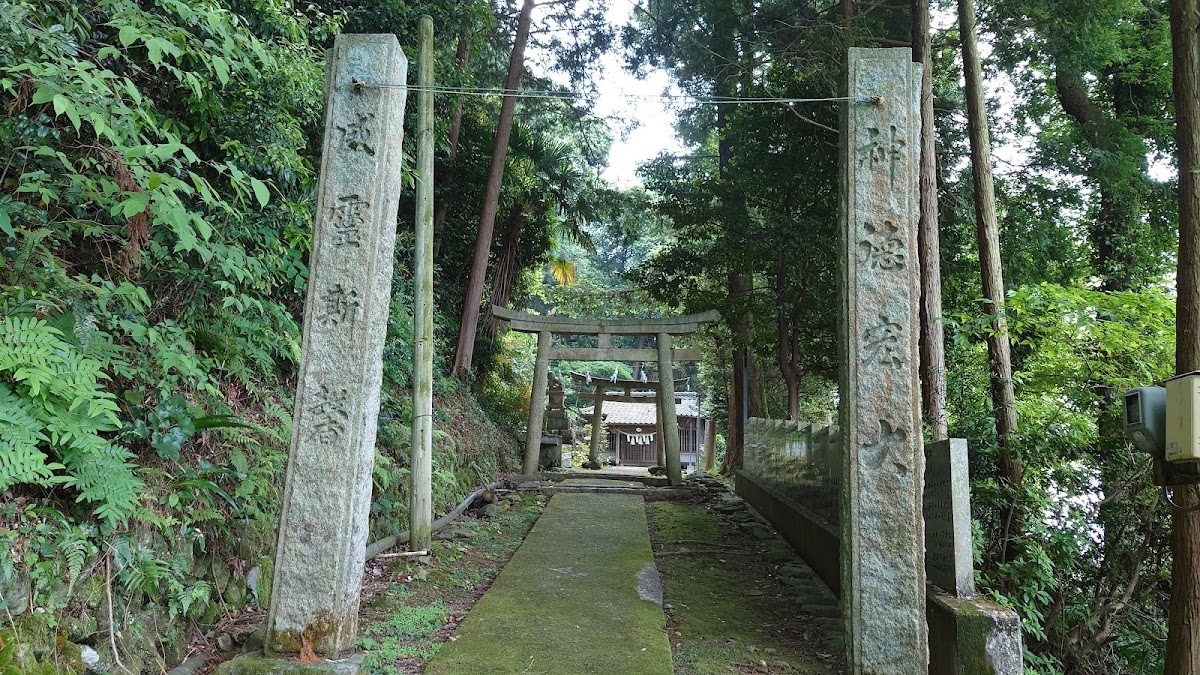
Niitaka Shrine (Toon City, Ehime Prefecture) Complete Guide | A Healing Power Spot Woven with a Wind Chime Corridor and Sacred Tree
Nitaka Shrine, located in Minamikata, Toon City, Ehime Prefecture, is a historical shrine deeply rooted in the community, but in recent years it has also attracted attention as a photogenic spot with its wind chime corridor and water fortune-telling. This article provides detailed information useful for those considering visiting Niitaka Shrine, including its history, highlights within the grounds, access methods, and prayer information.
Basic Information on Niitaka Shrine
Nitaka Shrine is a shrine belonging to the Ehime Prefectural Shrine Association and has been revered by the local people as the guardian deity of the Minamikata district of Toon City. Although located in a quiet residential area, the shrine grounds retain abundant nature, providing healing and peace to visitors.
Location and Access
Address: Minamikata, Toon City, Ehime Prefecture
Access to Niitaka Shrine is convenient by private car. Shintaka Shrine is located approximately 30 minutes by car from the center of Matsuyama City and about 15 minutes from the Kawauchi Interchange on the Matsuyama Expressway. If using public transportation, the nearest station is Minara Station on the Iyo Railway Yokogawara Line, but it’s about a 20-minute walk from the station, so taking a taxi is recommended.
Parking Information
Shintaka Shrine has a parking lot for visitors. There is space for about 10 regular-sized cars, and it is free of charge. However, congestion is expected during peak seasons such as the summer wind chime corridor event and New Year’s visits, so it is recommended to visit with plenty of time to spare. If you have difficulty finding the parking lot, it is a good idea to inquire by phone in advance.
Reception Hours and Prayer Services
The reception hours for the Shintaka Shrine office are generally from 9:00 AM to 5:00 PM. However, the chief priest may not always be present, so if you wish to receive prayers or amulets, it is strongly recommended that you contact the shrine by phone in advance before visiting.
We offer various types of prayers, including prayers for protection from evil, family safety, business prosperity, traffic safety, and safe childbirth. Prayer fees vary depending on the type of prayer; please contact the shrine directly for details.
History and Deities of Shintaka Shrine
While the exact founding date of Shintaka Shrine is unclear, old local records indicate it is a venerable shrine with a history spanning several hundred years. As the tutelary deity of the Minamikata district of Toon City, it has been revered by local residents.
Deities Enshrined
Details regarding the deities enshrined at Shintaka Shrine are recorded in the records of the Ehime Prefectural Shrine Association. As guardian deities of the region, they have long been closely intertwined with the lives of the residents.
Fulfilling its role as a tutelary deity, Shintaka Shrine has been revered across generations as a place to watch over the growth of local children and pray for the safety and prosperity of families.
Relationship with Surrounding Shrines
In addition to Shintaka Shrine, many other shrines are located in Toon City and the surrounding area. Nakano Shrine, Takachi Shrine, Yamashiro Shrine, and others are all important institutions that convey the history and culture of the region. These shrines are managed by the Ehime Prefectural Shrine Association and form a regional faith network.
Highlights of Shintaka Shrine
The charm of Shintaka Shrine lies in its grounds, where traditional shrine architecture and modern touches are harmoniously blended. Especially during the summer, a wind chime corridor is set up, attracting many visitors.
The Charm of the Wind Chime Corridor and Wind Chime Shelves
One of the biggest highlights of Shintaka Shrine is the wind chime corridor, which is set up only during the summer. Colorful wind chimes are hung from shelves set up on the shrine grounds, creating a refreshing sound with every breeze.
The wind chime corridor is not merely decorative; it is installed with the intention of allowing visitors to feel cool and calm their minds. The reason for decorating with wind chimes was the chief priest’s desire to make visits to the shrine more pleasant, even during the hot summer months.
The sound of wind chimes has long been a beloved symbol of Japanese summer, and it’s even said that listening to them lowers the perceived temperature. At Shintaka Shrine’s wind chime corridor, the sight of hundreds of wind chimes ringing simultaneously is breathtaking and has become a popular spot for social media photos.
Summer-Only Water Fortune Telling
Alongside the wind chime corridor, water fortune telling is another attraction that adds to the summer atmosphere of Shintaka Shrine. At first glance, they look like ordinary fortune slips, but when dipped in water, the characters appear, offering visitors both enjoyment and surprise.
The water fortune telling was introduced at the same time as the wind chime corridor as a way to evoke a sense of coolness. After drawing a fortune slip, dipping it in the water basin provided on the shrine grounds allows the fortune and messages from the gods to gradually appear, providing an enjoyable experience for both children and adults.
The Sacred Tree and its Divine Power
Within the grounds of Shintaka Shrine stands a magnificent sacred tree, estimated to be several hundred years old. This tree has watched over the community for centuries, and it serves as a sacred place where many worshippers offer their prayers.
At the base of the sacred tree is a stone deity called “Ubusuna-sama.” Symbolizing the local guardian deity, this stone is especially cherished by locals as a place to pray for the healthy growth of children born in the area.
The Auspiciousness of the Intertwined Branches
The branches of the sacred tree exhibit a rare phenomenon called “intertwined branches.” These branches are a phenomenon where branches from separate trees merge and become one, considered an extremely rare natural miracle.
Since ancient times, intertwined branches have been considered a symbol of marital harmony and matchmaking, and the intertwined branches at Shintaka Shrine are known as a power spot for matchmaking. Many couples and married couples visit, praying for the deepening of their bond. ### Search for the Hidden Crabs
Within the grounds of Shintaka Shrine, there is a unique attraction called the “Hidden Crabs.” This involves hidden crab sculptures and decorations somewhere on the grounds, offering visitors the fun of searching for them as they explore.
There’s a legend that finding a Hidden Crab brings good fortune, making it especially popular with children. By carefully observing the grounds while praying, you can notice the beauty and ingenuity of details that you might normally overlook.
Annual Events and Festivals at Shintaka Shrine
Shintaka Shrine holds various festivals throughout the year. These festivals play an important role in preserving local traditions and strengthening community bonds.
Main Annual Events
New Year’s Day Festival (January 1st): A festival celebrating the start of the new year and praying for peace and prosperity throughout the year. Many worshippers visit for their first shrine visit of the year.
Spring Festival: A festival celebrating the arrival of spring and praying for a bountiful harvest and the safety of the community. Summer Purification Ceremony (end of June): A Shinto ritual to cleanse away the sins and impurities accumulated over the past six months. A ritual involving passing through a ring of reeds may also be performed.
Autumn Grand Festival: One of the most important festivals of the year, sometimes featuring a portable shrine procession and offering ceremonies.
Year-End Purification Ceremony (end of December): A Shinto ritual to conclude the year, cleansing away sins and impurities to welcome the new year with a fresh start.
For detailed schedules and information on festivals, we recommend using the festival search function on the Ehime Prefecture Shrine Association website or contacting the shrine directly.
Other Power Spot Shrines in Ehime Prefecture
When visiting Shintaka Shrine, why not also visit other shrines in Ehime Prefecture?
Takaoshihime Shrine
Located in Masaki-cho, Iyo-gun, Takaoshihime Shrine is the only shrine in Japan that enshrines Takaoshihime-no-Mikoto as its principal deity. As the ancestral deity of midwives and wet nurses, it is revered by midwives and educators throughout Japan.
It is famous as a deity of safe childbirth, child-rearing, matchmaking, fertility, protection from evil, and good fortune, attracting many worshippers from all over Japan, not just Ehime Prefecture. It is especially recommended for those seeking prayers for safe childbirth or fertility.
Ishizuchi Shrine
Ishizuchi Shrine, with Mount Ishizuchi, the highest peak in western Japan, as its sacred object, is a representative sacred site of Ehime Prefecture. It consists of three shrines: the main shrine, the Chugu Jojusha, and the Chojosha, and has long been a place of worship for Shugendo practitioners.
Isaniwa Shrine
Located near Dogo Onsen in Matsuyama City, Isaniwa Shrine boasts a beautiful Hachiman-style shrine building designated as a National Important Cultural Property. The vermilion-lacquered shrine, reached after climbing 135 stone steps, is truly impressive.
Points to Note and Manners When Visiting Shintaka Shrine
There are basic manners to observe when visiting a shrine. Please pay attention to the following points for a pleasant visit.
Proper Worship Etiquette
- Bow Before the Torii Gate: Before entering the shrine grounds, bow before the torii gate.
- Purify at the Water Basin: Purify your hands and mouth at the water basin.
- Walking Along the Path: The center of the path is considered the path of the gods, so walk along the sides.
- Worship at the Main Hall: Two bows, two claps, and one bow are the basic forms of worship.
Regarding Photography
There are many photogenic spots within the shrine grounds, such as the wind chime corridor, but please be considerate of other visitors when taking photos. Also, please check the signs as there are areas where photography is prohibited, such as inside the main hall.
Regarding Attire
There are no specific dress code requirements, but please dress appropriately as this is a sacred place. If you are receiving prayers, it is advisable to wear attire that is not too casual.
Tourist Attractions Around Shintaka Shrine
When visiting Shintaka Shrine, you can also enjoy the surrounding tourist attractions.
Attractions in Toon City
Toon City has various tourist resources, including hot spring facilities and nature parks. Relaxing in a hot spring after your visit is highly recommended.
Gourmet Information
There are many restaurants using local ingredients around Toon City. Try to find restaurants that serve dishes using Ehime’s unique citrus fruits or fresh seafood.
About the Ehime Prefectural Shrine Association
Shintaka Shrine belongs to the Ehime Prefectural Shrine Association. The Ehime Prefectural Shrine Association is an organization that oversees approximately 1,240 shrines in the prefecture, managing them, training Shinto priests, and ensuring the continuation of religious rites.
Ehime Prefecture has the 29th largest number of shrines in Japan, with numerous shrines scattered throughout the prefecture that convey local history and culture. The Ehime Prefectural Shrine Association website provides information on shrines and allows you to search for festivals, making it convenient when planning a shrine visit.
How to Contact Shintaka Shrine
For detailed information about Shintaka Shrine, including prayer reservations and festival schedules, it is recommended to contact the shrine directly by phone. Calling during business hours (approximately 9:00 AM to 5:00 PM) will ensure a smoother response.
Basic information can also be found on the Ehime Prefectural Shrine Association website.
Summary: Experience the Charm of Shintaka Shrine
Located in Minami-cho, Toon City, Ehime Prefecture, Shintaka Shrine is a fascinating shrine where tradition and innovation harmonize. While boasting centuries-old sacred trees and a long history as a local tutelary shrine, this shrine delights visitors with modern touches such as a summer wind chime corridor and water fortune-telling.
The shrine grounds are full of delightful discoveries, including intertwined branches and hidden crabs, ensuring that you’ll find new charms with every visit. Parking is available, making access relatively easy.
Besides Shintaka Shrine, Ehime Prefecture has many other power spots, such as Takanohime Shrine and Ishizuchi Shrine. Why not experience Ehime’s history, culture, and natural beauty through a shrine pilgrimage?
When visiting, please confirm reception hours and prayer reservations by phone in advance, and observe proper shrine etiquette for a pleasant visit. We hope that your soul-cleansing experience at Shintaka Shrine will have a positive impact on your life.

