
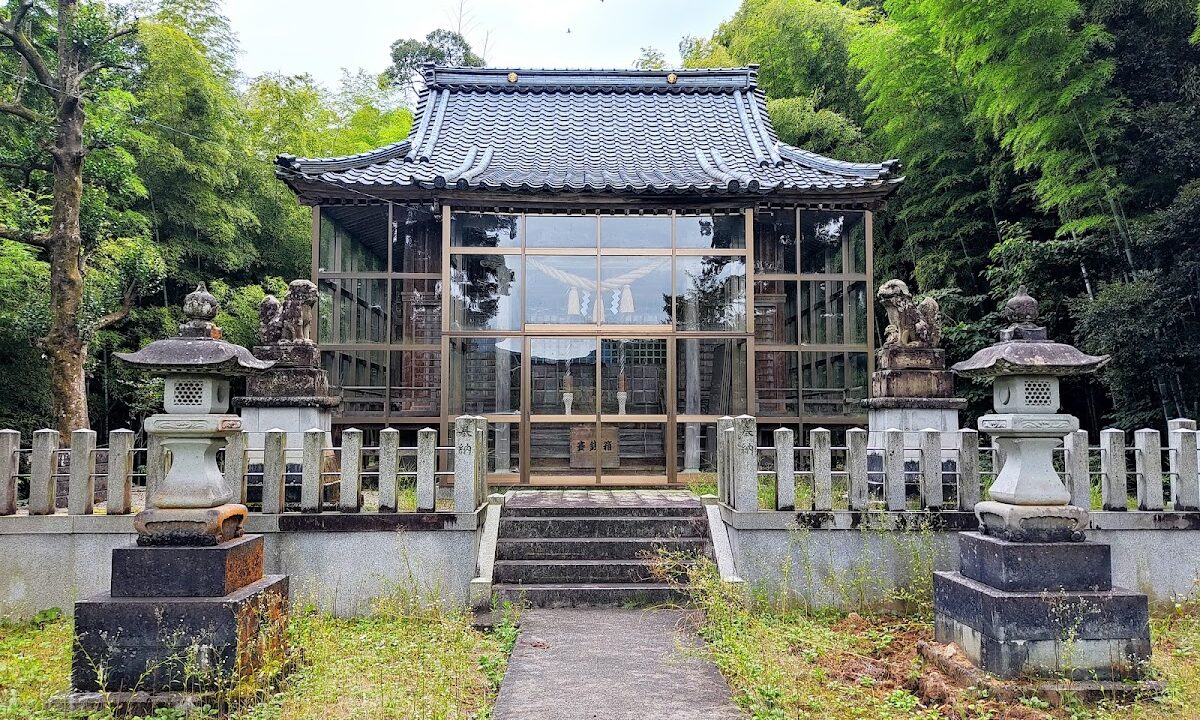
Aratani Shrine (Fukui City) Complete Guide | Thorough Explanation of Deities, Blessings, Access, and History
Aratani Shrine, located in Aratani-cho, Fukui City, Fukui Prefecture, is a historic shrine that has been revered by local residents for many years. This article provides a detailed explanation of everything you need to know before visiting, from the deities enshrined at Aratani Shrine, its blessings, access methods, historical background, and highlights of the shrine grounds.
Basic Information about Aratani Shrine
Shrine Overview
Aratani Shrine is located in Aratani-cho, Fukui City, and has long been cherished by local people as the guardian deity of the region. The shrine grounds, nestled in a quiet residential area, offer a tranquil atmosphere away from the hustle and bustle of the city, providing a peaceful space for worship.
Basic Data
- Location: Aratani-cho, Fukui City, Fukui Prefecture
- Shrine Rank: Village Shrine
- Annual Festival Day: Local festivals are held throughout the year
- Parking: Parking is available for visitors around the shrine grounds
- Visiting Hours: Open all day (Please check the shrine office’s operating hours)
Deity and Divine Virtues
The deity enshrined at Aratani Shrine is worshipped as the guardian deity of the region and is believed to possess the following divine virtues:
Main Benefits
- Family Safety: Protection of family health and peace
- Abundant Harvest: Prayers for agricultural prosperity and bountiful harvests
- Regional Peace and Security: Safety and development of the entire region
- Protection from Misfortune and Bringing Good Fortune: Warding off disasters and inviting good fortune
- Business Prosperity: Success in business and business prosperity
As the local guardian deity, this shrine is visited by many people who come to pray at important life events and to express their daily gratitude.
History and Origins of Aratani Shrine
History of Founding
While there are no clear records regarding the founding date of Aratani Shrine, based on local elders’ traditions and the surrounding historical background, it is believed to have existed as a center of local faith since ancient times.
The Aratani-cho area of Fukui City has long been a settlement centered on agriculture, and Aratani Shrine has been enshrined as the guardian deity of this settlement. As a place of worship closely intertwined with the lives of local residents, it has a history of being carefully preserved across generations.
Connection with the Community
Aratani Shrine is not merely a religious facility, but has functioned as a central presence in the local community.
Traditional Events and Festivals
Various Shinto rituals and festivals are held throughout the year, providing opportunities for local residents to gather together. Especially during the annual festival, many people, from children to the elderly, gather, making it an important occasion for passing on traditions to the next generation.
Activities of the Parishioners’ Organization
The local parishioners’ organization plays a central role in the maintenance and management of the shrine and the operation of festivals. The fact that the shrine is protected through the cooperation of local residents in activities such as cleaning and maintaining the grounds demonstrates the strong bonds of the community.
Highlights of the Shrine Grounds
Shrine Architecture
Aratani Shrine’s buildings maintain the style of traditional shrine architecture while being adapted to the local climate and environment. Both the main hall and the worship hall are meticulously maintained, and their serene presence, welcoming visitors quietly, is impressive. Architectural Features
- A warm atmosphere created by wooden construction
- A structure designed with consideration for the climate unique to the Hokuriku region
- Maintained in good condition through regular maintenance
Natural Environment of the Temple Grounds
The temple grounds feature trees and flowers that display different expressions with each season, allowing visitors to enjoy the beauty of nature throughout the year.
Spring: New greenery sprouts, and refreshing air envelops the grounds.
Summer: The grounds, covered in deep green, provide cool shade.
Autumn: Autumn leaves color the grounds, creating a richly atmospheric landscape.
Winter: The snow-covered grounds are enveloped in a tranquil and sacred atmosphere.
Water Basin and Worship Etiquette
A water basin is provided on the temple grounds for purifying oneself before worship. When worshipping, please purify your mind and body according to the following etiquette before proceeding to the main hall.
Correct Hand-Washing Etiquette
- Take the ladle with your right hand and wash your left hand.
- Switch the ladle to your left hand and wash your right hand.
- Switch the ladle back to your right hand, receive water in your left hand, and rinse your mouth.
- Wash your left hand again.
- Hold the ladle upright, wash the handle, and return it to its original position.
Access and Surrounding Information
Access by Public Transportation
Using Trains and Buses
The following routes are convenient for accessing Aratani Shrine by public transportation.
- From JR Fukui Station:
- Take a bus from Fukui Station
- Take a bus bound for Aratani-cho
- A few minutes’ walk from the nearest bus stop
- Using Echizen Railway:
- Travel on foot or by bus from the nearest station
- The journey takes approximately 15-20 minutes from the station
*Please note that bus service and timetables may vary depending on the season and day of the week. Please check the latest information beforehand.
Access by Car
Visiting by Car
Visiting by private car is also possible. Access is available from central Fukui City via national and prefectural roads.
- From central Fukui City: Approximately 15-20 minutes by car
- From Fukui Interchange on the Hokuriku Expressway: Approximately 20-25 minutes by car
- Parking: Parking spaces are available for visitors around the shrine grounds (spaces are limited, so using public transportation is recommended during festivals)
Car Navigation Settings
- Address Search: Search for “Aratani-cho, Fukui City, Fukui Prefecture”
- Referencing nearby landmarks and intersections will make it easier to find the shrine.
Nearby Tourist Attractions
After visiting Aratani Shrine, there are also the following tourist attractions nearby.
Major Tourist Attractions in Fukui City
- Fukui Castle Ruins: Castle ruins where you can feel the history of the Fukui Domain
- Yokokan Garden: A beautiful Japanese garden designated as a National Place of Scenic Beauty
- Ichijodani Asakura Clan Ruins: Ruins of a castle town from the Sengoku period
- Asuwayama Park: A place of relaxation for citizens known for its cherry blossoms
- Fukui Prefectural Dinosaur Museum: One of the world’s leading dinosaur museums (Katsuyama City)
Manners and Etiquette for Visiting Shrines
Basic Etiquette for Visiting Shrines
There are customs for visiting shrines that have been passed down since ancient times. Please observe the following basic manners when visiting Aratani Shrine.
How to Pass Through a Torii Gate
- Bow before passing through the torii gate.
- Walk along the edge of the path, as the center is considered the path of the gods.
- When leaving, turn around and bow after exiting the torii gate.
Etiquette at the Worship Hall (Two Bows, Two Claps, One Bow)
- Gently place your offering in the offering box.
- If there is a bell, ring it.
- Bow deeply twice (Two Bows).
- Clap twice at chest height (Two Claps).
- Pray sincerely.
- Finally, bow deeply once (One Bow).
Clothing and Items to Bring When Visiting a Shrine
Appropriate Attire
No special formal attire is required, but it is desirable to wear clothing that reflects the sacred nature of the place.
- Clean and presentable attire
- Avoid excessive exposure
- Remove hats and sunglasses within the shrine grounds
- Formal attire is preferable if receiving prayers
Items that are helpful to bring
- Offering money (small change is convenient)
- Goshuincho (stamp book) (if you wish to receive a Goshuin stamp)
- Camera (for commemorative photos in areas where photography is permitted within the shrine grounds)
- Handkerchief or towel (after using the purification fountain)
Annual Events and Festivals
Main Annual Events
Aratani Shrine holds various Shinto rituals and festivals throughout the year.
Spring Events
- Spring Festival: Prayers for a bountiful harvest and peace in the community
- Prayer for a Harvest Festival: An important Shinto ritual praying for a good harvest that year
Summer Events
- Summer Purification Ceremony: A Shinto ritual to cleanse away the impurities accumulated over the past six months
- Summer Festival: A summer tradition where local residents gather
Autumn Events
- Autumn Festival: A festival to express gratitude for the harvest
- Niiname-sai (Harvest Festival): A Shinto ritual to offer the new harvest to the gods
Winter Events
- Year-End Purification Ceremony: A Shinto ritual to cleanse away the impurities accumulated over the year
- New Year’s Day Festival: The first shrine visit of the new year
Local Traditional Events
The local traditional events centered around Aratani Shrine are a valuable cultural heritage that has been passed down through generations. Through these events, community bonds are deepened, and traditions are passed down to the next generation.
Goshuin (Shrine Seals) and Souvenirs
About Goshuin
You may be able to receive a Goshuin at Aratani Shrine. Goshuin are popular as proof of worship and as a tangible memento of your connection with the shrine.
Manners for Receiving a Goshuin
- Always complete your worship before going to the shrine office.
- Open your Goshuin book and hand it over.
- Prepare the offering fee (approximately 300-500 yen).
- Wait quietly while the Goshuin is being written.
- Express your gratitude upon receiving it.
*It is recommended to check the shrine office’s opening hours and whether they offer Goshuin in advance.
Amulets and Souvenirs
Shrines often offer a variety of amulets and souvenirs.
Common Amulets Offered
- Traffic Safety Amulet: Prayers for safe driving and cycling
- Family Safety Amulet: Prayers for the health and peace of the family
- Academic Success Amulet: Prayers for academic improvement
- Exorcism Amulet: For those in their unlucky year or those seeking protection from misfortune
- Safe Childbirth Amulet: Prayers for safe childbirth for pregnant women
Prayers and Supplications at Aratani Shrine
About Various Prayers
Aratani Shrine may accept prayers and supplications for various milestones in life and for specific wishes.
Main Types of Prayers
- First Shrine Visit for a Newborn: Praying for the healthy growth of the baby
- Shichi-Go-San (7-5-3 Festival): Celebrating the child’s growth and praying for their future health
- Exorcism Prayer: Praying for protection from misfortune during the unlucky year
- Family Safety: Praying for the health and peace of the family
- Business Prosperity: Praying for the development and prosperity of the business
- Traffic Safety: Praying for the blessing of the car and safe driving
How to Apply for a Prayer
If you wish to have a prayer performed, we recommend contacting the shrine office in advance to make a reservation.
Flow of the Prayer Ceremony
- Arrive a little before your scheduled time.
- Complete registration at the shrine office.
- Pay the offering fee.
- Receive the prayer ceremony at the main hall or worship hall.
- Receive a talisman or amulet.
The Role of Aratani Shrine in the Community
As the Center of the Community
Aratani Shrine is not merely a religious facility; it plays a vital role as the core of the local community.
Social Functions
- Place for Intergenerational Exchange: Interaction among young and old through festivals and cleaning activities.
- Inheritance of Traditional Culture: Passing on Japanese traditional culture to the next generation through Shinto rituals and customs.
- Regional Identity: A place to strengthen the sense of belonging among local residents.
- Disaster Prevention Base: Also functions as a meeting place in emergencies.
Significance in Modern Times
In today’s increasingly urbanized society, local shrines like Aratani Shrine play a crucial role in maintaining the fading bonds of community.
A Spiritual Sanctuary
In our busy daily lives, shrines are precious spaces for modern people, offering a quiet place to reflect and find peace of mind. The tranquil grounds of Aratani Shrine provide visitors with a sense of peace.
Voices and Experiences of Visitors
Thoughts of Local Residents
Aratani Shrine holds a special place in the hearts of local residents. The grounds, familiar since childhood, have become a place of cherished memories for many.
Faith Across Generations
As a place for family New Year’s visits, a location for commemorative photos at Shichi-Go-San and Coming-of-Age ceremonies, and a place visited at various milestones in life, Aratani Shrine has been an integral part of the lives of local people.
Visitor Impressions
Visitors from outside the region can also feel the calm atmosphere and the warmth of the community at Aratani Shrine.
A Quiet Worship Environment
The charm lies in the relaxed worship experience offered by this unpretentious shrine, which hasn’t been commercialized for tourism. By catching a glimpse of the everyday places of worship of the local people, you can touch upon the essence of Japanese shrine culture.
Surrounding History and Culture
History of Aratani Town
The area around Fukui City, including Aratani Town, has flourished since ancient times as the center of Echizen Province.
Historical Background
- From ancient to medieval times, this region formed settlements centered on agriculture.
- During the Sengoku period, it was under the rule of the Asakura clan.
- During the Edo period, it developed as part of the Fukui Domain.
- Since the Meiji era, it has preserved its traditions while transforming amidst the wave of modernization.
Culture and Beliefs of Fukui
Fukui Prefecture is a region where Buddhist culture, including Jodo Shinshu Buddhism, is deeply rooted, while shrine worship is also thriving.
Tradition of Shinto-Buddhist Syncretism
Like many regions in Japan, Fukui has fostered a unique faith culture that fuses Shinto and Buddhism. Aratani Shrine has existed within this cultural background as a spiritual pillar of the region.
Aratani Shrine Through the Seasons
Aratani Shrine in Spring
In spring, the shrine grounds are filled with vibrant greenery, creating an atmosphere full of life.
Highlights of Spring
- Cherry and plum blossoms (if planted on or around the grounds)
- The solemn atmosphere of the Spring Festival
- Prayers for academic success for children starting the new school year
Aratani Shrine in Summer
In summer, the shrine grounds are covered in deep green, and the shade of the trees brings a cool breeze.
Characteristics of Summer
- The shrine grounds are beautiful with their lush greenery
- The lively atmosphere of the Summer Festival
- Purification of the impurities accumulated over the past six months at the Summer Purification Ceremony
Aratani Shrine in Autumn
Autumn is the season of giving thanks for the harvest. The trees on the shrine grounds begin to change color.
Autumn Charms
- Shrine grounds adorned with autumn leaves
- Prayers of gratitude at the Autumn Festival
- Children in their finest attire for Shichi-Go-San (7-5-3) celebrations
Aratani Shrine in Winter
Aratani Shrine in winter stands out with its serene beauty, covered in snow.
Winter Scenery
- The sacred atmosphere of the shrine grounds covered in snow
- The end of the year with the Year-End Purification Ceremony
- The shrine grounds bustling with worshippers for the New Year’s Day Festival and first shrine visit of the year
Points to Note When Visiting Aratani Shrine
For First-Time Visitors
Here are some points to note for those visiting Aratani Shrine for the first time.
Preparation
- Check access methods (public transportation timetables, etc.)
- Prepare appropriate attire for worship
- Prepare small change for offerings
- Bring your goshuincho (stamp book) if you wish to receive a goshuin (temple/shrine stamp)
Flow of the Day
- Bow before the torii gate before entering the shrine grounds
- Purify yourself at the temizuya (water basin)
- Worship at the haiden (main hall) using the two bows, two claps, and one bow ritual
- Quietly stroll around the shrine grounds
- If the shrine office is open, purchase a goshuin or amulet
- Bow again at the torii gate before leaving
Regarding Photography
Photography is generally permitted on the shrine grounds, but please note the following points.
Photography Etiquette
- Photography may be prohibited in sacred areas such as the interior of the main shrine.
- Please be considerate of other worshippers.
- Refrain from taking photos during prayers or Shinto rituals.
- Avoid using flash photography.
- When posting on social media, please include comments that are appropriate to the location and situation.
Summary: The Charm of Aratani Shrine
Aratani Shrine is a community-based shrine located in Aratani-cho, Fukui City. It’s not a flashy tourist spot, but that’s precisely why it possesses a simple charm and a long history intertwined with the lives of the local people.
Characteristics of Aratani Shrine
- Worshipped across generations as the guardian deity of the region.
- A quiet and peaceful environment for worship.
- Shrine grounds where you can enjoy the beauty of nature throughout the seasons.
- A central role in the local community.
- Easily accessible from Fukui City.
Worth Visiting
Visiting Aratani Shrine allows you to experience the essence of Japanese shrine culture. Because it’s a simple shrine that hasn’t been commercialized for tourism, you can see the shrine as a place of everyday worship.
When you visit Fukui City, be sure to stop by Aratani Shrine. The warm atmosphere of this shrine, cherished by the local community, will surely welcome you.
Guidelines for Visiting a Shrine
Visiting a shrine is a sacred act of offering gratitude and prayers to the gods. By observing proper etiquette and manners, and offering your prayers with sincerity, you will surely feel refreshed. We hope that Aratani Shrine will become a place of solace for you.


