Tsubo Shrine (Yoshitomi Town, Fukuoka Prefecture) Complete Guide | A Historic Shrine with Water Offering Ritual and Prayers for Safe Childbirth
Tsubo Shrine, located in Yoshitomi Town, Chikujo District, Fukuoka Prefecture, is a historically significant shrine known for its traditional water offering ritual and prayers for safe childbirth, which have continued for over 700 years since the Kamakura period. It enshrines Konohanasakuya-hime no Mikoto as its main deity and has been cherished by the local people as the “god of safe childbirth.” This article provides a detailed explanation of Tsubo Shrine’s origins, enshrined deity, distinctive rituals, worship methods, and surrounding attractions.
History and Origin of Tsubo Shrine
Story of its Founding
Tsubo Shrine’s founding dates back to the 4th year of the Koan era (1281). This was also the year of the Koan War, the Mongol invasions of Japan, a turbulent period. According to legend, the shrine’s origins lie in a dream in which a man named Tsuchiya Saburozaemon enshrined the god of the morning star in a pot from the river.
This unique origin—the enshrinement of the god in a pot—is the origin of the shrine’s name. The act of enshrining a sacred being in a pot from the river speaks to the depth of faith of the people at that time.
A Tradition Dating Back to the Kamakura Period
The most distinctive feature of Tsubo Shrine is the water offering ritual, which has been passed down since its founding. This ritual, which has continued uninterrupted for over 740 years since 1281, is designated as an intangible folk cultural property of Yoshitomi Town, a valuable cultural heritage of the region.
Throughout its long history, Tsubo Shrine has developed as a center of faith for local residents and as a shrine renowned for its miraculous powers in praying for safe childbirth. Especially since the Edo period, it is said that pregnant women and their families have traveled from far away to visit the shrine to pray for safe childbirth.
Deity and Blessings
Konohanasakuya-hime no Mikoto
The deity enshrined at Tsubo Shrine is Konohanasakuya-hime no Mikoto. This goddess, who appears in Japanese mythology, is also known as the goddess of Mount Fuji and is depicted as being as beautiful as a cherry blossom.
Konohanasakuya-hime no Mikoto became the consort of Ninigi-no-Mikoto, who descended to earth during the descent of the heavenly grandchild. When she became pregnant, her innocence was doubted. To prove her innocence, the princess set fire to the birthing hut and safely gave birth to three children. From this anecdote, she came to be worshipped as the goddess of safe childbirth and fire prevention.
Main Blessings
The main blessings that can be received at Tsubo Shrine are as follows:
Prayer for Safe Childbirth: Based on the myth of Konohanasakuya-hime no Mikoto, this is the most famous blessing. There is a unique custom of borrowing round stones from the shrine grounds to pray for a safe delivery.
Fire Prevention: Due to the myth of childbirth in flames, it is believed to offer protection against fire.
Abundant Harvest: It is also worshipped as a guardian deity of agriculture, and many worshippers visit to pray for a bountiful harvest.
Childbearing: Couples pray not only for a safe delivery but also for the blessing of many children.
Water Offering Ritual and Water Divination
Overview of the Water Offering Ritual
The most important annual event at Tsubo Shrine is the “Water Offering Ritual and Water Divination,” held in the early morning of October 14th every year. This ritual is a traditional event that has continued since the Kamakura period and is designated as an intangible folk cultural property of Yoshitomi Town.
Flow of the Ritual
The Water Offering Ritual is performed during the sacred time before dawn. The Shinto priest solemnly pours pure water into a pot inside the shrine and measures the amount of water. This ritual, which predicts the amount of rainfall for the following year based on the measurement results, holds great significance in agricultural communities.
Significance of Water Divination
The rainfall predicted by water divination has been an important indicator for local farmers in planning their planting for the following year. In an era without scientific weather forecasting, predictions based on such rituals were a vital source of information directly impacting people’s lives.
Even today, this tradition is carefully preserved as a local culture, and many local residents and researchers observe the ritual every year. The moment the water volume is measured is enveloped in a sacred atmosphere, conveying a form of faith that has continued since ancient times.
Distribution of Round Stones for Safe Childbirth Prayer
Unique Method of Safe Childbirth Prayer
Tsubo Shrine has a unique custom for safe childbirth prayers that is not found at other shrines. Visitors borrow a round stone offered at a small shrine on the grounds and take it home to cherish and enshrine it.
These round stones are natural stones collected from the riverbed, and their round, smooth shape is believed to symbolize safe childbirth. Pregnant women carefully store the borrowed round stone, imbuing it with their wish for a safe delivery, until the day of childbirth.
Etiquette of Returning the Stone
After a safe delivery, when returning the borrowed stone to the shrine, one additional round stone, picked up from the riverbed, is added. This represents “borrowing one, returning two,” expressing gratitude to the gods and consideration for those who will pray next.
Due to this custom, many round stones are always offered at the shrine’s altar, accumulating a history of wishes and gratitude embedded in each stone. The number of stones represents the number of families who have received the blessing of safe childbirth at Tsubo Shrine.
Highlights of the Shrine Grounds
Main Hall and Shrine Buildings
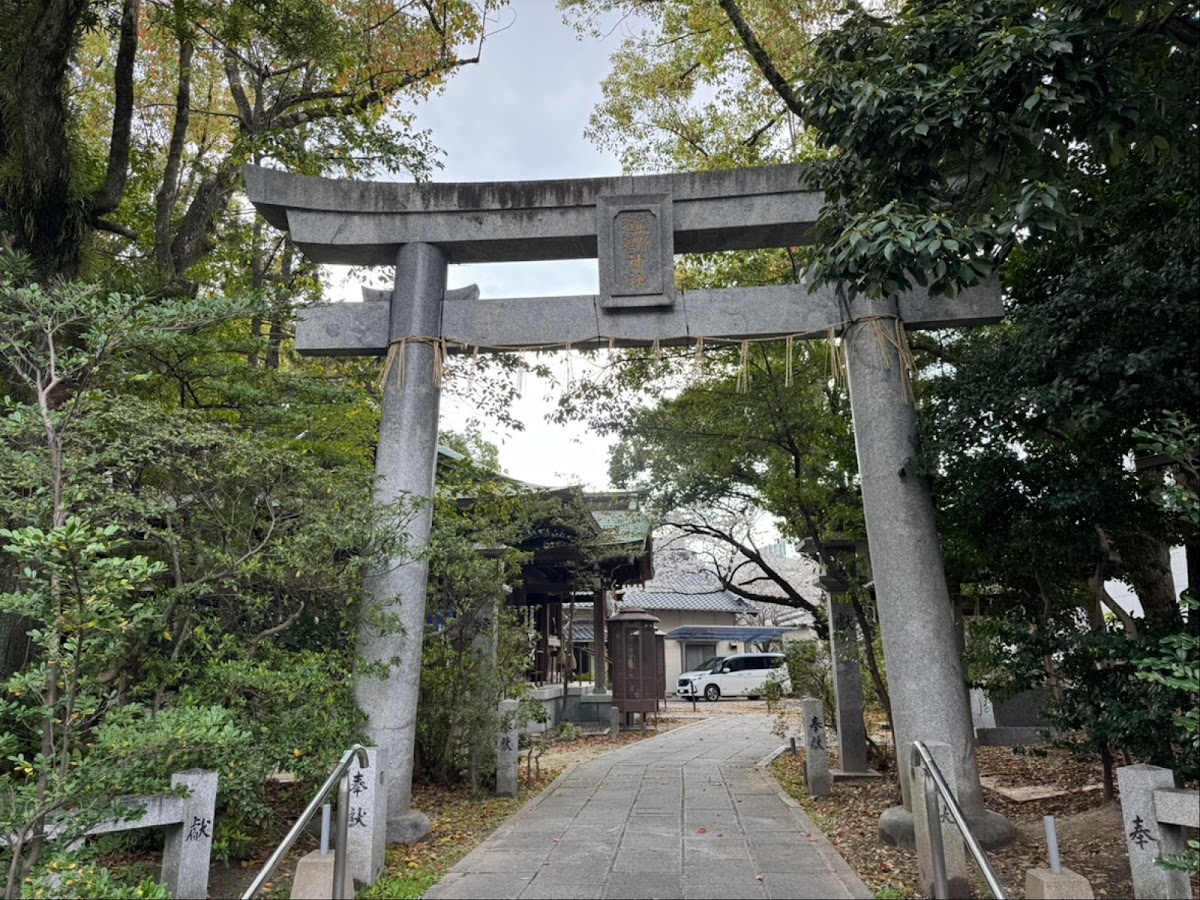
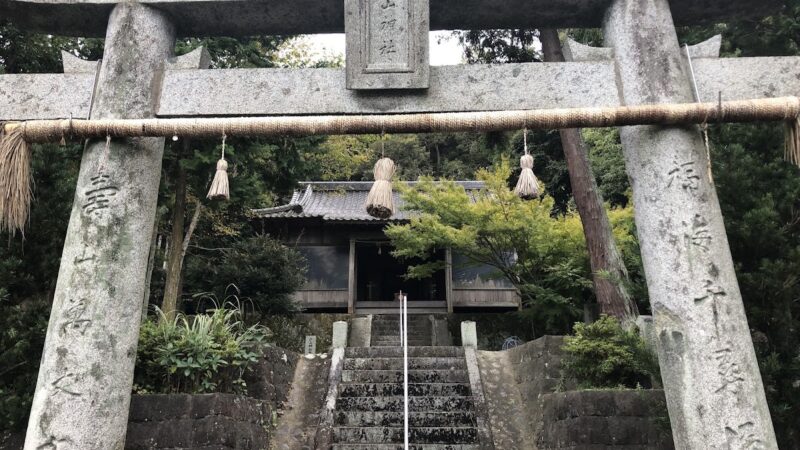
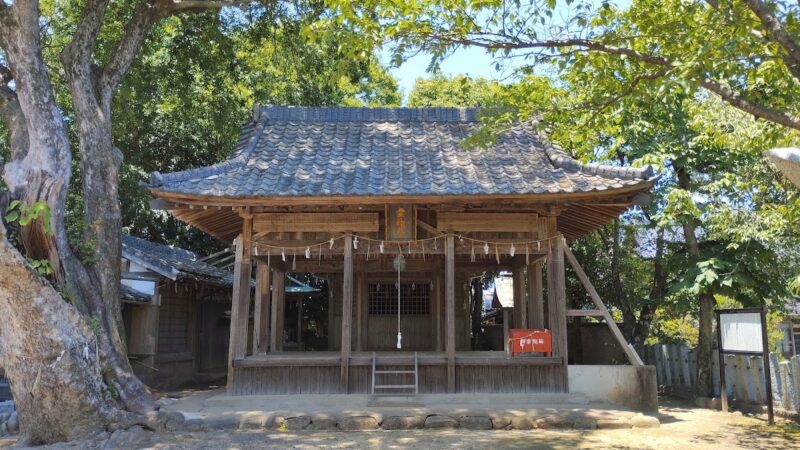
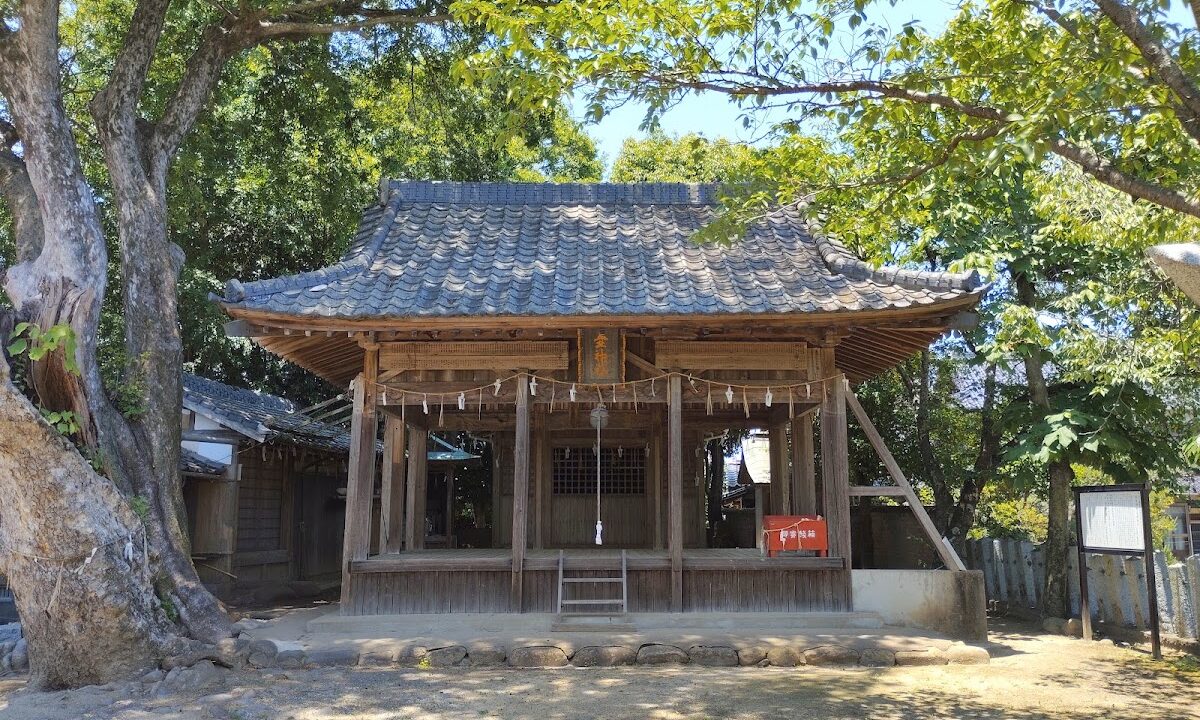
The main hall of Tsubo Shrine is a valuable structure that preserves the traditional shrine architectural style of the region. Although small in scale, it is meticulously maintained, reflecting the deep faith of the local people.
The Jar Used in the Water Offering Ceremony
Inside the shrine is a historical jar used in the water offering ceremony. This jar is the sacred vessel from which the shrine’s name originates, and it is used only during the ceremony held on October 14th each year. It is usually carefully stored inside the shrine and cannot be seen directly, but its presence symbolizes the shrine’s spiritual power.
The Shrine of Round Stones
Within the shrine grounds is a small shrine containing round stones for safe childbirth. The neat arrangement of many round stones is evidence that this shrine has been worshipped as a deity of safe childbirth for many years. Visitors clasp their hands together in front of this shrine and pray for a safe delivery.
A Tranquil Shrine Environment
The grounds of Tsubo Shrine are located in a quiet environment, far removed from the hustle and bustle of the city. Surrounded by greenery, it is a peaceful spot for worship. Visiting in the early morning, in particular, allows you to calm your mind in the refreshing air.
Visiting Information
Location and Access
Location: Yoshitomi-cho, Chikujo-gun, Fukuoka Prefecture
Access by Car: Approximately 5 minutes from the Yoshitomi Interchange on the Higashi-Kyushu Expressway. Parking is available around the shrine, but spaces are limited, so early arrival is recommended, especially during events such as the water offering ceremony.
Public Transportation: Within walking distance from Yoshitomi Station on the JR Nippo Main Line. Local buses are also available, but service is limited, so checking the timetable in advance is recommended.
Visiting Hours
While the shrine grounds are generally open for free worship, the shrine office has limited hours. If you wish to obtain a Goshuin (shrine stamp) or other items, it is recommended to contact the shrine in advance.
The water offering ceremony is held annually in the early morning of October 14th. Those wishing to visit on this day should consider staying overnight in or around Yoshitomi-cho, as the ceremony begins before dawn.
Etiquette for Visiting the Shrine
Tsubo Shrine is a small, community-based shrine. Please observe the following points when visiting:
- Walk quietly within the shrine grounds and refrain from loud conversations.
- Remember to return any borrowed stones.
- Photography is permitted, but follow the instructions of the Shinto priests during religious ceremonies.
- Please be considerate of noise and parking etiquette, as the shrine is close to the living area of local residents.
Nearby Spots in Yoshitomi Town
Hachiman Kofuku Shrine
Located a few minutes’ drive from Tsubo Shrine, Hachiman Kofuku Shrine is another representative ancient shrine in Yoshitomi Town. Many visitors come to both shrines, as they enshrine different deities.
Yamakuni River Green Space Multipurpose Plaza
A lush, multipurpose plaza has been developed along the Yamakuni River, which flows through Yoshitomi Town. After visiting the shrine, you can enjoy nature while strolling along the river. It’s a particularly beautiful spot to enjoy the scenery during the cherry blossom season in spring and the autumn foliage season.
Tenchūji Kofun (Ancient Burial Mound)
For those interested in history, we recommend the cluster of ancient burial mounds scattered around Yoshitomi Town. These mounds, including the Tenchūji Kofun, are valuable cultural assets that tell the story of this region’s ancient history.
Yoshitomi Wasshoi Industrial Festival
Every year, Yoshitomi Town holds the “Yoshitomi Wasshoi Industrial Festival,” showcasing local industries and culture. It’s also an opportunity to purchase local specialties such as “Takomeshi no Moto” (octopus rice mix) and “Hoshi Kinugai” (dried scallops). Why not enjoy the local food culture along with visiting Tsubo Shrine?
Tsubo Shrine and the Shrine Culture of Fukuoka Prefecture
Characteristics of Shrines in Fukuoka Prefecture
Fukuoka Prefecture boasts numerous nationally famous shrines, such as Dazaifu Tenmangu, Munakata Taisha, and Hakozaki-gu. In contrast to these large-scale shrines, small, community-oriented shrines like Tsubo Shrine also continue to preserve their own unique history and beliefs.
A Faith Rooted in the Community
Tsubo Shrine is not a well-known tourist spot, but precisely because of this, it preserves a form of faith deeply rooted in the lives of the local people. Unique customs such as water divination through water offering rituals and the distribution of round stones are part of this shrine’s charm.
While famous shrines that attract worshippers from all over Japan are wonderful, visiting historical local shrines like Tsubo Shrine allows you to appreciate the diversity and depth of Japanese religious culture.
For those considering a safe delivery prayer
Flow of a safe delivery prayer at Tsubo Shrine
When visiting Tsubo Shrine for a safe delivery prayer, please follow these steps:
- First, pray at the main shrine and pray to Konohanasakuya-hime for a safe delivery.
- Borrow one round stone from the shrine’s small sanctuary.
- Take it home and enshrine it in a clean place.
- After a safe delivery, return the borrowed stone along with a new stone.
About the Dog Day Visit
Generally, safe delivery prayers are often performed on the Dog Day of the fifth month of pregnancy, but at Tsubo Shrine, there is no need to be particular about the date. It is important to choose a day when you are feeling well.
Visiting from afar
If you are visiting from afar for a safe delivery prayer, please note that accommodation is limited around Yoshitomi Town. Please consider staying in the neighboring cities of Nakatsu or Yukuhashi. Furthermore, when traveling long distances during pregnancy, please consider your physical condition and plan your trip carefully to avoid overexertion.
Annual Events at Tsubo Shrine
Water Offering Ceremony (October 14th)
As mentioned above, this is the most important annual event at Tsubo Shrine. Since it takes place early in the morning, it is recommended to inquire in advance if you wish to observe.
Other Festivals
As it is a small shrine, there are not many large festivals, but there are also annual festivals held by local parishioners. By participating in these festivals, which are quietly passed down as local traditional events, you can experience the essence of Japanese shrine culture.
Summary: The Charm of Tsubo Shrine
Tsubo Shrine in Yoshitomi Town, Fukuoka Prefecture, is a historical shrine that continues to preserve unique traditions, such as the water offering ceremony and the distribution of round stones for safe childbirth, which have continued since the Kamakura period. Although small in scale, it is a highly revered shrine that has attracted the faith of local people for over 700 years, and many worshippers still visit it today.
Tsubo Shrine, dedicated to Konohanasakuya-hime, is known for its blessings of safe childbirth, fire prevention, and abundant harvests. In particular, its unique custom of borrowing and returning a round stone during prayers for safe childbirth is a distinctive feature of this shrine.
The water offering ritual, held annually on October 14th, is a precious traditional event designated as an intangible folk cultural property of the town. This ancient ritual, in which the amount of water poured into a pot inside the shrine is used to predict the amount of rainfall for the following year, is still carefully preserved as a part of the local culture today.
Unlike large shrines such as Dazaifu Tenmangu or Munakata Taisha, the charm of this small, community-based shrine lies in its close connection to people’s lives and its transmission of forms of faith across generations.
This shrine is recommended for those praying for safe childbirth, those interested in traditional Japanese Shinto rituals, and those seeking a peaceful and calming environment. Tsubo Shrine is a sacred place steeped in history and tradition, warmly welcoming people with all sorts of thoughts and feelings.
When visiting Fukuoka Prefecture, why not visit not only famous tourist spots but also local shrines like Tsubo Shrine that tell the history of the region? You’re sure to feel the depth of Japanese shrine culture and the warmth of faith rooted in the community.