About Ikime Shrine (Tagawa City, Fukuoka Prefecture)
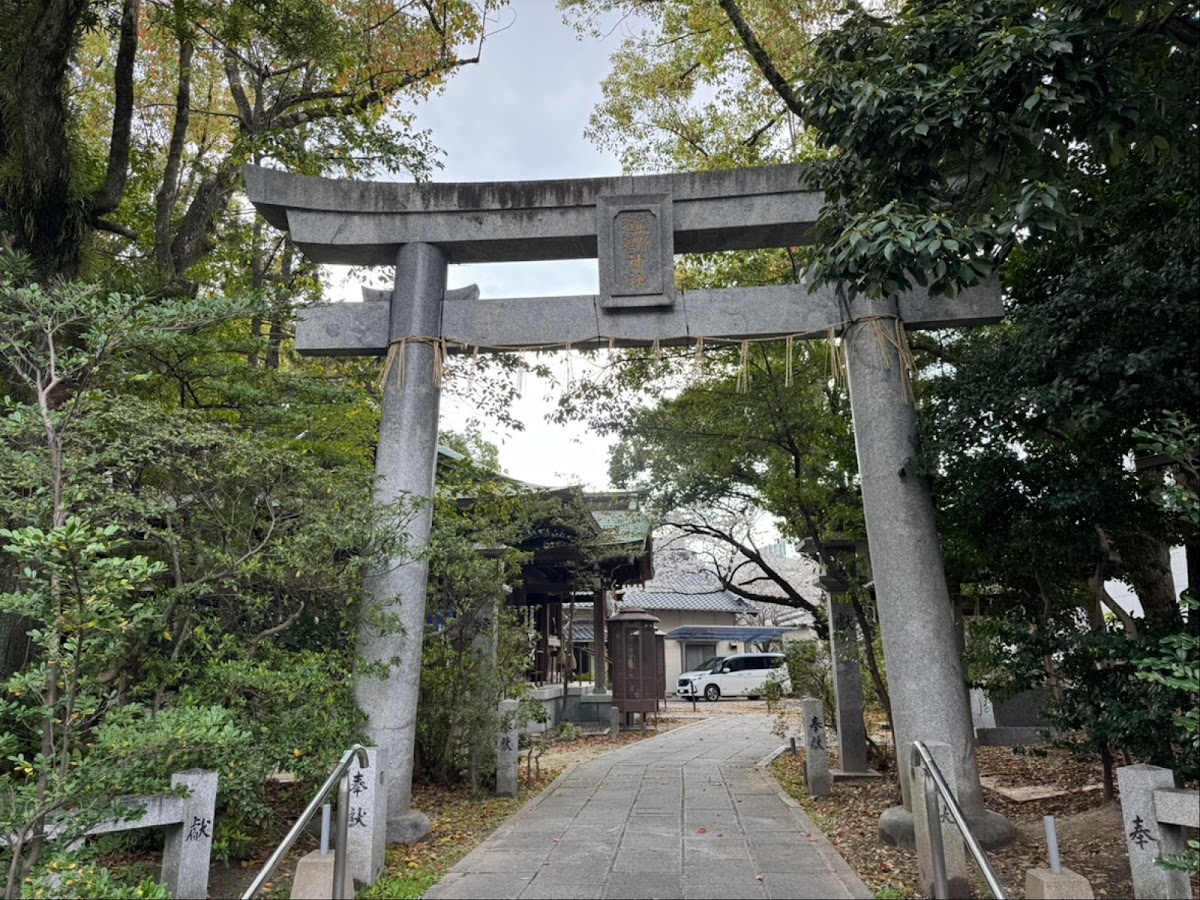
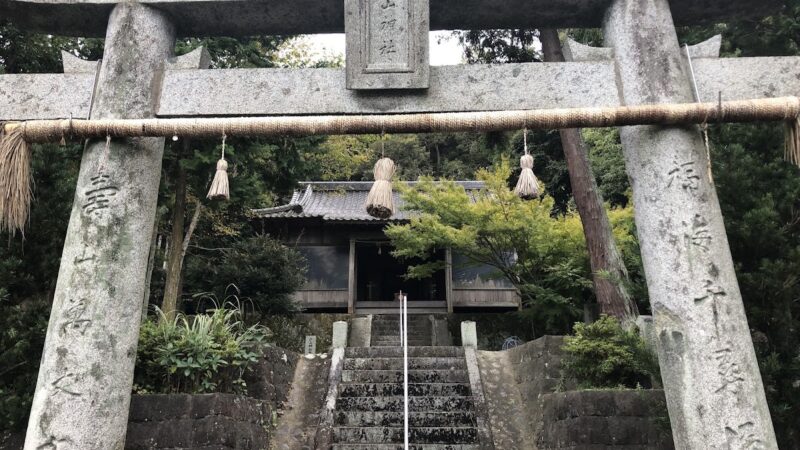
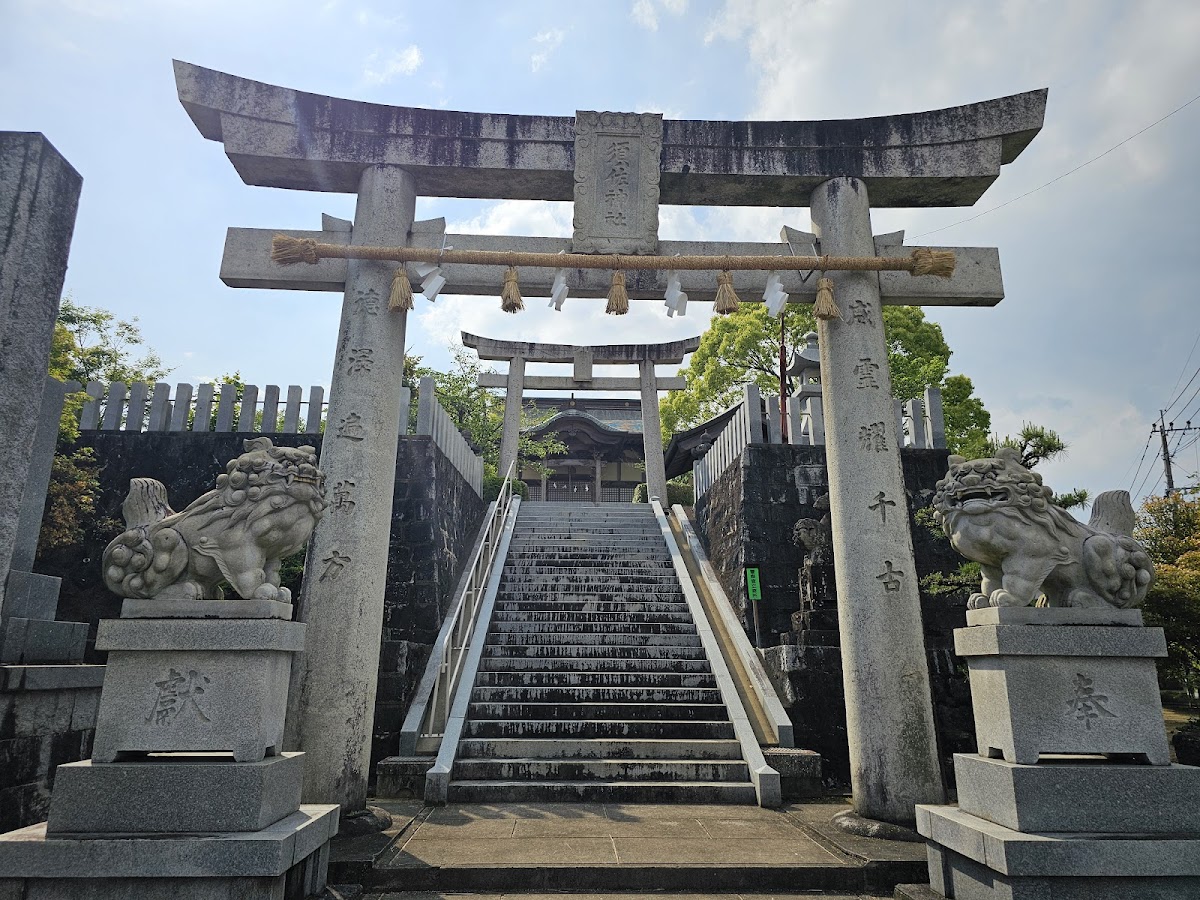
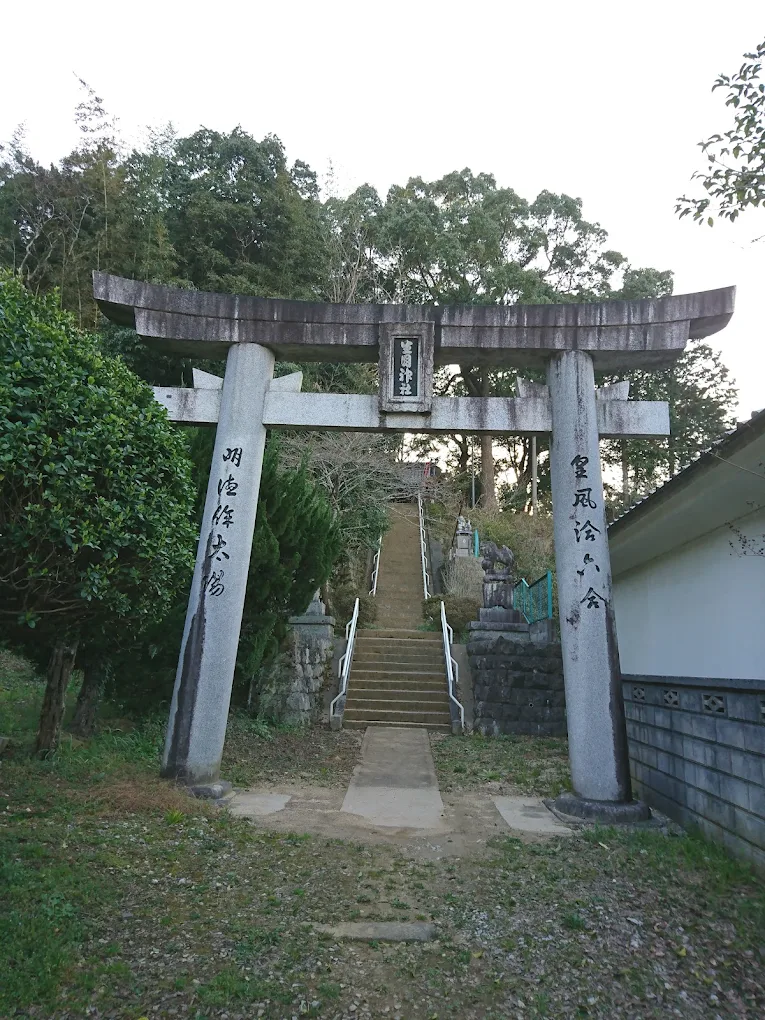
Ikime Shrine is a Shinto shrine located in Tagawa City, Fukuoka Prefecture. It is widely revered in the region as a deity that heals eye diseases and protects eye health. In modern society, where eye strain and eye diseases are increasing due to the use of computers and smartphones, it is a valuable shrine visited by worshippers praying for eye health.
Tagawa City is located in the central part of Fukuoka Prefecture and is known as a region that once prospered from coal mining. Ikime Shrine is a historical shrine that has watched over the health and lives of the people of this region and is cherished by the local residents.
History and Origins of Ikime Shrine
While there are no clear records regarding the founding date of Ikime Shrine, it has been enshrined in this region since ancient times and has attracted the faith of the residents. The name “Ikime” is believed to originate from beliefs related to healing eye diseases and restoring eyesight.
There are several shrines named “Ikime Shrine” throughout Japan, the most famous being the Ikime Shrine (Ichinomiya of Hyuga Province) located in Miyazaki City, Miyazaki Prefecture. Similarly, the Ikime Shrine in Tagawa City, Fukuoka Prefecture, has been cherished by the community as a deity protecting eye health.
Connection to the Tagawa Region
Tagawa City flourished greatly from the coal mining industry from the Meiji to Showa periods. For coal miners, eyesight was a critical factor in their work in the dark mines. Therefore, the faith in Ikime Shrine, where prayers for eye health were offered, is thought to have held special significance for the local people.
About the Enshrined Deities
The enshrined deities at Ikime Shrine are those related to the healing of eye diseases. Generally, the following deities are often enshrined at Ikime Shrines:
Fujiwara no Kagekiyo (Taira no Kagekiyo)
Fujiwara no Kagekiyo (or Taira no Kagekiyo) is enshrined as the main deity at many Ikime Shrines. He was a samurai warrior of the late Heian period who played an active role in the Genpei War as a general of the Taira clan.
Even after the Taira’s defeat at the Battle of Dan-no-ura, Kagekiyo continued to resist the Minamoto clan, but was eventually captured. According to legend, Kagekiyo gouged out his own eyes out of hatred for the Minamoto clan, and this anecdote is said to have led to his worship as a god of healing eye diseases.
Other Deities Enshrined
Some shrines may enshrine the following deities in addition to Kagekiyo:
- Amaterasu Omikami: The goddess of the sun, guardian deity of light and eyesight.
- Sarutahiko Okami: The god of guidance, bestowing the power to see things correctly.
- Local Guardian Deity: The local deity protecting the Tagawa region.
Benefits and Divine Virtues
The main benefits you can receive at Ikime Shrine are as follows:
Healing of Eye Diseases
The most well-known benefit is healing of eye diseases. Visitors come to pray for the healing or improvement of various eye diseases such as cataracts, glaucoma, conjunctivitis, and styes.
Vision Restoration and Improvement
People suffering from vision problems such as nearsightedness, farsightedness, and astigmatism, as well as those wishing to maintain or improve their vision, visit the shrine. It is particularly revered by students preparing for exams, students, and craftsmen who perform detailed work.
Recovery from Eye Strain
This is a particularly important benefit in modern society. You can pray for recovery from eye strain caused by prolonged computer work, smartphone use, reading, etc.
Other Benefits
- Foresight: The ability to discern the essence of things and foresee the future
- Good Fortune: Improved luck through the ability to discern the right path
- Academic Success: Improvement of eyesight and concentration necessary for academics
- Traffic Safety: Maintaining eyesight and judgment while driving
Highlights of the Shrine Grounds
Main Hall
The main hall of Ikime Shrine is a building that preserves the traditional shrine architectural style of the region. Worshippers praying for the healing of eye diseases visit daily, making it a quiet place of prayer.
Water Basin
There is a water basin for purifying the body and mind before worship. Please purify your hands and mouth according to the correct etiquette before worshipping.
Shrine Office/Amulet Distribution Center
This is where you can receive amulets and Goshuin (shrine stamps). There may be special amulets available for healing eye diseases.
How to Worship and Etiquette
Basic Worship Etiquette
- Bow before passing through the torii gate: As a sign of respect before entering the sacred area.
- Purify yourself at the water basin: Hold the ladle in your right hand, purify your left hand, switch to your left hand and purify your right hand, switch back to your right hand, receive water in your left hand and rinse your mouth, and finally hold the ladle upright to purify the handle.
- Avoid walking in the center of the approach to the shrine: The center is considered the path of the gods.
- Two bows, two claps, and one bow in front of the main hall: Bow deeply twice, clap twice, offer your prayers, and finally bow deeply once.
Special Prayer Method for Healing Eye Diseases
At Ikime Shrine, there may be special procedures when praying for eye health.
- Close your eyes when praying and sincerely wish for good eye health.
- Pray for the eye health of your family and loved ones as well.
- Receive a protective amulet and wear it daily.
Items Offered / Amulets
Eye Disease Healing Amulet
Ikime Shrine may offer a special amulet to protect eye health. This amulet is believed to protect eye health when worn daily.
Goshuin (Shrine Seal)
You can receive a Goshuin as a memento of your visit. Bring your Goshuincho (stamp book) and politely request one at the shrine office. The offering fee (for the Goshuin) is generally around 300 to 500 yen.
Other Items Offered
- Ofuda: A sacred amulet to be placed on your home altar
- Ema: A votive tablet on which to write your wish and offer it
- Omikuji: A fortune slip to receive a message from the gods
Access Information
Location
Address: Tagawa City, Fukuoka Prefecture (For detailed address information, we recommend checking with the Tagawa City Tourism Association or local information beforehand)
Access by Train
Using the JR Hitahikosan Line
- Nearest Station: Tagawa-Gotōji Station or Tagawa-Ita Station
- Distance from Station: Walking distance or taxi ride from the station
Using the Heisei Chikuhō Railway
- Walking distance or taxi ride from each station on the Tagawa Line or Ita Line
Access by Car
Using the Expressway
- Approximately 30 minutes from the Kyushu Expressway “Yahata IC” via National Route 200
- Approximately 40 minutes from the Yukuhashi Interchange on the Higashi-Kyushu Expressway via National Routes 201 and 322.
Using General Roads
- Approximately 1 hour from Fukuoka City via National Route 201
- Approximately 40 minutes from Kitakyushu City via National Route 322
Parking
Parking space may be limited depending on the size of the shrine. It is recommended to check for parking availability before visiting.
Precautions for Visiting
Visiting Hours
Generally, you can freely visit the shrine grounds during the day, but the opening hours of the shrine office may be limited. If you wish to receive amulets or Goshuin (shrine stamps), it is recommended to check the hours in advance.
Attire
Please dress appropriately for visiting a shrine. It is considered polite to avoid overly revealing or dirty clothing.
Photography
Regarding photography on the shrine grounds, it is considered good manners to refrain from photographing the main hall and the sacred object. Always abide by signs indicating that photography is prohibited.
Manners
- Worship quietly
- Always take your trash with you
- Be mindful of the sacred nature of the place
- Remember to be considerate of other worshippers
Other Tourist Attractions in Tagawa City
Why not visit other tourist attractions in Tagawa City in conjunction with your visit to Ikime Shrine?
Coal Memorial Park
This park tells the history of coal mining in Tagawa City, and two headframes are preserved. You can learn about the history of the coal industry that supported Japan’s modernization.
Tagawa City Coal and History Museum
This museum exhibits the history and culture of coal mining, as well as the lives of workers. It is a facility where you can gain a deep understanding of the history of the Tagawa region.
Kazeji Hachimangu Shrine
One of Tagawa City’s representative shrines, the “Kawawatari Shinkosai” festival, held every May, is known as one of Fukuoka Prefecture’s five major festivals.
Protecting Eye Health
Along with visiting Ikime Shrine, let’s make an effort to maintain eye health in our daily lives.
Daily Care
- Adequate Breaks: Rest your eyes for about 10 minutes every hour.
- Look at Distant Objects: Looking at things far away regularly can tire your eyes, so look at distant objects periodically.
- Consciously Blink: Blinking decreases while working on a computer, so consciously blink more often.
- Appropriate Lighting: Work in an environment that is neither too dark nor too bright.
- Screen Distance: Maintain an appropriate distance from computer and smartphone screens.
Nutritional Care
- Vitamin A: Important for maintaining eyesight (carrots, spinach, etc.)
- Lutein: Protects eye health (broccoli, kale, etc.)
- Anthocyanins: Reduces eye strain (blueberries, blackcurrants, etc.)
- DHA: Maintains retinal health (oily fish, etc.)
Regular Eye Checkups
Regular eye checkups at an ophthalmologist allow for early detection and treatment of eye diseases. Especially after the age of 40, the risk of glaucoma and other eye conditions increases, making regular checkups highly recommended.
Summary
Ikime Shrine in Tagawa City, Fukuoka Prefecture, is a shrine revered locally as a deity that heals eye diseases and protects eye health. In modern society, where eye strain and eye diseases are increasing, it is a valuable shrine where many worshippers visit to pray for eye health.
When visiting Tagawa City, be sure to include a visit to Ikime Shrine in your itinerary, along with sightseeing spots that tell the history of coal mining. You can pray for eye health and spend a peaceful time there.
Before visiting, check the shrine’s opening hours and access methods, and be sure to dress appropriately and observe proper etiquette. Receiving a protective amulet or Goshuin (shrine stamp) and continuing the habit of cherishing eye health in daily life can lead to a richer life.
I pray for the health of your eyes and for your well-being in both mind and body.