Complete Guide to Susa Shrine (Natsuyoshi, Tagawa City, Fukuoka Prefecture) | Access, Deities, and History Explained in Detail
Susa Shrine, located in Natsuyoshi, Tagawa City, Fukuoka Prefecture, is a shrine that has been cherished by the local people for centuries. This article provides detailed information useful for those considering visiting Susa Shrine or those interested in local history, from basic information to its enshrined deities, history, and access methods.
Basic Information about Susa Shrine
Location and Postal Code
Susa Shrine is located at 4630 Natsuyoshi, Tagawa City, Fukuoka Prefecture. Its postal code is 〒825-0004. It is located northwest of the center of Tagawa City, in an area of quiet residential neighborhoods and rural landscapes.
Corporate Number and Basic Shrine Data
Susa Shrine is registered with corporate number 1290805007326. There are four shrines named “Susa Shrine” throughout Japan, each attracting worshippers in their respective regions. Susa Shrine in Tagawa City has long been the center of faith for the local residents as their tutelary deity.
Pronunciation and Spelling
- Shrine Name: Susa Shrine (すさしゃ)
- Location: Natsuyoshi, Tagawa City, Fukuoka Prefecture
- English Spelling: Susa Shrine, Natsuyoshi, Tagawa City, Fukuoka Prefecture
Deities and Benefits of Susa Shrine
About the Deities
From the name Susa Shrine, it is believed that the main deity is Susanoo-no-Mikoto. Susanoo-no-Mikoto is a god who plays an important role in Japanese mythology and is known as the younger brother of Amaterasu-Omikami.
Susanoo-no-Mikoto is famous as a heroic god who slayed Yamata-no-Orochi (the eight-headed serpent) and is worshipped throughout Japan as a god who wards off evil and disasters. Furthermore, Susanoo-no-Mikoto also possesses characteristics as a god of agriculture and water, and is believed to bring blessings of abundant harvests and business prosperity.
Expected Blessings
The main blessings expected at Susanoo-no-Mikoto are as follows:
- Protection from Evil and Disaster: Exorcism of evil spirits through the powerful divine power of Susanoo-no-Mikoto
- Family Safety: Protection of family safety as the local guardian deity
- Abundant Harvest: Prayers for a bountiful harvest due to his characteristics as a god of agriculture
- Business Prosperity: Development of local industries and prosperity of business
- Matchmaking: Success in finding a good partner due to the myth of Kushinadahime
- Healing from Illness: Belief in him as a god who wards off epidemics
About Tagawa City and Natsuyoshi District
Overview of Tagawa City
Tagawa City is located in the central part of Fukuoka Prefecture and is a historic city that once supported Japan’s modernization as the center of the Chikuhō coalfield. Currently, as a regional city with a population of approximately 45,000, it is promoting urban development that harmonizes its rich natural environment with its history and culture.
Characteristics of the Natsuyoshi District
The Natsuyoshi district is located in the northwestern part of Tagawa City. It is a quiet environment where residential areas and farmland are mixed, and the local community remains active. There are local place names such as “Natsuyoshi 2nd District” and “Natsuyoshi Midorigaoka” depending on the address, and each area has fostered its own unique history and culture.
Main characteristics of the Natsuyoshi area:
- Geographical location: Approximately 2-3 km northwest of the center of Tagawa City
- Regional characteristics: A rural urban area where residential areas and farmland coexist
- Transportation: Convenient access by car with well-maintained prefectural and municipal roads
- Community: Traditional local events and festivals are preserved
How to access Susa Shrine
Access by public transport
Nearest station: JR Hitahikosan Line/Heisei Chikuhō Railway “Tagawa-Ita Station”
The distance from Tagawa-Ita Station to Susa Shrine is approximately 3-4 km. You can access the shrine from the station using the following methods:
- By Taxi: Approximately 10 minutes, fare around 1,000 yen
- By Local Bus: Use the Tagawa City Community Bus or Nishitetsu Bus routes (you may need to walk from the nearest bus stop)
- On Foot: Approximately 40-50 minutes (suitable for those who are physically fit)
Access by Car
Visiting by car is the most convenient option.
Access from Major Roads:
- From Fukuoka: Take National Route 201 towards Tagawa city center. From the city center, head northwest along the prefectural road.
- From Kitakyushu: Use National Route 322 or Prefectural Route 62.
- From Oita: Enter Tagawa City via National Route 211, passing through the city center.
Car Navigation Settings:
- Address: 4630 Natsuyoshi, Tagawa City, Fukuoka Prefecture
- Phone Number: (Can be set if the shrine has a phone number)
- Postal Code: 825-0004
Parking Information
As this is a small local shrine, it is recommended to check in advance whether there is a dedicated parking lot and its size. When visiting, please avoid parking on the street and observe proper parking etiquette to avoid inconveniencing local residents.
History and Origins of Susa Shrine
Founding and History of the Shrine
While there is limited documentation regarding the exact founding date of Susa Shrine, the name “Susa” suggests that there has been a long-standing belief in the worship of Susanoo-no-Mikoto.
The Tagawa region has been inhabited and farmed by people since ancient times. In the Natsuyoshi district, the Susa Shrine is believed to have served as a spiritual pillar for the local residents, serving as the guardian deity of agriculture and the tutelary deity prayed to for the safety of the community.
Shrine Beliefs in the Chikuhō Region
The Chikuhō region experienced rapid development from the Meiji to Showa periods, when the coal mining industry flourished, attracting many people from all over Japan. During this time, local shrines played an important role as places for coal miners and their families to pray for safety.
It is presumed that the Susa Shrine has also witnessed the changes in the region and has a history of receiving the wishes of people throughout different eras.
Grounds and Facilities of the Susa Shrine
Grounds
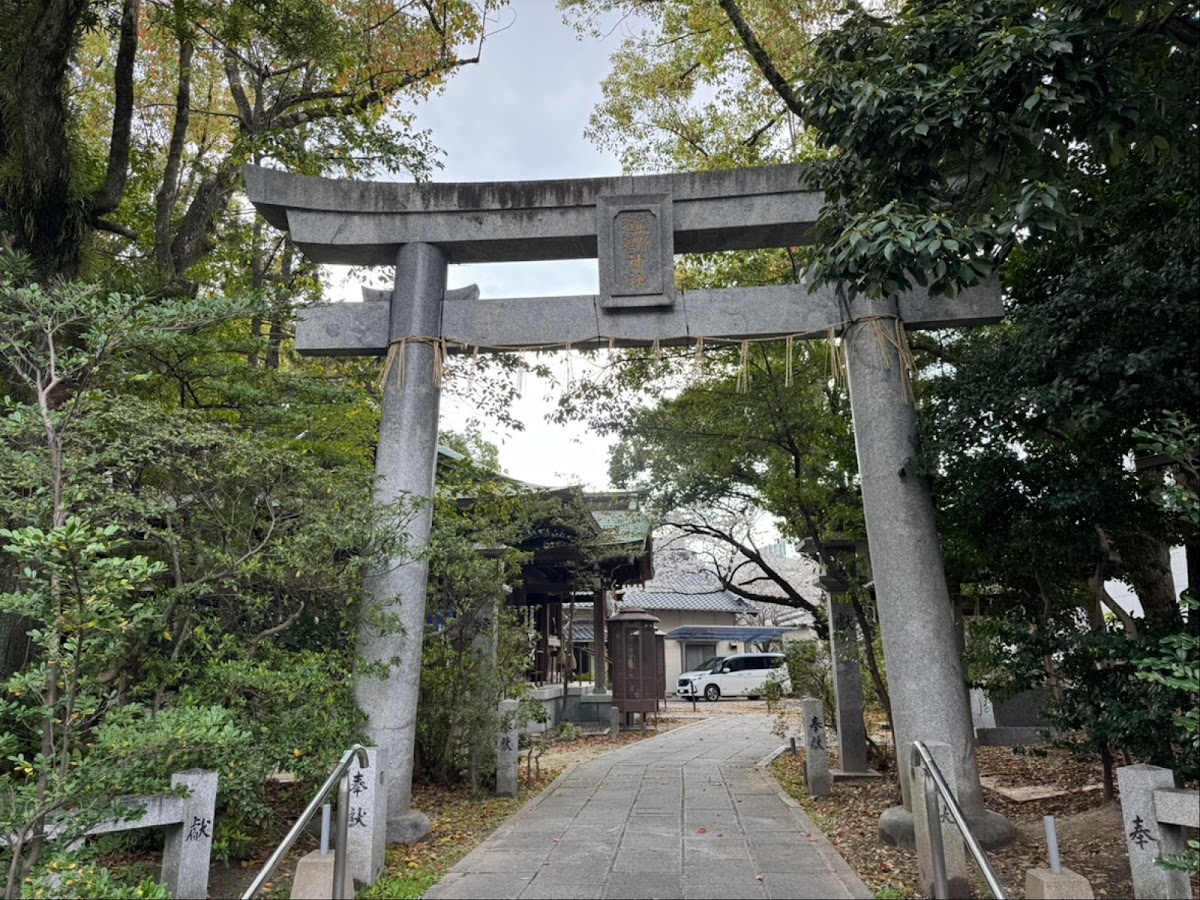
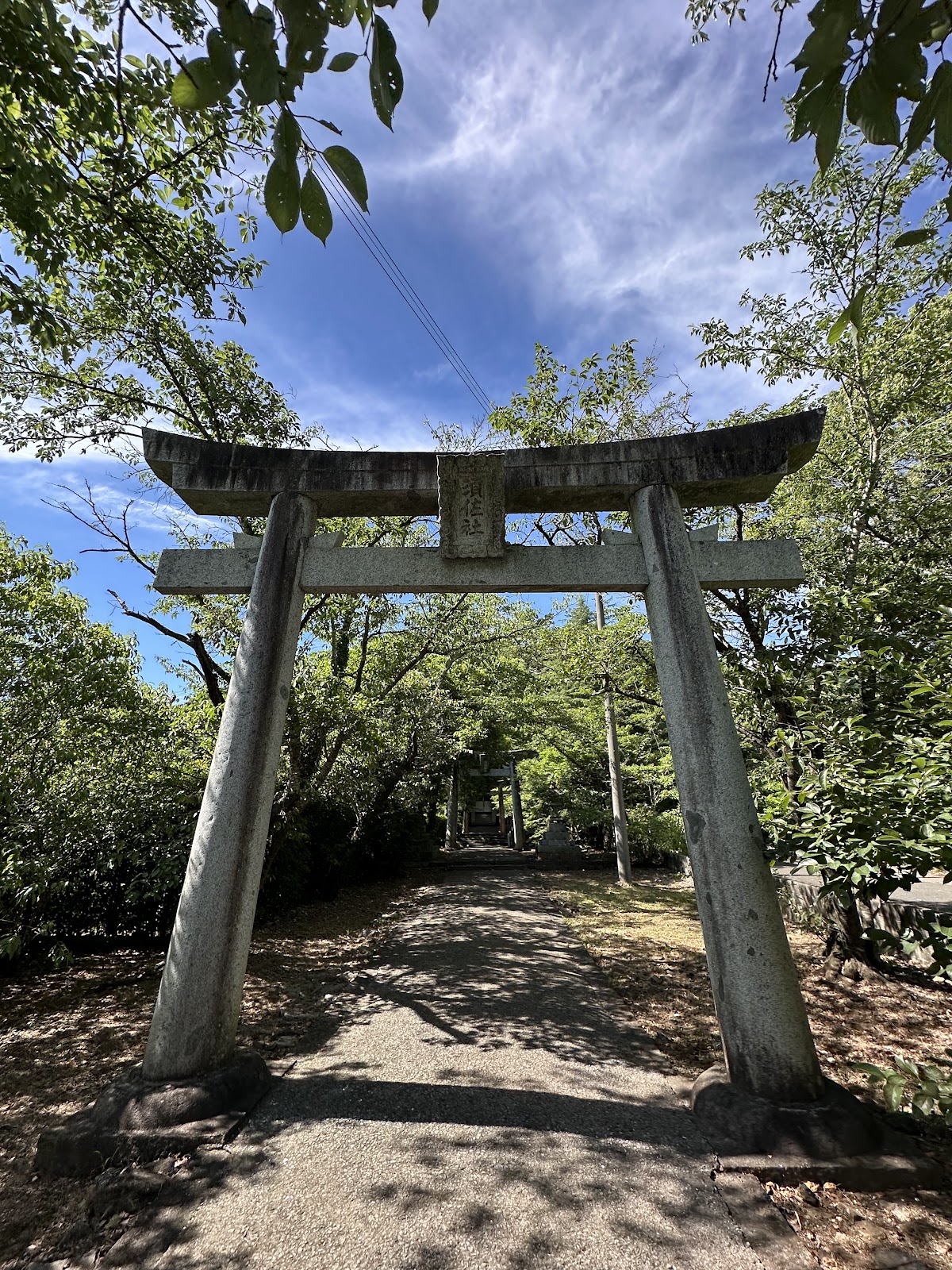
The Susa Shrine is situated in the quiet environment of the Natsuyoshi district. As a small local shrine, it is characterized by its simple yet carefully maintained grounds.
Typical Shrine Facilities (Varies by Size):
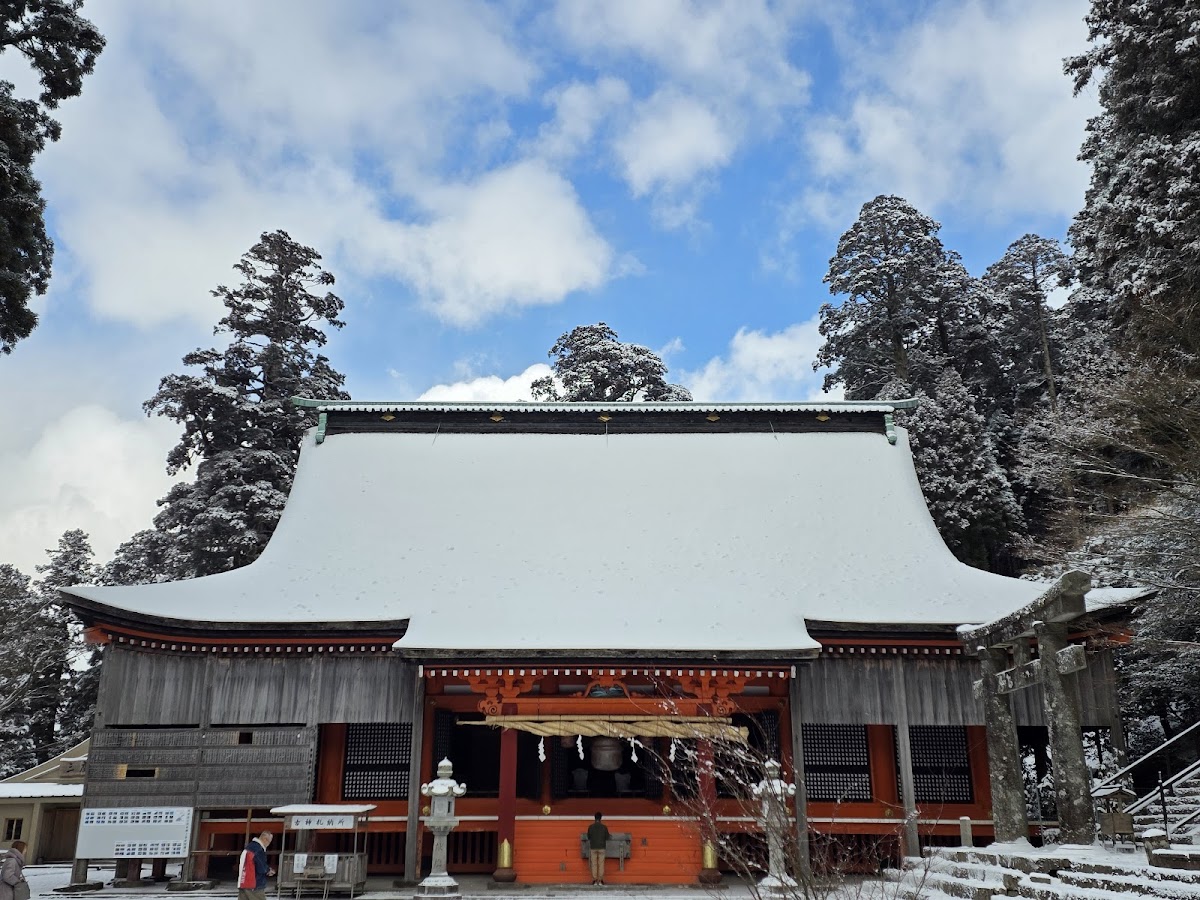
- Main Hall: The central building where the enshrined deity is worshipped
- Worship Hall: The place where worshippers pay their respects
- Torii Gate: The entrance to the sacred area
- Water Basin: The place to purify oneself before worship
- Shrine Office: The building where the shrine is managed and operated
Etiquette for Worship
Here are the basic etiquette rules for visiting Susa Shrine:
- Bow before passing through the torii gate: A courtesy before entering the sacred area
- Walk along the edge of the approach: The center is considered the path for the gods
- Purify at the water basin: Purify in the order of left hand → right hand → mouth → left hand
- Worship in front of the worship hall: Two bows, two claps, and one bow is the basic etiquette
- Bow upon leaving: Turn around and bow before leaving the torii gate
Annual Events and Festivals of Susa Shrine
Main Annual Events
Local shrines hold various festivals and events throughout the seasons. The following events may also be held at Susa Shrine (details should be confirmed with local information or the shrine):
Spring Events:
- Spring Festival: A grand spring festival praying for a bountiful harvest
- Harvest Prayer Festival: A festival praying for a good harvest at the beginning of the year
Summer Events:
- Summer Purification Ceremony: A Shinto ritual to purify oneself of the impurities accumulated over the past six months (June 30th)
- Summer Festival: A summer festival where local residents gather
Autumn Events:
- Autumn Festival: A grand autumn festival giving thanks for the harvest
- Niiname-sai (Harvest Festival): A festival offering the new harvest to the gods
Winter Events:
- Year-End Purification Ceremony: A Shinto ritual to purify oneself of the impurities accumulated over the year (December 31st)
- New Year’s Visit: A visit to the shrine in the new year
Community Involvement
The Susa Shrine, as the tutelary shrine of the Natsuyoshi district, plays a central role in the local community. During festivals, local residents cooperate in the preparations, creating a gathering place for people of all ages, from children to the elderly.
These community events serve not only as a means of preserving traditional culture but also as an important opportunity to deepen the bonds among residents.
Attractions and Facilities Around Susa Shrine
Nearby Shrines and Temples
Besides Susa Shrine, there are many other shrines and temples in Tagawa City:
- Fuji Hachimangu Shrine: The main guardian shrine of Tagawa City, famous for the Kawawatari Shinkosai (river crossing procession)
- Kasuga Shrine: One of the major shrines in Tagawa City
- Ida Hachimangu Shrine: The tutelary shrine of the Ida district
Nearby Tourist Spots
Tagawa City Coal and History Museum: A facility where you can learn about the history of coal mining, housing the UNESCO World Memory of the World “Yamamoto Sakubei Collection”
Coal Memorial Park: A park utilizing coal mining heritage, where you can visit industrial heritage such as headframes
Tagawa City Museum of Art: A hub for disseminating local arts and culture
Living Facilities and Access
The Natsuyoshi district has all the facilities necessary for daily life:
- Commercial Facilities: Supermarkets, convenience stores
- Medical Facilities: Clinics, Hospitals
- Public Facilities: Community Centers, Library Branches
- Educational Facilities: Elementary Schools, Junior High Schools
Precautions When Visiting Susa Shrine
Manners When Visiting a Shrine
When visiting a shrine, please observe the following manners:
- Attire: Dress neatly and modestly.
- Photography: Take photos discreetly in sacred areas such as the main hall.
- Quietness: Be quiet on the shrine grounds.
- Trash: Always take your trash with you.
- No Smoking: Smoking is prohibited on the shrine grounds.
Visiting Hours
Generally, shrine grounds are open for worship from sunrise to sunset, but the hours of operation at the shrine office may be limited. If you wish to obtain a Goshuin (shrine stamp) or amulet, it is recommended to check in advance.
Contact Information
For detailed information about Susa Shrine and the latest event schedule, please check the following:
- Tagawa City Hall: Provides information on the city’s cultural properties and tourism.
- Local Shrine Representatives: Ask local residents.
- Fukuoka Prefecture Shrine Association: Provides comprehensive information on shrines within the prefecture.
Susa Shrine and the Future of the Region
Preservation of Local Culture
In today’s society, where the birthrate is declining and the population is aging, maintaining local shrines and passing on traditional culture to future generations is a crucial issue. Susa Shrine, with the cooperation of local residents, continues to preserve its history and traditions.
Contribution to Regional Revitalization
Shrines are not merely religious facilities; they play an important role as the core of local communities and as places to convey the history and culture of the region. Susa Shrine, as part of the identity of the Natsuyoshi district, serves as a place to strengthen community bonds.
A Recommendation for Visiting Susa Shrine
Seasonal Charms
Susa Shrine displays different expressions in each of the four seasons:
- Spring: A season of beautiful fresh greenery and celebration of the start of a new year
- Summer: A season of lush greenery and lively summer festivals
- Autumn: A season of gratitude for the harvest, when autumn leaves color the shrine grounds
- Winter: A season for peaceful worship in tranquility
Seeking Peace of Mind
Modern society is busy and stressful. Visiting a shrine and quietly offering prayers provides a precious opportunity to calm the mind and reflect on oneself.
Susa Shrine is a place that quietly welcomes those seeking such peace of mind. When you visit Tagawa City, please be sure to visit Susa Shrine in Natsuyoshi.
Summary
The Susa Shrine, located at 4630 Natsuyoshi, Tagawa City, Fukuoka Prefecture, has long been revered by local residents as the guardian deity of the region. It enshrines Susanoo-no-Mikoto and is believed to offer blessings for protection against misfortune, family safety, and abundant harvests.
Located in the Natsuyoshi district (postal code 825-0004), approximately 10 minutes by car from Tagawa-Ita Station, it offers a peaceful environment for worship. The Susa Shrine, which conveys the history and culture of the region, is a must-visit spot when visiting Tagawa City.
When visiting, please observe proper etiquette and show gratitude and respect to the deity. The Susa Shrine will surely bring peace and strength to your heart.