Complete Guide to Kifune Shrine (Takano, Kawara-machi, Fukuoka Prefecture) | History, Deities, Access, and Benefits Explained in Detail
Kifune Shrine, located in Takano, Kawara-machi, Tagawa-gun, Fukuoka Prefecture, is a historic shrine dedicated to the god of water and is beloved by the local people. As one of approximately 392 Kifune Shrines nationwide, it is an important presence that conveys the history and culture of Kawara-machi. This article will provide a detailed explanation of Kifune Shrine, from its historical background to its enshrined deities, benefits, highlights within the grounds, and access methods.
Basic Information on Kifune Shrine (Takano, Kawara-machi)
Location and Contact Information
Location: 1164 Takano, Kawara-machi, Tagawa-gun, Fukuoka Prefecture 822-1403
Kifune Shrine, located in the Takano area of Kawara-machi, is situated in a quiet environment surrounded by the rich nature of Tagawa-gun. Kawara Town is located in the northeastern part of Fukuoka Prefecture and is a historical region once known for the copper mines of Mount Kawara.
About Kifune Shrine
Kifune Shrine is a shrine of water deity worship, with the Kifune Shrine in Kyoto Prefecture as its head shrine. Kifune Shrines distributed throughout Japan are written in various ways, such as “Kifune,” “Kifune,” “Kifune,” “Kifune,” “Kifune,” and “Kifumi,” but they all share the commonality of enshrining a water deity.
Several Kifune Shrines exist within Fukuoka Prefecture, and the Kifune Shrine in Takano, Kawara Town, Tagawa District, is one of them. It has attracted worshippers as a shrine that protects the region’s water sources and governs the blessing of water, which is essential for agriculture and daily life.
History and Origins of Kifune Shrine (Takano, Kawara Town)
History of Founding
The exact founding date of the Kifune Shrine in Takano, Kawara Town, is unclear, but it is believed to have been worshipped since ancient times as a center of water deity worship, alongside the development of the region and the progress of agriculture.
Kawara Town has been known as a copper producing area since ancient times, and the copper from Mount Kawara is said to have been used in the casting of the Great Buddha of Nara. In this mining development and agriculture, water was the most important resource, and the existence of Kifune Shrine, which enshrines the god of water, was indispensable to the region.
Connection with the Community
The Takano district is a region within Kawara Town where agriculture thrives, and Kifune Shrine has been deeply revered by local residents as the guardian deity of agriculture, including rice cultivation, and as the god who controls the water supply for daily life.
At the annual festival, local people gather, and the tradition of praying for a bountiful harvest and family safety continues to this day. As a shrine that has played a central role in the local community, it is an indispensable presence when discussing the history and culture of Kawara Town.
Deities and Blessings
About the Deities
The deities enshrined at Kifune Shrine are generally considered to be Takaokami-no-kami or Kuraokami-no-kami. These are dragon gods who control water and appear in Japanese mythology, and have been worshipped since ancient times as guardians of water sources and for rainmaking.
“Okami” is an archaic word meaning dragon, representing a deity who controls water. Takaokami-no-kami is said to control water sources on mountaintops, and Kuraokami-no-kami controls water sources in valleys. Both are revered as gods who bring the blessing of water, which is essential for agriculture and daily life.
Main Blessings
The main blessings that can be received at Kifune Shrine (Takano, Kawara-machi) are as follows:
1. Abundant Harvest and Agricultural Prosperity
As a god of water, you can pray for success in agriculture, including rice cultivation. Appropriate rainfall and abundant water resources are the foundation of agriculture, and have been the object of worship for farmers since ancient times.
2. Rainmaking and Weather Control
Prayers have been offered for rain during droughts and for sunny weather during prolonged rains. The deity is worshipped as the god who governs the blessings of nature and protection from disasters.
3. Protection from Water Disasters and Safe Voyages
As the god who governs water, prayers can be offered for protection from water accidents and for safety.
4. Matchmaking and Successful Relationships
Kifune Shrine in Kyoto is known as the god of matchmaking, and Kifune Shrines throughout Japan are also believed to offer blessings for successful relationships.
5. Family Safety and Business Prosperity
As the guardian deity of the region, prayers can be offered for the safety of family and the prosperity of business.
Highlights of the Shrine Grounds
Atmosphere of the Shrine and Grounds
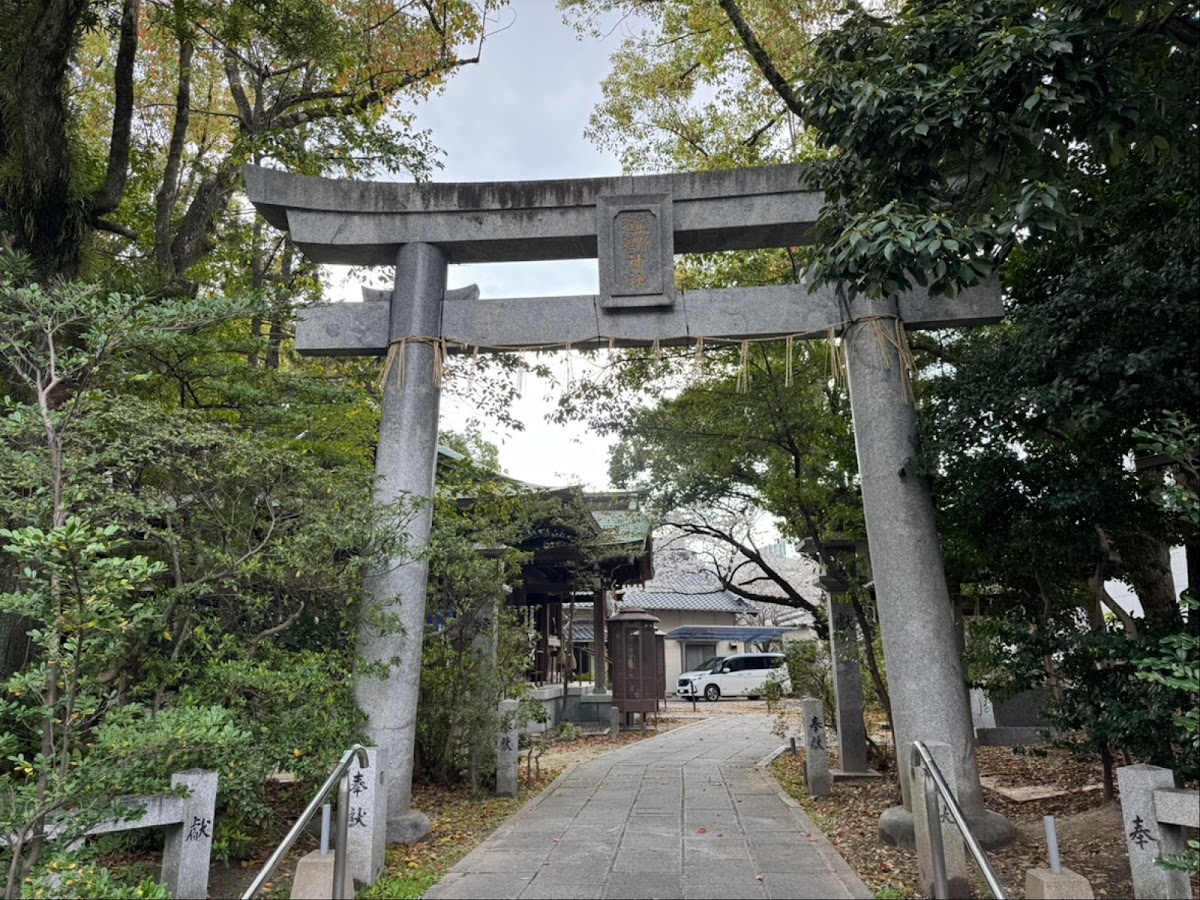
Kifune Shrine in Takano, Kawara Town, is a simple and tranquil shrine deeply rooted in the local community. Surrounded by abundant nature, the shrine grounds offer visitors a tranquil experience.
The shrine buildings are carefully maintained by local parishioners, ensuring a clean and well-organized environment. While not flashy, this simplicity enhances the sacred atmosphere inherent in a Shinto shrine.
Sacred Trees and Natural Environment
Ancient trees stand throughout the shrine grounds and surrounding area, evoking a sense of long history. These trees are witnesses to the shrine’s history, imbuing visitors with a sacred atmosphere.
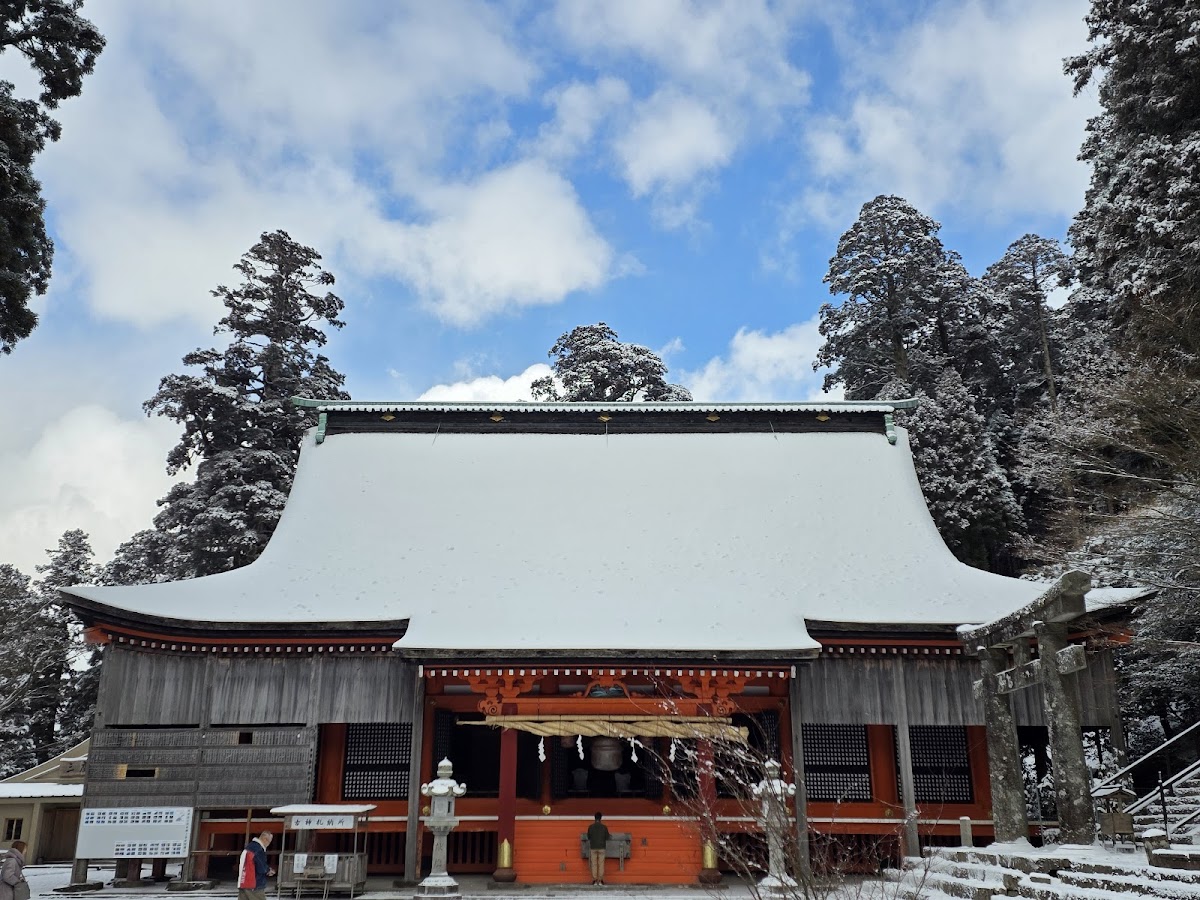
Located amidst the rich natural environment of Kawara Town, Kifune Shrine displays different expressions throughout the seasons. From the fresh greenery of spring, the deep green of summer, the vibrant autumn leaves, to the tranquility of winter, visitors can enjoy a different kind of beauty each season.
Water-Related Facilities
As befits a shrine dedicated to the water god, the grounds feature places where pure water flows and a purification fountain. This water symbolizes the shrine’s divine virtues, purifying worshippers.
Annual Events and Festivals
Main Festivals
At Kifune Shrine (Takano, Kawara-machi), various festivals are held throughout the year. These events, which preserve local traditions and involve parishioners and local residents, serve as important opportunities to deepen community bonds.
Spring Festival
In spring, a festival is held to pray for a bountiful harvest. As the new farming season begins, prayers are offered for abundant harvests and safety.
Autumn Festival
During the autumn harvest season, a festival is held to give thanks for the year’s harvest. It is an important event where local people gather to offer their gratitude to the gods.
Other Events
Traditional Japanese annual events such as New Year’s visits, Setsubun festivals, and summer purification rituals are also held.
Connections with the Community
These festivals are not merely religious ceremonies; they are valuable opportunities for local residents to gather and interact. In rural areas with aging populations, shrine festivals play a vital role in maintaining local communities.
Access Information
Access by Car
From Fukuoka City:
- Approximately 60 minutes via Fukuoka Urban Expressway → Kyushu Expressway → Yahata IC → National Route 201
- Approximately 70 minutes via Fukuoka Urban Expressway → Fukuoka IC → National Route 201
From Kitakyushu City:
- Approximately 40 minutes via Kitakyushu Urban Expressway → Kyushu Expressway → Kokura Higashi IC → National Routes 322 and 201
Nearest Interchange:
- Approximately 30 minutes from Yahata IC on the Kyushu Expressway
- Approximately 25 minutes from Yukuhashi IC on the Higashi-Kyushu Expressway
Regarding parking, there is space for visitors commensurate with the size of the shrine, but it may become crowded during festivals.
Access by Public Transportation
By JR:
- Get off at Kawara Station on the JR Hitahikosan Line.
- Take a taxi or walk from the station (approximately 3-4 km, about 40-50 minutes on foot).
By Bus:
You can access the area on foot from the nearest bus stop using Nishitetsu Bus or local community buses. However, since the number of buses is limited, we recommend checking the timetable in advance.
Notes on Access
- The Takano area of Kawara Town is located in a mountainous area, so there are narrow roads in some places. Please drive with caution.
- When searching with a car navigation system, please enter the address “1164 Takano, Kawara-machi, Tagawa-gun, Fukuoka Prefecture”.
- In winter, there is a possibility of snow and icy roads, so we recommend checking the weather information before visiting.
Nearby Tourist Spots
Kawara-dake (Kawara Mountain)
Kawara-dake, the symbol of Kawara Town, is a mountain with a unique shape consisting of three peaks. Known as a copper-producing area since ancient times, it is said that copper from Mount Kawara was used in the casting of the Great Buddha of Nara. Limestone mining continues today, creating a unique landscape with its eroded mountainside.
Kawara Shrine
A representative ancient shrine of Kawara Town, this is a historically significant shrine listed in the Engishiki (ancient Japanese legal code). Located at the foot of Mount Kawara, it has been revered as the guardian deity of the copper mine.
Around Saidōsho Station
Around Saidōsho Station on the JR Hitahikosan Line, historical sites related to the former copper mine remain. This is a valuable area for learning about Japan’s industrial history.
Tagawa City Coal and History Museum
In the neighboring city of Tagawa, there is a museum where you can learn about the history of the Chikuhō coalfield, which once supported Japan’s energy supply. It is close to Kawara Town, and visiting both together will provide a deeper understanding of the region’s industrial history.
Etiquette and Manners for Visiting a Shrine
Basic Method of Visiting a Shrine
1. Bow Before Passing Through the Torii Gate
Before entering the sacred area, bow before the torii gate. Since the center of the path is considered the path of the gods, it is considered preferable to walk along the edges.
2. Purify Yourself at the Water Basin
- Hold the ladle in your right hand and purify your left hand.
- Switch the ladle to your left hand and purify your right hand.
- Switch the ladle back to your right hand, receive water in your left hand, and rinse your mouth.
- Finally, hold the ladle upright and purify the handle.
3. Worship at the Main Hall
- Place your offering in the offering box.
- Ring the bell if there is one.
- Bow twice, clap twice, and bow once (bowing deeply twice → clapping twice → bowing deeply once).
4. When Leaving
After leaving the torii gate, turn around and bow once.
Attire and Manners for Visiting a Shrine
- No special attire is required, but please dress in a clean and respectful manner.
- It is polite to remove hats and sunglasses in front of the main hall.
- Please refrain from loud noises and disruptive behavior within the shrine grounds.
- Photography is generally permitted, but consideration is needed inside the shrine buildings and during ceremonies.
- Regarding bringing pets to a shrine, regulations vary by shrine, so please check in advance.
Kifune Shrine Network Nationwide
Head Shrine of Kifune Shrines
The head shrine of all Kifune shrines nationwide is Kifune Shrine (Kifune Sohongu), located in Sakyo-ku, Kyoto City, Kyoto Prefecture. Situated on Mount Kifune, the source of the Kamo River, it is an ancient shrine with a history of over 1300 years.
Kifune Shrine in Kyoto has long been revered by the imperial court and nobility as the god of water, and prayers for rain and the cessation of rain have been offered there. Furthermore, it is also known as a shrine for matchmaking, as Izumi Shikibu, a poet of the Heian period, visited it.
Major Kifune Shrines in Fukuoka Prefecture
Besides the Kifune Shrine in Takano, Kawara-machi, Fukuoka Prefecture, there are several other Kifune Shrines:
Kifune Shrine in Meinohama, Nishi-ku, Fukuoka City
Address: 4-17-23 Meinohama, Nishi-ku, Fukuoka City, Fukuoka Prefecture
A Kifune Shrine located within Fukuoka City, it is popular as the guardian deity of urban areas.
Kifune Shrine in Kamihachi, Munakata City
Address: 833-834 Kamihachi, Munakata City, Fukuoka Prefecture
A Kifune Shrine in the Munakata region, it is the center of local water deity worship.
Kifune Shrine in Kokura, Kitakyushu City
A Kifune Shrine located near the TOTO headquarters, it maintains a quiet atmosphere despite being in an industrial area.
Kifune Shrine in Itoda Town, Tagawa District
There is also a Kifune Shrine in Itoda Town, adjacent to Kawara Town, forming a network of water deity worship in the Tagawa region.
Distribution of Kifune Shrines Nationwide
There are approximately 392 Kifune Shrines throughout Japan, widely distributed from Hokkaido in the north to Kyushu in the south. Main regions include:
- Kanto Region: Numerous in Ibaraki and Gunma Prefectures, etc.
- Chubu Region: Distributed in Aichi Prefecture, etc.
- Kinki Region: Numerous, centered around Kyoto Prefecture where the head shrine is located
- Kyushu Region: Distributed throughout various prefectures, centered around Fukuoka Prefecture
These Kifune Shrines are worshipped in their respective regions as deities who protect water sources and support agriculture and daily life.
History and Culture of Kawara Town
Overview of Kawara Town
Kawara Town is a town located in the northeastern part of Fukuoka Prefecture, belonging to Tagawa District. It is a small town with a population of approximately 10,000, but it has a rich history dating back to ancient times.
There are several theories about the origin of the town’s name. One theory suggests it was named “Kaoru Haru” (fragrant spring) because of the scent of smoke from the copper mine, while another suggests it derives from “Kara” (Korean), due to the large number of immigrants from the Korean Peninsula who lived there.
History of the Copper Mine
The copper mine on Mount Kawara is essential to understanding the history of Kawara Town. The *Shoku Nihongi* (Continued Chronicles of Japan) records that copper produced from Mount Kawara in 749 during the Nara period was offered for the casting of the Great Buddha of Nara.
This copper mine continued to be mined from ancient times to the modern era, playing a crucial role in Japan’s industrial history. While copper mining has ceased, limestone mining continues, creating the unique mountain landscape.
History as a Coal Mining Town
From the Meiji era onward, the Tagawa region, including Kawara Town, developed as the center of the Chikuhō coalfield. Many coal mines were developed, attracting workers from all over the country, and the town flourished.
Although the population has been declining since the closure of the coal mines, its history remains visible throughout the town, and efforts are underway to preserve and utilize it as industrial heritage.
Modern Kawara Town
Modern Kawara Town is promoting town development that leverages its rich natural environment and historical heritage. Agriculture focuses on rice cultivation, but also includes the cultivation of vegetables and fruit trees.
Furthermore, taking advantage of its geographical location midway between Fukuoka City and Kitakyushu City, development as a residential area is also progressing. As a town that combines history, nature, and convenience, it is promoting new attractions.
Water God Worship and Japanese Culture
Origins of Water God Worship
Water god worship in Japan is thought to have begun with the introduction of rice cultivation. Abundant and stable water supply is essential for rice cultivation, and the belief in gods who protect water sources became the foundation of agricultural society.
Water is the source of life and is indispensable to people’s lives not only for agriculture but also as drinking water and for daily life. Therefore, gods who control water have been revered as one of the most important deities since ancient times.
Relationship with Dragon God Worship
The deities enshrined at Kifune Shrine, Takaokami-no-kami and Kuraokami-no-kami, are water gods with the characteristics of dragon gods. While dragons are mythical creatures introduced from China, in Japan they have long been worshipped as sacred beings that control water and rain.
Dragons were believed to possess the power to summon clouds and bring rain, making them ideal deities for agriculture. Furthermore, by likening the flow of water to the form of a dragon, natural phenomena were deified and treated with reverence.
Water God Worship in Modern Times
In modern times, with the development of water supply systems, the crisis of severe water shortages seen in the past has decreased. However, problems such as extreme weather events, droughts, and floods due to climate change still exist, and the importance of water remains unchanged.
Shrines dedicated to water gods, including Kifune Shrine, continue to hold significant importance in modern times as places that remind us of gratitude for the blessings of water and reverence for nature.
Visitor Voices and Experiences
Local Residents’ Faith
For the residents of Takano district in Kawara Town, Kifune Shrine is a familiar presence deeply integrated into their lives. Many participate in festivals from childhood, deepening their connection with the shrine as they grow older, demonstrating a faith passed down through generations.
For those engaged in agriculture, it remains an important place to pray for a bountiful harvest, and they never fail to offer thanks before planting and after harvest each year.
Visitor Impressions
Visitors from afar often describe the shrine as having a “quiet and peaceful atmosphere” and a “warm, community-rooted feel.” Some say that its unpretentious nature, unspoiled by tourism, actually enhances the shrine’s inherent sacred atmosphere.
For those who enjoy visiting Kifune Shrines throughout Japan, the Kifune Shrine in Takano, Kawara Town, is known as a shrine well worth visiting.
The Future and Preservation Activities of Kifune Shrine (Takano, Kawara Town)
Challenges in Maintenance
A common challenge faced by small, rural shrines is the decline in parishioners due to depopulation and an aging population. Kifune Shrine in Takano, Kawara Town, is no exception, facing challenges in maintaining the shrine buildings and continuing the traditions of festivals.
Local Initiatives
However, local residents have a strong attachment to the shrine, and maintenance activities continue, primarily through the parishioner organization. Many people cooperate to the extent possible, participating in activities such as cleaning and preparing for festivals, thus protecting the shrine.
Furthermore, efforts are being made to pass on the history and significance of the shrine to younger generations, striving to ensure the continuation of tradition.
Value as a Cultural Asset
There are movements to re-evaluate the value of Kifune Shrine as a valuable cultural heritage site that conveys the history of the region, and to preserve and utilize it. New possibilities are being explored, such as using it as a tourist resource for Kawara Town and as a place for historical learning.
Summary
Kifune Shrine, located in Takano, Kawara-machi, Tagawa-gun, Fukuoka Prefecture, is a historic shrine dedicated to the water god, and is an important presence that conveys the history and culture of the region to the present day. As one of approximately 392 Kifune Shrines nationwide, it is part of a network of water deity worship that originates from the main shrine in Kyoto.
Since ancient times, it has been worshipped as the god who presides over the blessings of water, which is indispensable for agriculture and daily life, and is believed to bring various blessings such as abundant harvests, family safety, and matchmaking. The simple and tranquil grounds offer visitors a sacred experience.
Kawara-machi has played a significant role in Japan’s industrial history, from ancient copper mines to modern coal mines. Throughout this history, Kifune Shrine has always been a spiritual anchor for the local people.
Even today, Kifune Shrine continues to play an important role as the center of the local community and as a place to remember gratitude for the blessings of water. When you visit Fukuoka Prefecture, be sure to stop by Kifune Shrine in Takano, Kawara Town, and experience its tranquil atmosphere and the deeply rooted faith of the community.
Spending time offering prayers of gratitude to the water god in the shrine grounds, surrounded by abundant nature, will be a precious experience away from the hustle and bustle of everyday life. By experiencing the history, culture, and faith of the people of Kawara Town, you will surely rediscover the values that have been cherished in Japanese communities.