Tsurugaoka Hachiman Shrine (Kawara-machi, Tagawa-gun, Fukuoka Prefecture) Complete Guide | History, Yabusame Ritual, and Goshuin Information
Tsurugaoka Hachiman Shrine, situated on a small hilltop in Kawara-machi, Tagawa-gun, Fukuoka Prefecture, is a venerable shrine with a history of approximately 850 years. With its legend of being founded by Chinzei Hachiro Tametomo, its annual Yabusame ritual held in autumn, and its status as a representative historical spot in the Chikuhō area, it is beloved by many visitors as well as locals. This article comprehensively introduces information you should know before visiting Tsurugaoka Hachiman Shrine, including its history, enshrined deities, highlights, event information, goshuin (shrine stamps), and access methods.
History and Origins of Tsurugaoka Hachiman Shrine
Legend of Founding by Chinzei Hachiro Tametomo
The founding of Tsurugaoka Hachiman Shrine dates back to the second year of Ninpei (1152). In this year, when Minamoto no Tametomo, known as Chinzei Hachiro, moved from Usuki in Bungo Province to Minami-Ohara in Magane-sho (present-day Kawara Town), he is said to have enshrined a divided spirit of Tsurugaoka Hachimangu Shrine in Kamakura, the tutelary deity of the Minamoto clan, marking the beginning of the shrine’s existence.
Minamoto no Tametomo was the eighth son of Minamoto no Tameyoshi and is known as a warrior who played an active role in the Hogen Rebellion. His bravery and archery skills are legendary, and he was a feared figure even in Kyushu, known as “Chinzei Hachiro.” Tametomo’s enshrinement of Hachiman, the guardian deity of the Minamoto clan, in this area is an important historical fact that illustrates the spread of Hachiman worship in the samurai society of that time.
A local shrine with a history of approximately 850 years
Tsurugaoka Hachimangu Shrine was classified as a local shrine in the old shrine ranking system and has long been revered by local people as the tutelary deity of the Kagami-yama district of Kawara Town. Over its long history of approximately 850 years since its founding, the shrine has preserved its faith and traditions while undergoing several repairs and renovations.
Kawara Town flourished as a copper producing area from ancient times, and the region centered around Mount Kawara was historically important. Tsurugaoka Hachiman Shrine, located in this area, has played a vital role as a central figure in the region’s history and culture to this day.
Deities and Divine Virtues
Three deities are enshrined at Tsurugaoka Hachiman Shrine.
Emperor Ōjin
The 15th Emperor, widely worshipped as Hachiman-sama. Known as the god of military fortune and victory, he was deeply revered by samurai families, including the Minamoto clan. He is also worshipped as a god of industrial development and national protection.
Empress Jingū
The mother of Emperor Ōjin, a female deity known for the legend of her conquest of the Three Kingdoms of Korea. This shrine is revered as a deity of safe childbirth, child-rearing, and victory, and is especially popular among women.
Tamayorihime-no-Mikoto
This goddess is known as the goddess of the sea and water. She is believed to grant blessings for matchmaking, safe childbirth, and fertility, and is also considered highly effective for prayers for family safety and abundant harvests.
These enshrined deities are believed to bestow blessings on all aspects of people’s lives, including military fortune, safe childbirth, family safety, and abundant harvests, attracting worshippers with various wishes.
Highlights of the Shrine Grounds
The Approach and Three Torii Gates
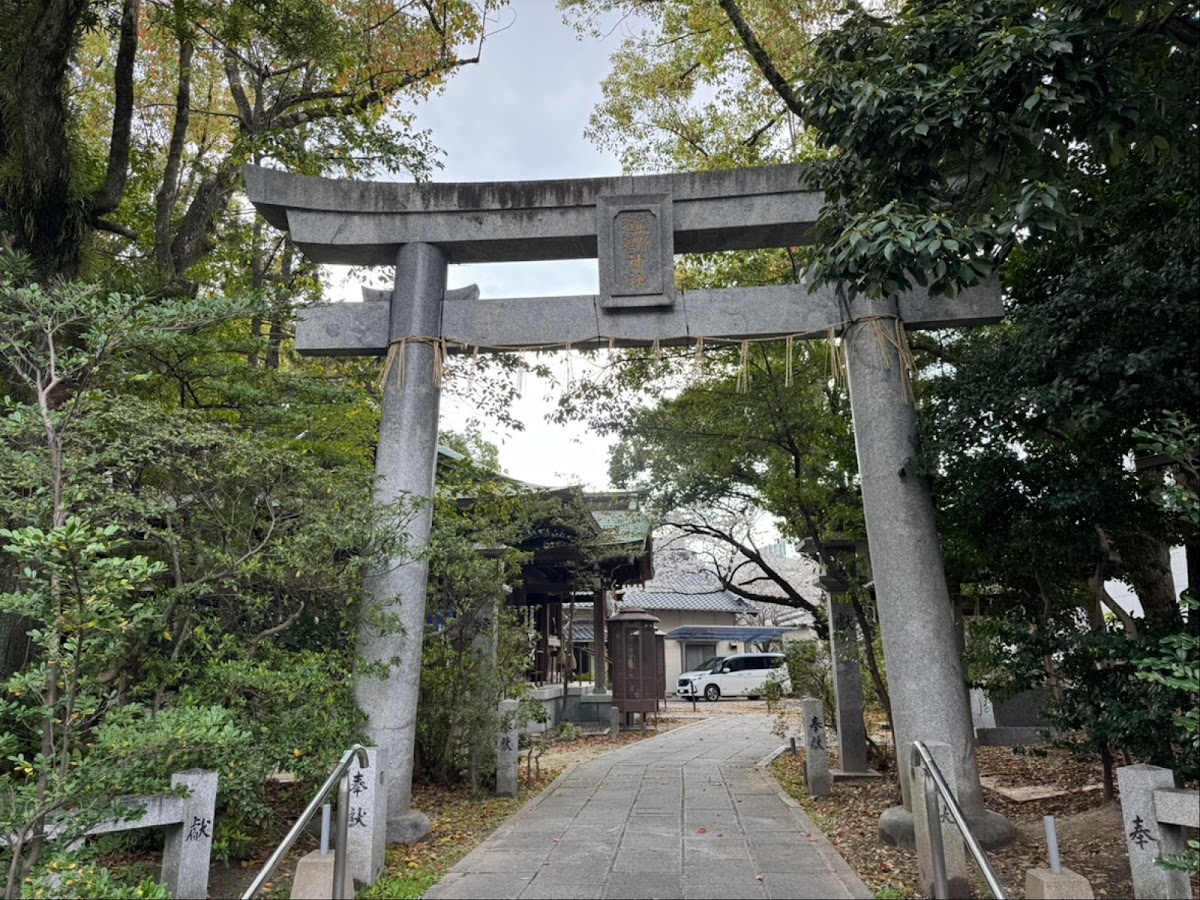
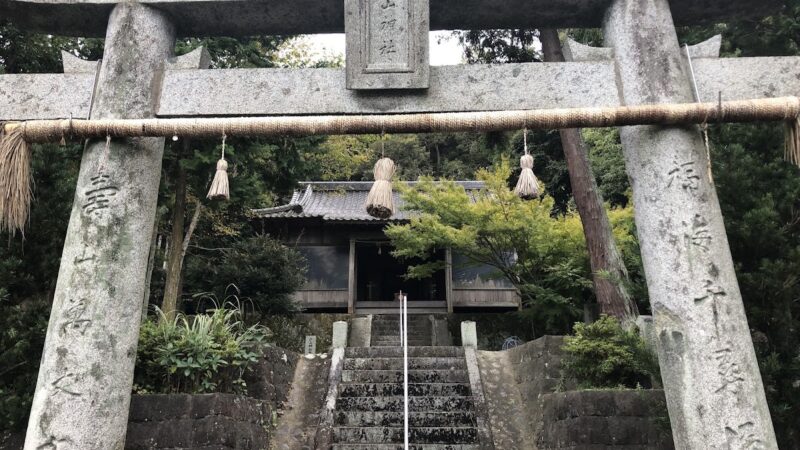
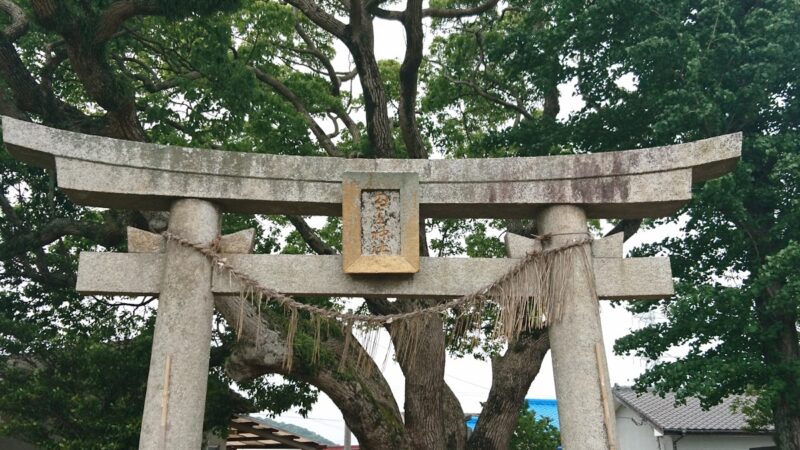
The approach to Tsurugaoka Hachimangu Shrine is a stone staircase leading from the foot of the mountain to the shrine at the summit. Three torii gates—the first, second, and third—are positioned along the approach, and passing through each one evokes a solemn atmosphere as one approaches the sacred realm.
The climb up the stone steps requires a bit of stamina, but the quiet environment surrounded by nature allows you to escape the hustle and bustle of everyday life and find peace of mind. Especially during the seasons of fresh greenery and autumn leaves, the beauty of nature enriches the pilgrimage experience.
Shrine Name Marker and Komainu (Guardian Dogs)
A magnificent shrine name marker stands on the grounds, inscribed with the words “Tsurugaoka Hachiman Shrine.” Komainu are also placed along the approach to the shrine, guarding the sacred area. These komainu have been donated over a long history and possess a dignified presence that reflects their age.
Water Basin
Before the main hall is a water basin where you can purify your body and mind before praying. It is important to follow the proper etiquette for purifying your hands and mouth, and to pray to the gods with a pure heart.
Main Hall and Honden (Main Sanctuary)
The main hall, built on the mountaintop, is constructed in the traditional shrine architectural style, and its warm, wooden appearance is impressive. Behind the worship hall is the main shrine, where three deities are enshrined. The main shrine is built in the style of Hachiman shrines and is a historically valuable structure.
From the worship hall, you can overlook the townscape of Kawara, offering a magnificent view. Especially on clear days, you can enjoy a panoramic view of the Chikuhō area.
Shrines within the Precincts
In addition to the main shrine, several smaller shrines are enshrined within the grounds. Each of these small shrines has its own history and is revered by the local people.
Autumn Grand Festival “Miyabi Festival” and Yabusame Ritual
Must-See Traditional Events
The most famous event at Tsurugaoka Hachiman Shrine is the Autumn Grand Festival “Miyabi Festival,” held every October. The highlight of this festival is the traditional Yabusame ritual.
Yabusame is a martial art in which archers shoot at targets from horseback while galloping, and it is a traditional event of the samurai class that has continued since the Kamakura period. The Yabusame (mounted archery) ritual at Tsurugaoka Hachimangu Shrine is known as a magnificent and powerful ritual, befitting a shrine established by Minamoto no Tametomo, a warrior of the Minamoto clan.
Details of the Yabusame Ritual
In the Yabusame ritual, archers, clad in traditional attire, ride horses and gallop around a 200-meter track, shooting arrows at three targets in succession. The sounds of hooves, bows, and arrows hitting the targets resonate throughout the area, captivating the audience.
Hitting the targets symbolizes a prayer for a bountiful harvest and good health, and the arrows that hit the targets are cherished as lucky charms. It is an important annual festival for the local people, attracting many spectators.
Dates of the Miyabi Festival
The Miyabi Festival is held annually on the third Sunday of October or around that date. In addition to the Yabusame (mounted archery) ritual, there will be a portable shrine procession, devotional performances, and food stalls, creating a festive atmosphere throughout the area. When visiting, it is recommended to check the event schedule in advance with the Kawara Town Hall or the Tourism Association.
Goshuin (Shrine Seal) Information
About the Issuance of Goshuin
Goshuin (shrine seals) are available at Tsurugaoka Hachimangu Shrine. Goshuin are popular among many visitors as proof of worship and a memento of their connection with the shrine.
Goshuin are usually available at the shrine office or the priest’s residence, but since the office is not always open, it is recommended to contact them in advance before visiting. The chances of receiving a goshuin are higher, especially during festivals and on weekends.
Goshuin Design
The goshuin at Tsurugaoka Hachimangu Shrine features the shrine’s name written in ink and stamped with a red seal. The simple yet powerful calligraphy conveys the history and prestige of the shrine. Bring your goshuincho (seal book) and have it carefully inscribed. ## Collaboration with Kawara Town Historical Museum
When visiting Tsurugaoka Hachiman Shrine, be sure to also visit the Kawara Town Historical Museum. The museum is a facility where you can learn about the history and culture of Kawara Town, exhibiting its development from ancient times to the modern era.
Highlights of the Kawara Town Historical Museum
The Kawara Town Historical Museum features a wide range of exhibits, including the history of copper mining on Mount Kawara, materials related to the ancient Kawara clan, and folk cultural properties of Kawara Town. Materials related to the history of Tsurugaoka Hachiman Shrine and the Yabusame (mounted archery) ritual are also on display, and visiting before or after visiting the shrine will provide a deeper understanding.
The museum is located near the Kawara Town Hall, just a few minutes’ drive from the shrine. It is recommended to check the opening hours and closing days in advance.
Historical Background of Kawara Town
Kawara Town has been known as a copper producing area since ancient times, and there are records indicating that copper from Kawara was used in the construction of the Great Buddha of Nara. Mount Kawara is a distinctive mountain consisting of three peaks, and is known for the significant changes in the shape of Ichinodake (first peak) due to years of mining.
Understanding this historical background allows for a deeper understanding of the significance of Tsurugaoka Hachimangu Shrine’s location in this area and the importance of the shrine to the region.
Nearby Spots
Kawara Shrine
Kawara Shrine, located near Tsurugaoka Hachimangu Shrine, is also a shrine worth visiting. Kawara Shrine (pronounced “Kawara Jinja”) is an ancient shrine dedicated to the deity of Mount Kawara. It boasts a history dating back to ancient times and is revered as the guardian shrine of Kawara Town.
Mount Kawara
Mount Kawara, a symbol of Kawara Town, consists of three peaks: Ichinodake, Ninodake, and Sannodake. It has been worshipped as a sacred mountain since ancient times and has also played an important role as a copper producing area. The hiking trails are well-maintained, making it easy to enjoy hiking.
Sightseeing in the Chikuhō Area
Kawara Town, where Tsurugaoka Hachimangu Shrine is located, is situated in the Chikuhō area. The surrounding area is dotted with facilities that tell the history of coal mining, as well as numerous natural tourist spots. Visiting places where you can experience the history and nature of Chikuhō, such as the Tagawa City Coal and History Museum and Mount Hiko, is also highly recommended.
Basic Information and Access
Facility Information
Name: Tsuruoka Hachiman Shrine
Address: Kagami-yama, Kawara-machi, Tagawa-gun, Fukuoka Prefecture
Phone Number: Kawara Town Hall 0947-32-2511 (Inquiries regarding tourism)
Visiting Hours: Grounds are freely accessible (Please check the hours of the shrine office)
Admission Fee: Free
Parking: Available (Limited number of spaces, may be crowded during festivals)
Access by Car
- Approximately 30 minutes from Kokura-Higashi IC on the Kyushu Expressway via National Route 322
- Approximately 50 minutes from Fukuoka IC on the Kyushu Expressway
- Approximately 25 minutes from Yukuhashi IC on the Higashi-Kyushu Expressway
Proceed towards Kawara Town Hall, then follow the signs towards Kagami-yama. The shrine is located on a small hill, so you will need to climb a narrow mountain path.
Access by Public Transportation
- Get off at JR Hitahikosan Line “Kawara Station,” approximately 20 minutes on foot (including mountain path).
- Get off at Nishitetsu Bus “Kawara” bus stop, approximately 15 minutes on foot.
When using public transportation, you will need to walk from the station or bus stop to the shrine, which involves climbing slopes and stone steps. We recommend wearing comfortable shoes and clothing.
Precautions for Visiting the Shrine
- The shrine is located at the top of a mountain, so you will need to climb stone steps. If you are not confident in your physical strength, please do not push yourself and climb slowly, taking breaks as needed.
- Bringing insect repellent spray during the summer will make your visit more comfortable.
- The stone steps can become slippery in rainy weather, so please be careful of your footing.
- If you wish to receive a Goshuin (shrine stamp), we recommend contacting the shrine in advance to confirm availability.
- The parking lot can get crowded during festivals, so please try to arrive early.
The Charm of Tsurugaoka Hachiman Shrine
A Quiet Sacred Place on a Mountain
The greatest charm of Tsurugaoka Hachiman Shrine lies in its location on the top of a small mountain. The shrine grounds, reached after climbing the stone steps, offer a tranquil space far removed from the hustle and bustle of everyday life, allowing for peaceful worship. The view from the mountaintop is also magnificent, offering panoramic views of the town of Kawara and the surrounding mountains.
Inheritance of History and Tradition
With a founding legend dating back approximately 850 years to the enshrinement of Chinzei Hachiro Tametomo, and the annual Yabusame (mounted archery) ritual, Tsurugaoka Hachiman Shrine carries on a long history and tradition. As a shrine dedicated to Hachiman, the tutelary deity of the Minamoto clan, it is a valuable place where one can feel the history of samurai culture.
A Faith Rooted in the Community
Tsurugaoka Hachiman Shrine is a familiar tutelary deity to the people of Kawara town. From daily worship to annual events, it is deeply intertwined with the lives of the local people. The autumn Miyabi Festival, in particular, is an important event involving the entire community, allowing visitors to feel the strong bonds of the local community centered around the shrine.
Nature in Every Season
The shrine, located on a mountaintop, is surrounded by abundant nature, allowing visitors to enjoy the scenery of each season. The fresh greenery of spring, the deep green of summer, the vibrant autumn leaves, and the crisp air of winter—each season presents a different face. Visiting the shrine amidst nature is ideal for refreshing both mind and body.
Manners and Etiquette for Visiting the Shrine
When visiting the shrine, please observe the following basic manners.
How to Pass Through the Torii Gate
The torii gate is the entrance to the sacred area. Bow before passing through the gate, and walk along the edge of the path, avoiding the center. This is because the center is considered the path of the gods.
Proper Hand-Washing Ritual
- Hold the ladle in your right hand and wash your left hand.
- Switch the ladle to your left hand and wash your right hand.
- Switch the ladle back to your right hand, receive water in your left hand, and rinse your mouth.
- Wash your left hand once more.
- Hold the ladle upright, let water flow over the handle, and return it to its original place.
Worship at the Main Hall
- Gently place your offering in the offering box.
- If there is a bell, ring it.
- Bow twice (two deep bows).
- Clap twice (two claps).
- Bow once (one deep bow).
This is the general “two bows, two claps, one bow” ritual.
Summary
Tsurugaoka Hachiman Shrine in Kawara-machi, Tagawa-gun, Fukuoka Prefecture, is a venerable shrine with a history of approximately 850 years. With its legend of being founded by Chinzei Hachiro Tametomo, its status as a shrine dedicated to three deities—Emperor Ojin, Empress Jingu, and Tamayorihime—and the traditional Yabusame (mounted archery) ritual held every autumn, Tsurugaoka Hachimangu Shrine is well-known not only locally but also widely.
While its location on a small hilltop requires some physical exertion to reach, it offers a tranquil environment and stunning views, making it a truly captivating place. Visiting it in conjunction with nearby spots such as the Kawara Town Historical Museum, Kawara Shrine, and Mount Kawara allows for a deeper experience of the history and culture of the Chikuhō area.
Especially during the Miyabi Festival in October, the magnificent Yabusame ritual is a must-see event. For those collecting Goshuin (shrine stamps), the stamp from this historic shrine will be a precious and valuable item.
If you are visiting Fukuoka Prefecture or planning a trip to the Chikuhō area, be sure to visit Tsurugaoka Hachimangu Shrine. You will have a memorable pilgrimage experience where history and tradition, nature and faith harmonize.