Complete Guide to Susa Shrine (Tsuno, Soeda-machi, Tagawa-gun, Fukuoka Prefecture) | History and Deities of the Takagi Shrine’s Subsidiary Shrine
Susa Shrine, located in Tsuno, Soeda-machi, Tagawa-gun, Fukuoka Prefecture, is a shrine that attracts local devotion as a subsidiary shrine of Takagi Shrine. This article provides a detailed introduction to the deities enshrined at Susa Shrine, its origins, the appearance of its grounds, and its relationship with Takagi Shrine.
Basic Information on Susa Shrine
Susa Shrine is enshrined as a subsidiary shrine of Takagi Shrine, located at 2227 Tsuno, Soeda-machi, Tagawa-gun, Fukuoka Prefecture. It is also known locally as Gion Shrine and has been an object of worship for local residents since ancient times.
Location and Access
- Address: 2227 Tsuno, Soeda-machi, Tagawa-gun, Fukuoka Prefecture 824-0411 (within the grounds of Takagi Shrine)
- Region: Chikuhō region, Shimotsuno area, Soeda-machi, Tagawa-gun
- Nearest Station: Approximately 10 minutes by car from Soeda Station on the JR Hitahikosan Line
Located to the left of the main hall of Takagi Shrine, it is easily found when strolling through the shrine grounds.
Deities and Divine Status of Susa Shrine
Main Deity: Susanoo-no-Mikoto
The deity enshrined at Susa Shrine is Susanoo-no-Mikoto. In Japanese mythology, Susanoo-no-Mikoto is known as the younger brother of Amaterasu-Ōmikami and is famous for the myth of slaying the Yamata-no-Orochi (eight-headed serpent).
The divine attributes of Susanoo-no-Mikoto include the following characteristics:
- God of Protection Against Evil and Disaster: Possessing a fierce divinity, he has the power to repel evil.
- God of Protection Against Plague: Associated with Gion faith, he protects people from disease.
- God of Agriculture: Also worshipped as a god who brings abundant harvests.
- God of Matchmaking: Due to the myth of his marriage to Inada-hime-no-Mikoto, he is also believed to bring blessings for matchmaking.
Characteristics as a Gion Shrine
While introduced as Susa Shrine in the Fukuoka Prefecture Shrine Register, it is also known as Gion Shrine in the region. Gion faith is a faith with Yasaka Shrine in Kyoto as its head shrine, and it enshrines Susanoo-no-Mikoto, and is particularly known for its blessings of protection against plague.
Origin and History of Susa Shrine
Relationship with Susa Shrine in Motonaga, Yukuhashi City
Since the enshrined deity of Susa Shrine is the same as that of Susa Shrine in Motonaga, Yukuhashi City, it is likely that the deity was invited from there. Susa Shrine in Motonaga, Yukuhashi City, has long been known as a center of Gion worship, and it is presumed that a divided spirit was brought to the Tsuno area from there.
Changes in Local Beliefs
The Tsuno area of Soeda Town has long been a settlement centered on agriculture, and beliefs praying for abundant harvests and protection from disease were deeply rooted. It is thought that the enshrinement of Susa Shrine as a subsidiary shrine of Takagi Shrine formed a comprehensive place of worship for the region.
Relationship with Takagi Shrine
Understanding the relationship with its parent shrine, Takagi Shrine, is important for understanding Susa Shrine.
Overview of Takagi Shrine
Takagi Shrine is a Shinto shrine located at 2227 Tsuno, Soeda-machi, Tagawa-gun, Fukuoka Prefecture. It enshrines the following deities:
- Takamimusubi-no-kami: God of creation, god who generates and nurtures all things
- Omoikane-no-mikoto: God of wisdom and prudence
The deities enshrined at Takagi Shrine are gods who played important roles in the myth of the descent of the heavenly grandchild and have been revered as guardian deities of the region.
Role as a Subsidiary Shrine
In addition to Susa Shrine, Kotohira Shrine is also enshrined within the grounds of Takagi Shrine. These subsidiary shrines serve to meet a wider range of religious needs by enshrining deities with different divine attributes than the main deity.
Susa Shrine has particularly served as:
- A place of worship for warding off disease and misfortune
- A center of Gion faith
- An important site for rituals in local traditional events
Shrine Grounds and Highlights
Shrine Building Layout
The grounds of Takagi Shrine are neatly arranged around the main hall. Susa Shrine is located to the left of the main hall, allowing visitors to proceed to the subsidiary shrines after paying their respects at the main hall.
Distinctive Komainu (Guardian Lion-Dogs)
Takagi Shrine has several distinctive komainu within its grounds:
- Standing Komainu: Rare standing komainu welcome visitors
- Rabbit Komainu: Rare rabbit-themed komainu, rare even nationwide, have been dedicated here.
These komainu are valuable cultural assets that speak to the depth and uniqueness of the local faith.
Torii Gate and Stone Steps
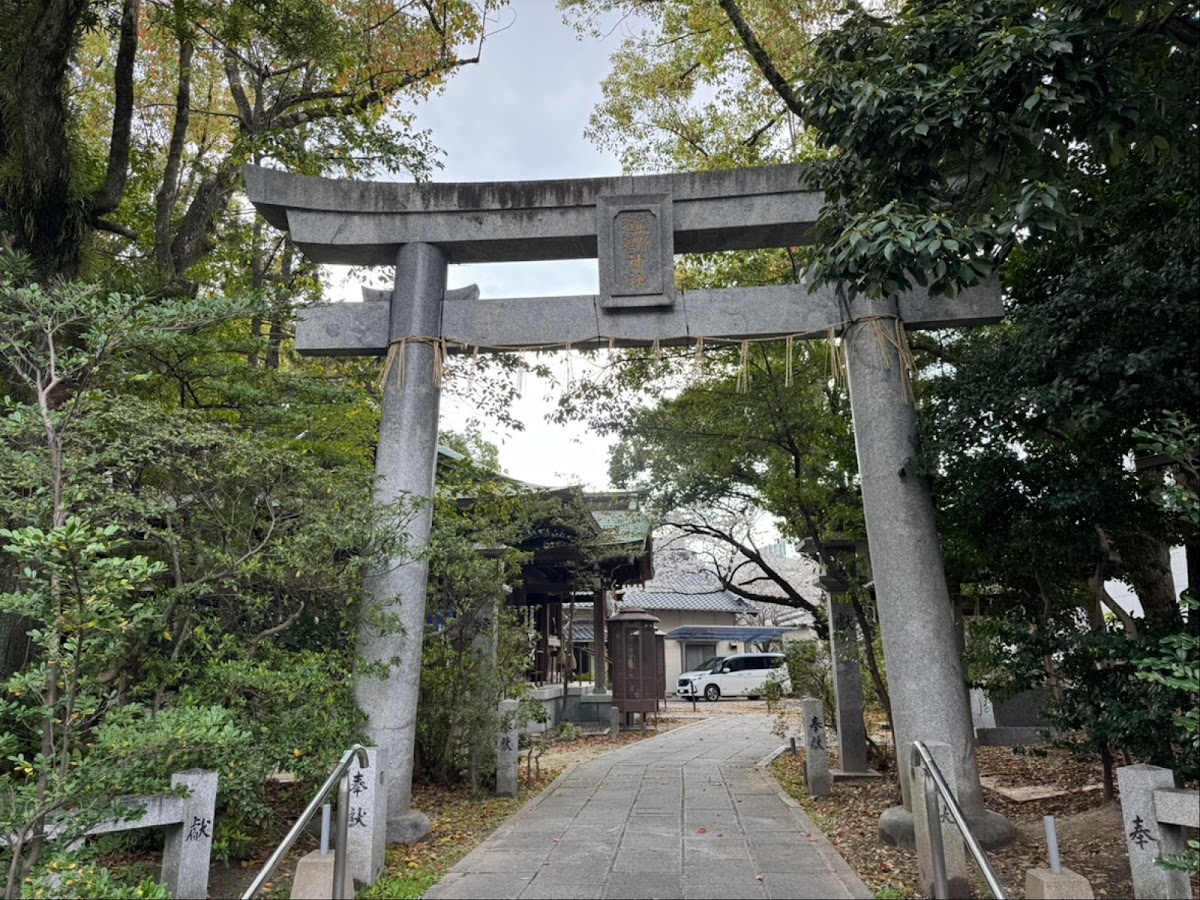
Takagi Shrine has a first torii gate, from which stone steps lead up to the shrine grounds. Komainu (guardian lion-dogs) are placed along the steps, welcoming visitors. The shrine grounds are well-maintained, allowing visitors to stroll and enjoy the changing seasons.
Enclosure and Rear of the Main Hall
The main hall of Takagi Shrine is protected by an enclosure, allowing visitors to see the area behind the hall. This is valuable information for understanding the characteristics of shrine architecture.
Shinkosai Festival and Local Festivals
Shinkosai Festival of Shimotsuno Takagi Shrine
At Takagi Shrine in Tsuno, Soeda Town, the Shinkosai Festival is held annually from May 3rd to 4th. This festival is a traditional event boasting a history of over 200 years.
Characteristics of the Shinko-sai Festival
- Date: May 3rd-4th every year
- Location: Shimotsuno Takagi Shrine (Tsuno, Shimotsuno, Soeda Town)
- Main Rituals: Traditional lion dance and musical performance
- Features: A magnificent performance accompanied by flute and drum music
Role of Susa Shrine
In the Shinko-sai Festival, Susa Shrine functions as an important site for rituals praying for the eradication of disease and protection from evil. Rituals based on Gion faith are performed, making it a place to pray for the peace and security of the region.
Tradition of the Lion Dance
The lion dance, which has continued for over 200 years, is a source of pride for the region and is being passed down to younger generations. The lion dance embodies the meaning of warding off evil spirits and praying for a bountiful harvest, and is deeply connected to the divine nature of Susanoo-no-Mikoto, the enshrined deity of Susa Shrine.
The Position of Susa Shrines in Soeda Town’s Shrine Culture
Major Shrines in Soeda Town
Besides Takagi Shrine, which includes Susa Shrine, Soeda Town has other important shrines:
- Hikosan Jingu: Nationally known as a sacred site of Shugendo (mountain asceticism)
- Kamo Shrine: Worshipped as the local tutelary deity
- Other Shrines within the Precincts: Small shrines rooted in various regions
Shrine Network in the Chikuhō Region
The Chikuhō region is a region within Fukuoka Prefecture with its own unique history and culture. Susa Shrine is positioned as a center of Gion faith in this region, within a network of other Susa Shrines and Gion shrines.
In particular, its relationship with Susa Shrine in Motonaga, Yukuhashi City, is an important example demonstrating the spread of faith from the Chikuhō region to the Keichiku region.
Etiquette and Manners for Visiting a Shrine
Basic Method of Visiting a Shrine
When visiting Susa Shrine, it is customary to first visit the main hall of Takagi Shrine before proceeding to the subsidiary shrines within the grounds.
- Bow at the First Torii Gate: Bow before entering the shrine grounds.
- Purify at the Water Basin: Cleanse your hands and mouth.
- Visit the Main Shrine: Worship using the two bows, two claps, and one bow ritual.
- Visit the Subsidiary Shrines: Visit the subsidiary shrines, including the Susa Shrine.
- Stroll through the Shrine Grounds: Admire the guardian lion-dogs and shrine buildings.
- Bow Upon Exit: Turn around and bow when leaving the torii gate.
Photography Etiquette
Photography is generally permitted on the shrine grounds, but please observe the following:
- Refrain from taking photos inside the main shrine.
- Refrain from taking photos during Shinto rituals.
- Be considerate of other worshippers.
- Use flash photography sparingly.
Nearby Attractions and Tourist Information
Hikosan Shrine
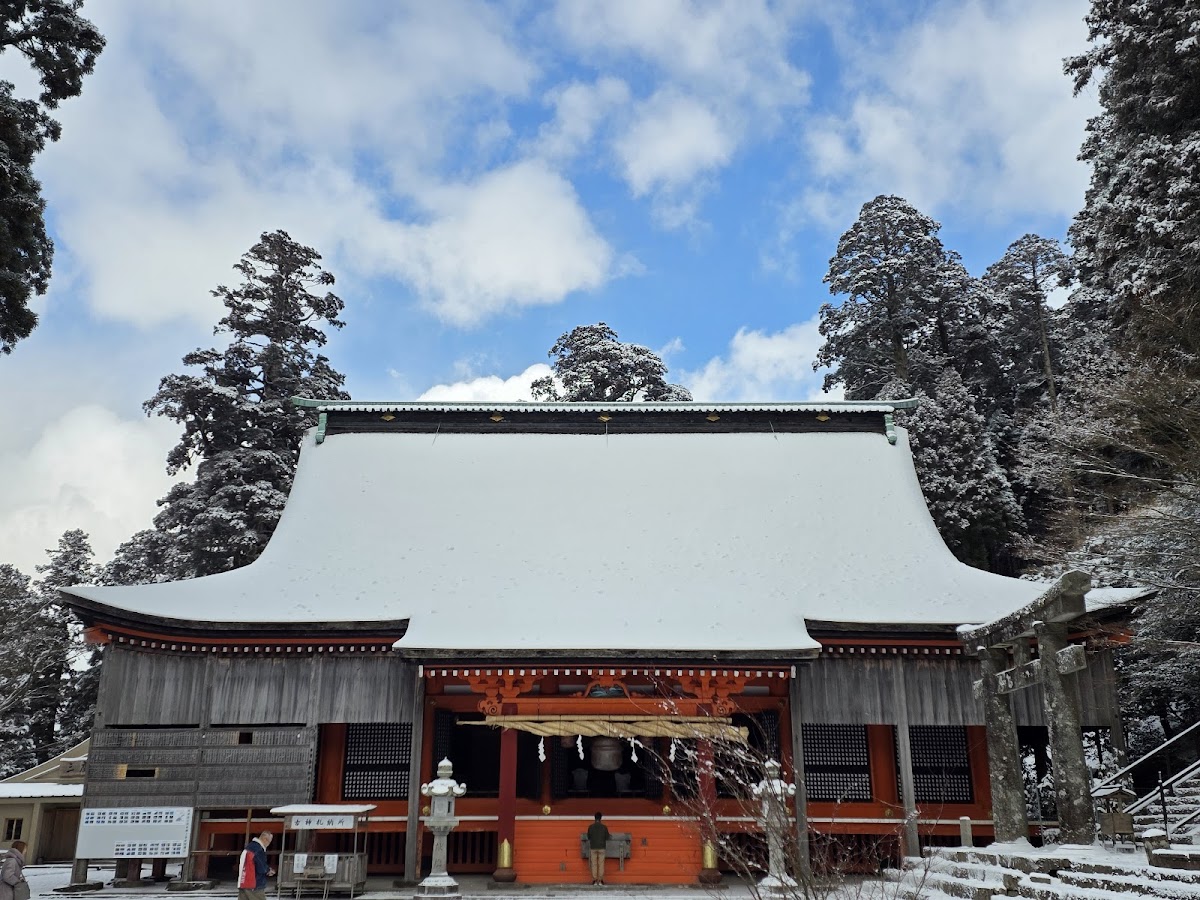
Hikosan Shrine, a representative tourist spot in Soeda Town, is located about 20 minutes by car from Susa Shrine. It boasts a history of over 1300 years as a sacred site of Shugendo (mountain asceticism) and has numerous buildings designated as important national cultural properties.
Nature of Soeda Town
Soeda Town is blessed with abundant nature centered around Mount Hikosan. Visitors can enjoy the scenery of each season, and it is a popular spot for mountain climbing and hiking.
Local Specialties
- Wild Vegetables of Mount Hikosan: Bracken, fiddlehead ferns, etc.
- Local Sake: Sake brewed in breweries in the Chikuhō region
- Agricultural Products: Rice, vegetables, etc.
Significance of Visiting Susa Shrine
Inheritance of History and Culture
Susa Shrine is a valuable place that conveys the history and culture of the region to the present day. While being a subsidiary shrine, its continued maintenance of its unique beliefs demonstrates the diversity of Japanese folk beliefs.
Center of the Local Community
Through festivals such as the Shinko-sai (procession of the deity), Susa Shrine plays a vital role in strengthening the bonds of the local community. Its tradition, spanning over 200 years, is a source of pride and identity for the local people.
Spiritual Sanctuary
Even in modern society, Susa Shrine functions as a spiritual sanctuary for local residents. Worshippers seeking protection from disease and misfortune continue to flock to the shrine, demonstrating the enduring faith in Susanoo-no-Mikoto.
Records by the Fukuoka Prefectural Shrine Association
According to records by the Fukuoka Prefectural Shrine Association, Takagi Shrine is registered as an important shrine in the Chikuhō area, and both it and its subsidiary shrine, Susa Shrine, are recognized as centers of local faith.
The Fukuoka Prefectural Shrine Register contains detailed records of the deities and history of Susa Shrine, making these materials valuable sources for local history research.
Visitor Voices and Experiences
Visitors who have come to Susa Shrine have shared the following comments:
- “The grounds of Takagi Shrine were tranquil and a peaceful space.”
- “I was deeply moved to see the rare guardian lion-dogs.”
- “The lion dance at the Shinko-sai festival was spectacular, and I truly felt the splendor of the region’s traditions.”
- “I felt refreshed after visiting Susa Shrine.”
Future Preservation and Transmission
Value as Cultural Assets
The grounds of Susa Shrine and Takagi Shrine are important cultural assets that tell the history of the region. The shrine buildings, guardian lion-dogs, stone steps, and other structures and stonework require appropriate preservation and management.
Transmission of Traditional Events
The transmission of traditional events, including the Shinko-sai festival, to younger generations is a challenge. Cooperation from local residents and understanding and support from outside are crucial.
Utilization as a Tourism Resource
Susa Shrine also has value as a tourism resource for Soeda Town. It is hoped that this will be utilized for regional development, such as by establishing a route that combines visits to Hikosan Jingu Shrine with other shrines.
Summary
The Susa Shrine, located in Tsuno, Soeda-machi, Tagawa-gun, Fukuoka Prefecture, has played a central role in the region’s faith and culture as a subsidiary shrine of Takagi Shrine. Dedicated to Susanoo-no-Mikoto, and known for its blessings of warding off disease and misfortune, this shrine is believed to have been established by inviting the deity from the Susa Shrine in Motonaga, Yukuhashi City, and is an important center of Gion faith in the Chikuhō region.
The Shinkōsai festival, with a history of over 200 years, features traditional lion dances and musical performances, which are passed down as a source of regional pride. The distinctive guardian lion-dogs and well-maintained grounds provide visitors with a tranquil space, bringing peace of mind.
When visiting Soeda-machi, we highly recommend visiting the Susa Shrine along with Hikosan Jingu Shrine. You will be able to experience the region’s history and culture, and witness the traditional aspects of Japanese faith.
Although Susa Shrine is a small shrine within its grounds, it is deeply rooted in the hearts of the local people. Its history and traditions will undoubtedly continue to be carefully preserved and passed down for generations to come.