Complete Guide to Koso Hachiman Shrine | History and Highlights of Moji’s Guardian Shrine with ties to the Genpei War
Koso Hachiman Shrine, located in Moji Ward, Kitakyushu City, is a venerable shrine boasting a history of over 1160 years. Affectionately known as “Koso Hachiman-gu,” it has long been revered by the local people as the guardian shrine of the six districts of Moji. Overlooking the Kanmon Strait, the site of the Genpei War, this shrine has deep connections to historical heroes such as Minamoto no Yoshitsune and Taira no Tomomori, making it a truly sacred place brimming with historical romance.
This article comprehensively introduces information you should know before visiting Koso Hachiman Shrine, from its history and enshrined deities to annual events and access methods.
What is Koso Hachiman Shrine?
Koso Hachiman Shrine is located in the former Moji area of Moji Ward, Kitakyushu City, Fukuoka Prefecture. Its former shrine rank was Prefectural Shrine, and it is currently designated as a Special Shrine by the Association of Shinto Shrines. Until the Edo period, it was also known as “Moji Shrine (Koso Shrine),” “Moji Hachiman Shrine,” and “Moji Seki Hachiman Shrine.”
The name “Koso” of the shrine originates from the helmet (kabuto) of Empress Jingu, the enshrined deity. This helmet is a precious sacred treasure said to have been worn by Empress Jingu during her conquest of the Three Kingdoms of Korea, and it is a secret treasure that can only be viewed during the grand festival held once every 50 years.
It is a popular tourist spot in the Mojiko area, attracting not only history enthusiasts but also worshippers collecting Goshuin (shrine stamps) and local residents with deep faith.
History | The Guardian Deity of Moji with a History of 1160 Years
Founding History
The founding of Koso Hachiman Shrine dates back to the second year of the Jogan era (860 AD), during the reign of Emperor Seiwa. Founded by inviting a divided spirit from Usa Shrine, this shrine has long served as the guardian shrine of the six Moji districts (Kusuhara, Yanagi, Oseki, Ikawa, Kishi, and Katano), acting as a spiritual pillar of the region.
From its inception, it has served as a guardian shrine for Moji, a strategically important point for maritime traffic, fulfilling its role as a protector of ships and maritime safety. Its location overlooking the Kanmon Strait, one of Japan’s largest straits, perfectly symbolizes its mission as a guardian of the sea.
Deep Connection to the Genpei War
An essential part of understanding the history of Koso Hachiman Shrine is its connection to the Genpei War. In 1185, the Minamoto brothers, Noriyori and Yoshitsune, who defeated the Taira clan at the Battle of Dan-no-ura, visited the shrine to report their victory and express their gratitude.
It is said that at this time, Minamoto no Yoshitsune dedicated a heavy wisteria bow and a whistling arrow. The shrine also dedicated itself to the reconstruction of its buildings, which had been devastated by battle, and this historical fact, demonstrating the deep connection between the Minamoto clan and this shrine, is still passed down today.
Meanwhile, a stone pagoda believed to be the tomb of Taira no Tomomori remains on the shrine grounds. Legend says that the body of Taira no Tomomori, who drowned himself at the Battle of Dan-no-ura, drifted ashore here. This reflects a tolerant spirit, commemorating both the victorious Minamoto clan and the defeated Taira warriors.
Development since the Edo Period
During the Edo period, the shrine received protection from the Kokura Domain and served as the central guardian shrine of Moji, playing a vital role in the local community. Under the Meiji era’s shrine ranking system, it was designated a prefectural shrine, establishing its position as a representative shrine of the region.
During the Showa era, it escaped war damage, preserving its historical buildings and sacred treasures. Currently, it is a special shrine of the Association of Shinto Shrines and one of the representative shrines of Kitakyushu City.
Deities Enshrined | Hachiman Okami and Empress Jingu
The deities enshrined at Koso Hachiman Shrine are as follows: ### Main Deities
Hon-da-wake-no-mikoto
A deified figure representing Emperor Ojin, the 15th emperor of Japan, and the central figure of the Hachiman deities. Revered as a god of military fortune and national protection.
Okinagatarashihime-no-mikoto
Empress Jingu, the mother of Emperor Ojin. Known for the legend of her conquest of the Three Kingdoms of Korea, she is worshipped as a goddess possessing both martial prowess and maternal qualities. She is deeply connected to the legend of the armor that is the sacred object of worship at this shrine.
Munakata Three Goddesses
These three goddesses—Tagorihime-no-mikoto, Takitsuhime-no-mikoto, and Ichikishimahime-no-mikoto—are known as guardians of maritime traffic. Because Moji is a strategic point on the strait, they are enshrined here as gods of safe voyages.
Due to the deities enshrined here, Koso Hachiman Shrine is revered as a shrine that bestows a wide range of divine blessings, including military success, victory, maritime safety, family safety, and business prosperity.
Highlights of the Shrine Grounds
Main Hall and Worship Hall
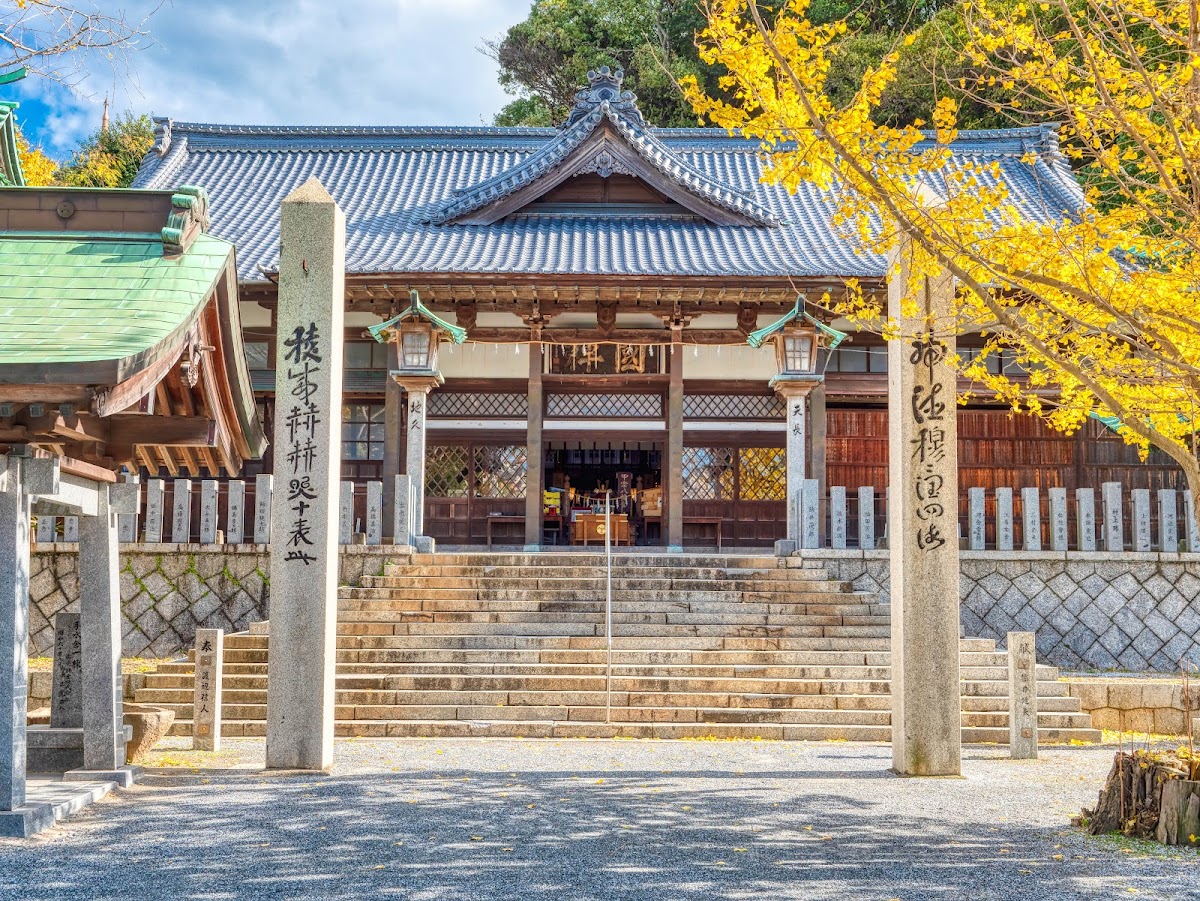
The shrine buildings of Koso Hachiman Shrine are valuable structures that preserve the traditional Hachiman-zukuri architectural style. The worship hall has a solemn presence that warmly welcomes visitors, while the main hall is situated deep within the sacred grounds.
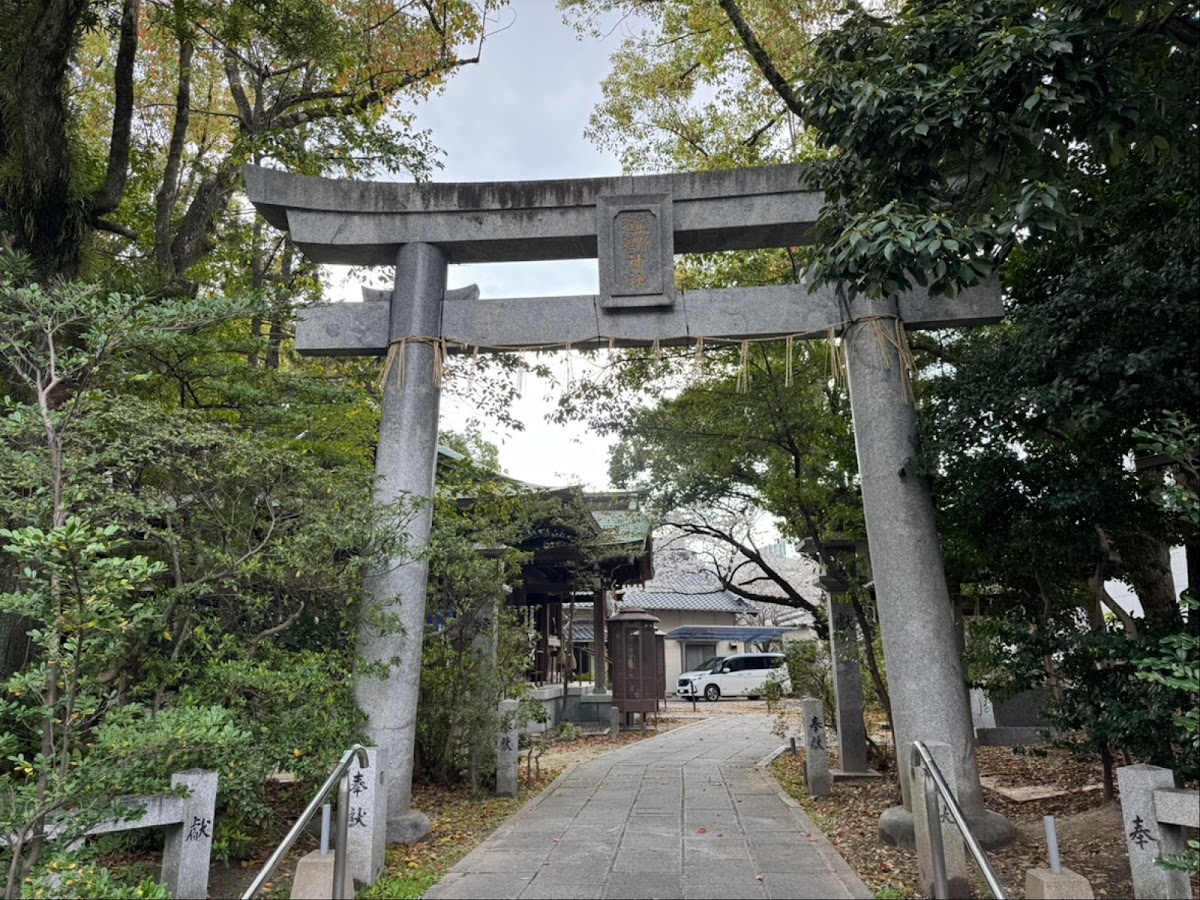
The shrine grounds are not vast, but a well-maintained and refreshing space unfolds, creating an atmosphere where one can leave the hustle and bustle of the city and worship in peace.
Grave of Taira no Tomomori
Behind the worship hall is a stone pagoda said to be the grave of Taira no Tomomori. Taira no Tomomori, who drowned himself at the Battle of Dan-no-ura after uttering the words, “I have seen all that was worth seeing,” had his body washed ashore on Moji Beach. Based on this legend, a memorial pagoda was erected in this location.
This stone pagoda, while associated with the Minamoto clan, commemorates a warrior of the Taira clan, conveying a spirit of appeasement that transcends the distinction between victor and vanquished. It’s a must-see spot for history buffs.
The Sacred Object is Only Viewed Once Every 50 Years
The most distinctive feature of Koso Hachiman Shrine is the sacred object, which can only be viewed once every 50 years. The helmet, believed to have been worn by Empress Jingu during her conquest of the Three Kingdoms of Korea, is secretly preserved as the sacred object and is only specially displayed during the grand festival.
The last public viewing was in 2008, and the next is scheduled for 2058. This rarity enhances its mystique and attracts the interest of many visitors. The long 50-year interval demonstrates the sacredness of the object and the care taken to preserve it.
Kokura-ori Goshuincho (Stamp Book)
In recent years, the goshuincho (stamp book) made with Kokura-ori fabric has become particularly popular among visitors. Kokura-ori is a traditional craft of Kitakyushu City, a beautiful striped textile that has been produced since the Edo period.
At Koso Hachiman Shrine, Kokura-ori goshuincho (stamp books) are available in five colors, each featuring a vibrant and elegant design. Many goshuin collectors have commented, “I fell in love with them at first sight,” and “They’re so beautiful, I couldn’t decide which color to choose.”
This initiative, which fuses local traditional crafts with shrine culture, is highly regarded from the perspective of cultural preservation.
Annual Events | Festivals that Preserve and Pass on Tradition
Koso Hachiman Shrine holds various festivals and events throughout the year.
Main Annual Events
Saitansai (January 1st)
The first festival to welcome the new year. Prayers are offered for peace and prosperity throughout the year.
Setsubunsai (February 3rd)
Traditional events such as bean-throwing are held to ward off evil and invite good fortune.
Kinensai (February 17th)
A grand spring festival praying for a bountiful harvest.
Reitaisai (October)
The most important festival of the year. A portable shrine procession and offering ceremonies take place, enveloping the entire community in festive spirit.
Niinamesai (November 23rd)
A grand autumn festival expressing gratitude for the harvest.
Oharai (June 30th & December 31st)
A Shinto ritual to purify and cleanse away the impurities accumulated over the past six months.
These events serve as opportunities to deepen the bonds of the local community, and many parishioners and devotees participate.
Information on Prayers and Shinto Weddings
Koso Hachiman Shrine accepts various prayers and Shinto wedding ceremonies.
Various Prayers and Blessings
- Prayer for Protection from Misfortune: Praying for protection from the misfortunes of the unlucky year and for peace and tranquility.
- Family Safety: Praying for the health and happiness of the family.
- Business Prosperity: Praying for the development and prosperity of the business.
- Prayer for Victory: Praying for victory in exams, competitions, etc.
- Prayer for Safe Childbirth: Praying for the health of mother and child and for a safe delivery.
- First Shrine Visit: Praying for the healthy growth of the baby.
- Shichi-Go-San (7-5-3 Festival): Expressing gratitude for the child’s growth and praying for their future health.
- Traffic Safety: Praying for the blessing of the car and for safe travels.
Shinto Wedding Ceremony
A Shinto wedding ceremony held in a historic shrine offers a solemn and dignified atmosphere, celebrating the new beginning of life. The bond forged in this land associated with the Genpei War will be a special one, imbued with the weight of history and the blessings of the gods.
If you are considering prayers or a Shinto wedding ceremony, we recommend contacting and making a reservation with the shrine in advance.
Amulets and Souvenirs
Koso Hachiman Shrine offers a variety of amulets and souvenirs.
- Victory Amulet: Befitting its connection to Minamoto no Yoshitsune, this amulet bestows good fortune in victory.
- Traffic Safety Amulet: An amulet unique to a shrine known as the guardian deity of maritime traffic.
- Academic Success Amulet: Popular among students and those taking exams.
- Exorcism Amulet: Protection from misfortune for those in their unlucky years.
- Safe Childbirth Amulet: An amulet wishing for a safe delivery for pregnant women.
- Goshuin (Shrine Stamp): A memento of your visit.
- Kokura-ori Goshuincho (Kokura-ori Stamp Book): A beautiful stamp book available in 5 colors.
The Kokura-ori stamp book, in particular, is a popular souvenir that utilizes the region’s traditional craftsmanship.
Access and Visiting Information
Location
Address: 1-7-18 Kyu-Moji, Moji-ku, Kitakyushu City, Fukuoka Prefecture
Transportation Access
Access by Train and Bus
- Approximately 15 minutes on foot from JR Mojiko Station
- Approximately 5 minutes by bus from JR Mojiko Station, get off at “Koso Hachimangu-mae” bus stop
Access by Car
- Approximately 10 minutes from the Kyushu Expressway “Moji IC”
- Approximately 15 minutes from Shimonoseki direction across the Kanmon Bridge
Conveniently located near the Mojiko Retro area, making it easy to combine a visit with sightseeing.
Visiting Hours
While entry to the shrine grounds is generally unrestricted, the shrine office is open from approximately 9:00 AM to 5:00 PM. If you wish to request prayers or receive a Goshuin (shrine stamp), it is recommended to visit within these hours.
Parking
The shrine has parking spaces for visitors, but spaces are limited. During busy periods, please consider using nearby paid parking lots. ## Nearby Tourist Attractions
When visiting Koso Hachiman Shrine, you can also enjoy nearby tourist attractions.
Mojiko Retro District
Within walking distance of the shrine, the Mojiko Retro District is a popular tourist area with buildings remaining from the Meiji and Taisho periods. Historic buildings such as the former Mojiko Mitsui Club, the former Osaka Shosen Building, and the Mojiko Station building line the streets.
Kanmon Strait
The Kanmon Strait, the stage of the Genpei War, is deeply connected to the history of Koso Hachiman Shrine. You can reflect on history while enjoying the view of the Kanmon Bridge and the strait.
Mekari Shrine
Located on the opposite shore of the Kanmon Strait, this ancient shrine also has ties to the Genpei War. It can also be visited by walking through the Kanmon Tunnel pedestrian walkway.
Mojiko Cuisine
Don’t miss Mojiko’s local cuisine, including baked curry. Enjoying local flavors after your visit to the shrine is highly recommended.
The Historical Value of Koso Hachiman Shrine
Historical Heritage of the Genpei War
Koso Hachiman Shrine is a valuable historical heritage site related to the Genpei War, one of the most famous battles in Japanese history. The heavy wisteria bow and whistling arrow dedicated by Minamoto no Yoshitsune, and the stone pagoda believed to be the tomb of Taira no Tomomori, allow us to truly feel that historical figures we only knew from textbooks actually existed in this place.
Even now, more than 840 years after the Battle of Dan-no-ura, the shrine’s commitment to carefully preserving its memory teaches us the importance of historical transmission.
Center of Local Faith
As the guardian shrine of the six villages of Moji, Koso Hachiman Shrine has attracted the faith of local people for over 1160 years. The unchanging bond with the community, even as times change, demonstrates that the shrine is not merely a tourist attraction, but a living place of faith.
It continues to be a spiritual anchor for many people, serving as a venue for local festivals and life rituals.
Cultural Value
Koso Hachiman Shrine possesses numerous valuable cultural assets, including the sacred armor displayed only once every 50 years, armor donated by Minamoto no Yoshitsune, and historic shrine buildings. These are indispensable materials for understanding the history of the Kitakyushu region and cultural heritage that should be passed down to future generations.
Manners and Points for Visiting the Shrine
Basic Worship Etiquette
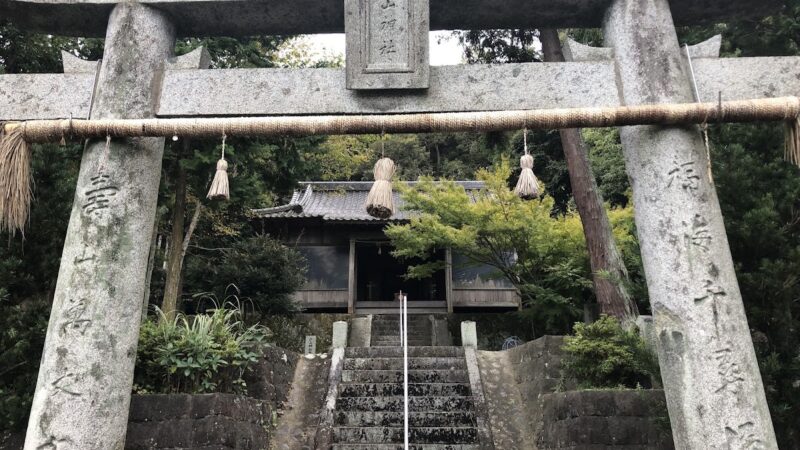
- Bow before passing through the torii gate: This is a courtesy before entering the sacred area.
- Purify yourself at the water basin: Purify your left hand, then your right hand, then your mouth.
- Walk along the edge of the path: The center is considered the path of the gods.
- Manners at the main hall: Two bows, two claps, and one bow are the basics.
- Worship quietly: Be mindful that this is a sacred place.
Photography
Photography is generally permitted on the shrine grounds, but it is considered good manners to refrain from taking pictures inside the main hall or during religious ceremonies. Please be considerate of other worshippers.
Appropriate Attire for Visiting the Shrine
While casual attire is acceptable for visiting, please dress appropriately if you are attending a prayer service or a Shinto wedding ceremony.
Summary | A Sacred Site in Moji Where History and Faith Thrive
Koso Hachiman Shrine is a representative shrine of Moji Ward, Kitakyushu City, with a history of over 1160 years. Since its founding in 860 AD, it has been the guardian shrine of the six villages of Moji, attracting the faith of the local people and playing a significant role in the Genpei War, a crucial turning point in Japanese history.
Many historical treasures and sites remain, brimming with historical romance, including the heavy wisteria bow and whistling arrow dedicated by Minamoto no Yoshitsune, a stone pagoda said to be the tomb of Taira no Tomomori, and the armor of Empress Jingu, which is only displayed once every 50 years. Furthermore, the beautiful goshuincho (stamp book) made with Kokura-ori fabric has attracted attention as a fusion of traditional crafts and shrine culture.
Located close to tourist spots such as the Mojiko Retro district and the Kanmon Strait, it is a shrine you should definitely visit when sightseeing in Kitakyushu. Why not take a moment to quietly visit the shrine, feeling the weight of history? Under the same sky that the heroes of the Genpei War once saw, you too can have a special experience of becoming a part of history.
May your visit to Koso Hachiman Shrine become a cherished memory.