Complete Guide to Tobihata Hachimangu Shrine | A Thorough Explanation of History, Goshuin (Shrine Seals), and Deep Connection to Tobata Gion Festival
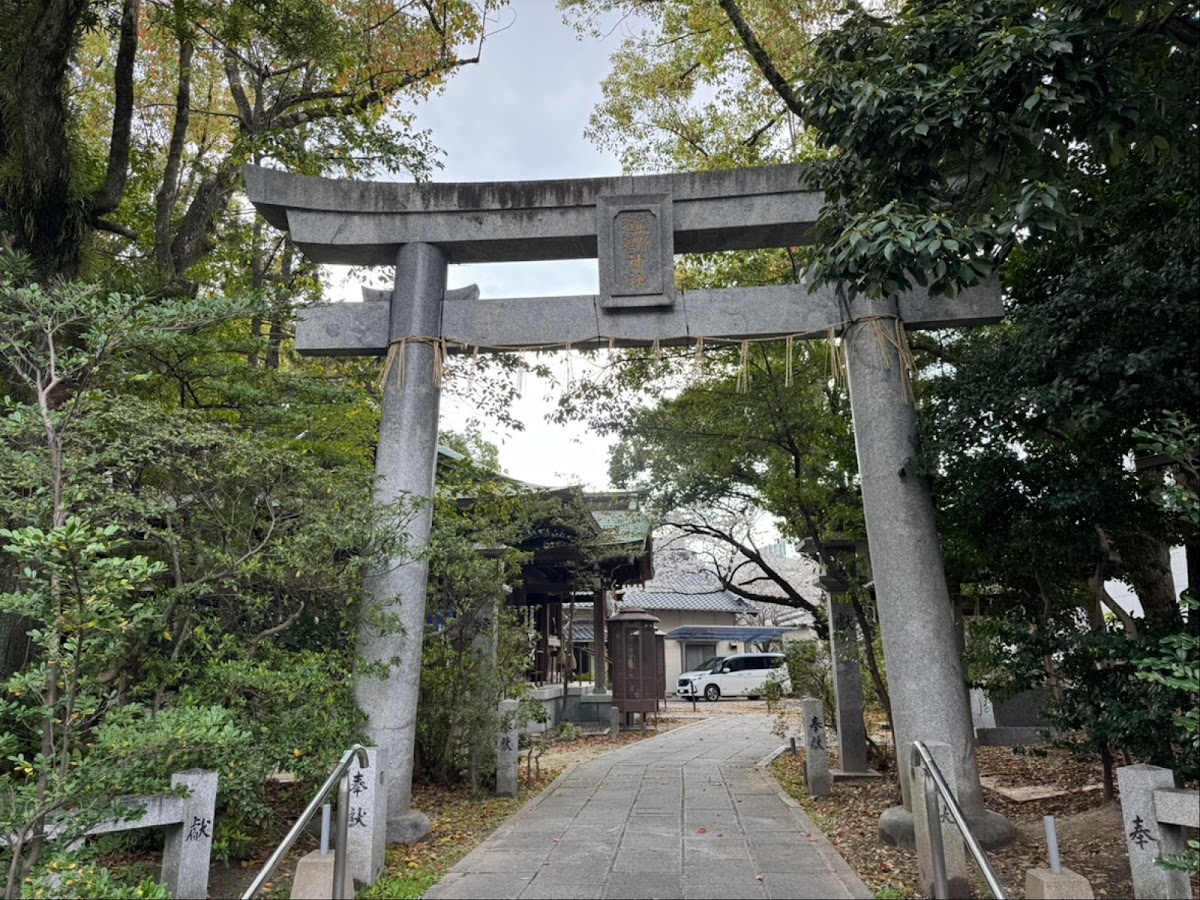
Located in Asao, Tobata Ward, Kitakyushu City, Fukuoka Prefecture, Tobihata Hachimangu Shrine is a venerable shrine with a history of over 800 years, dating back to the Kenkyu era. Designated as a special shrine by the Association of Shinto Shrines, and formerly holding the high rank of Prefectural Shrine, it has been deeply revered by the people of Tobata as the local tutelary deity.
This article comprehensively explains everything you need to know before visiting Tobihata Hachimangu Shrine, including its detailed history, enshrined deities, its deep connection to the Tobata Gion Festival (a UNESCO Intangible Cultural Heritage), information on goshuin (shrine seals), highlights within the grounds, and access methods.
Basic Information on Tobihata Hachimangu Shrine
Official Name: Tobihata Hachimangu Shrine
Location: 2-2-2 Asao, Tobata-ku, Kitakyushu City, Fukuoka Prefecture
Phone Number: 093-871-3577
Former Shrine Rank: Prefectural Shrine
Current Designation: Shrine of the Association of Shinto Shrines (Jinja Honcho)
Main Deities: Hachiman Okami (Empress Jingu/Emperor Ojin), Hime Okami
Enshrined Deities: Susanoo-no-Mikoto, Doso-no-Okami
Tobihata Hachimangu Shrine is located in the heart of Tobata-ku and has been revered since ancient times as the tutelary deity of the three villages of Edamitsu, Tobata, and Nakahara. Even today, it remains a spiritual center for local residents, attracting many worshippers for prayers at important life events such as first shrine visits, Shichi-Go-San (a traditional rite of passage for children), and exorcism.
History of Tobata Hachimangu Shrine | The Deep Connection Between the Lord of Hanaoka Castle and the Utsunomiya Clan
Origins of the Shrine and Utsunomiya Shigenari
The founding of Tobata Hachimangu Shrine dates back to the Kenkyu era (1190-1199). During the reign of Emperor Go-Toba, around 1194 (Kenkyu 5), Utsunomiya Shigenari, the lord of Hanaoka Castle in Onga District, invited Hachiman Daishin, his tutelary deity, from his birthplace in Utsunomiya, Shimotsuke Province (present-day Utsunomiya City, Tochigi Prefecture).
Utsunomiya Shigenari is considered the ancestor of the Utsunomiya clan of Chikuzen (later known as the Aso clan), and was known for his strong respect for martial arts and deep reverence for the gods. He enshrined Hachiman Daishin on Miyatayama in Edamitsu Village, which was located in the northeast (demon’s gate) direction of Hanaoka Castle, and revered him as the god who protected the castle and its people.
Development as a Local Guardian Deity
From its founding, Tobata Hachimangu Shrine has been revered as the tutelary deity of the people of the three villages of Edamitsu, Tobata, and Nakahara. A tutelary deity is a god who protects the people born in a particular area throughout their lives, and has functioned as the spiritual center of the local community.
During the Edo period, as the Tobata region developed, the worship of the shrine also spread, becoming central to local festivals and events. In particular, in Tobata, known as a cultivation area for “Tobata soba” (buckwheat noodles), a monument marking the cultivation area for sacred buckwheat remains on the shrine grounds, and records also exist of buckwheat being offered as tribute to the feudal domain.
History in the Modern Era
In the Meiji era’s shrine ranking system, Tobata Hachimangu Shrine was ranked as a prefectural shrine. This meant that its status as a core shrine in the region was officially recognized. After World War II, it was designated as a special shrine by the Association of Shinto Shrines, and to this day, it continues to attract local devotion as a representative shrine of Tobata Ward.
Deities Enshrined | Gods Centered Around Hachiman-Ōkami
Hibata Hachiman Shrine enshrines multiple deities, each possessing different divine virtues.
Central Hall: Hachiman-Ōkami
Empress Jingū
The empress of the 14th Emperor Chūai and mother of Emperor Ōjin. Known for the legend of the conquest of the Three Kingdoms of Korea, she is worshipped as a goddess of martial prowess and safe childbirth.
Emperor Ōjin
The 15th Emperor and the central figure of Hachiman-Ōkami. He is revered as a god of war, victory, and industrial development.
Hime-Ōkami
Considered one of the three Munakata goddesses, she is believed to possess divine virtues of maritime safety and traffic safety.
Right Shrine: Suga-no-Okami (Susanoo-no-Mikoto)
Susanoo-no-Mikoto is known as the god of protection against misfortune and disaster. He is famous for the myth of slaying Yamata-no-Orochi and is worshipped as a brave and courageous god.
Left Shrine: Nagoya-no-Okami (Dōso-no-Okami)
Dōso-no-Okami is the god of safe travel and protection along the road. He is enshrined as a god who protects the path of life, aligning with the shrine’s philosophy that “life is a journey.”
Through these deities, Tobihata Hachimangu Shrine is worshipped as a shrine with a wide range of divine blessings, including military success, good fortune in competitions, safe childbirth and child-rearing, protection against misfortune, traffic safety, and safe travel.
Tobata Gion Oyamagasa | Deep Connection to UNESCO Intangible Cultural Heritage
When discussing Tobata Hachimangu Shrine, its connection to the Tobata Gion Oyamagasa is indispensable.
What is the Tobata Gion Oyamagasa?
The Tobata Gion Oyamagasa is the largest festival event in Tobata Ward, held annually around the fourth Saturday of July. As the summer festival of three shrines—Tobata Hachimangu, Sugawara Shrine, and Nakahara Hachimangu—it boasts a history of over 200 years.
In 2016, it was registered as a UNESCO Intangible Cultural Heritage as one of the “Mountain, Float, and Procession Festivals,” and is also designated as a National Important Intangible Folk Cultural Property, making it a valuable cultural heritage.
Tobata Hachimangu Shrine and the Oyamakasa
At the Tobata Gion Oyamakasa festival, four large floats—Higashi Oyamakasa, Nishi Oyamakasa, Nakahara Oyamakasa, and Tenraiji Oyamakasa—parade through the town. Tobata Hachimangu Shrine, as the tutelary shrine for the Higashi Oyamakasa and Nishi Oyamakasa, plays a central role in the festival.
The festival’s climax, the “Tobata Gion Lantern Oyamakasa Competition,” is held in the square in front of Tobata Hachimangu Shrine. The transformation from daytime banner floats to nighttime lantern floats is breathtaking, and the sight of the 10-meter-tall floats, adorned with 309 lanterns in 12 tiers, dancing wildly captivates visitors.
Festival Highlights
Daytime Session: Banners and dolls adorn the floats (Noboriyama-yama) as they parade through the town in a magnificent display.
Nighttime Session: Lanterns adorn the floats (Chochinyama-yama), creating a fantastical glow.
Competition: A breathtaking spectacle unfolds as four large floats gather together in the square in front of Tobata Hachimangu Shrine.
For the local people, Tobata Gion is more than just a festival; it’s an important event that reaffirms community unity and passes on the culture inherited from their ancestors to the next generation.
Highlights within the Shrine Grounds | From the Chibiki Rock to the Sacred Tree
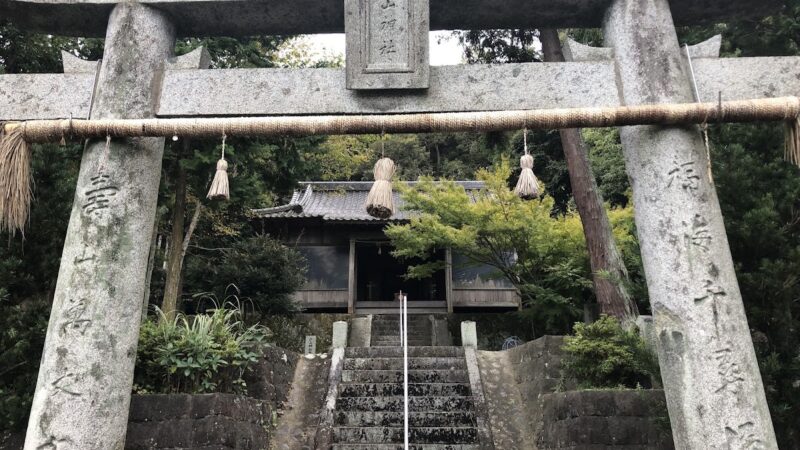
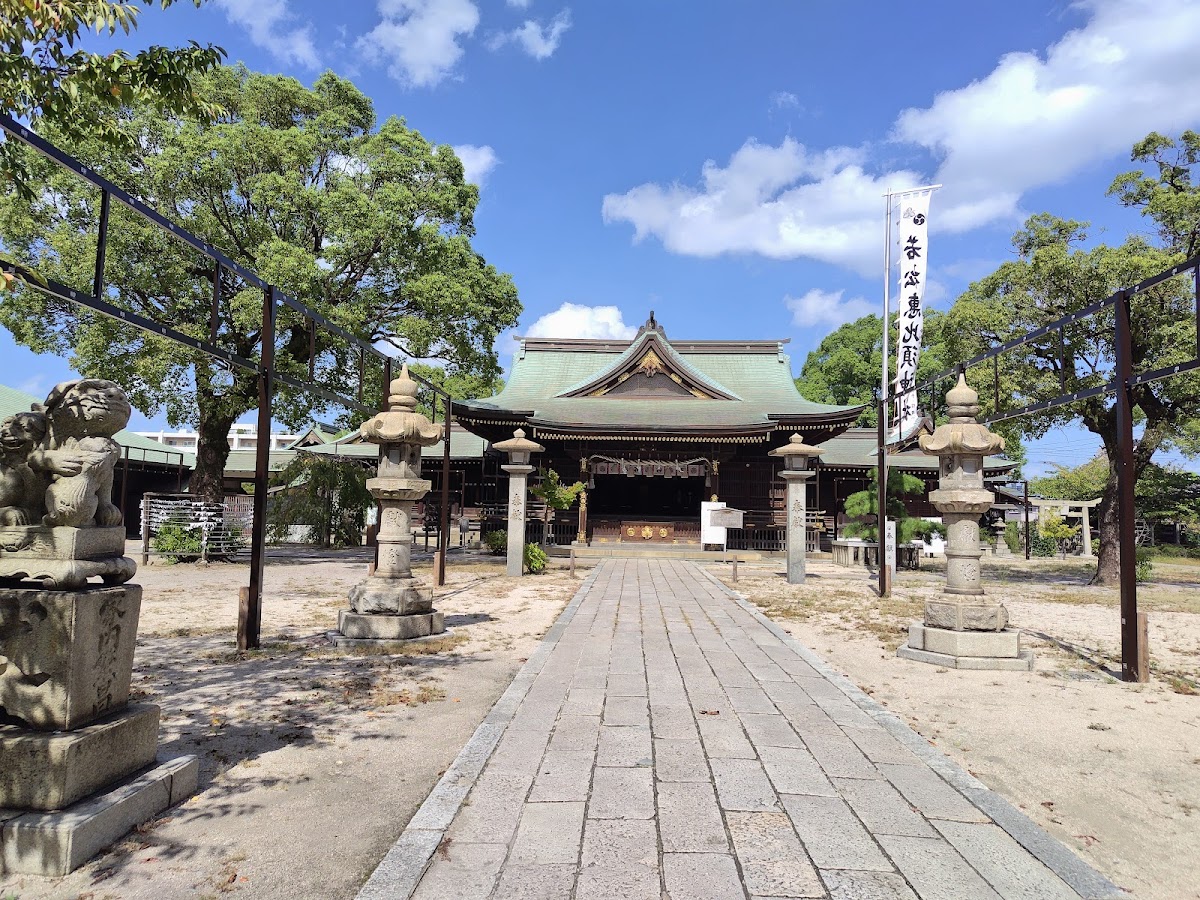
The grounds of Tobata Hachimangu Shrine are dotted with historical and cultural sights.
Chibiki Rock
The “Chibiki Rock,” enshrined within the shrine grounds, is a legendary rock that appears in the *Nihon Shoki* (Chronicles of Japan). Legend has it that Empress Jingu, during her conquest of the Three Kingdoms of Korea, had a thousand men pull this rock to perform a divine divination. This is a valuable historical site indicating that this area has been an important place of worship since ancient times.
Sacred Tree
Within the shrine grounds stands a magnificent sacred tree estimated to be several hundred years old, which has watched over the shrine throughout its long history. Many visitors touch the sacred tree to receive its power.
Inari Shrine
An Inari Shrine is also enshrined within the grounds, believed to bestow blessings of business prosperity and abundant harvests.
Monument to the Cultivated Buckwheat Field
This is a valuable stone monument indicating that “Tobata buckwheat” was cultivated here during the Edo period. Records show that Tobata buckwheat was offered as tribute to the feudal domain, making it an important historical document that conveys the agricultural history of this region. It is a legacy that shows the close connection between the shrine and the lives of the local community.
Shrine Building and Worship Hall
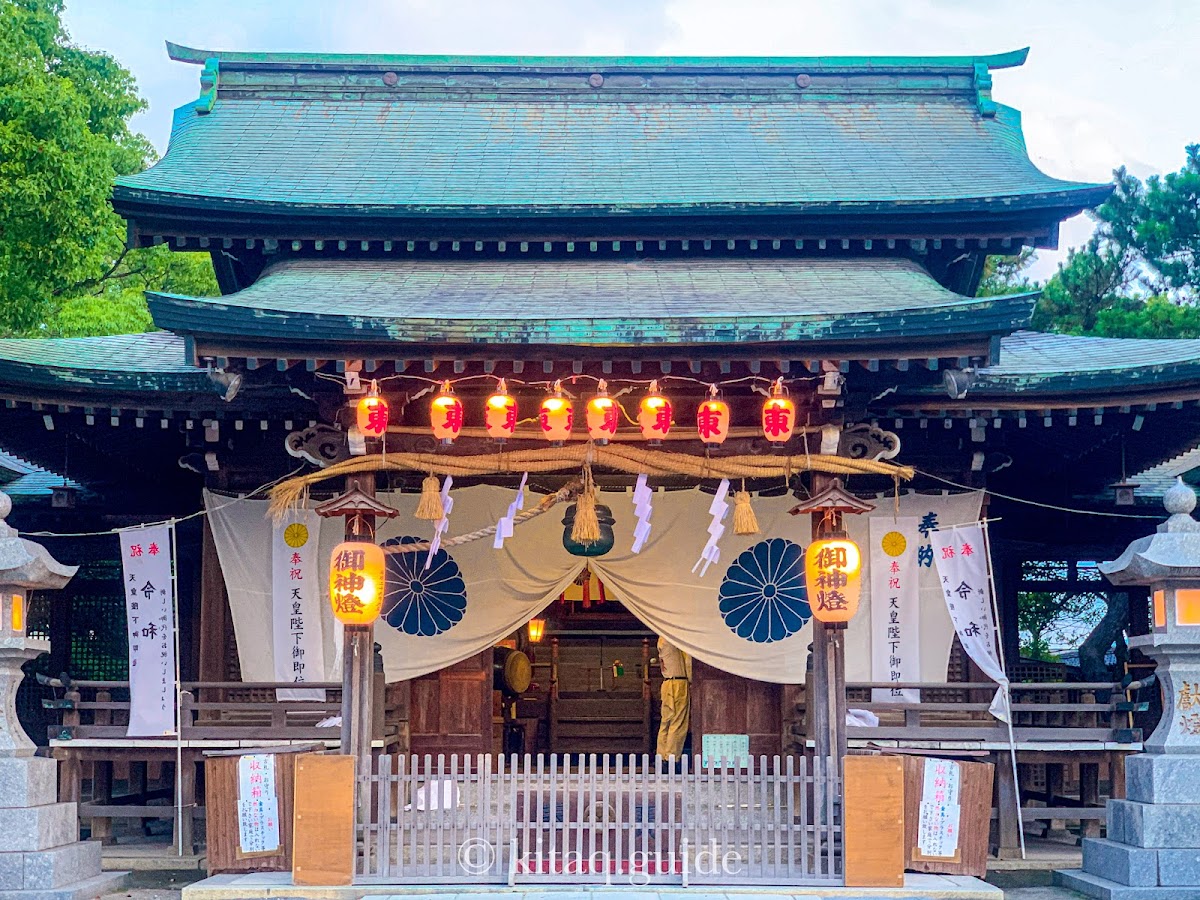
The current shrine building was constructed in modern times, and its dignified appearance exudes a sense of formality. Various prayer ceremonies are held in the worship hall, which serves as the center of faith for the local people.
Goshuin (Shrine Seal) Information | A Memento of Your Visit
You can receive a Goshuin at Tobihata Hachimangu Shrine.
Basic Information on Goshuin
Reception Location: Shrine Office
Reception Hours: Usually 9:00-17:00 (may vary depending on events, etc.)
Offering Fee: Usually around 300-500 yen
Electronic Goshuin: Available (supported by some services)
The Goshuin will have the calligraphy and red seal of “Tobihata Hachimangu Shrine” and serve as proof of your visit. If you do not have a Goshuincho (stamp book), you can obtain one at the shrine office.
Etiquette for Receiving a Goshuin (Shrine/Temple Stamp)
- First, complete your prayers before going to the shrine office.
- Request a Goshuin using polite language.
- Open your Goshuin book and specify the page you would like it written on.
- Wait quietly while the priest writes the stamp.
- It is thoughtful to have small change ready for the offering.
A Goshuin is not just a stamp rally; it is proof of a connection with the gods. Receive it with gratitude.
Prayers and Festivals | A Shrine Watching Over Life’s Milestones
Hibata Hachimangu Shrine accepts prayers for various milestones in life.
Main Prayers
First Shrine Visit: Praying for the healthy growth of a baby
Shichi-Go-San: Celebrating the growth of children at ages 3, 5, and 7
Exorcism Prayer: Purifying oneself from misfortune during unlucky years
Safe Childbirth Prayer: Praying for a healthy delivery for both mother and child
Traffic Safety Prayer: Blessing of the car, prayer for safe travel
Success in Exams: Praying for success in exams and qualification tests
Business Prosperity: Praying for the development of the business
Safety Prayer: Praying for safety during construction, family safety, etc.
Annual Festivals
January: New Year’s Day Festival, Dondo-yaki (bonfire festival)
February: Setsubun Festival
July: Tobata Gion Oyamakasa (mainly on the 4th Saturday)
November: Shichi-Go-San Shrine Visit
December: Great Purification Ceremony
Those wishing to offer prayers are advised to contact us by phone in advance. Crowds are expected, especially during the Shichi-Go-San season and the New Year period.
Access and Parking Information
Access by Public Transportation
From JR Kagoshima Main Line “Tobata Station”
- Approximately 12 minutes on foot from the South Exit
- Approximately 900 meters
Using Nishitetsu Bus
- Get off at the “Asao” bus stop, approximately 3 minutes on foot
- Get off at the “Tobata Ward Office” bus stop, approximately 5 minutes on foot
Access by Car
Kitakyushu Urban Expressway
- Approximately 5 minutes from the “Yamaji” exit
- Approximately 7 minutes from the “Tobata” exit
From Fukuoka
- Approximately 30 minutes via National Route 3
From Shimonoseki
- Approximately 20 minutes via National Route 199
Parking
There is a parking lot for visitors on the temple grounds. However, due to limited space on the shrine grounds, the parking lot may be full during long holidays and festivals. In that case, please use nearby coin-operated parking lots.
Nearby Parking
- Tobata Ward Office Parking Lot (5-minute walk)
- Various coin-operated parking lots
During the Tobata Gion Oyamakasa festival, traffic restrictions will be in place, so we strongly recommend using public transportation.
Nearby Tourist Spots
Here are some nearby spots you might want to visit in conjunction with your visit to Tobata Hachimangu Shrine.
Around Tobata Ward Office
The central area of Tobata Ward is lined with shopping streets and restaurants, allowing you to enjoy the local atmosphere.
Kitakyushu Municipal Museum of Art Branch
This museum focuses on contemporary art, offering a cultural experience.
Korodai Park
This park offers a panoramic view of Tobata’s industrial area, allowing you to experience the atmosphere of Kitakyushu’s industrial heritage.
Wakamatsu-Tobata Ferry
This ferry passes under the Wakato Bridge, offering a short boat trip where you can enjoy the scenery of the sea and bridge in Kitakyushu.
The Charm of Tobata Hachimangu Shrine | As a God of Travel
One of the philosophies of Tobata Hachimangu Shrine is the phrase, “Life is a journey. May your journey be a good one.” This is a deeply meaningful message, befitting a shrine dedicated to the Dōso-Ōkami (roadside deity).
Throughout the long journey of life, we encounter various difficulties and joys. For over 800 years, Tobata Hachimangu Shrine has been a shrine that watches over and guides people on their life’s journey, accompanying the local community.
By visiting the shrine at various milestones in life, from a baby’s first shrine visit to Shichi-Go-San (a traditional rite of passage for children), coming-of-age ceremonies, marriage, and exorcisms, you can deepen your bond with the gods and enrich your life’s journey.
Summary | A Spiritual Sanctuary in Tobata
Hibata Hachimangu Shrine boasts a history of over 800 years since its founding during the Kenkyu era, and is a venerable shrine whose origins trace back to the enshrinement by Utsunomiya Shigenari. It enshrines multiple deities, centered around Hachiman Okami, and offers a wide range of divine blessings, including military success, safe childbirth, protection from evil, and traffic safety.
As a central shrine for the Tobata Gion Oyamakasa festival, registered as a UNESCO Intangible Cultural Heritage, it plays a vital role in the preservation of local culture. Historical sites such as the Senbiki-no-Iwa rock and the monument to the cultivation of sacred soba noodles remain within the shrine grounds.
It is easily accessible, within walking distance of JR Tobata Station, and offers Goshuin (shrine stamps). As a deity that watches over the journey of life, Hibata Hachimangu Shrine is a spiritual sanctuary not only for the residents of Tobata Ward but also for many other worshippers. When visiting Kitakyushu, why not pay a visit?
At Tobata Hachimangu Shrine, where deeply rooted local faith and 800 years of history thrive, please offer your prayers for a smooth and fulfilling journey in life.