Myōonji Complete Guide | A Thorough Explanation of the History, Access, and Highlights of Famous Temples Nationwide
Myōonji is the name of several temples located throughout Japan. Each has its own unique history and characteristics, and is cherished as a center of local faith. This article provides a detailed explanation of the history, principal image, access methods, and parking information for particularly well-known Myōonji temples in Taito Ward, Tokyo, Miura City, Kanagawa Prefecture, and Sasaguri Town, Fukuoka Prefecture.
What is Myōonji?
The name “Myōonji” originates from the Buddhist term “myōnaru oto” (wonderful sound), representing the teachings and truths of Buddha. Temples with the same name exist throughout Japan, each belonging to a different sect and inheriting its own unique history and culture.
The main Myōonji temples are listed below:
- Myōonji Temple in Taito Ward, Tokyo: A Nichiren Buddhist temple known as “Myōonji of the Pond”
- Myōonji Temple in Miura City, Kanagawa Prefecture: A Shingon Buddhist temple affectionately known as “Miura Daishi” and “Kazan Mandala”
- Myōonji Temple in Sasaguri Town, Fukuoka Prefecture: The 15th temple of the Sasaguri Shikoku Pilgrimage
- Myōonji Temple in Kagawa Prefecture: The 30th temple of the Shikoku Thirty-Six Fudo Pilgrimage
- Myōonji Temple in Sanjō City, Niigata Prefecture: A Shinshu Ōtani sect temple
- Myōonji Temple in Gyōda City, Saitama Prefecture: A temple deeply rooted in the local community
Let’s take a closer look at each of these Myōonji temples.
Myōonji Temple (Ikeno Myōonji) in Taito Ward, Tokyo
History and Origin
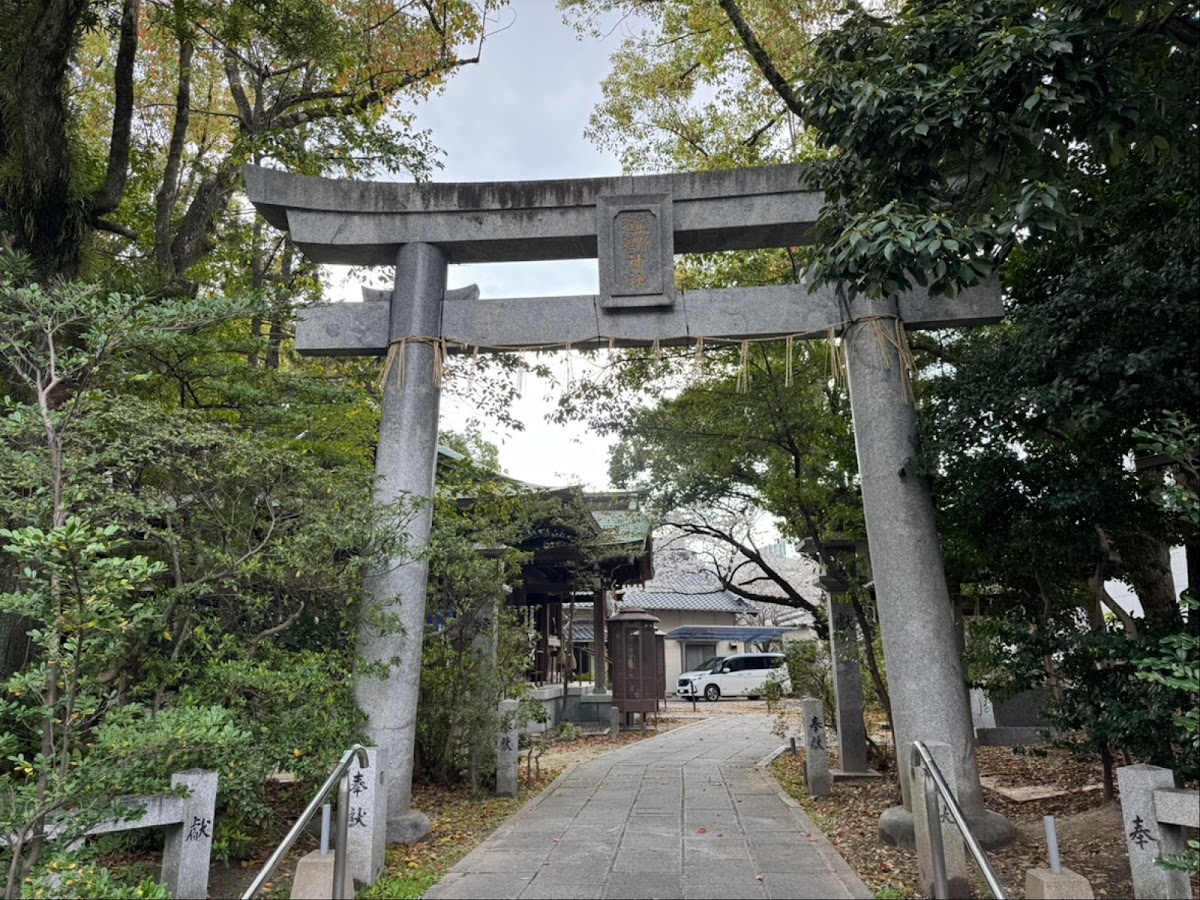
Myōonji Temple, located in Matsugaya, Taito Ward, Tokyo, is a Nichiren Buddhist temple with the mountain name Gigakusan. It is a prestigious temple, counted as one of the Ten Great Founding Temples of Edo.
History of Founding
In 1610 (Keichō 15), Abbot Anryūin Nichiyū, who was at Ren’eiji Temple in Suruga Province (present-day Shizuoka Prefecture), received a divine message from Myōon Benzaiten in a dream. Following this message, he carved a statue of Benzaiten himself and headed to Edo. He received land in Nihonbashi Bakurocho and established a temple, which is considered the beginning of Myōonji Temple.
History of Relocation
The temple was destroyed in the Great Fire of Meireki (1657). Afterward, it relocated to its current location in Matsugaya, Taito Ward. Because there was a pond on this site, it became affectionately known as “Ike no Myōonji” (Myōonji Temple of the Pond).
Main Image and Enshrined Objects
The main hall enshrines a statue of Nichiren Daishonin as the principal image. Myōon Benzaiten, the deity from which the temple was founded, is also carefully enshrined, attracting many visitors.
Access and Parking Information
Access by Train
- Approximately 7 minutes on foot from Iriya Station on the Tokyo Metro Hibiya Line
- Approximately 4 minutes on foot from Inaricho Station on the Tokyo Metro Ginza Line
- Approximately 8 minutes on foot from Shin-Okachimachi Station on the Toei Oedo Line and Tsukuba Express
Parking
It is recommended to inquire with the temple in advance regarding the availability of a dedicated parking lot. There are several coin-operated parking lots in the surrounding area.
Address
2-5-3 Matsugaya, Taito-ku, Tokyo
Points to Note When Visiting
The temple grounds are flat and sunny, and are designed with accessibility in mind, with ramps installed. A cemetery is also located on the premises, where you can see historical tombstones dating back to the Edo period.
Myōonji Temple (Miura Daishi/Kazan Mandala) in Miura City, Kanagawa Prefecture
History and Features
Myōonji Temple, located in Miura City, Kanagawa Prefecture, is a Shingon Buddhist temple known as “Miura Daishi” and “Kazan Mandala.” It is one of the 100 Flower Temples of Eastern Japan and is particularly famous for its mountain lilies.
History of Restoration
While the details of its founding are unknown, it was moved from its old site, Myōonji-hara, to its current location during the Tenshō era (1580s) by Ken’ei Hōin, the restorer of the temple. At that time, it is believed to have been protected by the Odawara Hōjō clan as a place of prayer for rain.
Flower Highlights
Mountain Lilies
From early to mid-July, numerous mountain lilies bloom throughout the temple grounds. The clusters of mountain lilies, the prefectural flower of Kanagawa Prefecture, are breathtaking, attracting many worshippers and photography enthusiasts every year.
Access and Parking Information
Access by Public Transportation
Take a bus from Misakiguchi Station on the Keikyu Kurihama Line. However, due to the many sharp curves on the route, it is necessary to contact the temple in advance to confirm the schedule. Using a minibus is recommended.
Parking
There is parking available on the temple grounds. It is recommended to check the details in advance.
Contact Information
- Phone: 046-888-2226 (Use for inquiries regarding opening hours, etc.)
- FAX: 046-889-2508
Precautions for Visiting
It is recommended to check road conditions and opening hours by phone in advance. Especially if you are planning a group visit, prior contact is absolutely necessary.
Myōonji Temple, Sasaguri Town, Fukuoka Prefecture (Temple No. 15)
Positioning as a Sacred Site
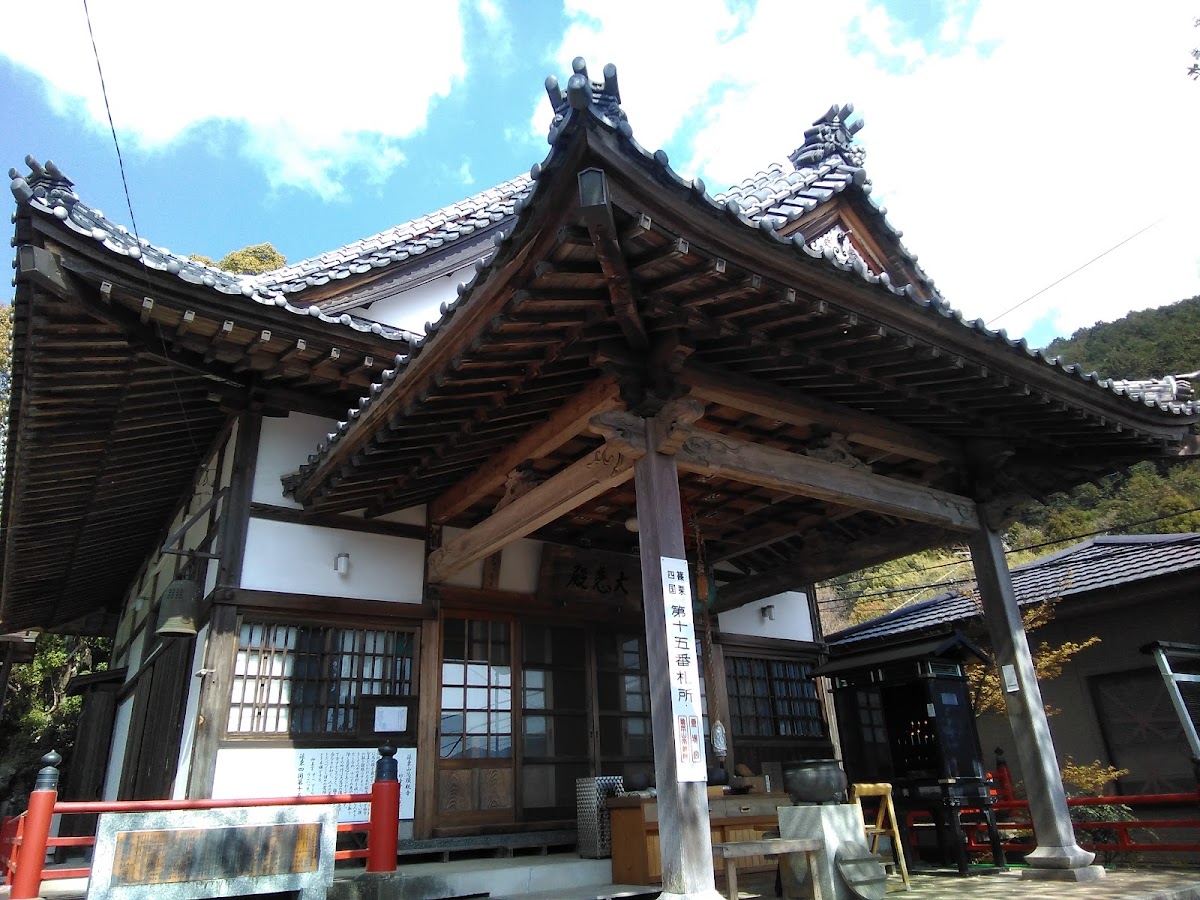
Myōonji Temple, located in Sasaguri Town, Kasuya District, Fukuoka Prefecture, is known as the 15th temple of the Sasaguri Shikoku Pilgrimage.
Principal Image
The principal image is Yakushi Nyorai (Medicine Buddha).
Mantra
“Om Korokoro Sendari Matōgi Sowaka”
Location and Access
It is located in front of Keikōen (a nursing home) on the way to Hagio. It can also be visited on tours guided by the Sasaguri Town Tourism Association.
Inquiries
Detailed information and tour reservations are available through the Sasaguri Town Tourism Association.
Pilgrimage Highlights
Many pilgrims visit as part of the Sasaguri Shikoku Pilgrimage, offering a peaceful environment to offer prayers to Yakushi Nyorai.
Myōonji Temple, Kagawa Prefecture (Shikoku Thirty-Six Fudo Pilgrimage Site No. 30)
Pilgrimage Site Structure
Myōonji Temple, located in Kagawa Prefecture, is the 30th temple on the Shikoku Thirty-Six Fudo Pilgrimage.
Mountain Name/Temple Name
- Mountain Name: Shippōzan
- Temple Name: Hōshakuin
Sect
This temple belongs to the Shingon sect.
Visiting Information
As a center of Fudo Myoo worship, it attracts many pilgrims. Detailed information can be found on the official website of the Shikoku Thirty-Six Fudo Pilgrimage.
Myōonji Temple, Sanjō City, Niigata Prefecture
Sect and Location
Myōonji Temple, located in Honmachi, Sanjō City, Niigata Prefecture, is a temple of the Shinshu Ōtani sect (Higashi Honganji sect).
Address
2-1-57 Honcho, Sanjo City, Niigata Prefecture 955-0071
Contact Information
- Phone: 0256-33-2805 (Reception Hours: 9:00 AM – 5:30 PM)
- FAX: 0256-33-2847
Community Involvement
Belonging to the Niigata Diocese of the Shinshu Otani School, it operates as a center of faith in the region.
Myo-onji Temple, Gyoda City, Saitama Prefecture
Role in the Community
Myo-onji Temple, located in Gyoda City, Saitama Prefecture, belongs to the Gyoda City Buddhist Association and functions as a local temple centered on the Komagata and Ma districts (Maetani, Shimonin, Higami, and Tsutsumine).
Related Lotuses
- Sokei Lotus
- Myosho Lotus
In Gyoda City, known as the “Village of Ancient Lotuses,” this temple has a deep connection with lotuses.
Myōonji Temple, Minami-ku, Yokohama City, Kanagawa Prefecture
Basic Information
This is a Nichiren Buddhist temple located in Miharudai, Minami-ku, Yokohama City.
Address
73 Miharudai, Minami-ku, Yokohama City, Kanagawa Prefecture
Cemetery Information
The temple cemetery is used by local residents. For details regarding the cemetery, please contact the temple directly.
Guidelines for Visiting Myōonji Temple
Preparation Before Visiting
Importance of Prior Confirmation
Opening hours and visiting hours vary depending on the Myōonji temple. We especially recommend checking the following points in advance:
- Opening and closing times
- Availability and number of parking spaces
- Hours for receiving Goshuin (temple stamps)
- Dates of special events and memorial services
- Whether prior contact is necessary for group visits
Manners for Visiting
Etiquette in the Main Hall
- Bow at the temple gate before entering the grounds
- Cleanse your hands and mouth at the water basin
- Join your hands in prayer in front of the main hall and offer your prayers quietly
- Take photographs only in designated areas
- Maintain silence and be considerate of other visitors
Regarding Offerings
When receiving a Goshuin or special prayers, prepare an appropriate offering. Please follow the instructions of each temple regarding the amount.
Tourist Information Around Myo-onji Temple
Around Myo-onji Temple, Taito Ward
Senso-ji Temple
A representative Tokyo tourist attraction within walking distance. Kaminarimon Gate, Nakamise Street, and many other sights await you.
Kappabashi Kitchenware Street
A street lined with specialty shops selling cooking utensils and tableware. Experience Japanese food culture here.
Around Myo-onji Temple, Miura City
Misaki Port
A port town famous for its tuna. Enjoy fresh seafood.
Jogashima Island
The southernmost island of the Miura Peninsula. Enjoy beautiful coastlines and nature.
Around Myo-onji Temple, Sasaguri Town
Nanzoin Temple
A temple known for its gigantic reclining Buddha statue. It is the head temple of the Sasaguri Shikoku Pilgrimage.
Sasaguri Kyushu University Forest
A popular walking spot known as a waterside forest. Enjoy the changing seasons.
Annual Events at Myo-onji Temple
Main Ceremonies and Events
Various ceremonies and events are held throughout the year at each Myo-onji temple.
General Annual Events
- New Year’s: First shrine visit of the year, Shusho-e (New Year’s Day ceremony)
- Spring: Spring equinox memorial service, Hana Matsuri (Buddha’s Birthday celebration)
- Summer: Obon memorial service, Segaki (feeding of hungry ghosts) ceremony
- Autumn: Autumn equinox memorial service
- Winter: New Year’s Eve bell ringing
Specific dates and details vary by temple, so please check the official website or inquire by phone.
About Goshuin (Temple Seals)
Significance of Goshuin
Goshuin are given as proof of visiting a temple. They are not merely commemorative stamps, but rather important symbols representing a connection with Buddha or the principal image of worship.
How to Obtain a Goshuin (Temple Stamp)
- Complete your visit first: A Goshuin is proof of your visit, so always visit the main hall before going to the Goshuin office.
- Prepare your Goshuincho (stamp book): It is common to use separate books for shrines and temples.
- Check the reception hours: Reception hours vary depending on the temple.
- Prepare an offering: Generally, 300 to 500 yen is a good guideline.
- Request politely: Politely request a Goshuin by saying, “I would like a Goshuin, please.”
Comprehensive Access Guide to Myōonji Temple
Points to Note When Using Public Transportation
Myōonji Temples in Urban Areas
Myōonji Temples in Taito Ward, Tokyo, and Yokohama City have excellent public transportation options such as trains and buses, making them easily accessible. Checking the walking route from the nearest station in advance will ensure a smoother experience.
Myōonji Temples in Suburbs
Myōonji Temples in Miura City and Sasaguri Town require taking a bus from the nearest station. Since bus services may be limited, it’s important to check the timetable in advance.
Points to Note When Using a Car
Parking Confirmation
Parking availability, capacity, and operating hours vary greatly depending on the temple. Pay particular attention to the following points:
- Whether large vehicles are allowed
- Whether there is a parking fee
- Alternative parking in case the main parking lot is full
- Road width and presence of sharp curves
Notes on Setting Your Car Navigation System
When searching with your car navigation system, it’s best to use both the temple name and address search. Since there are multiple temples with the same name, be careful not to choose the wrong destination.
Photography at Myōonji Temple
Photography Etiquette
Areas Requiring Permission
There are areas where photography is restricted, such as inside the main hall and around Buddha statues. Always check the signs or obtain permission from temple staff before taking photos.
Consideration for Other Visitors
Be careful not to disturb other visitors while you’re engrossed in photography. Consider refraining from taking photos, especially during religious services or when the temple is crowded.
Recommended Photo Spots
Myōonji Temple, Miura City
July, the season for mountain lilies, is an excellent time for photography. Taking photos in the early morning light will result in beautiful pictures.
Myōonji Temple, Taito Ward
The historic main hall and the changing scenery of the temple grounds throughout the seasons are highlights for photography.
Summary
Myōonji temples exist throughout Japan, each with its own unique history and characteristics. They belong to a wide range of sects, including Nichiren Buddhism, Shingon Buddhism, and Shinshu Otani-ha, and their principal images vary, including Yakushi Nyorai, statues of Nichiren Daishonin, and Benzaiten.
When planning your visit, it’s important to keep the following points in mind:
- Clearly identify the Myōonji Temple you intend to visit: There are several temples with the same name, so confirm the exact location.
- Inquire in advance: Check opening hours, parking, and event schedules.
- Confirm access methods: Check public transportation timetables and parking availability.
- Observe proper temple etiquette: Maintain silence and be considerate of other visitors.
- Seasonal highlights: For temples known for their flowers, research the blooming season before visiting.
By experiencing the history and culture of each Myōonji Temple, you can gain a deeper pilgrimage experience. Thorough preparation and confirmation beforehand will allow you to enjoy a truly enriching pilgrimage.