Complete Guide to Noso Hachimangu Shrine | History, Benefits, Goshuin (Shrine Seal), and Access Information for Iizuka’s Guardian Shrine
Nouso Hachimangu Shrine, located on a small hill along the old Nagasaki Highway in the heart of Iizuka City, Fukuoka Prefecture, is the guardian shrine of Iizuka, boasting a history of approximately 1800 years. It has deep ties to the legend of Empress Jingu’s conquest of the Three Kingdoms of Korea and is affectionately known as “the guardian deity of Iizuka” by the local people. This article provides detailed information you should know before visiting, including the history of Noso Hachimangu Shrine, its enshrined deities, highlights of the grounds, benefits, annual events, goshuin (shrine seal), and access methods.
What is Noso Hachimangu Shrine? | An Ancient Shrine Involved in the Origin of the Place Name of Iizuka
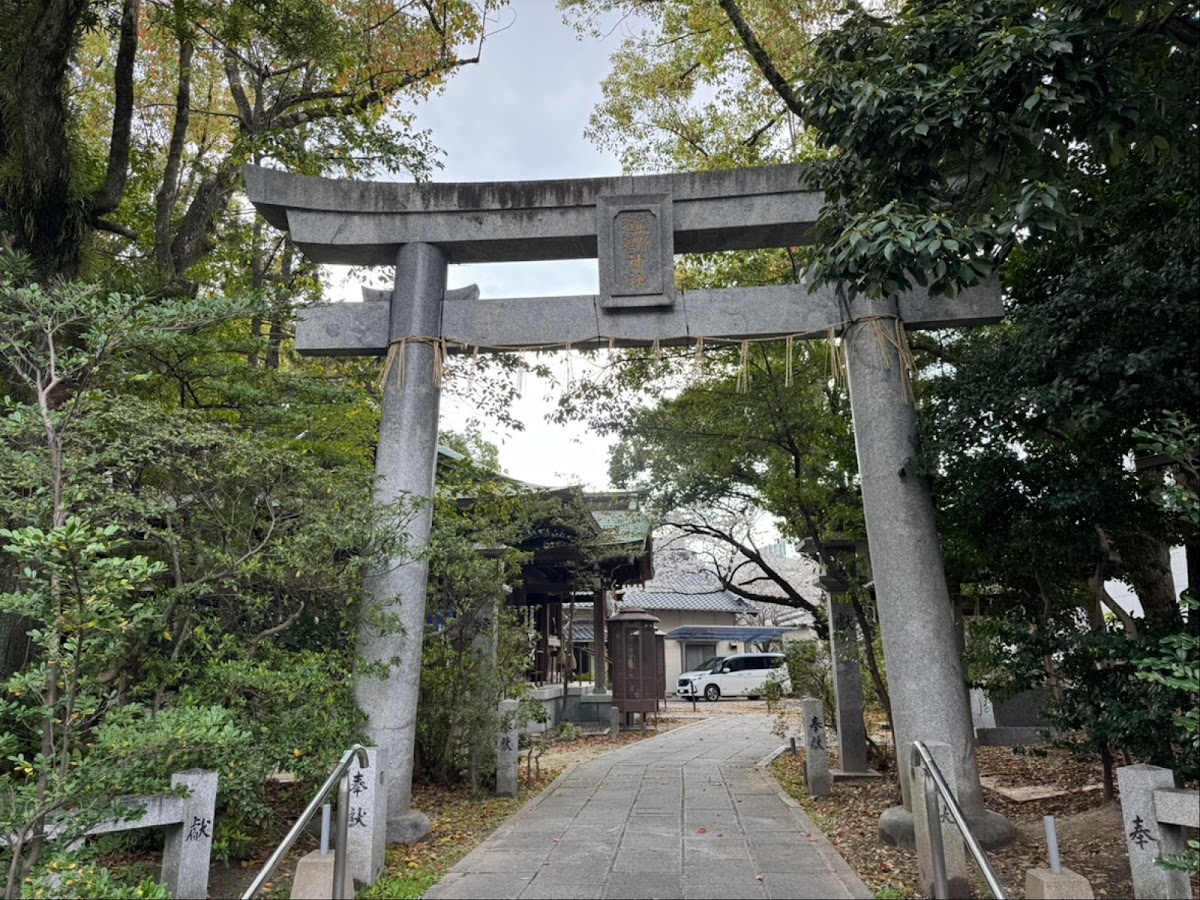
Nouso Hachimangu Shrine is a shrine located in Miyamachi, Iizuka City, Fukuoka Prefecture. Its former shrine rank was Prefectural Shrine, and it is currently designated as a Special Shrine by the Association of Shinto Shrines. The name “Nōso” means “ancient ancestors,” and in the past, it was also written as “Nōso-gū.” Despite its convenient location in the heart of Iizuka City, the shrine grounds are lush with greenery and enveloped in a tranquil atmosphere, making it a spiritual haven for the local people.
The Legend of the Origin of the Place Name Iizuka
An essential part of understanding the history of Nōso Hachimangu Shrine is the legend of the origin of the place name Iizuka. It is said that when Empress Jingū returned victorious from her conquest of the Three Kingdoms of Korea, she said to the soldiers and villagers who were reluctant to part with her at this place, “Nōso no Mori,” “Itsunohika aubeshi” (What day will we meet again?), meaning “We will meet again someday.” From this, the place came to be called “Itsuka,” which later transformed into “Iizuka.”
This legend demonstrates that Nōso Hachimangu Shrine is not merely a shrine, but is deeply intertwined with the very identity of the Iizuka region.
The History of Nōso Hachimangu Shrine | 1800 Years Beginning with Empress Jingū’s Victory Report
The founding of Nōso Hachimangu Shrine dates back to the first year of Empress Jingū’s regency (201 AD). It is said that after Empress Jingū’s triumphant return from the conquest of the Three Kingdoms of Korea, she established an altar in this place, “Nōso no Mori,” enshrined the spirits of the heavenly and earthly deities, and held a ceremony to report her victory.
A History of Faith Continuing from Ancient Times
While the exact year of its founding is unknown, this place has been revered as a sacred site since the legend of Empress Jingū. It is also the place where Empress Jingū parted ways with her retainers who had followed her for many years, and where they vowed to meet again, thus possessing the character of a sacred place that connects the hearts of people.
From the medieval to the early modern period, Nanso Hachimangu Shrine developed as the tutelary deity of Iizuka, that is, the guardian deity of the region, and became a spiritual pillar for the local residents. During the Edo period, its location facing the old Nagasaki Highway likely attracted many travelers to worship.
Development in the Modern Era
Under the Meiji era’s shrine ranking system, it was designated a prefectural shrine, establishing its position as a central shrine in the region. After World War II, it became a special shrine of the Association of Shinto Shrines, and continues to attract the faith of Iizuka citizens to this day.
Deities and Benefits | Four Deities Centered Around Emperor Ojin
Nanso Hachimangu Shrine enshrines the following four deities:
Main Deity
Emperor Ojin
The main deity worshipped at Hachiman shrines throughout Japan. He is revered as a god of war and a protector of the nation.
Emperor Chūai
Father of Emperor Ōjin and husband of Empress Jingū. Known as the 14th Emperor of Japan.
Empress Jingū
Empress of Emperor Chūai and mother of Emperor Ōjin. A legendary figure said to have led the conquest of the Three Kingdoms of Korea, she is an important deity directly involved in the founding of Nōso Hachiman-gū Shrine.
Takenouchi no Sukune
A loyal retainer who served Empress Jingū, also known as a god of longevity.
In addition to these enshrined deities, the gods of heaven and earth (Amatsukami Kunitsukami) are also worshipped.
Benefits of Nōso Hachiman-gū Shrine
Nōso Hachiman-gū Shrine is said to offer the following benefits:
- God of Child Protection: Especially revered as a god protecting the healthy growth of children, many families visit for their child’s first shrine visit and Shichi-Go-San (7-5-3) celebrations.
- Passing Entrance Exams and Academic Success: Students and their families visit to pray for success in exams.
- Business Prosperity: Along with the subsidiary shrines of Wakako Inari Shrine and Toka Ebisu Shrine, many visitors pray for business prosperity.
- Protection from Misfortune and Evil Spirits: Prayers for protection from misfortune during unlucky years and everyday disasters.
- Matchmaking: The “Matchmaking Stone” on the shrine grounds is a popular hidden power spot.
- Prayers for Safe Childbirth: Because Empress Jingu achieved the conquest of the Three Kingdoms of Korea while pregnant with Emperor Ojin, the shrine is also revered as a god of safe childbirth.
Highlights of the Shrine Grounds | From the Main Hall to the Subsidiary Shrines
Within the grounds of Nanso Hachimangu Shrine, there are 12 subsidiary shrines centered around the main hall, each offering unique blessings.
Main Hall
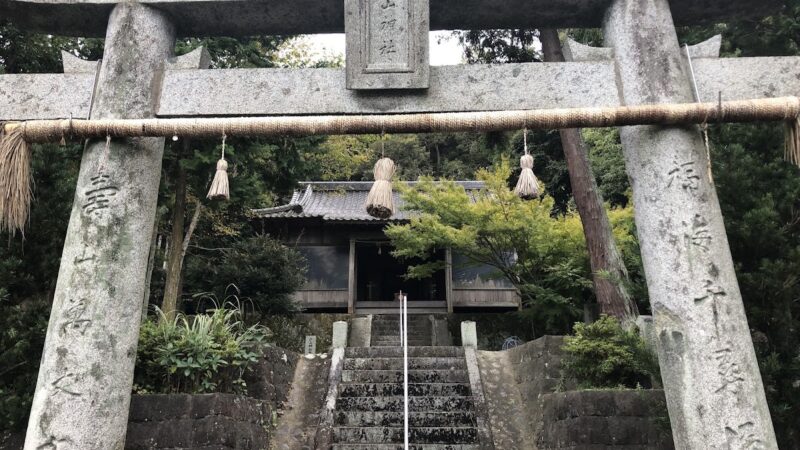
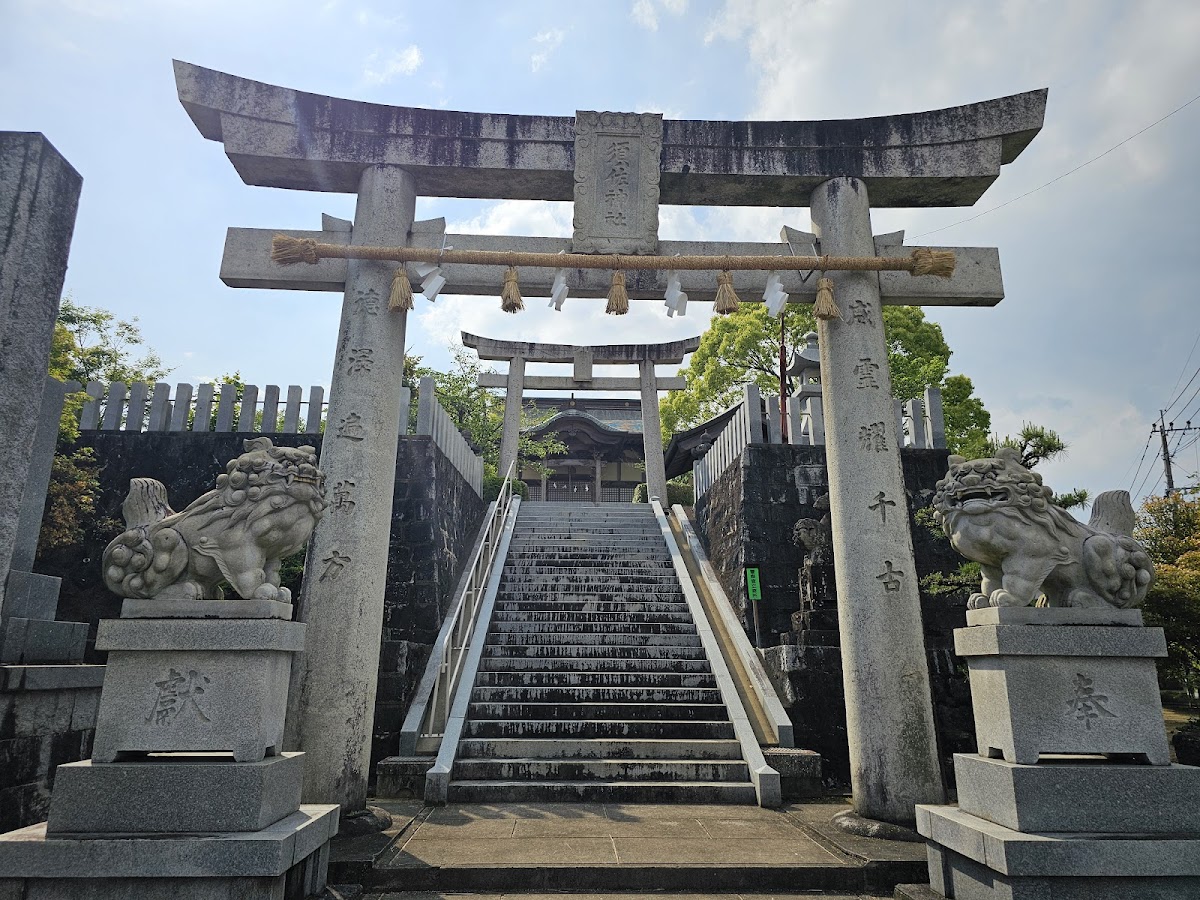
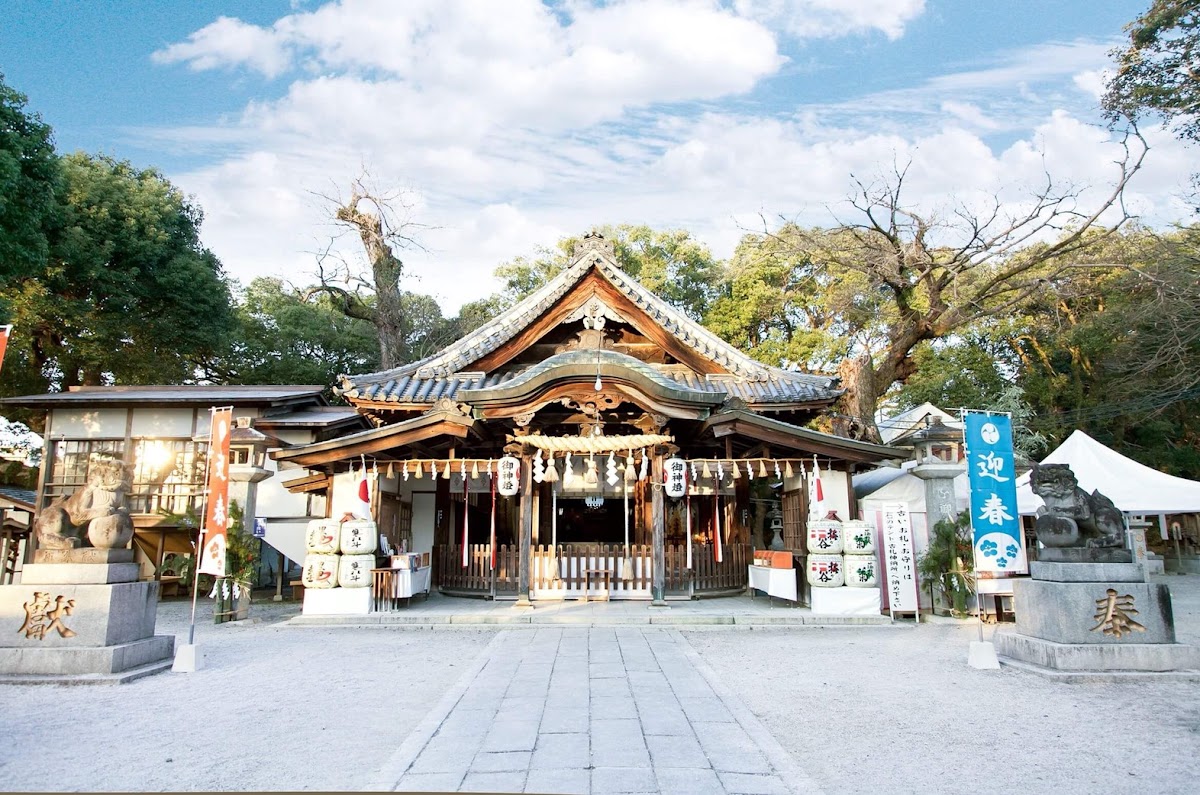
The main hall, built on a small hill, sits on a place called “Dan no Ue” (the raised platform). Located facing the old Nagasaki Highway, it possesses a majestic presence that evokes a historical atmosphere. Prayers are performed at the main hall, and many worshippers visit to mark important life events and pray for the fulfillment of their wishes.
Subsidiary Shrines (Subsidiary Shrines)
Within the grounds of Nanso Hachimangu Shrine, there are 11 subsidiary shrines, each attracting its own unique devotion.
Wakamitsui Inari Shrine
An Inari shrine known for its blessings of business prosperity and abundant harvests. Many business owners and those praying for business development visit this shrine.
Toka Ebisu Shrine
This shrine is revered as the god of business prosperity and perfect fortune. It is especially crowded with worshippers during the Toka Ebisu Grand Festival in January.
Susa Shrine
This shrine enshrines Susanoo-no-Mikoto and is believed to offer protection against evil and disease.
In addition, numerous subsidiary shrines dedicated to various deities are scattered throughout the grounds, allowing worshippers to pray according to their individual wishes.
The Stone of Matchmaking | A Hidden Power Spot
Within the grounds of Noso Hachimangu Shrine lies a little-known power spot called the “Stone of Matchmaking.” This stone is named after the place where Empress Jingu and her retainers promised to meet again, and it embodies the wish that “the hearts of many people will be connected.”
It is believed to grant blessings not only for romantic success, but also for forging friendships, family bonds, and good business relationships—all kinds of “connections”—and it receives the wishes of visitors.
Tobiume (Flying Plum Tree)
Within the temple grounds is a plum tree called “Tobiume” (Flying Plum Tree). This tree was propagated from the Tobiume at Dazaifu Tenmangu Shrine and blooms beautifully in spring. It symbolizes the connection to Dazaifu Tenmangu Shrine and also reflects the devotion to Sugawara no Michizane, the god of learning. During the plum blossom season, the temple grounds are enveloped in a vibrant atmosphere.
Annual Festivals and Events | Unique Festivals such as the Chikuzen Doll Thanksgiving Festival
Nōso Hachimangu Shrine holds various festivals and events throughout the year.
Main Annual Events
January
- New Year’s Day Festival: A festival celebrating the start of the new year
- Toka Ebisu Grand Festival: A grand festival praying for business prosperity
February
- Setsubun Festival: Traditional events such as bean-throwing
Spring
- Spring Grand Festival: An important festival celebrating the arrival of spring
Autumn
- Autumn Grand Festival: A festival giving thanks for the harvest and praying for the prosperity of the region
Chikuzen Doll Thanksgiving Festival
The Chikuzen Doll Thanksgiving Festival is a distinctive event of the Nanso Hachimangu Shrine. At this festival, dolls and stuffed animals that have served their purpose are given a memorial service with feelings of gratitude. As a warm event unique to Nanso Hachimangu Shrine, which is worshipped as a god of child protection, many families participate.
These festivals play an important role in strengthening community bonds and passing on traditional culture to the next generation.
About Prayers | Celebrating Life’s Milestones with the Gods
At Nozo Hachimangu Shrine, you can receive prayers tailored to various milestones and wishes in your life.
Main Types of Prayers
- First Shrine Visit: Reporting the birth of a baby to the gods and praying for healthy growth.
- Seven-Five-Three Ceremony: Celebrating the milestones of 3, 5, and 7 years old and praying for future health.
- Exorcism and Purification: Warding off misfortune during unlucky years and praying for peace and safety.
- Prayer for Passing Entrance Exams: Praying for the success of students taking entrance exams.
- Prayer for Business Prosperity: Praying for the development and prosperity of your business.
- Prayer for Safety: Praying for traffic safety, family safety, etc.
- Prayer for Safe Childbirth: Praying for a healthy delivery for both mother and child.
If you wish to receive a prayer, we recommend contacting the shrine in advance to make a reservation. Details regarding prayer fees and reception hours can be found on the official website or by phone.
Items Offered & Goshuin (Shrine Seals) | A Memento of Your Visit
Nanso Hachimangu Shrine offers a variety of items and goshuin (shrine seals).
Items Offered
- Amulets: Various types of amulets are available, including those for traffic safety, academic success, business prosperity, and matchmaking.
- Ema (Votive Tablets): Ema (wooden plaques) on which wishes are written and offered.
- Ofuda (Sacred Talismans): Talismans to be enshrined in homes and businesses.
- Hama-ya (Demon-Repelling Arrows): Auspicious items for warding off evil and bringing good fortune.
Goshuin (Shrine Seals)
Nanso Hachimangu Shrine offers goshuin as proof of your visit. The carefully handwritten goshuin are cherished by many visitors as a memento of their visit. If you don’t have a goshuincho (seal book), you can obtain one at the shrine, so this might be a good opportunity to start collecting goshuin.
The Goshuin (temple/shrine stamp) is generally available during visiting hours, but may not be available during festivals or events. Therefore, it is recommended to check in advance if you wish to be sure to receive one.
Access & Basic Information | Convenient Location in Iizuka City
Nanso Hachimangu Shrine is located in the heart of Iizuka City, making it easily accessible by both public transport and car.
Address
2-18 Miyamachi, Iizuka City, Fukuoka Prefecture 820-0040
Access by Train & Bus
By JR
- Approximately 15 minutes on foot from JR Chikuhō Main Line “Iizuka Station”
- Approximately 5 minutes by taxi
By Nishitetsu Bus
- Approximately 5 minutes on foot from “Iizuka Honmachi” bus stop
- Approximately 3 minutes on foot from “Miyamachi” bus stop
Because it is located in the city center of Iizuka, bus access is convenient. There are multiple bus routes, making it easily accessible from Fukuoka City and neighboring cities.
Access by Car
Using the Expressway
- Approximately 20 minutes from the Kyushu Expressway “Yahata IC” via National Route 200
- Approximately 30 minutes from the Kyushu Expressway “Fukuoka IC”
Using General Roads
- Along National Route 200 (Former Nagasaki Highway)
- Approximately 40 minutes from Fukuoka City
Parking
There is a parking lot for visitors on the temple grounds. It can get full during busy periods such as New Year’s and Shichi-Go-San seasons, so we recommend visiting with plenty of time to spare.
Visiting Hours
While you can generally visit the temple grounds during the day, the reception hours for the shrine office and prayer services are limited. Please check the official website or call for details.
Inquiries
Official Website: https://nouso.or.jp/
The latest information and event schedules are also posted on the official website and the official Instagram account (@nouso8man), so we recommend checking before your visit.
Nearby Tourist Attractions | Enjoying Iizuka Sightseeing
When visiting Nanso Hachimangu Shrine, why not also explore other tourist attractions in Iizuka City?
Former Ito Den’emon Residence
This is the magnificent residence of Ito Den’emon, the coal mine magnate of Iizuka, and is designated as a National Important Cultural Property. Located about 10 minutes by car from Nanso Hachimangu Shrine, it offers insight into the lifestyle of a wealthy merchant during the Meiji and Taisho periods. Nighttime illumination events are also held.
Iizuka City Historical Museum
This facility allows you to learn about the history of Iizuka and the development of the coal mining industry. It is also helpful for gaining a deeper understanding of the historical background of Nanso Hachimangu Shrine.
Kaho Theater
This wooden theater, built during the Taisho era, still holds performances today. Its retro atmosphere is appealing, and it is a building of high cultural value.
Manners and Points for Visiting the Shrine
When visiting Nanso Hachimangu Shrine, please observe the following manners. ### Basic Etiquette for Visiting a Shrine
- Bow before passing through the torii gate: This is a courtesy before entering the sacred area.
- Purify yourself at the water basin: Purify your left hand, then your right hand, then your mouth.
- Walk along the edge of the path: The center is considered the path of the gods.
- Etiquette at the main hall: Two bows, two claps, and one bow are the basics.
Attire
If you are receiving a prayer, it is preferable to wear attire that is not too casual. However, for a normal visit, no special attire is necessary. However, please be mindful of wearing clean clothing to avoid disrespecting the gods.
Photography
Photography is generally permitted on the shrine grounds, but please refrain from taking pictures inside the main hall or during prayers. It is also important to be considerate of other visitors.
Summary of the Charms of Nanso Hachimangu Shrine
Nanso Hachimangu Shrine, with its 1800-year history, is the guardian shrine of Iizuka and a spiritual center for the local people. This important shrine has its roots in the ancient legend of Empress Jingu’s conquest of the Three Kingdoms of Korea, and is also connected to the origin of the place name Iizuka.
With 12 subsidiary shrines surrounding the main hall, it offers a variety of blessings, including protection for children, business prosperity, and matchmaking. As a result, it attracts a constant stream of visitors for various life milestones, from first shrine visits for newborns to Shichi-Go-San (a traditional rite of passage for children), exorcism, and prayers for success in entrance exams.
Attractions include the “Matchmaking Stone” and the “Flying Plum Tree” propagated from Dazaifu Tenmangu Shrine. The shrine also boasts unique events such as festivals held throughout the year and the Chikuzen Doll Thanksgiving Festival.
Its convenient location in the heart of Iizuka City, easily accessible by both public transport and car, is another reason for its popularity. Nearby attractions include the former Ito Den’emon Residence and the Kaho Theater, making it an ideal base for exploring Iizuka.
While preserving its ancient history and traditions, Nōso Hachimangu Shrine continues to cater to the wishes of modern people. When you visit Iizuka, be sure to stop by this historic shrine and offer your prayers in peace at the place where Empress Jingu said, “Let’s meet again someday.” Something special is sure to remain in your heart.