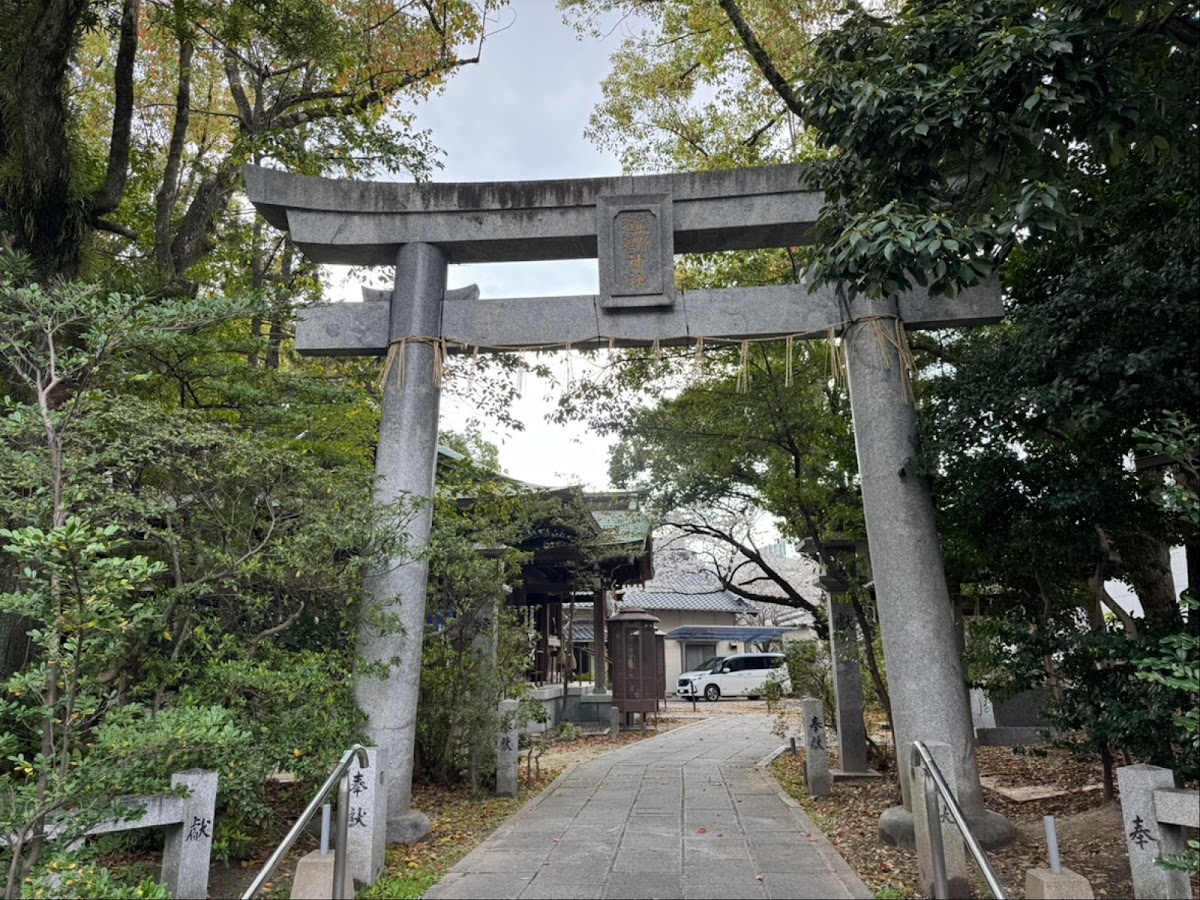
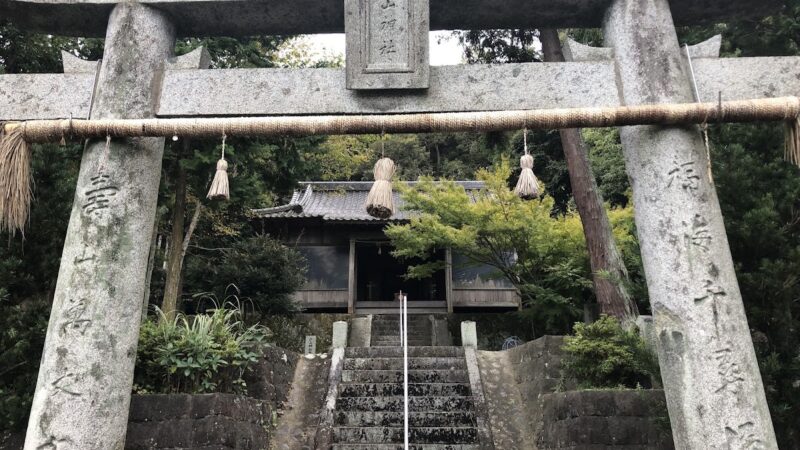
About Jotenji Temple
Jotenji Temple is a Zen Buddhist temple of the Tofukuji branch of the Rinzai school, located in Hakata Ward, Fukuoka City. It was founded in 1242 (Ninji 3) by Enni Ben’en (also known as Shoichi Kokushi), a Zen monk from Song China. It is said that Xie Guoming, a wealthy merchant of Hakata, provided the land and funds, and that Hojo Tokiyori, the regent of the Kamakura Shogunate, also provided support.
At the time of its founding, it flourished as a central temple in Hakata, a trading hub with the mainland, and at its peak, it was a large temple complex with more than 20 sub-temples within its grounds.
Highlights
Chinese-Style Architecture
The architecture of Jotenji Temple retains strong influences of the Zen Buddhist style (Tang style), and the temple gate and Buddha hall exhibit unique designs influenced by mainland China. The curve of the roof and the structure of the joinery retain characteristics of Song Dynasty architecture that were introduced during the Kamakura period.
Dry Landscape Garden
Within the temple grounds is a beautiful dry landscape garden, where white sand and stone arrangements represent the flow of water and mountains. Many visitors come to this tranquil space embodying the spirit of Zen.
Birthplace of Hakata Culture
Shōtenji Temple is considered the birthplace of “udon,” “soba,” and “manjū.” Legend says that the temple’s founder, Shōichi Kokushi, brought the recipes back from Song Dynasty China and introduced them to Hakata, and a monument commemorating this tradition stands on the temple grounds.
Points to Note When Visiting
Visiting Hours and Admission Fee
- Visiting Hours: The temple grounds are freely accessible (the garden may be closed to the public).
- Admission Fee: Free entry to the temple grounds (a fee may apply during special viewings).
- Estimated Time Required: Approximately 20-30 minutes
Recommended Time to Visit
The temple is especially beautiful during the fresh greenery of spring and the vibrant autumn foliage, allowing visitors to experience the changing seasons in a tranquil setting. Furthermore, special viewings held several times a year offer a rare opportunity to see the gardens and halls, which are usually closed to the public.
Visiting Etiquette
As this is a Zen Buddhist temple where training continues, please maintain silence and only take photographs in designated areas. In particular, please refrain from entering the main hall or the living spaces of the monks.
Benefits
Fulfillment of Wishes and Academic Success
The founder, Shoichi Kokushi, was known as a highly accomplished monk with outstanding academic achievements and trained many disciples. Therefore, it is believed to bring blessings for academic success and the bestowal of wisdom.
Business Prosperity
Due to its history of being built with the support of Hakata merchants, many visitors come to pray for business prosperity and success.
Zen Practice and Inner Peace
As a Zen Buddhist temple, it regularly holds Zen meditation sessions and sutra copying sessions, opening its doors to those seeking inner peace and spiritual discipline.
Access
Access by Train
- Fukuoka City Subway: Approximately 5 minutes on foot from “Gion Station” or approximately 7 minutes on foot from “Gofukumachi Station”
- JR: Approximately 15 minutes on foot from “Hakata Station”
Access by Bus
Get off at the Nishitetsu Bus “Daihakomachi” bus stop, approximately 2 minutes on foot
Access by Car
- Approximately 3 minutes from the Fukuoka Urban Expressway “Gofukumachi Ramp”
- Parking: No dedicated parking (use nearby coin parking)
Address
1-29-9 Hakataekimae, Hakata-ku, Fukuoka City, Fukuoka Prefecture 812-0011
Nearby Tourist Attractions
Around Shōtenji Temple, there are many temples and shrines that tell the history of Hakata, such as Kushida Shrine (5 minutes on foot) and Tōchōji Temple (8 minutes on foot), making it a popular temple and shrine hopping course in the old town of Hakata. Additionally, Canal City Hakata and the Nakasu entertainment district are within walking distance.