Kasuga Shrine (Watari, Fukushima City, Fukushima Prefecture) Complete Guide | History, Blessings, and Access Information
Kasuga Shrine, quietly nestled in the Watari district of Fukushima City, Fukushima Prefecture, is a historical shrine with a mystical origin story of the white deer legend. While located relatively close to Fukushima Station, the shrine grounds, surrounded by lush forest, offer a sacred space that allows you to forget the hustle and bustle of the city. This article comprehensively introduces information useful for those considering a visit to Kasuga Shrine, including its detailed history, enshrined deities, highlights of the grounds, and access methods.
Basic Information on Kasuga Shrine
Kasuga Shrine is a religious corporation located at 32 Watari, Fukushima City, Fukushima Prefecture, with corporate number 5380005000705. The corporate number was assigned on October 5, 2015.
Location: 32 Tate, Watari, Fukushima City, Fukushima Prefecture 960-8141
Deity Enshrined: Amenokoyane-no-Mikoto
Founded: Said to be during the Heian period
Shrine Rank: Former Village Shrine
Annual Festival Dates: Spring and Autumn every year
Located on a hill in the Watari district, east of the Abukuma River from the center of Fukushima City, it has long been revered as the local guardian deity. It is also known as a shrine near Fukushima Station and serves as a center of faith for the citizens.
The History of Kasuga Shrine and the Legend of the White Deer
A Mysterious Founding Story
A mystical legend surrounds the founding of Kasuga Shrine. Long ago, when Chunagon Yamakage-kyo (believed to be a descendant of Fujiwara no Kamatari) visited this area, he was attacked by a group of mountain monkeys in the mountains and nearly lost his life. At that moment, a white deer suddenly appeared and rescued and guided Lord Yamakage.
After this mysterious event, Lord Yamakage is said to have received a divine message and built a shrine in this place, inviting the Kasuga deity to reside there. This legend of the white deer demonstrates a deep connection with the deer, the divine messenger of Kasuga Shrine, and suggests a connection to Kasuga Taisha in Nara.
The Connection Between the Fujiwara Clan and Kasuga Faith
The enshrined deity of Kasuga Shrine, Amenokoyane-no-Mikoto, is known as the tutelary deity of the Fujiwara clan. He is the ancestral deity of the Nakatomi clan (later the Fujiwara clan) and appears in the Kojiki and Nihon Shoki as the god who recited prayers when Amaterasu Omikami hid in the Amano-Iwato cave.
The tradition that the Kasuga Shrine in Watari, Fukushima City, was founded by a descendant of the Fujiwara clan is valuable historical evidence of the Fujiwara clan’s expansion of power during the Heian period and the nationwide spread of Kasuga faith. This shrine is also important for understanding the spread of Kasuga faith in the Tohoku region.
Highlights of the Shrine Grounds
Sacred Shrine Grove and Giant Trees
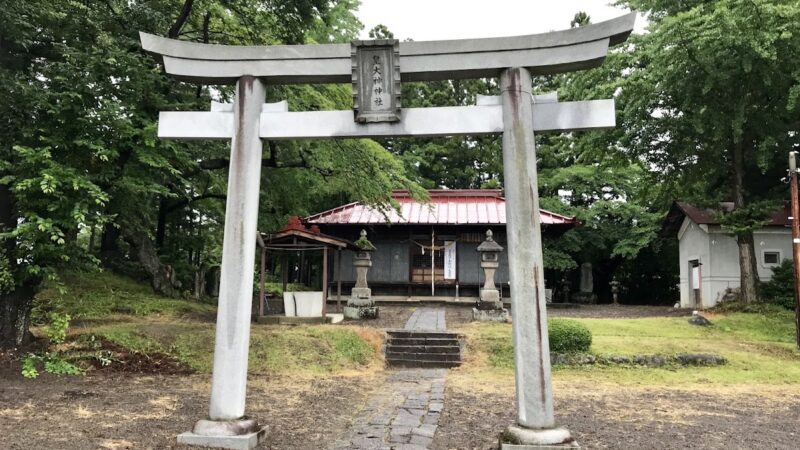
The grounds of Kasuga Shrine are a tranquil space surrounded by abundant nature. Numerous ancient trees such as cedar, ginkgo, nutmeg, zelkova, and camellia grow within the grounds, creating a solemn atmosphere that evokes a long history.
Particularly noteworthy are the two giant zelkova trees towering to the south of the main hall. The eastern zelkova reaches a height of approximately 34 meters, and the western zelkova reaches approximately 29 meters, both revered as sacred trees representing the shrine grove. These giant trees are estimated to have grown over several hundred years, and continue to watch over worshippers as witnesses to the shrine’s history.
Main Hall and Shrine Architecture
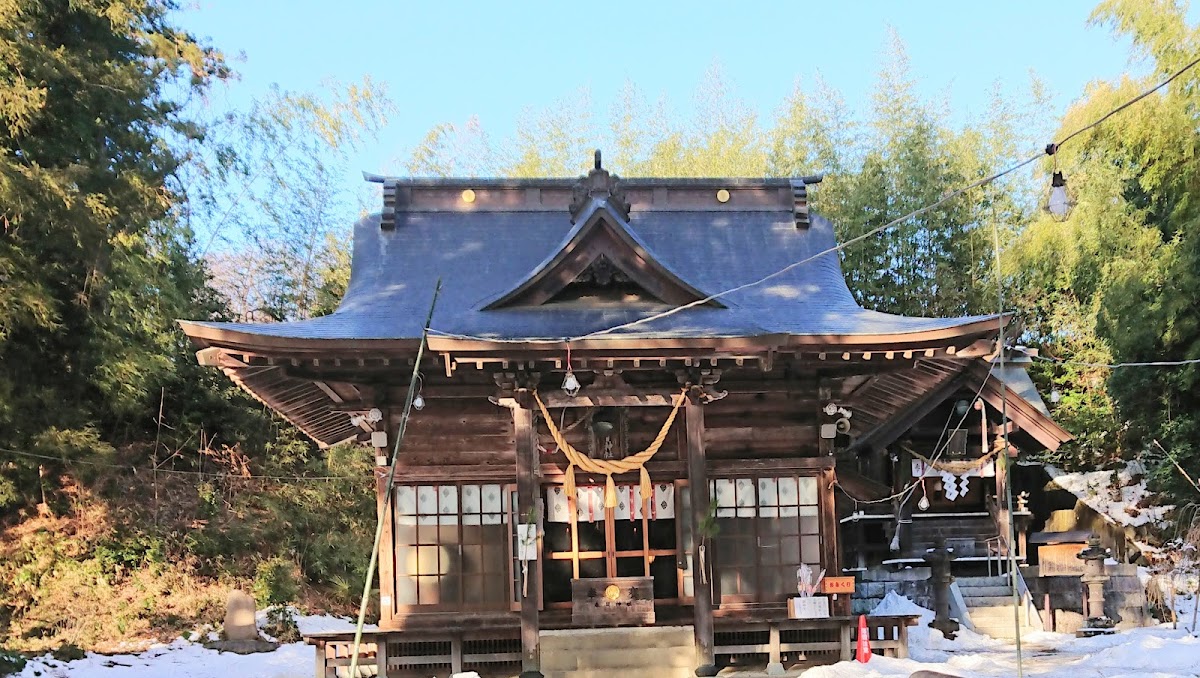
The shrine buildings of Kasuga Shrine preserve traditional shrine architectural styles. The main shrine is built in the Kasuga style, with the worship hall and offering hall arranged in succession. The tranquil atmosphere surrounding the shrine brings peace of mind to visitors.
The shrine grounds are not particularly vast, but they are meticulously maintained and clean, reflecting the deep faith of the local people.
Subsidiary Shrines and Stone Monuments
Several subsidiary shrines and stone monuments are located around the main shrine. These are valuable cultural assets that tell the story of the region’s history and the evolution of its beliefs. By carefully exploring the grounds, you can feel the multifaceted history of Kasuga Shrine.
Deities and Blessings
Divine Virtues of Amenokoyane-no-Mikoto
Amenokoyane-no-Mikoto, the deity enshrined at Kasuga Shrine, is known as the god of Kotodama (the power of words) and Norito (Shinto prayers). He is the god who recited beautiful Norito in front of the cave where Amaterasu Omikami hid, contributing to her luring out.
From this myth, Amenokoyane-no-Mikoto is worshipped as the god of words, communication, wisdom, and learning. Furthermore, as the tutelary deity of the Fujiwara clan, he is also said to bring good fortune and success in life.
Expected Benefits
The main benefits you can pray for at Kasuga Shrine are as follows:
- Academic Success/Passing Exams: Divine virtue as the god of wisdom
- Business Prosperity/Success: Improved negotiation skills through the power of words
- Family Safety/Protection from Evil: Role as a guardian deity of the community
- Matchmaking: God of communication forging good relationships
- Good Fortune and Prosperity: Benefiting from the prosperity of the Fujiwara clan
The shrine is particularly revered by students preparing for exams, those taking qualification exams, and those working in sales, customer service, and other professions that rely on words.
Access and Visiting Information
Access by Train and Bus
Access from JR Fukushima Station:
- Take the Fukushima Kotsu bus bound for “Watari” from the east exit of Fukushima Station.
- Get off at the “Tate” bus stop and walk for about 5 minutes.
- Or get off at the “Watari Branch Office” bus stop and walk for about 10 minutes.
Since the number of buses is limited, it is recommended to check the Fukushima Kotsu bus timetable in advance. Walking from Fukushima Station takes about 30 minutes, but it is a pleasant stroll along the Abukuma River, enjoying the scenery.
Access by Car
From the Tohoku Expressway:
- Approximately 20 minutes from Fukushima-Nishi Interchange
- Approximately 15 minutes from Fukushima-Iizaka Interchange
From National Route 4:
- From Fukushima city center, take National Route 13 towards Watari
- Cross the Abukuma River and proceed along the prefectural road
There is parking space for visitors on the shrine grounds, but the number of spaces is limited, so we recommend using public transportation during New Year’s visits and festivals.
Visiting Hours and Precautions
Kasuga Shrine is generally open for worship all day, but the shrine office has limited hours. If you wish to obtain a Goshuin (shrine stamp) or amulet, we recommend checking in advance.
Shrine Visit Manners:
- Bow before passing through the torii gate
- Purify your body and mind at the water basin
- Worship using the two bows, two claps, and one bow ritual
- Respect the large trees and nature within the shrine grounds
- Maintain silence and be considerate of other worshippers
Nearby Attractions and Tourist Spots
Historical Walk in the Watari District
The Watari district, where Kasuga Shrine is located, is a historic area that has flourished since ancient times as the eastern gateway to Fukushima. Facing Fukushima city across the Abukuma River, it was once a ferry service.
The district is dotted with old houses and stone monuments, making it ideal for a leisurely stroll. Combined with a visit to Kasuga Shrine, you can enjoy a walk that allows you to experience the region’s history.
Nature Along the Abukuma River
Within walking distance of Kasuga Shrine is the Abukuma River embankment, where you can enjoy the changing seasons. In spring, cherry blossoms bloom; in summer, lush greenery; and in autumn, vibrant autumn leaves – each season offers a different and beautiful sight.
A promenade is also maintained along the river, where you can see citizens enjoying walking and jogging. Refreshing yourself in nature before or after visiting the shrine is highly recommended.
Tourist Attractions in Fukushima City
Returning from Kasuga Shrine towards Fukushima Station, you’ll find various tourist attractions in the central urban area of Fukushima City:
- Fukushima Prefectural Museum of Art: Exhibitions focusing on modern art
- Shinobu-yama: An observation spot offering panoramic views of the city
- Fukushima Racecourse: Bustling with people on race days
- Komukomu (Fukushima City Children’s Dream Nurturing Facility): Popular with families
Differences from Other Kasuga Shrines in Fukushima City
There are several Kasuga Shrines in Fukushima Prefecture, each with its own unique characteristics.
Okabe Kasuga Shrine (Okabe, Fukushima City)
Located in Okabe, Fukushima City, Okabe Kasuga Shrine was considered important during the Edo period as a protector against evil influences from the northeast (demon’s gate) of Fukushima Castle. Even today, it is known as a shrine for warding off evil, and many worshippers visit to receive prayers for protection against negative influences. It is a separate shrine with a different history and role from the Kasuga Shrine in Watari.
Kuroiwa Kasuga Shrine (Kuroiwa, Fukushima City)
There is also a Kasuga Shrine in the Kuroiwa district of Fukushima City. This is a relatively large shrine with its own official website. It has a distinctive layout, with the main shrine building in Kaminomachi, Fukushima City, and the shrine office in the Kuroiwa district.
While smaller in scale compared to these shrines, the Kasuga Shrine in Watari is characterized by its unique history, including the legend of the white deer, and its lush shrine forest.
Annual Events and Festivals
Kasuga Shrines hold various Shinto rituals throughout the year.
Spring Grand Festival
Held with the arrival of spring, the Spring Grand Festival is an important festival praying for a bountiful harvest and peace in the community. Parishioners and local residents gather, and traditional Shinto rituals are solemnly performed.
Autumn Grand Festival
The Autumn Grand Festival, which expresses gratitude for the autumn harvest, is also an important annual event at Kasuga Shrine. It is an opportunity to express gratitude for the harvest, pray for a good harvest in the coming year, and deepen the bonds of the local community.
Other Annual Events
- Hatsumode: Bustling with worshippers praying for happiness in the new year
- Setsubun Festival: Prayers for protection from evil and for good fortune
- Shichi-Go-San: Prayers for the healthy growth of children
- Monthly Festival: Regular monthly festivals
For specific dates and details of festivals, please contact the shrine directly or check the Fukushima Prefecture Shrine Association website.
Cultural Value of Kasuga Shrine
Ecological Value of the Shrine Grove
The shrine’s grounds (sacred grove) preserve a valuable natural environment in the increasingly urbanized city of Fukushima. The giant trees, including cedar, zelkova, and ginkgo, are estimated to be several hundred years old and are important from the perspective of biodiversity conservation.
These giant trees also function as nesting grounds for wild birds and habitats for insects, serving as an ecological oasis in the urban area. In particular, the zelkova tree on the east side, reaching a height of 34 meters, is one of the largest trees in Fukushima City and is attracting attention from a nature conservation perspective.
Value as Historical Material
The history and traditions of Kasuga Shrine are valuable resources for studying the cultural spread to the Tohoku region during the Heian period, especially the spread of Kasuga faith. The tradition of its founding by descendants of the Fujiwara clan provides clues to understanding the relationship between the central aristocracy and the provinces.
Value as Historical Material
The history and traditions of Kasuga Shrine are valuable resources for studying the cultural transmission to the Tohoku region during the Heian period, particularly the spread of Kasuga faith. The tradition of its founding by descendants of the Fujiwara clan provides clues to understanding the relationship between the central aristocracy and the provinces. Furthermore, the existence of Kasuga Shrine is indispensable when studying the local history of the Watari district. The fact that it has been revered as the local guardian deity for many years demonstrates the role the shrine has played in the formation and maintenance of the local community.
Visitor Voices and Experiences
Visitors who have come to Kasuga Shrine have shared the following impressions:
“Because it’s a little distance from Fukushima Station, I was able to worship in a quiet and peaceful atmosphere. The large zelkova tree in the shrine grounds was impressive, and I could feel its long history.”
“As the local guardian deity, we visited for our child’s Shichi-Go-San (a traditional Japanese rite of passage for children). The atmosphere was very welcoming, and the prayers were performed with great care.”
“I was drawn to the shrine by its mystical origin, the legend of the white deer. The tranquility of the grounds and the solemnity of the ancient trees made me feel as if my soul was being cleansed.”
Many visitors highly appreciate the serene atmosphere and the richness of nature within the shrine grounds. While it’s not a large-scale tourist shrine, it seems to possess a unique charm as a place of simple faith that can only be felt there.
How to Enjoy Visiting Kasuga Shrine
Enjoying the Changing Seasons
Kasuga Shrine displays different expressions with each season.
Spring: The cherry blossoms and camellias in the shrine grounds bloom, and new greenery sprouts. You can enjoy the vibrant energy of the shrine grounds.
Summer: The shrine’s grove, covered in deep green, provides shade, and a cool breeze flows through the grounds. The summer grounds, filled with the sound of cicadas, also have a unique charm.
Autumn: The zelkova and ginkgo trees change color, and the shrine grounds are dyed golden. Visiting the shrine while treading on fallen leaves is a special experience.
Winter: The snow-covered grounds possess a fantastical beauty. The shrine, enveloped in silence during winter, evokes a special sense of sacredness.
Photography Tips
Kasuga Shrine is also a suitable spot for photography. The following points are especially recommended:
- Two Zelkova Trees on the South Side of the Shrine: Taking photos from an angle looking up at the giant trees will create a powerful image.
- Main Shrine: Capture the beauty of traditional shrine architecture.
- Panoramic View of the Shrine Grounds: Express the tranquil atmosphere surrounded by the shrine’s forest.
- Seasonal Nature: Cherry blossoms, fresh greenery, autumn leaves, snowscapes, etc.
However, please be considerate of other visitors and remember that this is a sacred place, so please observe proper etiquette when taking photos.
Connection with the Community
Kasuga Shrine plays an important role in the community of the Watari district. The annual festivals and events are valuable opportunities for local residents to gather and serve as a place for intergenerational exchange.
Especially in aging rural cities, maintaining a community centered around a shrine is a crucial issue. Although small, Kasuga Shrine continues to function as a core element in maintaining community bonds.
For local children, Kasuga Shrine is a place where they can interact with nature close at hand, and it also has value from an environmental education perspective. Observing the ancient trees and the creatures within the shrine grounds can foster an interest in nature and an awareness of environmental protection.
Summary: The Charm of Kasuga Shrine
Located in Watari, Fukushima City, Fukushima Prefecture, Kasuga Shrine is a historic shrine with a mystical origin story of the White Deer legend, surrounded by lush forests and ancient trees. While not large in scale, it possesses a simple, unpretentious charm as a place of worship.
Despite its proximity to Fukushima Station, it offers a rare opportunity for peaceful worship in a tranquil atmosphere. Many visitors come seeking various blessings, including academic success, business prosperity, and family safety.
When visiting Fukushima City, be sure to visit Kasuga Shrine and experience the sacred space that served as the stage for the White Deer legend. By offering prayers to the ancient trees within the grounds and reflecting on its long history, you can find inner peace away from the hustle and bustle of everyday life.
The beauty of nature in every season, the warm faith rooted in the community, and the ancient trees that have witnessed centuries of history—Kasuga Shrine is a shrine that reminds us of the important things that modern people are in danger of forgetting.