Gyōchōji Temple (Gifu Prefecture) Complete Guide | History, Access, and Highlights Explained in Detail
Gyōchōji Temple, located in Gifu Prefecture, is a historic temple that has long been cherished by the local community. This article provides detailed information useful for those considering a visit, from the temple’s historical background to its highlights, access methods, and annual events.
About Gyōchōji Temple
Gyōchōji Temple is a Buddhist temple located in Gifu Prefecture. It has deep ties to the local community and has functioned as a place of worship and spiritual solace for its parishioners and local residents.
The temple’s name, “Gyōchō,” embodies the Buddhist meaning of transcending worldly desires through ascetic practice, conveying the spirituality since its founding.
Basic Temple Information
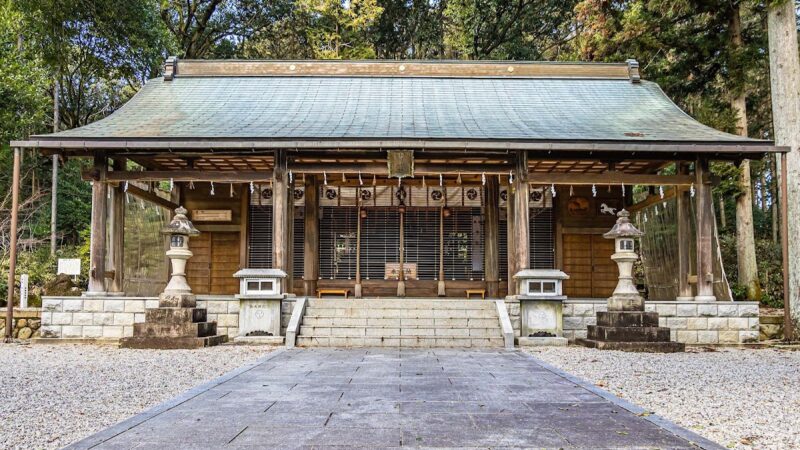
Gyōchōji Temple is located in a quiet environment within Gifu Prefecture, providing a space where visitors can offer prayers in peace. The temple grounds are of a moderate size, with the main hall at the center and other buildings arranged around it.
History of Gyōchōji Temple
Origin of Founding
Research into the founding period of Gyōchōji Temple is ongoing, based on local records and oral traditions. Like many local temples, it is believed to have been established during the medieval to early modern period by influential local figures and monks.
The temple’s founding reflects the social conditions and religious needs of the time, and it is presumed to have aimed at the salvation and religious education of the people.
Successive Chief Priests and the Temple’s Development
Gyōchōji Temple has been preserved and passed down through successive chief priests since its founding. In each era, the chief priests deepened their relationship with the local community and dedicated themselves to establishing the danka system (parishioner system) and improving temple facilities.
During the Edo period, the danka system was established, and the temple came to play a central role in the local community. Despite the impact of the anti-Buddhist movement after the Meiji Restoration, the temple was maintained with the support of the local people, and its teachings have been passed down to the present day.
Modern and Contemporary History
Since the Meiji era, Gyōchōji Temple has experienced various changes amidst the wave of modernization. Having overcome the difficult period during wartime, temple activities were revived after the war along with the reconstruction of the local community.
In modern times, while maintaining traditional temple activities, new initiatives are also being undertaken to meet the needs of the times.
Sect and Principal Image
Affiliated Sect
Gyōchōji Temple is believed to belong to one of the sects commonly found in Gifu Prefecture, such as Jōdo-shū, Jōdo Shinshū, Sōtō-shū, or Rinzai-shū. Doctrines and ritual forms differ depending on the sect, and each has its own characteristic form of faith.
About the Principal Image
The principal image, which is central to the temple, represents the core of the temple’s faith. Generally, in Jōdo-shū temples, Amida Buddha is often enshrined as the principal image, while in Zen-shū temples, Shakyamuni Buddha is often enshrined.
The principal image is enshrined on the altar in the main hall and is the object of worship during daily services and ceremonies. Worshippers clasp their hands together in prayer towards the main image of Buddha and offer heartfelt prayers.
Highlights of the Temple Grounds
Main Hall
The main hall of Gyōchōji Temple is the central building of the temple. It houses the main image of Buddha and is a sacred space where various Buddhist services and ceremonies are held.
The architectural style of the main hall conveys the beauty of traditional Japanese architecture, possessing both the warmth and solemnity characteristic of wooden buildings. The inner sanctuary is adorned with intricate decorations, giving it value as Buddhist art.
Other Buildings on the Temple Grounds
Besides the main hall, several other buildings are located on the temple grounds. The kuri (monk’s quarters) is the living space of the head priest and also functions as the temple office.
Furthermore, if there is a bell tower, the temple bell that chimes morning and evening resonates throughout the area.
Cemetery
Like many temples, Gyōchōji Temple also has a cemetery for its parishioners. Numerous ancestral graves stand side by side, and many people visit to pay their respects during Obon and Higan.
Cemeteries are not merely burial grounds; they hold significant meaning in Japanese religious culture as places where the living and the dead are connected in spirit.
Natural Environment
The surrounding environment of the temple is also a point of interest. The temple grounds and surrounding area feature trees and flowers that display different appearances with each season, allowing visitors to enjoy the beauty of the four seasons: cherry blossoms in spring, fresh greenery in early summer, and autumn leaves in fall.
Nearby in a tranquil natural environment, the temple offers a place of peace and tranquility, away from the hustle and bustle of the city.
Annual Events
Spring Events
In spring, the Spring Higan memorial service is held. Higan is an important time for ancestor worship, and many parishioners visit the temple to pay their respects to the spirits of their ancestors. The Higan period is a total of seven days, with the spring equinox as the central day, and three days before and three days after.
Furthermore, Hanamatsuri (Kanbutsu-e) is a celebration of the birth of Buddha and is sometimes held around April 8th.
Summer Events
Obon is one of the most important events in Japanese Buddhist temples. Generally held from August 13th to 16th (July in some regions), it is believed that the spirits of ancestors return home.
Temples hold Urabon-e memorial services, and parishioners participate in grave visits and Segaki memorial services.
Autumn Events
Autumn equinox is also an important time for ancestor worship, similar to spring. With the autumn equinox as the central day, parishioners gather at temples to attend memorial services.
Some temples also hold special memorial services on the anniversary of the founder’s death or the death of the patriarch.
Winter Events
At the end of the year, the temple bells are rung. The 108 rings of the bell symbolize the purification of human desires and the welcoming of the new year with a pure heart.
At the start of the new year, the Shushō-e ceremony, the first Buddhist service of the year, is held to pray for peace throughout the year.
Etiquette and Manners for Visiting a Temple
Basic Etiquette for Visiting a Temple
When visiting a temple, first bow at the main gate before entering the grounds. This is a sign of respect when entering a sacred area.
In front of the main hall, quietly join your hands in prayer and offer a heartfelt prayer. While Buddhism emphasizes the state of mind over formality, observing basic etiquette is also important.
Clothing and Items to Bring
For regular visits, no special attire is required, but clean and subdued clothing is preferable. When attending a Buddhist service, choose clothing in subdued colors such as black or navy.
Bringing prayer beads (juzu) allows for a more respectful visit. Prayer beads are a symbol of Buddhism and are used by holding them in your hands when joining your hands in prayer.
Photography Etiquette
Regulations regarding photography on temple grounds vary by temple. Photography inside the main hall and of Buddha statues is generally prohibited, so it’s important to check before taking pictures.
Even when photographing the scenery of the temple grounds, consideration for other visitors and maintaining quiet are required.
Access Information
Location
Gyochoji Temple is located in Gifu Prefecture. For the specific address, it is recommended to inquire with the temple in advance or check the latest information online.
Access by Public Transportation
Access to temples in Gifu Prefecture is generally by bus or taxi from the nearest station. JR Gifu Station and Meitetsu Gifu Station are major transportation hubs.
If using a local bus, it’s advisable to check the schedule and bus stops in advance. Especially for temples in rural areas, bus services may be limited, so careful planning is necessary.
Access by Car
For access by private car, entering the temple name or address into your car’s navigation system will guide you to your destination.
It’s helpful to check access routes from major expressways in Gifu Prefecture, such as the Tokai-Hokuriku Expressway and the Tokai-Kanjo Expressway, in advance.
Parking
It’s recommended to check in advance whether the temple has an attached parking lot. Parking lots can become crowded during periods with many visitors, such as during memorial services.
If there is no parking lot or it is full, you will need to use a nearby coin-operated parking lot.
Nearby Tourist Attractions
Historical Sites in Gifu Prefecture
Gifu Prefecture has many historical sites. Gifu Castle is famous as a castle associated with Oda Nobunaga, and the view from the summit of Mt. Kinka is magnificent.
The old townscape of Takayama City retains the atmosphere of the Edo period and is a beautiful townscape that attracts many tourists from both Japan and abroad.
Natural Scenery
Gifu Prefecture is blessed with abundant nature. You can enjoy the beautiful scenery of each season, such as the majestic scenery of the Hida Mountains (Northern Alps), the clear waters of the Nagara River, and the Gassho-zukuri village of Shirakawa-go.
Hot Spring Resort
Gero Onsen is known as one of Japan’s three most famous hot springs, boasting high-quality hot springs and a charming hot spring town. Combining a visit to Gyochoji Temple with a relaxing soak in the hot springs is highly recommended.
The Danka System and the Role of Temples
What is the Danka System?
The Danka system is a unique Japanese relationship between temples and believers, established during the Edo period. Danka belong to a specific temple, providing financial support for its maintenance and operation, while the temple performs funerals and memorial services for the danka, and undertakes the commemoration of their ancestors.
This system fosters a strong bond between temples and local communities, which continues to this day.
The Role of Temples in Modern Society
In modern society, the role of temples has diversified. In addition to their function as venues for traditional religious rituals, they play various roles such as community hubs, cultural property preservation sites, and places of spiritual care.
Especially in aging communities, temples have become crucial as a source of spiritual support for people.
Memorial Services and Ceremonies at Temples
Funerals
Temples play an important role in conducting funerals for their parishioners. A funeral is a solemn ceremony to send off the deceased, with prayers for their peaceful repose through chanting and incense offerings by monks.
While funeral customs vary by sect, the common thread is the wish for the deceased’s peaceful journey.
Memorial Services and Ceremonies
Regular memorial services, such as those held on the seventh day, forty-ninth day, first anniversary, and third anniversary, are important opportunities to honor the deceased and heal the grief of the bereaved family.
At these services, after the monks’ chanting, attendees offer incense and remember the deceased. Often, a meal is provided after the service, allowing relatives to gather and share memories of the deceased.
Perpetual Memorial Services
In recent years, due to declining birth rates, an aging population, and the rise of nuclear families, the inheritance of family graves has become increasingly difficult. Therefore, perpetual memorial services are gaining attention. With perpetual memorial services, the temple takes responsibility for performing memorial services indefinitely, providing peace of mind even if there are no successors to the grave.
Cultural Properties and Treasures of Gyōchōji Temple
Buddhist Statues and Artifacts
Many temples possess historically valuable Buddhist statues and artifacts. These are not only objects of faith but also possess value as works of art and craft.
Older Buddhist statues reflect the styles and techniques of the era in which they were created, making them valuable resources for the study of Buddhist art.
Ancient Documents and Records
Temples sometimes preserve historical records such as temple registers, histories, and ancient documents. These are valuable resources for understanding the history of the region.
Temple registers contain records of the ancestors of parishioners, allowing us to trace the changes in family lineage and the local community.
Buddhist Culture in Gifu Prefecture
Characteristics of Temples in Gifu Prefecture
Gifu Prefecture is located in the Chubu region and has flourished since ancient times as a key point for east-west transportation. Therefore, temples of various sects exist, fostering a diverse Buddhist culture. The Hida region boasts many ancient temples, while the Mino region features temples deeply intertwined with the history of the Sengoku period (Warring States period).
Regional Beliefs
The beliefs of the people of Gifu Prefecture are deeply intertwined with both Buddhism and Shintoism. The tradition of syncretism between Shinto and Buddhism remains strong, and it is not uncommon to find temples and shrines adjacent to each other.
Regional festivals and annual events blend elements of both Buddhism and Shintoism, demonstrating the multifaceted nature of Japanese religious culture.
Precautions When Visiting
Visiting Hours
Temples are generally open for worship during daylight hours. It is considered polite to refrain from visiting at night or in the early morning.
If there are religious services or other events, general worship may be restricted during those times, so it is advisable to check in advance.
Offerings
Offering a monetary donation during worship is an act of gratitude. There are no set amounts; any amount reflects your feelings. Regarding offerings when requesting a memorial service, it is recommended to inquire directly with the temple or consult with someone who has experience.
Visiting with Children
Children are welcome to visit, but it is important to maintain quiet. Parents are expected to supervise their children appropriately to prevent them from running around or shouting.
Since temples are also educational places, this is a good opportunity to teach children about proper etiquette and the history of the temple.
How to Contact a Temple
Inquiry by Phone
The most reliable way to contact a temple is by phone. However, it is considered good manners to avoid calling early in the morning, late at night, or during meal times (around noon).
Organize your inquiry beforehand and try to convey it concisely.
Precautions When Visiting
If you plan to visit in person, it is advisable to contact the temple in advance. Unannounced visits may result in the head priest being absent or unable to attend.
When visiting, greet the priest politely at the entrance and state your purpose concisely.
Summary
Gyōchōji Temple, located in Gifu Prefecture, is a historic temple that has maintained its religious traditions to this day while having deep ties with the local community.
In the tranquil atmosphere of the temple grounds, one can escape the hustle and bustle of everyday life, find peace of mind, and have time to reflect on gratitude to one’s ancestors and oneself. Those considering a visit should use the information in this article as a reference and do visit.
Temples are not merely tourist destinations; they are living spaces where faith and culture thrive. When visiting, it is important to show respect for its history and traditions and observe appropriate manners during your visit.
Gyōchōji Temple, nestled amidst the rich natural and historical environment of Gifu Prefecture, will be a precious place for those seeking inner peace. Along with the beautiful scenery of the four seasons, you can feel the profound depth of Japanese Buddhist culture.