Shogaku-ji Temple (Ogaki City, Gifu Prefecture) | A Complete Guide to the History, Access, and Highlights of this Soto Zen Temple
Located in Funamachi, Ogaki City, Gifu Prefecture, Shogaku-ji Temple is a historic Buddhist temple belonging to the Soto Zen sect. Ogaki City is known as the “City of Water” and boasts a rich history and culture. Within this region, Shogaku-ji Temple has long been a cherished center of local faith. This article comprehensively introduces information useful for visitors, including the history, characteristics, access methods, and nearby attractions of Shogaku-ji Temple.
Basic Information on Shogaku-ji Temple
Shogaku-ji Temple is a Soto Zen temple located at 7-1 Funamachi, Ogaki City, Gifu Prefecture. Its convenient location, approximately a 7-minute walk from Nishi-Ogaki Station, makes it a familiar place of worship for local residents.
Location and Access
Address: 7-1 Funamachi, Ogaki City, Gifu Prefecture 503-0923
Phone Number: 0584-78-0869
Nearest Station: Approximately 7 minutes on foot (approx. 543m) from Nishi-Ogaki Station on the Yoro Railway Yoro Line
Sect and Characteristics
Shogaku-ji Temple belongs to the Soto Zen sect. The Soto Zen sect is a branch of Japanese Zen Buddhism, founded by Zen Master Dogen, and is known for its emphasis on “Shikantaza,” or simply immersing oneself in seated meditation. Its head temples are Eihei-ji Temple in Fukui Prefecture and Soji-ji Temple in Kanagawa Prefecture.
What is the Soto Zen Sect?
Understanding the teachings of the Soto Zen sect is important for understanding Shogaku-ji Temple. The Soto Zen sect is a branch of Zen Buddhism introduced to Japan by Zen Master Dogen during the Kamakura period, and has the following characteristics:
Doctrines of the Soto Zen School
The foundation of the Soto Zen school is the concept of “Shusho Itto” (修証一等), which means that practice and enlightenment are not separate things, but rather that the practice of zazen (seated meditation) itself is a manifestation of enlightenment. A distinctive feature is the idea that zazen itself is the form of Buddha, rather than being practiced for a specific purpose.
The Practice of Shikantaza (Just Sitting)
The Soto Zen school places the utmost importance on “Shikantaza” (Just Sitting). This means sitting without thinking about anything, without seeking anything, simply and wholeheartedly. The basic style is “Menpeki Zazen” (face-wall meditation), and through this posture, the aim is to confront oneself and awaken to one’s true self.
The Position of Shogaku-ji Temple in Ogaki City’s Temple Culture
Ogaki City is the central city of the Seino region of Gifu Prefecture and has flourished as a transportation hub since ancient times. It is also a historically important area, as it is home to Ogaki Castle, which served as a base for the Western Army during the Battle of Sekigahara.
Characteristics of Buddhist Temples in Ogaki City
Ogaki City is home to numerous Buddhist temples, representing various sects including Jodo Shinshu, Soto Zen, Rinzai Zen, and Nichiren Buddhism. This reflects Ogaki’s history as a commercial city, attracting diverse people.
Shogaku-ji Temple, a Soto Zen temple, has played a vital role in spreading Zen teachings throughout the region. The place name Funamachi (meaning “boat town”) reflects Ogaki’s history as a thriving water transport center, and Shogaku-ji Temple has also grown alongside the region’s development.
Soto Zen Temple Network in the Seino Region
The Seino region of Gifu Prefecture has many Soto Zen temples, which interact with each other and spread Zen teachings. Shogaku-ji Temple is a member of this network, contributing to the maintenance and development of the region’s Buddhist culture.
History of Shogaku-ji Temple
While information on the detailed founding date and founder of Shogaku-ji Temple is currently limited, it is certain that, as a temple in Ogaki City, it has been deeply intertwined with the region’s history.
Soto Zen Temple Network in the Seino Region
The Seino region of Gifu Prefecture has many Soto Zen temples, which interact with each other and spread Zen teachings. Shogaku-ji Temple is also a member of this network, contributing to the maintenance and development of the region’s Buddhist culture.
History of Shogaku-ji Temple
While detailed information on Shogaku-ji Temple’s founding date and founder is currently limited, it is certain that, as a temple in Ogaki City, it has been deeply connected to the region’s history. ### The History of Ogaki and the Development of Temples
Ogaki City developed as a castle town centered around Ogaki Castle from the Sengoku period to the Edo period. Many temples were built in the castle town, becoming places of worship for samurai, merchants, and ordinary people. It is believed that Shogaku-ji Temple also attracted the faith of local people during this period.
Shogaku-ji Temple in the Modern Era
After the anti-Buddhist movement following the Meiji Restoration, Shogaku-ji Temple survived as a local Soto Zen temple and continues to exist to this day. During the post-war period of rapid economic growth, Ogaki City underwent urbanization, but Shogaku-ji Temple continued to function as a spiritual center for local residents.
The Grounds and Facilities of Shogaku-ji Temple
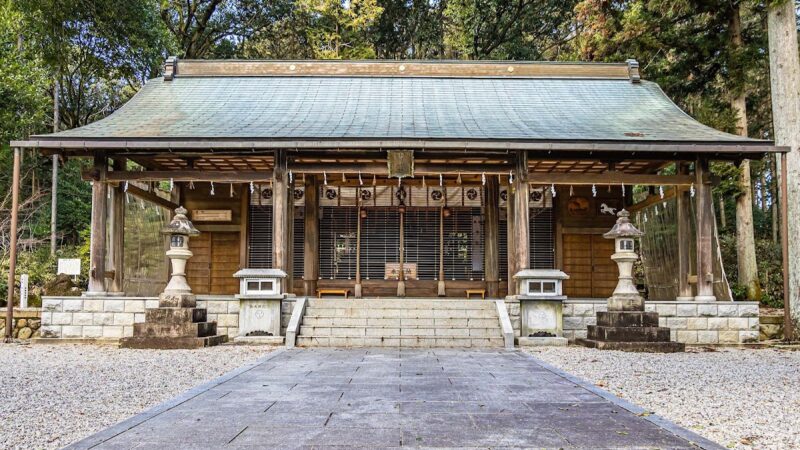
As a Soto Zen temple, Shogaku-ji Temple exhibits the typical structure of a Zen temple.
Main Hall
The main hall is the central building of the temple, where the principal image is enshrined. While Shakyamuni Buddha is generally the principal image of Soto Zen temples, this may vary depending on the temple. Daily services and religious ceremonies are held in the main hall.
Zen Meditation Hall
A characteristic facility of Soto Zen temples is the Zen meditation hall. Here, monks and parishioners practice Zen meditation. Shogaku-ji Temple may also hold Zen meditation sessions, and there may be opportunities for the general public to participate.
Kuri (Temple Kitchen/Living Quarters)
The Kuri is a building that includes the temple’s kitchen and the living quarters of the head priest. It is the center of daily life at the temple, and interactions with parishioners also take place here.
Main Events Held at Shogaku-ji Temple
As a Soto Zen temple, Shogaku-ji Temple holds various Buddhist events throughout the year.
Regular Memorial Services
- Spring and Autumn Equinox Memorial Services: Important periods for ancestor worship
- Obon Memorial Service: Summer memorial service for ancestors
- Annual Memorial Service: Memorial service held on the anniversary of the deceased’s death
Zen Meditation Sessions
Many Soto Zen temples regularly hold Zen meditation sessions, and these are sometimes open to the public. Shogaku-ji Temple may also hold Zen meditation sessions; please contact the temple directly if you are interested.
Annual Events
- Shushōe: New Year’s Buddhist service
- Nehan-e: Buddhist service commemorating the passing of Buddha (around February 15th)
- Hanamatsuri (Kanbutsu-e): Buddhist service celebrating the birth of Buddha (April 8th)
- Jōdō-e: Buddhist service commemorating the enlightenment of Buddha (December 8th)
How to Access Shōgaku-ji Temple
Shōgaku-ji Temple is conveniently located within Ōgaki City.
Access by Train
Using the Yoro Railway Yoro Line:
- Get off at Nishi-Ogaki Station
- Approximately 7 minutes on foot from the station (approx. 543m)
- Head towards Funamachi; the temple is located in a residential area.
Nishi-Ogaki Station is the next station to Ogaki Station and is one of the main stations on the Yoro Railway Yoro Line. It is just one stop from Ogaki Station.
Access by Car
From Ogaki Station (Tokaido Shinkansen/JR Tokaido Main Line):
Approximately 5 minutes by car from Ogaki Station.
Using Expressways:
- Approximately 15 minutes from the Meishin Expressway “Ogaki IC”
- Approximately 20 minutes from the Tokai-Kanjo Expressway “Ogaki-Nishi IC”
We recommend contacting the temple directly before your visit regarding parking availability.
Access by Bus
While local buses within Ogaki City are available, walking from Nishi-Ogaki Station is the most convenient access method.
Tourist Attractions Around Shogaku-ji Temple
When visiting Shogaku-ji Temple, you can also visit other tourist attractions in Ogaki City.
Ogaki Castle
This historical castle served as the headquarters of the Western Army during the Battle of Sekigahara. A reconstructed keep now stands, and it is a symbol of the city. It is about a 10-minute drive from Shogaku-ji Temple.
Oku no Hosomichi Musubi no Chi Memorial Museum
This facility commemorates Ogaki, the final destination of Matsuo Basho’s “Oku no Hosomichi” (The Narrow Road to the Deep North). You can learn about Basho’s connection to Ogaki.
Ogaki City Local History Museum
This museum introduces the history and culture of Ogaki. It exhibits the history of the Ogaki Domain and local folklore materials.
Around the Suimon River
A promenade has been built along the Suimon River, symbolizing Ogaki as a “City of Water,” allowing visitors to enjoy the scenery of each season. The cherry blossom trees are beautiful in spring, and boat trips can be enjoyed in summer.
Sumiyoshi Lighthouse
This historical site is known as the oldest wooden Western-style lighthouse in Japan. It is a valuable legacy that tells the story of Ogaki’s water transport history.
Other Temples in Ogaki City
Besides Shogaku-ji Temple, there are many other historical temples in Ogaki City.
Kakunen-ji Temple
Located in Kyutoku-cho, Ogaki City, it is about a 15-minute walk from Nishi-Ogaki Station. It can be visited in conjunction with Shogaku-ji Temple.
Engaku-ji Temple
This temple belongs to the Jodo Shinshu Honganji sect and also offers modern forms of memorial services, such as tree burial grounds. It is a representative Jodo Shinshu temple in Ogaki City.
Other Temples
Ogaki City is dotted with temples of various sects, including Rensho-ji Temple, Kuon-ji Temple, Joren-ji Temple, and Ritsugen-ji Temple, each supporting the local faith.
About Memorial Services and Buddhist Rites at Shogaku-ji Temple
Shogaku-ji Temple conducts various memorial services and Buddhist rites for its parishioners.
Funerals and Buddhist Rites
We can conduct funerals and Buddhist rites according to the customs of the Soto Zen sect. Opportunities to remember and honor the deceased are provided from the seventh day after death to the forty-ninth day, the first anniversary, the third anniversary, and other annual memorial services.
Perpetual Memorial Services
In modern times, due to declining birth rates and the rise of nuclear families, the inheritance of family graves is becoming increasingly difficult. Many temples offer perpetual memorial services, and Shogaku-ji Temple may also offer this service. Please contact the temple directly for details.
Ancestor Memorial Services
During the Obon and Higan periods, special memorial services for ancestors are held. These services may be open to the general public as well as parishioners, so please inquire if you are interested.
Etiquette and Manners at Soto Zen Temples
When visiting Shogaku-ji Temple, it is important to observe basic temple etiquette.
Basic Etiquette for Visiting a Temple
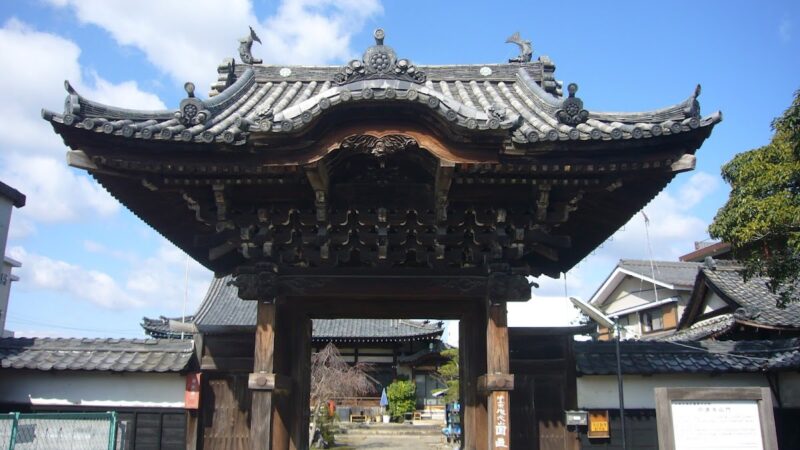
- Bow at the Temple Gate: Bow at the temple gate before entering the temple.
- Worship at the Main Hall: Join your hands in prayer in front of the main hall and bow once or three times.
- Quiet Attitude: Remain quiet on the temple grounds and be considerate so as not to disturb the practice or religious service.
- Photography: Permission may be required to take photographs on the temple grounds.
Participating in a Zen Meditation Session
When participating in a Zen meditation session, please note the following:
- Attire: Comfortable, loose-fitting clothing is preferable.
- Punctuality: Arrive with ample time to spare to avoid being late.
- Follow Instructions: Follow the instructor’s instructions regarding Zen meditation etiquette.
- No Talking: Maintain silence during Zen meditation.
Becoming a Parishioner of Shogaku-ji Temple
If you wish to become a parishioner of Shogaku-ji Temple, please contact the temple directly.
About the Danka System
The Danka system is a traditional system that supports Buddhist temples in Japan. Becoming a Danka creates the following relationships:
- Cooperation in the maintenance and operation of the temple
- Having Buddhist ceremonies such as funerals and memorial services held at the temple
- Being able to request ancestral memorial services from the temple
- Participation in temple events
Benefits of Becoming a Danka
- Peace of mind in entrusting funerals and memorial services to the temple
- Increased opportunities to experience Buddhist teachings
- Connections with the local community
- Having a place of spiritual support
History and Culture of Ogaki City
Understanding Ogaki City, where Shogaku-ji Temple is located, more deeply reveals the meaning of the temple.
Ogaki, the City of Water
Ogaki City is blessed with abundant groundwater and is known as the “City of Water.” Many artesian wells flow through the city, providing high-quality water. This abundant water has nurtured Ogaki’s industry and culture.
The Battle of Sekigahara and Ogaki
In the Battle of Sekigahara in 1600, Ogaki Castle became the headquarters of the Western Army. Ishida Mitsunari and others set up camp here and faced the Eastern Army in a decisive battle. This historical event had a significant impact on the history of Ogaki.
Development as a Castle Town
During the Edo period, Ogaki developed as a castle town of the Ogaki Domain, and commerce and culture flourished. Many temples and shrines were built, and Shogaku-ji Temple can be said to be a place that conveys the religious culture of Ogaki from this era.
Modern Ogaki City
Modern Ogaki City is a core city in the Seino region with a population of approximately 160,000. It has also developed as an industrial city, and is a city where tradition and modernity coexist.
Practice and Teachings of the Soto Zen School
Let’s take a closer look at the practice and teachings of the Soto Zen school, to which Shogaku-ji Temple belongs.
The Teachings of Zen Master Dogen
Zen Master Dogen (1200-1253), the founder of the Soto Zen school, expounded profound Zen teachings through his works such as “Shobogenzo.” The core of Zen Master Dogen’s teachings is the concept of “practice and enlightenment as one,” which holds that zazen itself is enlightenment.
The Achievements of Zen Master Keizan
Zen Master Keizan Jokin, the fourth patriarch of the Soto Zen school, laid the foundation for spreading the Soto Zen school throughout Japan. He founded Sojiji Temple and devoted himself to preaching to the common people.
Zen in Daily Life
In the Soto Zen school, not only zazen but all aspects of daily life are considered practice. Performing all actions, such as eating, cleaning, and working, with care is considered the practice of Zen.
Shogakuji Temple and the Local Community
Shogakuji Temple is not merely a religious institution; it plays an important role in the local community.
Community Hub
Temples serve as gathering places for local residents, strengthening community bonds. Intergenerational exchanges are fostered through memorial services and events.
Cultural Transmission
Through Buddhist ceremonies and rituals, traditional Japanese culture is passed down to future generations. Annual events such as Obon and Higan provide opportunities to convey the Japanese view of life and death and the culture of ancestor worship.
Spiritual Support
In modern society, temples are places of spiritual support for people. They offer opportunities to consult with the head priest or to find peace of mind through Zen meditation when facing worries or suffering.
Notes for Visitors
Please note the following points when visiting Shogaku-ji Temple:
Prior Contact
There may be busy periods with memorial services and events, so it is recommended to contact the temple by phone in advance, especially if you wish to participate in a Zen meditation session or receive detailed information.
Dress Code
When visiting a temple, please avoid overly casual or revealing clothing and opt for modest attire.
Behavior on Temple Grounds
- Do not speak loudly
- Do not run around
- Do not touch buildings or Buddha statues without permission
- Take your trash with you
- Refrain from smoking except in designated areas
Regarding Photography
It is advisable to obtain permission in advance before taking photographs of the temple grounds and buildings. Please note that photography of the interior of the main hall and Buddha statues is often prohibited.
Summary
Shogaku-ji Temple, located in Funamachi, Ogaki City, Gifu Prefecture, is a historic temple that transmits the teachings of the Soto Zen sect. Conveniently located about a 7-minute walk from Nishi-Ogaki Station, it is a beloved place of faith for local residents.
Inheriting the spirit of “Shikantaza” (just sitting) of the Soto Zen sect, it transmits Buddhist teachings to the modern age through Zen meditation practice and various religious ceremonies. Ogaki City is known as the “City of Water” and is a historically important area, having witnessed events such as the Battle of Sekigahara. Shogaku-ji Temple plays a part in its history and culture.
When visiting Shogaku-ji Temple, we recommend observing basic temple etiquette and quietly exploring the grounds. Combining your visit with other nearby attractions such as Ogaki Castle and the Oku no Hosomichi Musubi no Chi Memorial Museum will allow you to gain a deeper understanding of Ogaki’s history and culture.
As a Soto Zen temple, Shogaku-ji Temple performs Buddhist ceremonies such as funerals, memorial services, and ancestral worship, and may also offer opportunities for the general public to experience Zen teachings through activities like Zen meditation sessions. Those interested are advised to contact the temple directly.
When visiting Ogaki City, we highly recommend visiting Shogaku-ji Temple. It will be a valuable opportunity to find peace of mind in its tranquil grounds and experience traditional Japanese Buddhist culture.