Complete Guide to Nakagawa Shrine (Nakatsugawa City, Gifu Prefecture) | History and Benefits of a Shikinaisha Shrine Dedicated to Three Goddesses
Nakagawa Shrine, located in Nakatsugawa City, Gifu Prefecture, is a historically significant shrine listed in the Engishiki Jinmyocho (a list of shrines compiled in the Heian period). It enshrines three goddesses as its principal deities and has long been a place of worship for the local people. This article provides a detailed overview of Nakagawa Shrine, including its history, enshrined deities, benefits, access methods, and highlights for visitors.
Basic Information on Nakagawa Shrine
Nakagawa Shrine is located approximately 800 meters north-northeast of Nakatsugawa Station on the JR Chuo Main Line. Its entrance is near the entrance to the tunnel on the Chuo Main Line’s northbound track, and the shrine grounds extend above the tunnel, making it a unique location.
Address: Nakatsugawa, Nakatsugawa City, Gifu Prefecture
Former Shrine Rank: Village Shrine
Deities Enshrined: Kukurihime-no-Okami, Konohanasakuya-hime-no-Okami, Izanami-no-Okami
Subsidiary Shrines: Akiba Shrine
History and Origins of Nakagawa Shrine
Founding and Former Name
The exact founding date of Nakagawa Shrine is unknown, but it is listed as “Nakagawa Shrine, one of the three shrines in Ena District” in the Engishiki Jinmyocho (927 AD) of the Heian period, indicating that it is an ancient shrine with a history of at least 1000 years.
It was formerly called “Hakusan Shrine” or “Usunomori.” This is thought to be due to the deep connection between Kukurihime-no-Okami, one of the main deities, and the Hakusan faith. It is said to have originated from the worship of the goddess of the Kiso River, and also possesses aspects of water deity worship.
Relationship to the Place Name of Nakatsugawa
Interestingly, although the current pronunciation is “Nakagawa,” there was a time when it was called “Nakawa” or “Nakatsukawa,” and there is a theory that this is the origin of the place name Nakatsugawa. The possibility that the shrine’s name became the origin of the place name suggests that this shrine was a very important presence in the region.
Deities and Divine Virtues
Nakagawa Shrine enshrines three goddesses, each with different divine virtues.
Kukurihime no Okami
She is a central deity of Hakusan worship and is known as a goddess of matchmaking. From the name “Kukuri,” she is believed to have the divine virtue of connecting people and bringing things together. She is said to bring blessings for marital harmony, successful relationships, and harmonious human relationships.
Konohanasakuya-hime no Okami
A beautiful goddess known as the deity of Mount Fuji, she is worshipped as the goddess of safe childbirth and child-rearing. She also bestows protection against fire and ensures family safety. Her image, blooming beautifully like a cherry blossom, makes her a symbol of feminine beauty and prosperity.
Izanami no Okami
In Japanese mythology, she is the goddess of creation, the goddess of giving birth to all things. She bestows blessings of vitality, motherhood, and prosperity, and is believed to grant blessings for safe childbirth, fertility, and family harmony.
General Benefits
With these three goddesses enshrined here, Nakagawa Shrine is believed to offer the following benefits:
- Matchmaking and Successful Relationships
- Marital Harmony and Family Harmony
- Safe Childbirth, Conception, and Child-Rearing
- Protection from Fire and Safety of the Home
- Business Prosperity and Good Fortune
The shrine is particularly known for its strong benefits related to women, attracting many female visitors.
Highlights of the Shrine Grounds
Approach and Stone Steps
From the entrance of Nakagawa Shrine, you ascend a long stone staircase through a cedar grove to reach the shrine grounds. Although the incline is gentle, climbing these steps purifies the mind and prepares you to enter the sacred realm. Large cedar trees line both sides of the steps, creating a solemn atmosphere.
Layout of the Shrine Grounds
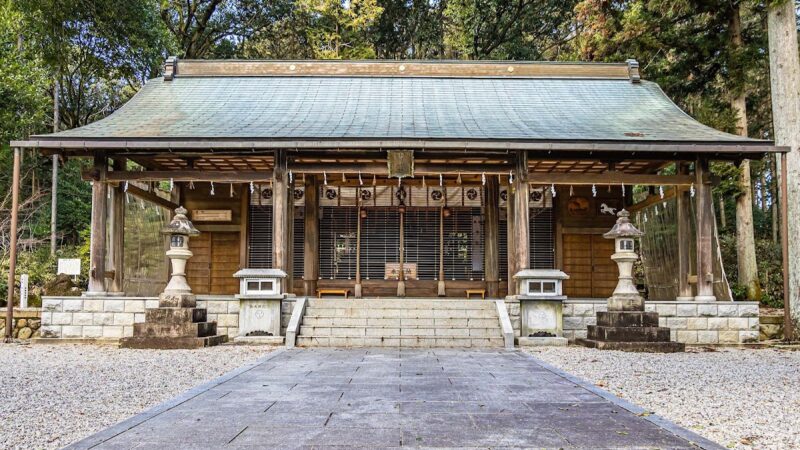
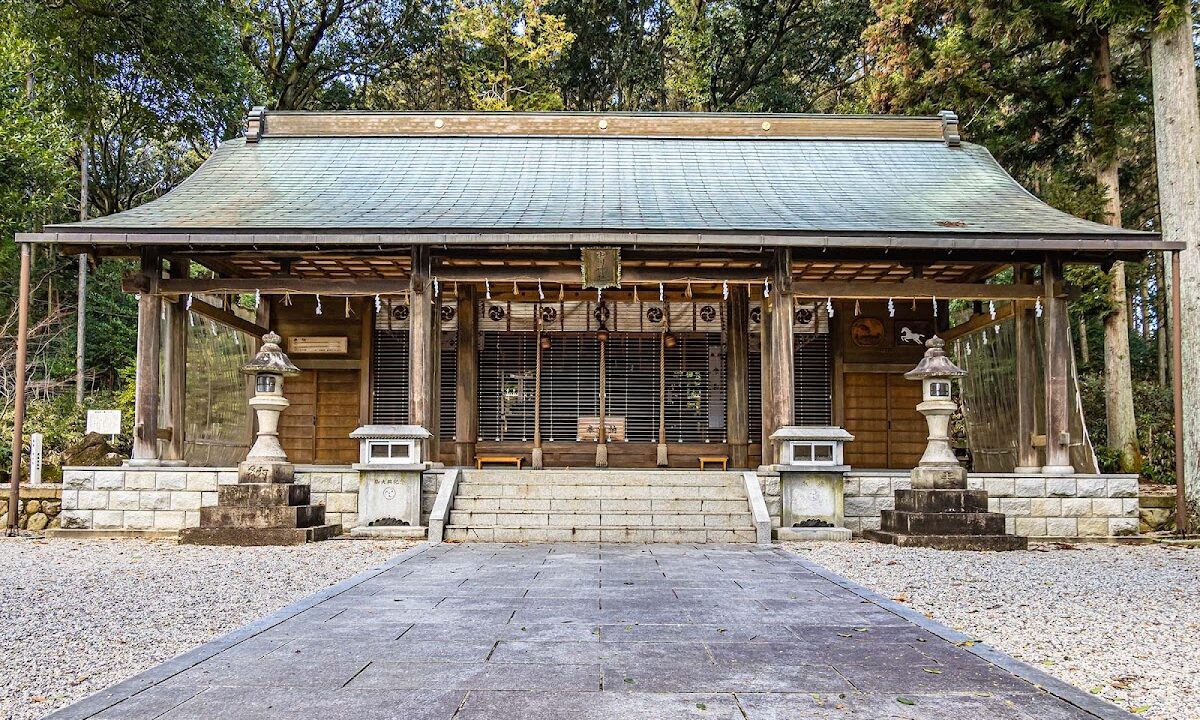
Upon reaching the top of the stone steps, the shrine grounds, surrounded by broadleaf trees, unfold before you. Several stone lanterns stand atop the stone wall, giving a sense of historical significance.
The following buildings are located within the shrine grounds:
- Haiden: A magnificent worship hall welcoming visitors.
- Honden: A sacred space where the enshrined deity is worshipped.
- Kagura-den: Kagura (sacred dance) is performed here during festivals.
- Shamusho: A place where you can receive Goshuin (shrine stamps) and other items.
Subsidiary Shrine: Akiba Shrine
Within the shrine grounds is the Akiba Shrine, a subsidiary shrine. Akiba Shrine is known as the god of fire prevention, offering divine protection from fires. When visiting Nakagawa Shrine, it is recommended to also pay your respects here.
Access
Access by Train
Approximately 10 minutes on foot from Nakatsugawa Station on the JR Chuo Main Line
Heading north from Nakatsugawa Station and following the Chuo Main Line tracks, you will see the entrance to the shrine near the tunnel entrance on the northbound line. The shrine is approximately 800 meters from the station, making it easily accessible on foot.
Access by Car
Approximately 10 minutes from the Nakatsugawa Interchange on the Chuo Expressway
From the Nakatsugawa Interchange, take National Route 19 towards the city center. It is recommended to check parking availability in advance.
Map and Surrounding Information
Nakagawa Shrine is located in the Nakatsugawa city center, so there are many restaurants and tourist attractions nearby. Nakatsugawa is also famous for its chestnut paste confection, so you can enjoy local specialties along with your visit to the shrine.
Goshuin (Shrine Stamp) Information
You can receive a Goshuin at Nakagawa Shrine. However, the shrine office is not always open, so it is recommended to check in advance if you wish to receive a Goshuin.
According to some information, the Ena Shrine office may handle Nakagawa Shrine leaflets and Goshuin. If you want to be sure to receive a Goshuin, it is best to inquire in advance.
Festivals and Annual Events
Nakagawa Shrine holds various festivals throughout the year. Local people gather to preserve traditions. During major festival periods, Kagura (sacred dance and music) are sometimes performed in the Kagura Hall.
Manners and Points for Visiting the Shrine
Etiquette for Visiting the Shrine
- Bow before passing through the torii gate.
- Purify your body and mind at the water basin.
- Avoid walking in the center of the path.
- Bow twice, clap twice, and bow once in front of the main hall.
- Visit the subsidiary shrines as well.
Recommended Time to Visit
Visiting early in the morning or during the morning hours is recommended. You can feel a more sacred atmosphere in the quiet grounds. The path through the cedar grove is especially beautiful when the morning light shines through.
Clothing and Items to Bring
Since you will be climbing stone steps, comfortable walking shoes are recommended. Particular care is needed when walking, especially during rainy weather or winter.
Other Shrines and Temples in Nakatsugawa City
When visiting Nakagawa Shrine, why not also visit other shrines and temples in Nakatsugawa City?
Ena Shrine
Like Nakagawa Shrine, Ena Shrine is a Shikinaisha (a shrine listed in the Engishiki, an ancient Japanese legal text) and is one of Nakatsugawa City’s representative shrines. It is known as a center of mountain worship, with Mount Ena as its sacred object.
Tsushima Shrine
Tsushima Shrine, worshipped as a deity that wards off epidemics, is also located in Nakatsugawa City. It is a beloved shrine that protects the health of the local people.
Things to Enjoy in Combination with Nakatsugawa Sightseeing
Chestnut Kinton Tour
Nakatsugawa is known as the birthplace of chestnut kinton. After visiting the shrine, we recommend trying chestnut kinton at a long-established Japanese confectionery shop. Especially during the autumn and winter seasons, each shop sells uniquely crafted chestnut kinton.
Magome-juku, Nakasendo Post Town
Located in the former Yamaguchi Village (now incorporated into Nakatsugawa City), next to Nakatsugawa City, Magome-juku is a post town that retains the atmosphere of the Edo period. Souvenir shops and restaurants line the cobblestone slopes, creating an atmosphere that feels like stepping back in time.
Tsukechi Gorge
Tsukechi Gorge, known affectionately as “Aogawa” (Blue River), is a beautiful valley with a clear, emerald-green stream. It is especially popular with tourists seeking respite from the heat in the summer.
Summary of Nakagawa Shrine’s Charms
Nakagawa Shrine possesses the following attractions:
- A Shikinaisha (a shrine listed in the Engishiki, an ancient Japanese legal text) with a history of over 1000 years
- Diverse divine blessings from three goddesses
- Convenient access, within walking distance of Nakatsugawa Station
- A tranquil shrine grounds surrounded by cedar trees
- An interesting history: the origin of the place name Nakatsugawa
- Blessings particularly appealing to women, such as matchmaking, safe childbirth, and protection from fire
Despite being located in the heart of Nakatsugawa city, the quiet shrine grounds, surrounded by cedar trees, offer a sacred space that allows you to forget the hustle and bustle of everyday life. Because three goddesses are enshrined there, female worshippers can expect particularly strong blessings.
Precautions for Visiting the Shrine
- The shrine office is not always open, so please check in advance if you wish to receive a Goshuin (shrine stamp).
- There are stone steps, so comfortable shoes are recommended.
- The shrine grounds are a sacred place, so please visit in silence.
- Photography is only permitted in designated areas.
- Please take all your trash with you.
Summary
Nakagawa Shrine, located in Nakatsugawa City, Gifu Prefecture, is a historically significant shrine listed in the Engishiki Jinmyocho (a list of shrines compiled in the Heian period), and has been revered by local people for over 1000 years. It enshrines three goddesses—Kukurihime-no-Okami, Konohanasakuya-hime-no-Okami, and Izanami-no-Okami—and is known for its diverse divine blessings, including matchmaking, safe childbirth, and protection from fire.
Despite its convenient location, approximately a 10-minute walk from Nakatsugawa Station, the tranquil grounds surrounded by cedar trees offer a healing space that allows you to forget the hustle and bustle of the city. Its unusual location above the Chuo Main Line tunnel is also one of the shrine’s unique features.
When you visit Nakatsugawa, be sure to visit Nakagawa Shrine in addition to enjoying local delicacies such as kurikinton (sweet chestnut paste) and sightseeing spots like Magome-juku. At this shrine steeped in history and tradition, you can cleanse your soul and gain renewed energy.
We hope that the gentle divine blessings of the three goddesses will bring good fortune and happiness into your life.