Complete Guide to Kano Hachiman Shrine (Gifu Prefecture) | History, Deities, Access, and Highlights Explained in Detail
Kano Hachiman Shrine is a historic shrine located in Kano Hachiman-cho, Gifu City, Gifu Prefecture. Following the Battle of Sekigahara, and with the construction of Kano Castle by Tokugawa Ieyasu, the shrine was relocated to its current location as a protective measure against evil influences from the castle’s northeast direction. It has long been revered as the guardian deity of the region. This article provides detailed information useful for visitors, including the history of Kano Hachiman Shrine, its enshrined deities, highlights within the grounds, information on Goshuin (shrine stamps), and access methods.
Basic Information on Kano Hachiman Shrine
Kano Hachiman Shrine is a Hachiman shrine located in the Kano district in southern Gifu City. Situated in a corner of the former Kano castle town, it remains a beloved local guardian deity.
Location: 9 Kano Hachiman-cho, Gifu City, Gifu Prefecture 500-8431
Main Deity: Emperor Ojin
Shrine Rank: Ginpei-sha (Silver Coin Shrine)
Founding Date: Unknown (Relocated to current location in Keicho 6, 1601)
Emperor Ojin, the deity enshrined at Kano Hachiman Shrine, is a god worshipped as Hachiman-sama at Hachiman shrines throughout Japan. He is known as the god of military fortune and victory, and is also worshipped as the guardian deity of safe childbirth and child-rearing.
History and Origins of Kano Hachiman Shrine
Origin of Founding
The founding date of Kano Hachiman Shrine is unknown, but one theory suggests it was established around the time Kutsui Castle was built, as a shrine to ward off evil spirits due to its location in the northeast (demon’s gate) direction of the castle. Kutsui Castle was a fortress before it was later developed into Kano Castle, and it was an important military base in this region.
Our shrine enshrines Emperor Ojin, and has been revered as the guardian deity of samurai families since ancient times.
Relocation after the Battle of Sekigahara
The most important turning point in the history of Kano Hachiman Shrine occurred after the Battle of Sekigahara in 1600 (Keicho 5).
After his victory at the Battle of Sekigahara, Tokugawa Ieyasu decided to abolish Gifu Castle (formerly Inabayama Castle) and construct Kano Castle. This was because Gifu Castle was a mountain castle and had limitations in its function as a modern castle.
In 1601 (Keicho 6), when Okudaira Nobumasa began construction of Kano Castle, the location of Hachiman Shrine fell within the castle grounds. Therefore, it was decided to relocate the shrine to the northeast of Kano Castle.
This relocation had significant meaning. The northeast direction was considered the “demon’s gate,” believed to be the direction from which misfortune entered. Therefore, Kano Hachiman Shrine was relocated to its current location and enshrined as a guardian deity and protector of the castle’s northeast direction. This is the origin of the present-day Kano Hachiman Shrine.
Development of Kano Castle and its Castle Town
Kano Castle was built by order of Tokugawa Ieyasu and later functioned as the administrative center of the Kano Domain. The town of Kano, which developed as a castle town, flourished as Kano-juku on the Nakasendo road, becoming a vital transportation hub with many people passing through.
Kano Hachiman Shrine, as the guardian deity of this castle town and the tutelary deity of the local residents, attracted fervent devotion throughout the Edo period. Although Kano Castle was abandoned after the Meiji Restoration, Kano Hachiman Shrine continues to exist today as a spiritual pillar of the community.
About the Deity
Emperor Ōjin
The principal deity of Kanō Hachiman Shrine is Emperor Ōjin. Emperor Ōjin is considered the 15th Emperor of Japan and is historically significant as one of the oldest emperors with a high probability of having actually existed.
Emperor Ōjin is deified as Hachiman-shin and is enshrined at Hachiman shrines throughout Japan. Hachiman-shin is believed to possess the following divine virtues:
- Long-lasting military fortune: As the god of martial arts, he protects victory in competitions and contests.
- National protection: He plays a role as a god who protects the country and region.
- Promotion of industry: He protects the development of industry and the economy.
- Safe childbirth and child-rearing: Due to his relationship with Empress Jingū, the mother goddess, he is also worshipped as a guardian deity of safe childbirth and child-rearing.
At Kanō Hachiman Shrine, Emperor Ōjin is enshrined, protecting the peace and prosperity of the region and fulfilling the wishes of worshippers.
Highlights of the Shrine Grounds
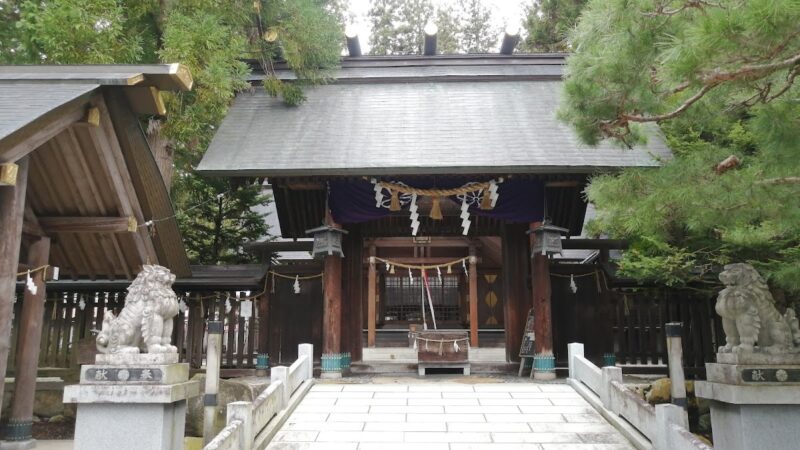
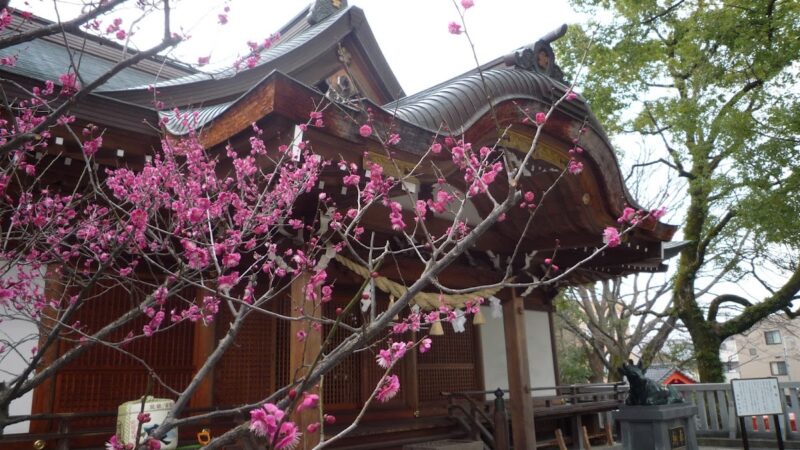
Main Hall and Worship Hall
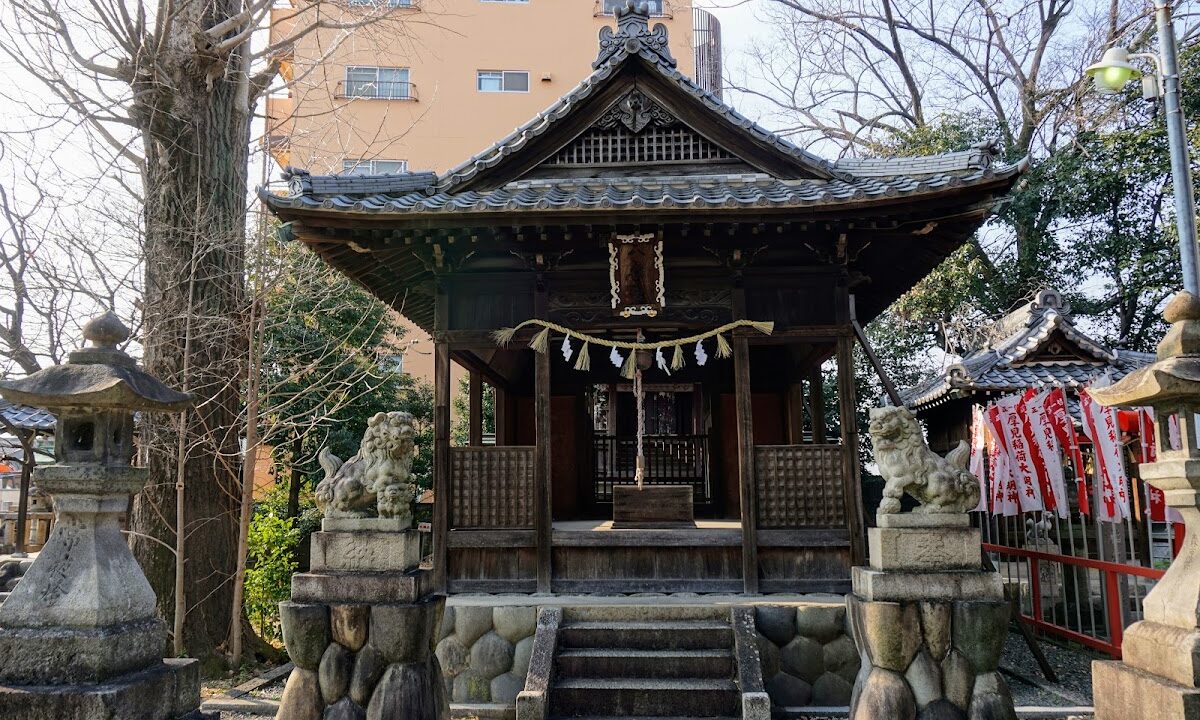
The main hall of Kano Hachiman Shrine is built in the traditional style of shrine architecture. Since its relocation during the Keicho era, it has maintained its dignity despite several repairs. The worship hall welcomes daily worshippers, exuding a quiet and solemn atmosphere.
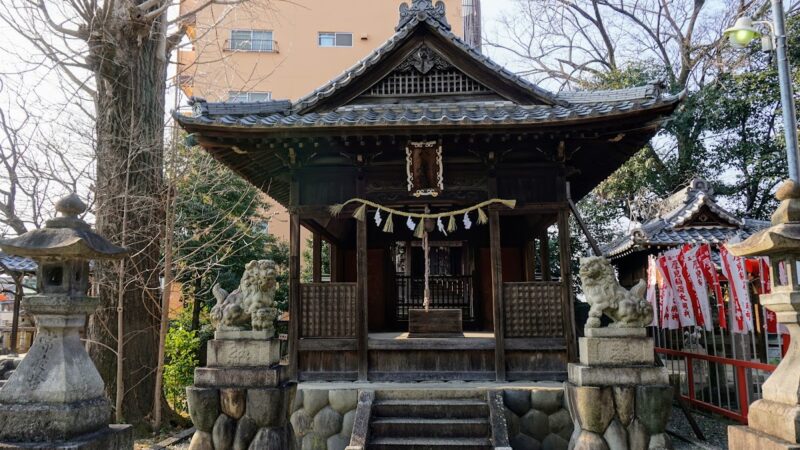
Subsidiary Shrines
Within the grounds of Kano Hachiman Shrine, there are several subsidiary shrines (abstract shrines) in addition to the main shrine. Each of these subsidiary shrines enshrines a different deity, bestowing various blessings.
The existence of these subsidiary shrines demonstrates the depth of the shrine’s history and the breadth of local faith. When visiting, paying respects not only to the main hall but also to the subsidiary shrines will allow you to receive even greater divine blessings.
Shrine Grove and Natural Environment
Despite its urban location, Kano Hachiman Shrine retains abundant greenery within its grounds. The trees surrounding the shrine are called the shrine grove (shaso) and have been cherished as a sacred forest protecting the divine area. The shrine grounds, where visitors can experience the changing seasons, offer peace and tranquility.
Goshuin Information
Goshuin (shrine stamps) are available at Kano Hachiman Shrine. Goshuin are proof of your visit and a tangible record of your connection with the deities.
When receiving a goshuin, please note the following:
- Always complete your prayers before receiving the goshuin.
- Bring your goshuin notebook.
- Visit during the shrine office’s opening hours.
- Remember to use polite language and express your gratitude.
It is recommended to check with the shrine in advance regarding goshuin issuance hours and fees.
Annual Events and Festivals
Kano Hachiman Shrine holds various festivals and events throughout the year.
Annual Grand Festival
The annual grand festival, the most important festival at the shrine, is a time to express gratitude to the enshrined deities and pray for peace and prosperity in the region. Parishioners and local residents gather, and traditional Shinto rituals are solemnly performed.
New Year’s Visit
Many worshippers visit the shrine for their first shrine visit of the year. Praying for safety and happiness throughout the year is a beloved traditional Japanese custom.
Other Festivals
We also accept prayers for various life milestones and wishes, such as Shichi-Go-San (a traditional rite of passage for children), exorcism, and safety prayers.
Access and Transportation
Here’s how to access Kano Hachiman Shrine.
Access by Train
From JR Gifu Station:
- Approximately 15-20 minutes on foot from the South Exit of JR Tokaido Main Line “Gifu Station”
- Approximately 5-7 minutes by taxi
From Meitetsu Gifu Station:
- Approximately 15-20 minutes on foot from Meitetsu Nagoya Main Line “Meitetsu Gifu Station”
JR Gifu Station and Meitetsu Gifu Station are adjacent and are the central stations of Gifu City. Kano Hachiman Shrine is located in the Kano area, south of the station.
Access by Bus
If using Gifu Bus, take a bus bound for Kano from JR Gifu Station or Meitetsu Gifu Station and get off at the nearest bus stop. The shrine is a few minutes’ walk from the bus stop.
For detailed routes and bus stops, please check the Gifu Bus official website or the station information desk.
Access by Car
From Meishin Expressway:
- Approximately 20 minutes from “Gifu-Hashima IC”
- Approximately 30 minutes from “Ichinomiya IC”
From Tokai-Hokuriku Expressway:
- Approximately 20 minutes from “Gifu-Kakamigahara IC”
For parking, please contact the shrine directly or use nearby coin-operated parking lots.
Address and Navigation
If using a car navigation system or smartphone map app, please enter the following address:
9 Kano Hachiman-cho, Gifu City, Gifu Prefecture 500-8431
Nearby Tourist Attractions
When visiting Kano Hachiman Shrine, we recommend also visiting the nearby historical sites.
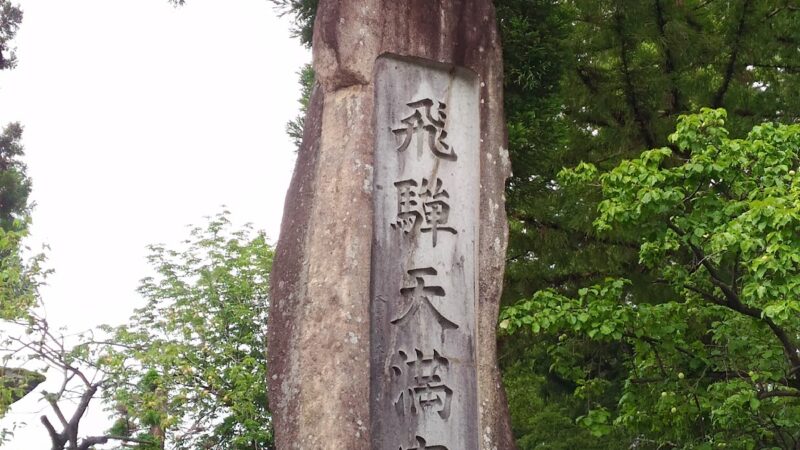
Kano Tenmangu Shrine
Kano Tenmangu Shrine, located within walking distance of Kano Hachiman Shrine, is a shrine dedicated to Sugawara no Michizane, the god of learning. Its origins date back to 1445, when Saito Toshinaga invited the Tenmangu deity to serve as the guardian deity of Kutsui Castle (the former Kano Castle).
After the Battle of Sekigahara, Tokugawa Ieyasu relocated the shrine to its current location as a guardian deity when constructing the new Kano Castle. Like Kano Hachiman Shrine, it has a deep connection to Kano Castle.
Kano Castle Ruins
Designated as a national historic site, the Kano Castle Ruins are the remains of a castle built by order of Tokugawa Ieyasu. Currently, parts of the stone walls and moats remain, allowing us to imagine the scale of the former castle.
Kano Castle functioned as the administrative center of the Kano Domain throughout the Edo period, and was the political, economic, and cultural center of the region.
Nakasendo Kano-juku
Kano-juku flourished as a post town on the Nakasendo, one of the five major highways of the Edo period. The townscape and historical sites that retain the atmosphere of that time are scattered throughout, making it a great place to enjoy a historical walk.
Manners and Etiquette for Visiting Shrines
When visiting a shrine, it is important to observe basic manners and etiquette.
How to Pass Through a Torii Gate
A torii gate is the entrance to the sacred area. Before passing through the torii gate, bow to show respect to the gods. Since the center of the approach to the shrine is considered the path of the gods, it is polite to walk along the side.
How to Purify Yourself at the Water Basin
- Take the ladle with your right hand and purify your left hand.
- Switch the ladle to your left hand and purify your right hand.
- Switch the ladle back to your right hand, receive water in your left hand, and rinse your mouth.
- Purify your left hand once more.
- Hold the ladle upright, purify the handle, and return it to its original position.
How to Worship at the Main Hall
The basic worship etiquette is “two bows, two claps, one bow”:
- Place your offering in the offering box and ring the bell if there is one.
- Bow deeply twice (two bows).
- Clap your hands twice at chest height (two claps).
- Pray with your hands clasped together.
- Finally, bow deeply once (one bow).
The Charm and Benefits of Kano Hachiman Shrine
Kano Hachiman Shrine was relocated to its current location during the historical turning point of Tokugawa Ieyasu’s construction of Kano Castle, and has watched over the region for over 400 years since then. ### Main Benefits
- Protection from Evil and Directional Misfortune: Due to its history of being relocated to ward off evil spirits, it offers protection from evil and negative directions.
- Long-lasting Military Fortune and Success in Competitions: Success in competitions and contests through the divine virtues of Emperor Ojin (Hachiman-sama).
- Family Safety and Community Protection: Peace for the community and family as a guardian deity.
- Safe Childbirth and Child-rearing: Benefits of fertility and safe childbirth bestowed through its connection with Empress Jingu, the mother goddess of Hachiman-sama.
A Faith Rooted in the Community
Kano Hachiman Shrine is not merely a historical building, but a “living place of faith” deeply rooted in the lives of local residents. With daily worshippers, lively festivals, and prayers at important life events, the shrine plays a central role in the local community.
Summary
Kano Hachiman Shrine, located at 9 Kano Hachiman-cho, Gifu City, Gifu Prefecture, is a historic shrine dedicated to Emperor Ojin. It has a history dating back to 1601, when Tokugawa Ieyasu built Kano Castle. The shrine was relocated to its current location as a protective measure against evil influences from the castle’s northeast direction, and for over 400 years it has been revered as the guardian deity of the region.
Its convenient location, within walking distance of JR Gifu Station, is also a major draw. The surrounding area also boasts numerous historical sites, including Kano Tenmangu Shrine and the ruins of Kano Castle. When visiting Gifu, be sure to pay your respects at Kano Hachiman Shrine and experience its history and tranquil atmosphere.
Kano Hachiman Shrine bestows various blessings, including military success, protection from evil, and family safety. As a warm and welcoming place of worship deeply rooted in the community, it will undoubtedly continue to be cherished by many people.