Higashimuki Hachimangu Shrine (Nishimyo-ya, Misato-cho, Takasaki City, Gunma Prefecture) Complete Guide | History, Goshuin (Shrine Seal), and Access Information
Higashimuki Hachimangu Shrine, located in Nishimyo-ya, Misato-cho, Takasaki City, Gunma Prefecture, is a historical shrine with deep ties to Minowa Castle, a famous castle from the Sengoku period. As its name suggests, it has an unusual layout with its shrine buildings facing east, and as a center of Hachiman worship that attracts many worshippers, it is a popular destination. This article provides a detailed introduction to Higashimuki Hachimangu Shrine, including its history, highlights within the grounds, goshuin information, and access methods.
What is Higashimuki Hachimangu Shrine? | A Historic Hachiman Shrine in Nishimyo-ya, Misato-cho
Higashimuki Hachimangu Shrine is a shrine located at 353 Nishimyo-ya, Misato-cho, Takasaki City, Gunma Prefecture, and is a Hachiman shrine with Emperor Ojin as its main deity. Minosato Town has long flourished as a castle town of Minowa Castle, and Higashimukai Hachimangu Shrine has been closely intertwined with the history of this region.
Relationship between Hachiman Faith and Iwashimizu Hachimangu Shrine
Hachiman faith is a war god worship that spread throughout Japan, and Higashimukai Hachimangu Shrine, as one of the Hachiman shrines with Iwashimizu Hachimangu Shrine as its head shrine, has attracted the reverence of samurai families. Especially during the Sengoku period (Warring States period), it is believed to have played an important role as a guardian deity of the region, receiving the faith of warlords such as the Nagano clan, who were based at Minowa Castle.
The Meaning of the Unusual “East-Facing” Shrine Arrangement
The most distinctive feature of Higashimukai Hachimangu Shrine, as its name suggests, is that the shrine faces east. While most shrines are built facing south, an east-facing arrangement is relatively rare, and it is speculated that there are geographical reasons and religious significance behind this.
East is the direction from which the sun rises, symbolizing the beginning and rebirth of life. Furthermore, the relative location to Minowa Castle and the layout of the settlement at the time may also have influenced its design. The entire shrine grounds are designed to face east, with the approach, worship hall, and main shrine consistently facing east.
The History of Higashimukai Hachimangu Shrine and its Deep Connection to Minowa Castle
Minowa Castle and the Nagano Clan Era
Minowa Castle was one of Gunma Prefecture’s largest castles, lasting from the mid-Sengoku period to the early Edo period. The Nagano clan, important retainers of the Kanto Kanrei Uesugi clan, are known as its lords. Nagano Narimasa, in particular, was a renowned general known as “The Yellow Spot of Joshu,” famous for repelling numerous invasions by Takeda Shingen.
Higashimukai Hachimangu Shrine is located in the Nishimyo-ya district, the castle town of Minowa Castle, and is thought to have functioned as a shrine that attracted the faith of the castle lord and his retainers. For samurai, Hachiman was the god of military fortune, and the shrine played an important role as a place for prayers before battle and for victory.
Higashimukai Hachimangu Shrine from the Edo Period Onward
Even after Minowa Castle was abandoned, Higashimukai Hachimangu Shrine continued to attract worshippers as the guardian shrine of the region. During the Edo period, the shrine buildings were constructed and repaired, establishing the basic form of the grounds we see today. Local residents have continuously held festivals, and the shrine has functioned as the spiritual center of Nishimyo-ya, Minosato-cho.
Changes Since the Meiji Era
Higashimukai Hachimangu Shrine was affected by the Meiji-era separation of Shinto and Buddhism and the introduction of the shrine ranking system, but it was preserved by the faith of the local people. Even today, it is carefully maintained by local parishioners, and various festivals are held throughout the year.
Highlights and Architectural Features of the Shrine Grounds
Architectural Style of the Worship Hall and Main Hall
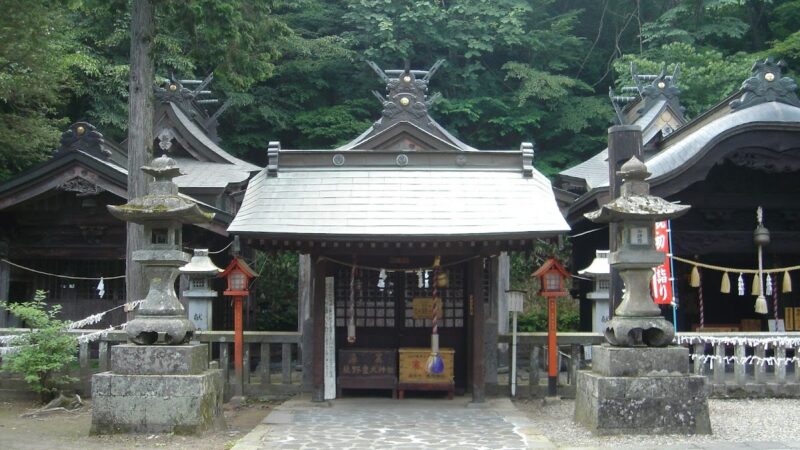
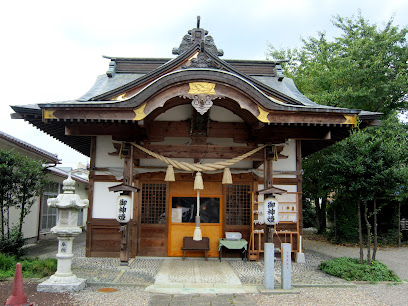
The worship hall of Higashimukai Hachimangu Shrine is simple yet dignified. The main hall is protected by a protective structure and is known for its intricate carvings. As a valuable cultural asset that conveys Edo-period architectural techniques, it is attracting attention from the perspectives of architectural history and decorative arts.
The Charm of Temple and Shrine Sculpture
Higashimukai Hachimangu Shrine is one of the important shrines for studying the decorative temples and shrines of northern Kanto. The main hall features carvings depicting flowers, birds, animals, and scenes from mythology, showcasing the high level of skill of Edo period sculptors. The ease of viewing the carvings is also highly praised, making it a must-see spot for anyone interested in decorative art.
Atmosphere and Worship Environment
The shrine grounds are not large, but they are enveloped in a tranquil atmosphere, providing a peaceful environment for worship. There is also parking space for visitors, making it easily accessible by car. Although surrounded by residential areas, stepping onto the shrine grounds feels like entering a different world, offering a sense of serenity.
Goshuin (Shrine Seal) Information | Issuance at Higashimukai Hachimangu Shrine
Information on Issuance of Goshuin
Goshuin (shrine seals) can be obtained at Higashimukai Hachimangu Shrine. Those wishing to receive a goshuin must speak to the shrine office or the priest’s residence after their visit. However, since the shrine office is not always open, it is recommended to contact them in advance if you definitely want to receive a goshuin (shrine stamp).
You can inquire about contact information through the Takasaki City Misato Chamber of Commerce and Industry (TEL: 027-371-2150).
Goshuin Design and Features
The goshuin of Higashimukai Hachimangu Shrine is characterized by its simple yet powerful calligraphy. The words “Higashimukai Hachimangu” and the shrine’s seal are stamped on it, and it is cherished as a memento of the visit. Many visitors bring their goshuin notebooks, and it is a popular part of shrine pilgrimages in northern Kanto.
Access Information | How to Get to Higashimukai Hachimangu Shrine
Location and Basic Information
Location: 353 Nishimyo-ya, Misato-cho, Takasaki City, Gunma Prefecture
Postal Code: 370-3105
Inquiries: 027-371-2150 (Takasaki City Misato Chamber of Commerce)
Access by Car
Access to Higashimukai Hachimangu Shrine is most convenient by car. It is located approximately 100 meters south of the traffic light intersection where the Gunma Bank Minowa Branch is located on Prefectural Road 6 (Maebashi-Misato Line), on the right side. Parking is available on the shrine grounds.
Access from Major Roads:
- Approximately 20 minutes from the Kan-Etsu Expressway “Maebashi IC”
- Approximately 30 minutes from the center of Takasaki City
- Approximately 25 minutes from the center of Maebashi City
Access by Public Transportation
If using public transportation, you can take a bus from JR Takasaki Station. However, you will need to walk from the bus stop to the shrine, so plan accordingly.
If Using the Bus:
- Take the Gunma Bus “bound for Misato” from JR Takasaki Station
- Get off at the “Minowa Branch Office” or “Nishimyo-ya” bus stop
- Approximately 5-10 minutes on foot
Combining with Nearby Tourist Spots
When visiting Higashimukai Hachimangu Shrine, it is recommended to combine your visit with other nearby historical sites.
Minowa Castle Ruins: The Minowa Castle Ruins, a nationally designated historical site, are approximately 5 minutes by car from Higashimukai Hachimangu Shrine. The castle ruins from the Sengoku period are well-preserved, making it a must-see spot for history buffs.
Myofuku-ji Temple: A Nichiren Buddhist temple located in Nishimyo-ya, Misato-cho, known for its Kishimojin (Hariti) and weeping cherry trees. It is a historical temple said to have been moved to its current location by the Nagano clan to protect Minowa Castle.
Mizusawa Kannon: Mizusawa Kannon, a representative tourist spot in Takasaki City, is also relatively close and can be included in your pilgrimage route.
History and Culture of Nishimyo-ya, Misato-cho
Origins of the Nishimyo-ya District
Nishimyo-ya, Misato-cho, is an area that developed as a castle town of Minowa Castle. There are various theories about the origin of the place name “Nishimyo-ya,” but it is thought to be related to the fact that it was designated as a residential area on the west side when the castle town was developed.
Local Cultural Properties and Historic Sites
Besides Higashimukai Hachimangu Shrine, the Nishimyo-ya district is dotted with several cultural properties and historical sites. A garden from the early Edo period remains in a corner of the Minosato branch office, making it a valuable and unique example in Gunma Prefecture. The remains of the residence of the Shimoda family, who were important retainers of the Nagano family, lords of Minowa Castle, also remain.
Modern-Day Nishimyo-ya, Minosato Town
The current Nishimyo-ya district retains its historical atmosphere while developing as a commuter town for Takasaki City. With a wealth of commercial and public facilities, including the Gunma Bank Minowa Branch, it offers a comfortable living environment. Traditional events are continuously held by local residents, creating a region where history and modernity harmonize.
Annual Events and Festivals of Higashimukai Hachimangu Shrine
Main Annual Events
Higashimukai Hachimangu Shrine holds various festivals throughout the year. Particularly important events include the New Year’s Day visit, the spring grand festival, and the autumn harvest festival. These festivals are maintained through the cooperation of local residents and also serve to strengthen the community bonds of Nishimyo-ya, Minosato-cho.
Scenes from the Grand Festival
During the Grand Festival, a procession of portable shrines and devotional performances take place, enveloping the entire area in a festive atmosphere. Preparations and operations are carried out by parishioners, making it a place for intergenerational exchange. Although participation has been declining in recent years, the community continues its efforts to preserve the tradition.
Manners and Precautions for Visiting the Shrine
Basic Worship Etiquette
When visiting Higashimukai Hachimangu Shrine, follow general shrine worship etiquette. Bow when passing through the torii gate and avoid walking in the center of the path. Cleanse your hands and mouth at the water basin before proceeding to the main hall and worship using the two bows, two claps, and one bow ritual.
Photography
Photography is generally permitted within the shrine grounds, but photography inside the main hall and in sacred areas should be avoided. Furthermore, consideration should be given to avoiding inconveniencing other visitors. When photographing temple carvings, it is important to do so with respect.
Parking Precautions
While there is parking space within the temple grounds, space is limited. On days when congestion is expected, such as during festivals, please consider using public parking lots or public transportation. Also, please avoid street parking to avoid inconveniencing local residents.
Local Cuisine and Rest Spots Around Higashimukai Hachimangu Shrine
Local Specialties of Misato Town
Misato Town is also known as the “Village of Plums,” and local products using plums are popular. Pickled plums, plum juice, and plum jam can be purchased at local direct sales stores. There are also restaurants that serve dishes using fresh, locally grown vegetables.
Recommended Rest Spots
For a rest after visiting the shrine, cafes and restaurants around the Misato Branch Office are recommended. There are establishments where you can enjoy set meals using local ingredients and seasonal Japanese sweets. Additionally, a leisurely stroll through the castle ruins park, combined with a visit to the Minowa Castle ruins, is highly recommended.
Recommended Seasons for Visiting Higashimukai Hachimangu Shrine
Spring Visit
Spring is a beautiful time of year, with fresh greenery and budding trees in the shrine grounds. It’s also the time when the weeping cherry blossoms at the nearby Myofuku-ji Temple are in full bloom, making a combined visit highly recommended. The spring festival is held during this period, allowing visitors to experience the vibrant energy of the community.
Autumn Visit
Autumn is a beautiful season of autumn foliage, with the trees in the shrine grounds displaying vibrant colors. The harvest festival is also held during this time, allowing visitors to experience the atmosphere of celebrating the region’s bounty. The weather is mild, making it an ideal season for a stroll.
New Year’s Visit Season
From New Year’s Day to the third day of the year, the shrine is bustling with visitors for their first shrine visit of the year. Many locals visit, exchanging New Year’s greetings. The crowds are relatively small, allowing for a more relaxed visit.
Autumn is a beautiful season, with colorful autumn leaves in full bloom. It’s also a time for locals to exchange New Year’s greetings. ## To Deepen Your Understanding of Higashimukai Hachimangu Shrine
Historical Research and Literature
For those who wish to learn more about the history of Higashimukai Hachimangu Shrine and Minowa Castle, related materials can be viewed at Takasaki City Library and Gunma Prefectural Archives. Local history research groups are also active and regularly publish their research findings.
A Route for Visiting Decorated Temples and Shrines
Northern Kanto boasts numerous temples and shrines with intricate carvings, similar to Higashimukai Hachimangu Shrine. Those interested in decorated temples and shrines are encouraged to plan a route that combines them with other shrines and temples in Gunma Prefecture. Comparing the unique carving styles and designs of each temple and shrine will lead to a deeper understanding.
Connection with the Community
Higashimukai Hachimangu Shrine functions as a center of the local community. Participating in festivals and cleaning activities allows for deeper interaction with local people. It’s important to respect the local history and culture, not just visit as a tourist.
Summary | Higashimukai Hachimangu Shrine: A Valuable Shrine that Tells the History of Misato Town
Located in Nishimyo-ya, Misato-cho, Takasaki City, Gunma Prefecture, Higashimukai Hachimangu Shrine is a venerable shrine deeply intertwined with the history of Minowa Castle. Its unusual eastward-facing orientation, exquisite temple and shrine carvings, and the history of faith preserved by the local people offer visitors many discoveries and inspiring experiences.
Visiting it in conjunction with nearby historical sites such as the Minowa Castle ruins and Myofuku-ji Temple will allow you to gain a deeper understanding of the region’s history, which dates back to the Sengoku period. Whether you collect Goshuin (shrine stamps), are interested in temple and shrine carvings, or simply enjoy historical exploration, this shrine is well worth a visit.
Why not take some time to reflect on history in its tranquil grounds and offer a peaceful prayer? Higashimukai Hachimangu Shrine is a precious cultural heritage that quietly speaks to us, living in the modern age, about the importance of the faith of our ancestors and the bonds of community.