Nihohime Shrine (Hiroshima City, Hiroshima Prefecture) Complete Guide | History, Goshuin (Shrine Seal), and Access Information for this Ancient Shrine Associated with Empress Jingu
Located in Nishihonura-cho, Minami-ku, Hiroshima City, Hiroshima Prefecture, Nihohime Shrine is a historic shrine said to have been founded in 392 (the 80th year of Emperor Nintoku’s reign). Affectionately known locally as “Hiroshima’s Ise Shrine,” this shrine, with its miraculous legends related to Empress Jingu’s conquest of the Three Kingdoms of Korea, boasts one of the longest histories in Hiroshima City. This article comprehensively introduces all the information you need to know before visiting Nihohime Shrine, including its history, enshrined deities, highlights, goshuin information, and detailed access methods.
History and Origins of Nihohime Shrine
Legend of Empress Jingu and Nihojima Island
The founding of Nihohime Shrine originates from a legend related to Empress Jingu’s conquest of the Three Kingdoms of Korea. According to shrine tradition, Empress Jingu stopped in this area and stayed overnight on her return from the conquest. It is said that at this time, the Empress enshrined the miraculously efficacious Nihotsuhime-no-kami in this place as a substitute for herself.
This area was once an independent island called “Nihojima.” While the area around present-day Nishihonura-cho, Minami-ku, Hiroshima City, became connected to the mainland through land reclamation projects after the Edo period, in ancient times it was an island floating in the Seto Inland Sea, occupying an important position as a key point for maritime traffic. The enshrinement of a deity in this place, where Empress Jingu prayed for safe voyages and victory in battle, is the origin of Nihohime Shrine.
From Shōhachiman-gū to Nihohime-jinja Shrine
Nihohime-jinja Shrine was formerly known as Shōhachiman-gū. This indicates the strong local faith in Hachiman-sama (Emperor Ōjin), who is enshrined there. It is listed as the fourth-ranked shrine in Annan-gun in the ‘Aki Province Shrine Register,’ indicating that it was already established as the local guardian shrine during the Heian period.
Due to the Meiji-era reforms to the shrine system, its former rank was changed to village shrine. During this period, the shrine’s name was changed from Shōhachiman-gū to Nihohime-jinja Shrine, bringing the principal deity, Nihotsuhime-no-kami, to the forefront. Since the Meiji era, it has continued to attract worshippers as the local tutelary shrine and as an important shrine within Hiroshima City.
Positioning as an Ancient Shrine in Aki Province
Nihohime-jinja Shrine is one of the oldest shrines in Hiroshima Prefecture. Ancient shrines said to have been founded before the Heian period are limited in number even within Hiroshima City, and this shrine is particularly noteworthy for its direct connection to Empress Jingu, a crucial figure in Japanese mythology and history.
Its inclusion in the “Aki Province Shrine Register” proves that this shrine was an important place of worship in Aki Province from ancient times. Located on Nihojima Island, a strategic point for maritime traffic, it is believed to have been deeply revered by people involved in maritime safety and trade.
Deities and Divine Virtues
Main Deity: Nihotsuhime-no-kami
The main deity of Nihohime Shrine is Nihotsuhime-no-kami. This deity was worshipped by Empress Jingu as a substitute for herself, and is deeply connected to the Empress’s divine power. Nihotsuhime-no-kami is worshipped as a guardian deity of women, and as a goddess of protection against misfortune and good fortune.
The divine name “Nihotsuhime” is related to the place name of Nihojima Island and strongly reflects her role as the guardian deity of this region. Because she is enshrined as a manifestation of Empress Jingu, she is believed to possess the diverse divine virtues of the Empress, including bravery, wisdom, and maternal qualities.
Enshrined Deities: The Three Hachiman Gods
In addition to Nihotsuhime-no-kami, the following three deities are enshrined at Nihohime Shrine:
- Tarashinakatsuhiko-no-kami: Emperor Chuai. The husband of Empress Jingu and the 14th Emperor.
- Okinagatarashihime-no-kami: Empress Jingu. The legendary Empress who achieved the conquest of the Three Kingdoms of Korea.
- Homudawake-no-kami: Emperor Ojin. The son of Empress Jingu and the 15th Emperor, widely worshipped as Hachiman-no-kami. These are the three central deities in Hachiman worship, and the shrine still retains the name of what was once called Sho-Hachiman-gu. Within the grounds, a Hachiman Shrine is also enshrined, and it is revered as a god of military fortune, victory, and protection from evil.
Divine Virtues
The main divine virtues that can be obtained at Nihohime Shrine are as follows:
- Protection from Evil and Good Fortune: Protection from evil and good fortune through the power of Hachiman-sama
- Long-lasting Military Fortune: Prayers for victory and success through the enshrinement of Emperor Ojin
- Safe Voyages: Safe travels due to its history of being located on an island in the sea
- Family Safety: Protection as the guardian deity of the region
- Safe Childbirth and Child-rearing: Protection through the maternal aspect of Empress Jingu
- Matchmaking: Faith as a guardian deity for women
Highlights of the Grounds
Shrine Buildings and Main Hall
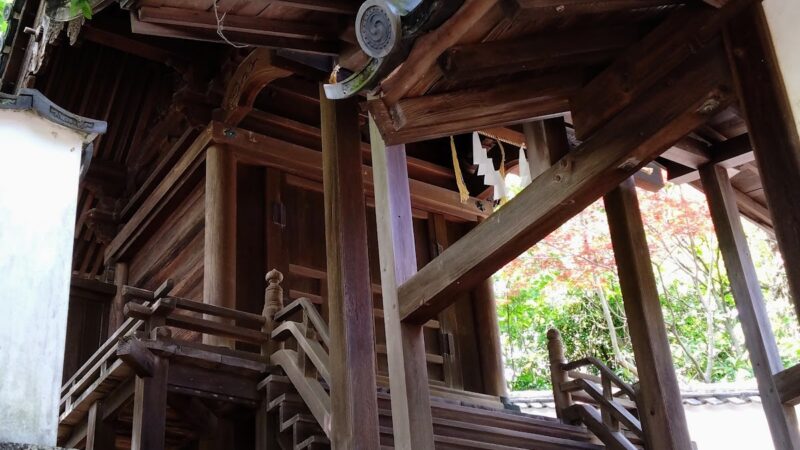
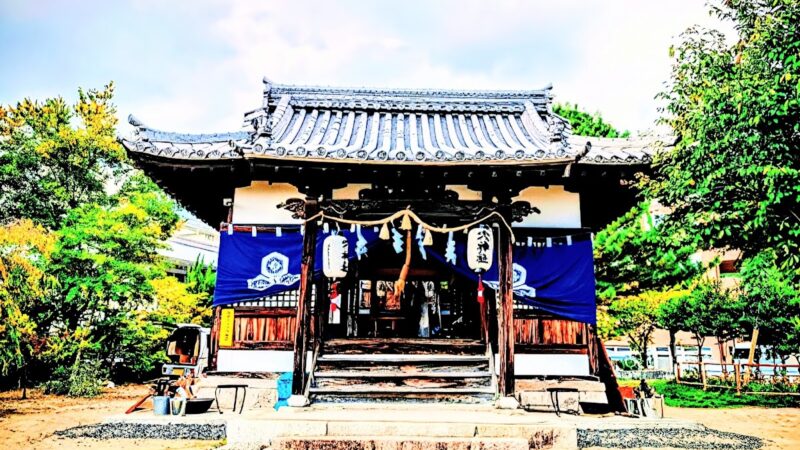
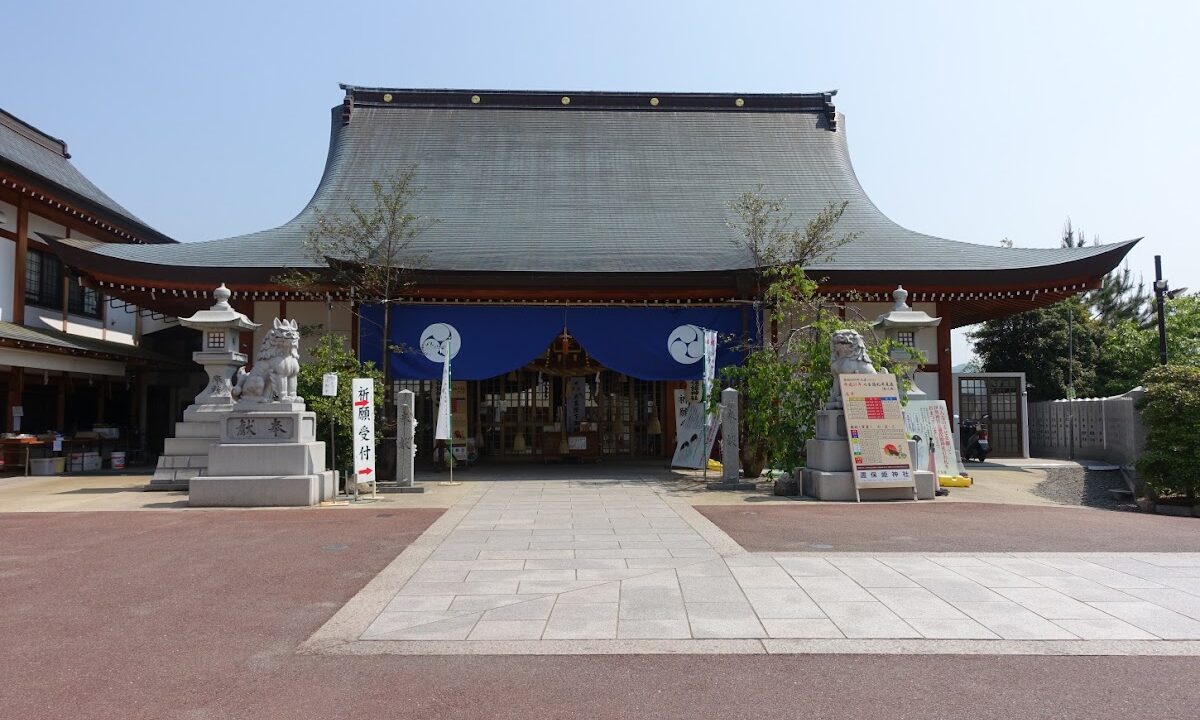
The shrine buildings of Nihohime Shrine stand quietly in a residential area of Minami Ward, Hiroshima City. The worship hall features traditional shrine architecture, creating a warm and welcoming atmosphere for visitors. The main sanctuary is located behind the worship hall, and enshrines the deities, primarily Nihotsuhime-no-kami.
The area surrounding the shrine is well-maintained, preserving a pure and sacred atmosphere despite its urban location. While the grounds are not large, their compact layout makes them easily accessible for worshippers.
Yakuwari-dama (Exorcism Ball)
One of the popular items offered at Nihohime Shrine is the Yakuwari-dama. This involves placing one’s misfortunes into an unglazed earthenware ball and throwing it to a designated spot on the shrine grounds to break it, thereby warding off evil. It’s a popular and easy way to ward off evil.
Because Hachiman Shrine is also enshrined here, the Yakuwari-dama is offered as a symbol of protection against evil, drawing upon the power of Hachiman, the god of martial fortune. For those praying for victory or protection from evil, the act of actually warding off evil with their own hands holds significant psychological meaning.
Unusual Postbox
Within the grounds of Nihohime Shrine, there’s a unique spot that’s become a topic of conversation among some: a postbox that’s difficult to use. This is due to the unique location of the postbox within the shrine’s layout and structure, making it a quiet topic of conversation among visitors.
Goshuin (Shrine Seal)
Nihohime Shrine offers Goshuin (shrine seals). These are pre-printed and can be received at the shrine office. The carefully crafted Goshuin, reflecting the shrine’s history and tradition, are popular among Goshuin enthusiasts as a memento of their visit.
The Goshuin features the shrine’s name, “Nihohime Shrine,” along with the shrine’s seal, creating a simple yet dignified design. We recommend bringing your Goshuincho (stamp book) when you visit.
Annual Events and Festivals
Nihohime Shrine holds various festivals and events throughout the year. The main annual events are as follows:
Main Annual Events
- Saitansai (January 1st): A festival to welcome the new year and pray for peace throughout the year.
- Setsubunsai (around February 3rd): A ceremony to ward off evil spirits and invite good fortune through bean-throwing.
- Spring Grand Festival: Celebrating the arrival of spring and praying for a bountiful harvest.
- Natsukoshi no Oharae (June 30th): A Shinto ritual to purify and cleanse away the sins and impurities accumulated over the past six months.
- Autumn Grand Festival: An important festival to give thanks for the harvest and pray for the prosperity of the region.
- Shichi-Go-San Pilgrimage (November): Celebrating the growth of children and praying for their healthy development.
- Year-End Purification Ceremony (December 31st): Purifying oneself of the sins and impurities of the past year and preparing for the New Year.
Especially during the annual festival, many local parishioners and worshippers visit the shrine, making the grounds lively. For detailed festival dates, we recommend contacting the shrine directly before your visit.
Access to Nihohime Shrine
Basic Information
- Location: 12-13 Nishihonura-cho, Minami-ku, Hiroshima City, Hiroshima Prefecture 734-0045
- Phone Number: Please check for the latest information before your visit.
Access by Train
The nearest station to Nihohime Shrine is JR Sanyo Main Line, Hiroshima Station. Access from Hiroshima Station is as follows:
Walking from Hiroshima Station
It takes approximately 20-25 minutes on foot from the south exit of Hiroshima Station. Exit the station and head south, taking the route towards Hiroshima Port. Since the route goes through a residential area, we recommend using a smartphone map app if it’s your first visit.
Access by Bus from Hiroshima Station
You can take a Hiroshima Bus or Hiroshima Electric Railway bus from the bus terminal at the south exit of Hiroshima Station. The nearest bus stops are “Nishihonura-cho” or “Honura“, and the shrine is a few minutes’ walk from the bus stop.
Take a bus bound for Hiroshima Port from Hiroshima Station, and you will arrive at the nearest bus stop in about 10-15 minutes. Bus frequency and schedules vary depending on the season, so we recommend checking the official Hiroshima Bus or Hiroshima Electric Railway website in advance.
Access by Tram
If you use the Hiroshima Electric Railway (tram), which is convenient for getting around Hiroshima city:
Take the tram bound for Hiroshima Port (Line 5) from Hiroshima Station, and get off at “Kenbyoin-mae” or “Minami-machi Rokuchome“. From there, it’s about a 10-15 minute walk. Streetcars are a convenient mode of transportation for sightseeing in Hiroshima, allowing you to enjoy the city scenery from the window.
Access by Car
If traveling by car, take National Route 2 south from central Hiroshima and arrive in approximately 15-20 minutes.
- If using the Hiroshima Expressway, exit at the Yoshijima exit and head south for approximately 10 minutes.
- From the Sanyo Expressway, exit at the Hiroshima East Interchange and head towards Hiroshima city center for approximately 25 minutes.
Regarding parking, there may be parking spaces for visitors on the shrine grounds, but the number of spaces is limited, so it is recommended to check in advance. There are also several coin-operated parking lots in the surrounding area, so please consider using those as well.
Notes on Access
Nihohime Shrine is located in a residential area, so it may be difficult for first-time visitors to find. It is recommended to use a smartphone map app or car navigation system and search for “Nihohime Shrine” or the address “12-13 Nishihonura-cho, Minami-ku, Hiroshima City”.
The roads are relatively narrow residential streets, so if you are visiting by car, please drive considerately and respectfully to the residents.
Nearby Attractions and Tourist Spots
Here are some nearby tourist spots you might want to visit when you come to Nihohime Shrine.
Hiroshima Port
Located about a 10-minute walk south of Nihohime Shrine, Hiroshima Port is a gateway to the sea where ferries depart for Miyajima and Kure. Enjoy a stroll while gazing at the calm waters of the Seto Inland Sea.
Hiroshima Prefectural Art Museum
Located in Naka Ward, Hiroshima City, the Hiroshima Prefectural Art Museum is about a 15-minute drive from Nihohime Shrine. You can admire a diverse collection of works by artists associated with Hiroshima, as well as Japanese paintings, Western paintings, and sculptures.
Peace Memorial Park
Peace Memorial Park, a must-visit when visiting Hiroshima, is about a 20-minute streetcar or bus ride from Nihohime Shrine. The area is home to numerous facilities where visitors can learn about the importance of peace, including the Atomic Bomb Dome and the Hiroshima Peace Memorial Museum.
Hijiyama Park
Located on Hijiyama Hill in Minami Ward, Hiroshima City, this park is also known for its beautiful cherry blossoms. It’s approximately a 10-minute drive or a 30-minute walk from Nihohime Shrine. From the hilltop, you can enjoy a panoramic view of Hiroshima city, making it ideal for a stroll.
Other Shrines and Temples in Hiroshima City
- Hiroshima Gokoku Shrine: One of Hiroshima’s representative shrines, located within Hiroshima Castle Park.
- Niotsu Shrine: A shrine dedicated to the Asano clan lords of Hiroshima, within walking distance of Hiroshima Station.
- Mitaki-ji Temple: An ancient temple known for its beautiful autumn foliage.
- Fudo-in Temple: A Shingon Buddhist temple with a national treasure, the main hall.
Manners and Points for Visiting Shrines
Basic Worship Etiquette
When visiting Nihohime Shrine, please observe the following basic shrine worship manners:
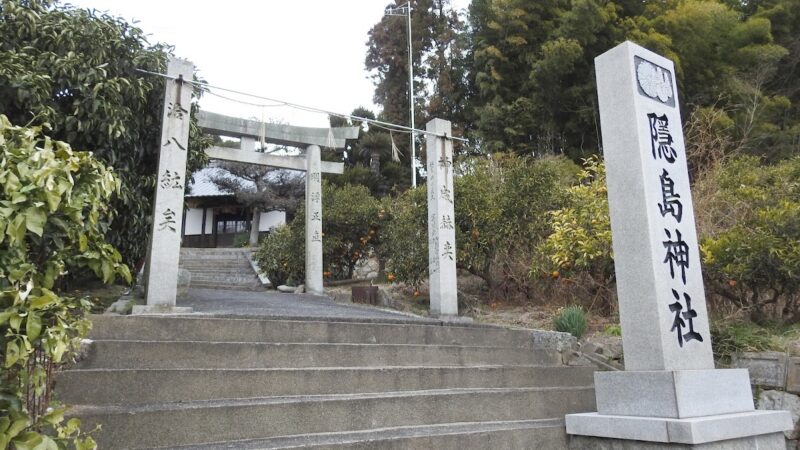
- When passing through the torii gate: Bow before entering the shrine grounds.
- Purifying at the water basin: Purify your left hand, right hand, and mouth in that order.
- Worship etiquette: Two bows, two claps, and one bow are the basics.
- Behavior within the shrine grounds: Be quiet and respectful.
Recommended Visiting Times
Since Nihohime Shrine is located in a residential area, visiting during the quiet hours of early morning or evening is especially recommended. Visiting in the refreshing morning air is particularly invigorating for both mind and body.
Photography
Photography is generally permitted on the shrine grounds, but please refrain from taking photos inside the main hall or towards the deity. Also, please be considerate of other visitors.
The Charm of Nihohime Shrine
A Tranquil Space in an Urban Area
Despite being located in the urban area of Hiroshima City, the grounds of Nihohime Shrine are enveloped in tranquility. It is a precious space where you can escape the hustle and bustle of modern life and pray in peace.
Over 1600 Years of History
Founded in 392 AD, Nihohime Shrine is an ancient shrine with a history of over 1600 years. Its direct connection to Empress Jingu, an important figure in Japanese history, is one of the shrine’s greatest attractions. You can experience a history of faith that has continued uninterrupted since ancient times.
A Faith Rooted in the Community
Nihohime Shrine, affectionately known as “Hiroshima’s Ise Shrine” by the local people, is a central presence in the community. As the local guardian shrine and a place visited at important life events, it is deeply intertwined with the lives of many people.
An Easy Exorcism Experience
The exorcism using the “yakuwari-dama” (exorcism ball) has a significant psychological effect, as it allows worshippers to personally ward off evil. The experience of breaking and warding off evil with one’s own hands, rather than just formal prayers, is a unique charm of Nihohime Shrine.
Preparations and Precautions Before Visiting
Regarding Clothing
While there are no specific dress code requirements, it is desirable to dress appropriately, keeping in mind that this is a sacred place. Avoid overly revealing clothing or overly casual attire such as sandals.
What to Bring
- Goshuincho (stamp book): If you wish to receive a Goshuin (stamp)
- Offering: It’s convenient to have small change ready
- Camera: If you want to record the scenery of the shrine grounds
- Map/Smartphone: For navigation if it’s your first visit
Visiting Hours
While entry to the shrine grounds is generally possible during the day, there may be time restrictions for receiving Goshuin or other items at the shrine office. If you want to be sure to receive a Goshuin or other items, it is recommended to inquire with the shrine in advance.
Weather Precautions
The shrine grounds may become slippery during rainy weather. Be especially careful when walking on stone steps and gravel. Also, the sun is strong in summer, so it is recommended to bring a hat, parasol, and water.
Summary
Nihohime Shrine is a historic shrine located in Minami-ku, Hiroshima City, said to have been founded in 392. This shrine, known as “Hiroshima’s Ise Shrine,” is beloved by locals for its miraculous legends related to Empress Jingu’s conquest of the Three Kingdoms of Korea.
With Nihotsuhime-no-kami as its main deity and the three Hachiman gods enshrined alongside her, this shrine is known for its divine blessings of protection against misfortune, good fortune in battle, and safe voyages. Visitors can experience a simple form of exorcism using a ritual ball, and receive a pre-printed goshuin (shrine stamp).
Located approximately 20 minutes on foot from JR Hiroshima Station, or accessible by bus or tram, it’s easily accessible during Hiroshima sightseeing. Despite its urban location, the shrine grounds are enveloped in tranquility, allowing visitors to experience the atmosphere of an ancient shrine with over 1600 years of history.
When visiting Hiroshima, be sure to pay your respects at Nihohime Shrine, cleanse your soul in this place associated with Empress Jingu, and receive its divine blessings. This shrine, steeped in history and faith, will surely make your Hiroshima trip special.