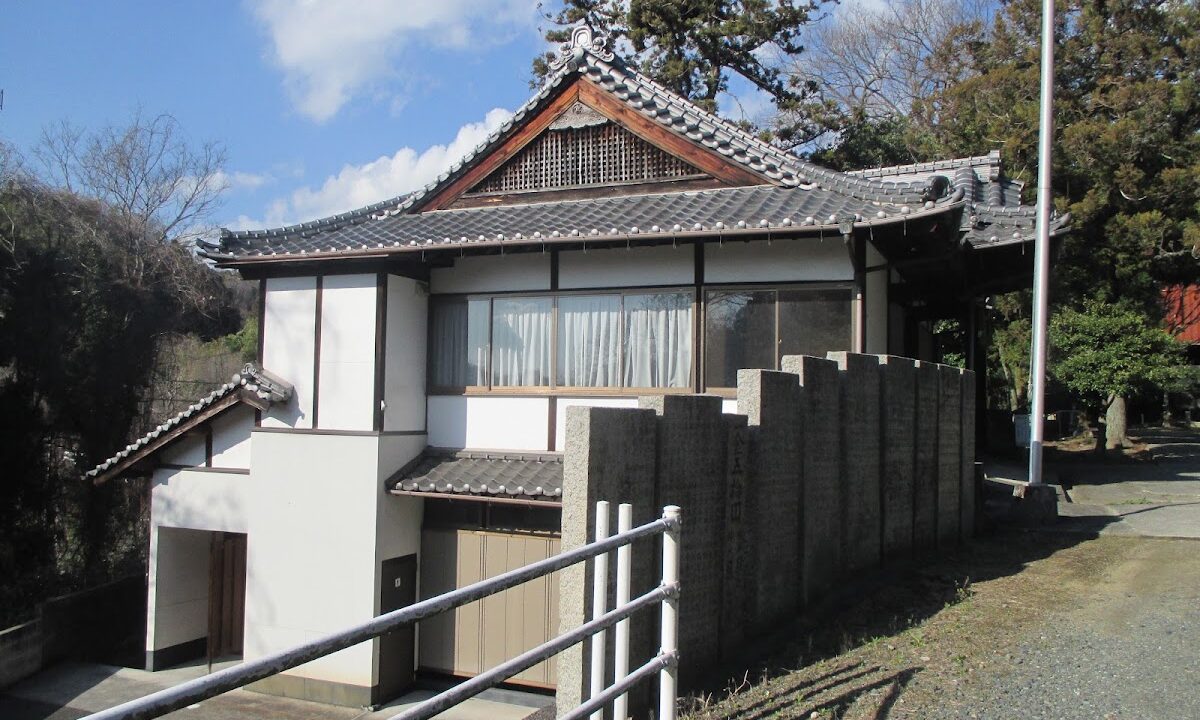
Complete Guide to Imaise Naiku Geku (Fukuyama City, Hiroshima Prefecture): History, Goshuin (Shrine Seals), and Access Information for the Original Ise Shrine
Imaise Naiku Geku, located in Kamimura-cho, Fukuyama City, Hiroshima Prefecture, is a historically significant shrine known as the site of the ancient original Ise Shrine. It is said to have been built on the site of the former Nagatahama Shrine, where Toyosukiirihime-no-Mikoto enshrined Amaterasu Omikami during the reign of Emperor Sujin, the tenth emperor. As an important sacred site predating the enshrinement of Amaterasu Omikami at Ise Grand Shrine, it attracts attention from history enthusiasts and shrine visitors alike.
This article comprehensively introduces all the information you need to know before visiting Imaise Naiku Geku, including its detailed history, goshuin information, highlights within the grounds, and access methods.
What are Imaise Naiku and Geku?: Their Position as Sacred Sites of the Original Ise
Imaise Naiku and Geku are shrines located at 6002 Kō, Kamimura-chō, Fukuyama City, Hiroshima Prefecture, and are conveniently located within walking distance of Matsunaga Station on the JR Sanyo Main Line. The most distinctive feature of these shrines is their historical value as “Moto-Ise” (original Ise).
Moto-Ise refers to the site of a temporary palace where Amaterasu Ōmikami (the sun goddess) traveled before being enshrined at the current Ise Grand Shrine (Ise City, Mie Prefecture). According to ancient texts such as the *Nihon Shoki* and *Yamato-hime no Mikoto Seiki*, during the reign of Emperor Sujin (the tenth emperor), Toyosukiirihime no Mikoto carried the spirit of Amaterasu Ōmikami from Yamato to various locations, and during this time, she is said to have enshrined it at Nakata-no-hama-no-miya for four years.
The Ima-Ise Naiku and Geku shrines are traditionally believed to be one of the locations of the ancient Nagatahama Shrine, and thus hold significant importance as a sacred site for ancient Shinto rituals. The Kamimura district, where our shrine is located, has long been considered sacred land, and other historically significant shrines, such as the Kamimura Hachiman Shrine, are scattered throughout the surrounding area.
History of Ima-Ise Naiku and Geku: From Ancient Times to the Present
Ancient Times: Toyosukiirihime-no-Mikoto and Nagatahama Shrine
The history of Ima-Ise Naiku and Geku dates back to the reign of Emperor Sujin (circa 97 BC to 30 BC). Toyosukiirihime-no-Mikoto carried the sacred spirit of Amaterasu Omikami, which had previously been enshrined within the Imperial Palace, from Kasasagi Village in Yamato Province, traveling to various locations.
According to tradition, Toyosukiirihime-no-Mikoto worshipped Amaterasu Omikami for four years at Nagatahama Shrine in Bingo Province. Our shrine is said to have been built on the site of the former Nagatahama Shrine, and is an important shrine with a history as the original Ise Shrine.
As the character “Hama” (浜) in Nagatahama Shrine suggests, it is believed that this area was close to the sea at that time. Although it is now inland due to changes in the ancient topography, it can be inferred from the place name and traditions that it was a region facing the Seto Inland Sea.
From the Middle Ages to the Edo Period: Reverence of the Mizuno Clan, Lords of Fukuyama Domain
While detailed records from the Middle Ages are not available, the Inner and Outer Shrines of Ise underwent a major turning point in the Edo period. In 1619, the Fukuyama Domain was established, and Mizuno Katsunari, the first lord of the domain, and his descendants deeply revered our shrine.
In 1622, the Inner Shrine was rebuilt, followed by the repair of the Outer Shrine in 1634. It is believed that during this period, the two-shrine format of the Inner and Outer Shrines, similar to Ise Grand Shrine, was established. Under the patronage of the Fukuyama domain lord, the shrine buildings and grounds were improved, establishing its status as an important local shrine.
It is presumed that the Mizuno clan’s deep reverence stemmed from the shrine’s historical significance as a former Ise shrine and its high status as a shrine dedicated to Amaterasu Omikami. The domain lord himself visited the shrine, supported its repairs and festivals, and it functioned as a center of faith for the people of the domain.
Modern Era: Ranking as a Prefectural Shrine and its Current State
In the Meiji era, the modern shrine ranking system was introduced. Initially ranked as a local shrine, the Imaise Naiku Geku (Inner and Outer Shrines) was elevated to a prefectural shrine in 1931 (Taisho 8) after the construction of its current buildings.
Ranking as a prefectural shrine signifies official recognition as a particularly historically significant shrine within Hiroshima Prefecture. This can be seen as a result of the recognition of its historical value as a former Ise shrine and the deep faith it enjoys in the region.
Although the shrine ranking system was abolished after the war, the Inner and Outer Shrines of Ise Grand Shrine are still cherished by the local people and continue to preserve their history and traditions, attracting worshippers from all over Japan who enjoy visiting the original Ise shrines and other shrines.
Deities and Blessings
Deity of the Inner Shrine
The deity of the Inner Shrine of Ise Grand Shrine is Amaterasu Omikami. She is the supreme deity in Japanese mythology and a sun goddess revered as the ancestral deity of the Imperial Family. Because it enshrines the same deity as the Inner Shrine of Ise Grand Shrine, the Inner Shrine of Ise Grand Shrine is considered a particularly prestigious shrine.
Deity of the Outer Shrine
The deity of the Outer Shrine of Ise Grand Shrine is Toyouke Omikami. She is the goddess who presides over Amaterasu Omikami’s meals and is the same deity as the Outer Shrine of Ise Grand Shrine. As the guardian deity of industry, clothing, food, and shelter, she is the object of prayer for peace and tranquility in all aspects of life.
Benefits
The main benefits believed to be obtainable at the Ima-Ise Naiku and Geku shrines are as follows:
- National Peace and Prosperity of the Imperial Family: As Amaterasu Omikami is enshrined here, prayers are offered for national peace and the prosperity of the Imperial Family.
- Good Fortune and Prosperity: Increased luck due to the divine virtues of the sun goddess.
- Abundant Harvests and Industrial Development: Prosperity in agriculture and industry due to the divine virtues of Toyouke Omikami.
- Family Safety: Prayers to the gods who protect all aspects of life.
- Protection from Misfortune and Disaster: Protection from disaster through the blessings of the gods.
As a shrine that enshrines the same deities as Ise Grand Shrine, it is especially recommended for those seeking good fortune or at important life milestones.
Highlights and Cultural Assets within the Shrine Grounds
Shrine Building Layout and Architectural Style
The grounds of the Ima-Ise Naiku and Geku shrines are arranged separately, mirroring the layout of Ise Grand Shrine. When visiting, it is considered proper to follow the custom of Ise Grand Shrine and visit the Outer Shrine first.
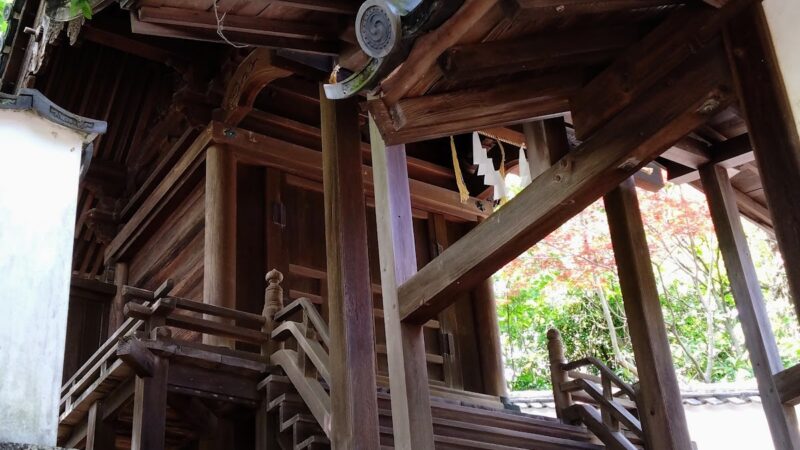
The current shrine building, constructed in 1919 (Taisho 8), is a magnificent structure based on the Shinmei-zukuri style. The main hall, while simple, exudes a sense of dignity, and its design reflects the style of Ise Grand Shrine.
Torii Gate and Approach
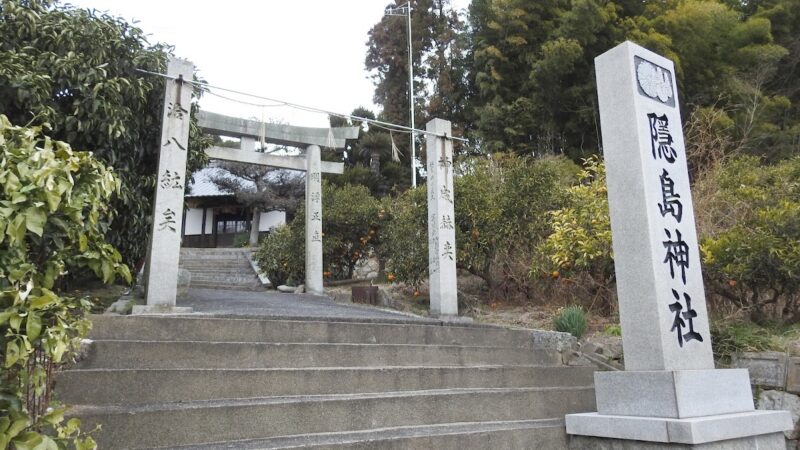
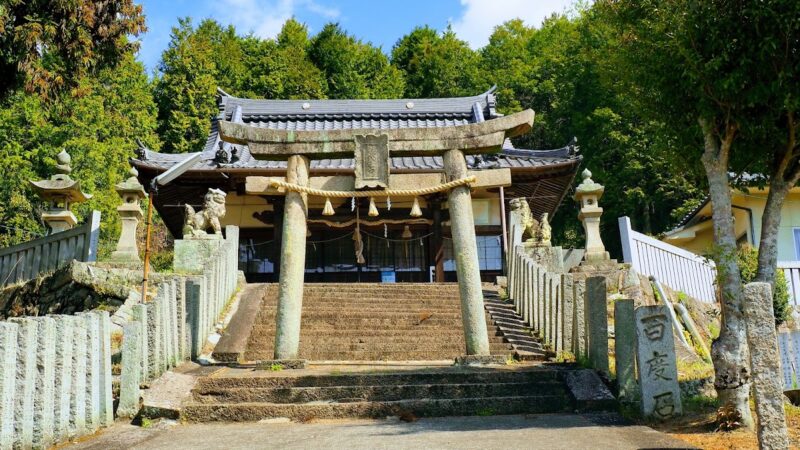
A majestic torii gate stands at the entrance to the shrine grounds, and the approach leads to the shrine buildings. Despite its proximity to National Route 2, the grounds are enveloped in a tranquil atmosphere, maintaining a sacred space even in an urban area.
Trees flourish on both sides of the approach, and the presence of ancient trees in particular speaks to the long history of the shrine. The nature within the grounds, which shows different expressions with each season, is also one of the pleasures of visiting.
Subsidiary Shrines and Auxiliary Shrines
Ise Grand Shrine has many subsidiary shrines (Naiku Subsidiary Shrines and Geku Subsidiary Shrines) and auxiliary shrines, and the Ima-Ise Naiku and Geku also have subsidiary shrines within their grounds. The main subsidiary shrines include:
- Kazemiya: A shrine dedicated to the god of wind. It is considered important as a guardian deity of agricultural crops.
- Other subsidiary shrines: Small shrines dedicated to local guardian deities and related gods.
Visiting these subsidiary shrines as well will provide a more fulfilling pilgrimage experience.
Shrine Office and Souvenirs
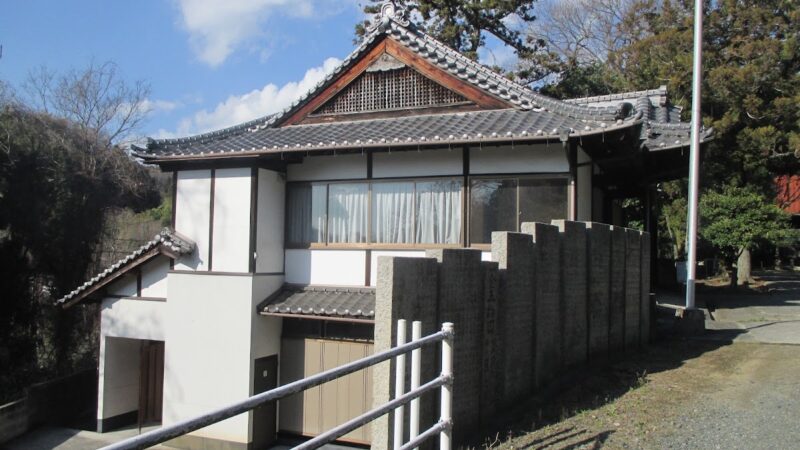
There is a shrine office on the grounds where you can receive goshuin (shrine stamps) and amulets. The office is generally open from 9:00 AM to around 4:00 PM, but it is recommended to check before visiting.
Information on Goshuin and Goshuincho (stamp books)
About Goshuin
The Ima-Ise Naiku and Geku offer goshuin as proof of worship. Goshuin (temple/shrine stamps) can be obtained at the shrine office, and sometimes separate stamps for the Inner Shrine (Naiku) and Outer Shrine (Geku) are available.
The goshuin features the calligraphy “Imaise Naiku Geku” and the shrine’s seal, creating a solemn design that reflects its history as a former Ise shrine. When receiving a goshuin, please complete your prayers first before speaking to the shrine office.
The offering fee is generally around 300 to 500 yen, but this may change, so please check on the day of your visit.
Goshuincho (Goshuin Stamp Book)
Imaise Naiku Geku sometimes offers original goshuincho. The designs reflect the history and characteristics of the shrine, making them valuable souvenirs of your visit.
For those who enjoy collecting goshuin, the goshuin of a former Ise shrine holds special significance. Many people visit our shrine as part of a pilgrimage to former Ise shrines scattered throughout Japan, making it a worthwhile addition to a goshuincho collection.
Manners for Receiving a Goshuin (Shrine/Temple Stamp)
A Goshuin is proof of your visit and is a sacred item, unlike a stamp rally. Please observe the following manners when receiving a Goshuin:
- Complete your prayers first before receiving a Goshuin.
- Greet the shrine office staff politely and request a Goshuin.
- Present your Goshuin book with both hands.
- Wait quietly while they are writing it.
- Express your gratitude when receiving it.
Access: How to get to Imaise Naiku and Geku
Basic Information
Location: 6002 Kamimura-cho Ko, Fukuyama City, Hiroshima Prefecture 729-0112
Nearest Station: Matsunaga Station, JR Sanyo Main Line
Parking: Available (Limited number of spaces, so public transportation is recommended)
Access by Train
From JR Sanyo Main Line Matsunaga Station
It takes approximately 15-20 minutes on foot from Matsunaga Station to Imaise Naiku and Geku. Exit the station and head north, taking National Route 2 towards Kamimura-cho. There are signs along the way, but using a smartphone map app is recommended for easier navigation.
Matsunaga Station is approximately 10 minutes from Fukuyama Station on the Sanyo Main Line, and approximately 40 minutes from Okayama Station. It is also accessible from Hiroshima Station in approximately 1 hour and 15 minutes.
Access by Car
From the Sanyo Expressway
- Approximately 15 minutes from Fukuyama East IC
- Approximately 20 minutes from Fukuyama West IC
Access from National Route 2 is also good; simply follow the signs for Kamimura-cho. For car navigation systems, enter “Imaise Naiku Geku” or the address “6002 Kamimura-cho Ko, Fukuyama City, Hiroshima Prefecture.”
Parking
While there is a parking lot for visitors on the temple grounds, spaces are limited. Especially during New Year’s and festivals, congestion is expected, so using public transportation is recommended whenever possible.
If the parking lot is full, you can use a nearby coin-operated parking lot, or park your car in a parking lot near Matsunaga Station and access the shrine on foot.
Manners and Etiquette for Visiting a Shrine
Basic Etiquette for Visiting a Shrine
There are basic manners to observe when visiting a shrine. When visiting the Inner and Outer Shrines of Ise Grand Shrine, please observe the following procedures:
- Bow before passing through the torii gate: Bow before entering the shrine grounds.
- Walk along the edge of the path: The center of the path is considered the path of the gods, so walk along the edge.
- Purify yourself at the water basin: If there is a water basin, scoop water with the ladle and purify your hands in the following order: left hand → right hand → mouth → handle of the ladle.
- Worship in front of the main hall: Worship using the two bows, two claps, and one bow ritual.
- Bow upon leaving: Turn around and bow when leaving the torii gate.
The custom of visiting the Outer Shrine first
At Ise Grand Shrine, there is a custom called “Visiting the Outer Shrine first,” where it is considered proper to visit the Outer Shrine first before the Inner Shrine. At the Inner and Outer Shrines of Ise Grand Shrine, it is recommended to follow this custom and visit the Outer Shrine first.
The order in which one offers thanks to Toyouke-no-Okami for the blessings of food, clothing, and shelter at the Outer Shrine, and then pays the highest respect to Amaterasu-Omikami at the Inner Shrine, holds deep meaning in Japanese Shinto.
Clothing and Belongings
While there are no strict dress codes for visiting the shrines, clean and subdued attire that reflects the sacred nature of the place is desirable. Especially when performing a formal worship service or receiving prayers, more formal attire is recommended.
The following items are useful to bring:
- Goshuincho (stamp book) (if receiving a stamp)
- Small change (for offerings and first fruits offerings)
- Camera (only in areas where photography is permitted)
- Drinks (especially in summer)
Annual Events and Festivals
Various festivals and rituals are held throughout the year at the Inner and Outer Shrines of Ise Grand Shrine. The main annual events include:
Major Festivals
Annual Festival (Autumn Grand Festival)
This is the most important festival, held every autumn. Parishioners and devotees gather, and sometimes Kagura (sacred dance and music) performances and portable shrine processions take place.
Monthly Festival
This is a regular festival held on a specific day each month. Prayers are offered for the peace and prosperity of the community and the parishioners.
First Three Days of the New Year
The first shrine visit of the new year is bustling with many worshippers. Worshippers come to pray for safety in the new year and happiness throughout the year.
Visiting During Festivals
Visiting the shrine on a festival day allows you to experience a different atmosphere than usual. Kagura and traditional performing arts performances may be offered, providing a valuable opportunity to experience local culture. However, since crowds are expected on festival days, it is recommended to visit with plenty of time to spare.
Nearby Tourist Spots and Shrines/Temples
Kamimura Hachiman Shrine
This is a historic shrine located in the same Kamimura district as the Inner and Outer Shrines of Ise Grand Shrine. It enshrines Emperor Ojin as its main deity and is revered as the guardian deity of the region. Many people visit this shrine along with the Inner and Outer Shrines of Imaise, making it a worthwhile stop as part of a shrine tour in the Kamimura area.
Tourist Spots in Fukuyama City
Fukuyama City, home to the Inner and Outer Shrines of Imaise, boasts many other tourist attractions:
Fukuyama Castle A symbol of Fukuyama, towering over Fukuyama Station. Built by Mizuno Katsunari, the castle offers panoramic views of the city from its keep. It also evokes a sense of historical connection as the residence of the Mizuno clan, who restored the Inner and Outer Shrines of Imaise.
Tomonoura A scenic port town facing the Seto Inland Sea. It retains its Edo-period streetscape and is famous as a filming location for movies and dramas. Located in the southern part of Fukuyama City, it’s approximately a 30-minute drive from the Inner and Outer Shrines of Imaise.
Myooin Temple A historic Shingon Buddhist temple with a National Treasure main hall and five-story pagoda. It is known as one of the temples in Fukuyama City possessing particularly important cultural properties.
Visiting Nearby Moto-Ise Shrines
There are several locations throughout Japan that are considered to be the original Ise Shrines. After visiting the Inner and Outer Shrines of Ise, planning a pilgrimage to other Moto-Ise shrines would make for an interesting trip. Particularly famous Moto-Ise shrines include the three Moto-Ise shrines (Kōdaijinja, Toyouke-daijinja, and Ama-no-Iwato Shrine) in Fukuchiyama City, Kyoto Prefecture.
Best Season for Visiting the Inner and Outer Shrines of Ise
Spring (March-May)
Spring is the perfect season for visiting, as the trees in the shrine grounds are covered in fresh greenery, and the weather is mild. During cherry blossom season, you can also enjoy cherry blossom viewing in the surrounding area.
Summer (June-August)
In summer, the greenery is lush, and a cool atmosphere permeates the shrine grounds. However, it gets hot during the day, so early morning or evening visits are recommended. Bring drinks to prevent heatstroke.
Autumn (September-November)
Autumn is the time when the annual festival is held, and the autumn foliage is beautiful. The weather is stable, making it one of the best times to visit.
Winter (December-February)
Winter is a season when there are relatively few visitors, allowing for a quiet visit. While the first three days of the New Year are particularly busy with Hatsumode (first shrine visit of the year), the rest of the year offers a peaceful atmosphere for worship.
The Charm of Ise Grand Shrine’s Inner and Outer Shrines: Why You Should Visit
Historical Value as Original Ise
The greatest charm of Ise Grand Shrine’s Inner and Outer Shrines lies in their historical value as original Ise. As a sacred site where Amaterasu Omikami was enshrined before her enshrinement at Ise Grand Shrine, it occupies an important position in the history of Japanese Shinto.
Even those who have visited Ise Grand Shrine before can gain a deeper understanding and appreciation by learning about its pre-history. Imagining the ancient rituals while visiting will allow you to feel the romance of history.
Easy Access
Its convenient location, within walking distance of Matsunaga Station on the JR Sanyo Main Line, is a major attraction. Even those who find the Ise Grand Shrine in Mie Prefecture difficult to visit due to distance can easily access the Ima-Ise Naiku and Geku shrines.
For those living in Hiroshima, Okayama, Yamaguchi, and other parts of the Chugoku region, it’s within day-trip distance, making it ideal for a weekend getaway.
Tranquil Worship Environment
Despite its proximity to an urban area, the shrine grounds are enveloped in a tranquil atmosphere. This peaceful environment, away from the hustle and bustle, is a precious find in modern society.
Because it hasn’t been heavily commercialized for tourism, you can take your time to worship and fully appreciate the shrine’s atmosphere. It’s especially recommended for those who want to experience the true essence of a shrine.
Combining with Fukuyama Sightseeing
Fukuyama City boasts many tourist attractions, including Fukuyama Castle, Tomonoura, and Myooin Temple. Incorporating a visit to the Ima-Ise Naiku and Geku shrines into your Fukuyama sightseeing plan creates a fulfilling travel itinerary. For history buffs, a historical walk visiting Fukuyama Castle, associated with the Mizuno clan, and the Imaise Naiku and Geku shrines is also enjoyable. Combining a visit to the shrine with seafood cuisine in Tomonoura is another attractive plan.
Notes on Visiting the Shrine
Shrine Office Hours
To receive a Goshuin (shrine stamp) or other amulets, you must visit the shrine office during its operating hours. Generally, hours are from 9:00 AM to 4:00 PM, but these may change during festivals and the New Year period. If you want to be sure to receive a Goshuin, it is recommended to check by phone in advance.
Photography
Photography is generally permitted on the shrine grounds, but please refrain from taking photos inside the main hall or in sacred areas. Also, please be considerate of other visitors, and extra caution is needed when taking photos during festivals.
When posting on social media, please be mindful of content that does not detract from the dignity of the shrine.
Pets
Regulations regarding bringing pets vary by shrine. Generally, pets are not allowed on shrine grounds, so it is recommended to check in advance.
Eating and Drinking on Shrine Grounds
As a general rule, please refrain from eating and drinking on shrine grounds. This should be especially strictly avoided around the main hall. Please hydrate yourself on the approach to the shrine or at the edge of the grounds, and be sure to take your trash with you.
Frequently Asked Questions about Imaise Naiku Geku
Q: What is the relationship between Imaise Naiku Geku and Ise Grand Shrine?
A: Imaise Naiku Geku is considered one of the “Moto-Ise” (original Ise) shrines where Amaterasu Omikami was enshrined before she was enshrined at the current Ise Grand Shrine. It is said to have been built on the site where Toyosukiirihime-no-Mikoto worshipped Amaterasu Omikami for four years at Nagatahama-gu, making it an important sacred site as a precursor to Ise Grand Shrine.
Q: How long does a visit take?
A: A typical visit takes approximately 30 minutes to 1 hour. If you plan to receive a Goshuin (temple/shrine stamp) or take a leisurely stroll around the grounds, it’s a good idea to allow a little more time.
Q: Is it guaranteed that I can receive a Goshuin?
A: Generally, you can receive one during the shrine office’s operating hours, but there may be times when the priests are absent or during festivals, etc. If you want to be sure to receive one, we recommend calling ahead to confirm.
Q: Is there parking available?
A: There is a parking lot for visitors, but the number of spaces is limited. Especially on festival days and during the New Year, congestion is expected, so we recommend using public transportation.
Q: Which should I visit first, the Inner Shrine or the Outer Shrine?
A: Following the custom of Ise Grand Shrine, it is recommended to visit the Outer Shrine first. The formal order is to pay your respects to Toyouke-no-Okami at the Outer Shrine, and then to Amaterasu-Omikami at the Inner Shrine.
Summary: Reflecting on Ancient Shinto Rituals at Imaise Naiku and Geku
Imaise Naiku and Geku are shrines that possess three appealing qualities: historical value as the original Ise Shrine, easy access, and a tranquil environment for worship. As a sacred site predating the enshrinement of Amaterasu Omikami at Ise Grand Shrine, they hold a significant place in the history of Japanese Shinto.
Despite its location near the urban area of Fukuyama City, stepping onto the grounds evokes the atmosphere of ancient Shinto rituals. Visiting the former site of Nagatahama Shrine, where Toyosukiirihime no Mikoto worshipped Amaterasu Omikami, and reflecting on its long and rich history, is an experience unlike any other.
When visiting Hiroshima Prefecture or the surrounding areas, be sure to visit Imaise Naiku and Geku. A visit to this historic shrine, which enshrines the same deity as Ise Grand Shrine, will surely be a memorable experience. This is an important shrine worth visiting for those who enjoy collecting Goshuin (temple/shrine stamps) or visiting the original Ise shrines.
Please observe the formal order of worship, visiting the Outer Shrine first and then the Inner Shrine, and spend time quietly offering gratitude to the gods while experiencing the ancient Shinto traditions. We hope that your visit to the Inner and Outer Shrines of Ise will be meaningful.