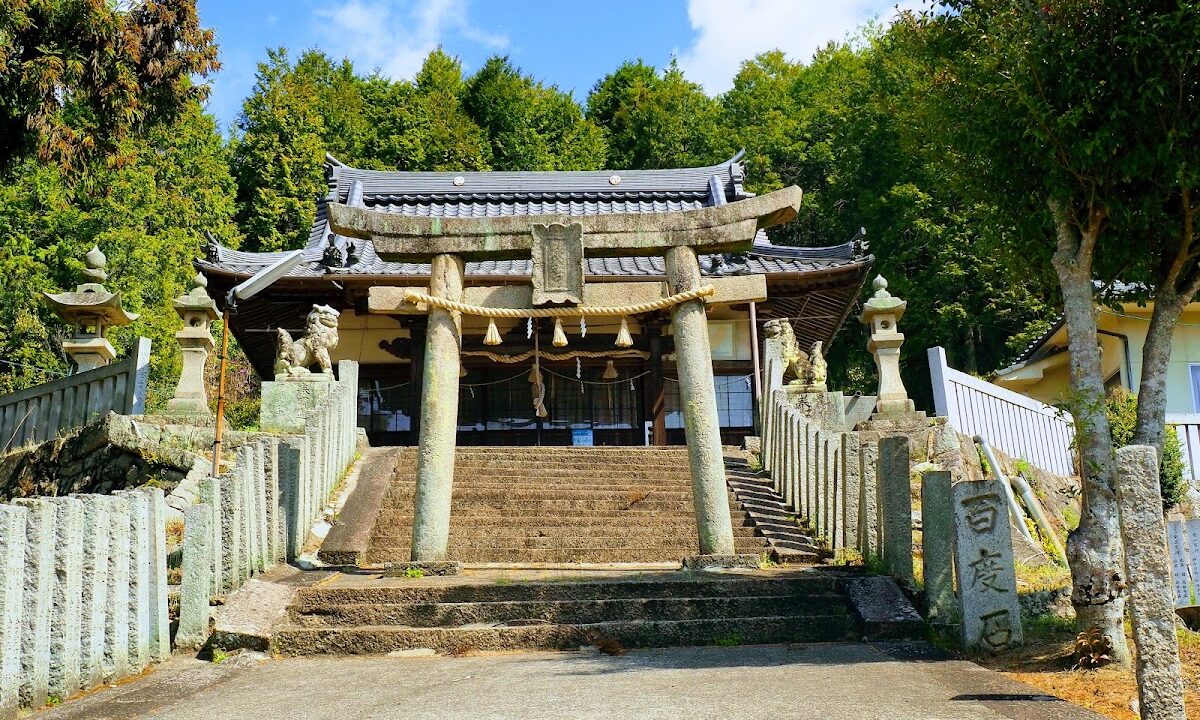
Complete Guide to Isonomiya Hachiman Shrine (Takehara City, Hiroshima Prefecture) | History, Goshuin (Shrine Seal), and the Sights of Chuko-iwa Rock
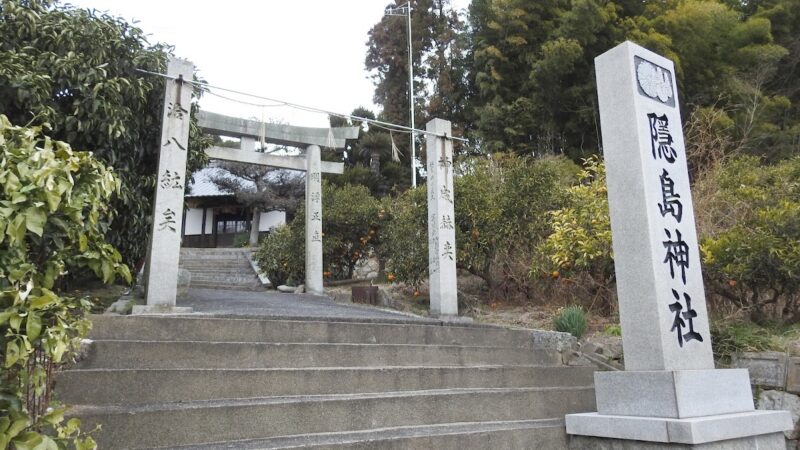
Isonomiya Hachiman Shrine, located in Takehara City, Hiroshima Prefecture, is a venerable shrine with a history of over 800 years dating back to the Kamakura period. It is also known as the setting for the anime “Tamayura” and is beloved by locals. This article provides a detailed introduction to Isonomiya Hachiman Shrine, including its history, sights, goshuin information, and access methods.
History and Origins of Isonomiya Hachiman Shrine
Circumstances of its Founding and its Connection to the Kamakura Shogunate
The founding of Isonomiya Hachiman Shrine dates back to Kenkyu 5 (1194). It is said to have begun when Goto Hyoe Sanemoto, a retainer of the Kamakura Shogunate, invited a divided spirit from Usa Hachiman Shrine in Kyushu and enshrined it as the guardian deity of the Goto family. Goto Sanemoto was a samurai who served the Kamakura Shogunate and was a powerful figure in the Takehara region at the time. Usa Hachimangu Shrine is the head shrine of all Hachiman shrines nationwide and was deeply revered as the guardian deity of samurai. Sanemoto’s enshrinement of Hachiman in this area speaks to the profound faith of the Kamakura samurai.
Origin of the Name Isonomiya
The name “Isonomiya” originates from the fact that the shrine was located near the shore (isobe). Takehara has a history of flourishing as a port town facing the Seto Inland Sea, and this deep connection with the sea is reflected in the shrine’s name.
Relocation and Development of the Shrine
After Goto Sanemoto’s death, local people built a shrine at the foot of Mt. Hofuku, southwest of the current location. Later, in 1658 (Manji 1), it was moved to its current location in Tanoura. This relocation made the shrine more accessible to a larger number of worshippers, and it developed into a center of local faith.
Highlights and Cultural Properties within the Shrine Grounds
Chūkō-iwa (Loyalty and Filial Piety Rock) – Prefectural Designated Historic Site
The greatest highlight of Isomiya Hachiman Shrine is the “Chūkō-iwa” (Loyalty and Filial Piety Rock) located within the shrine grounds. This rock was designated a historical site by Hiroshima Prefecture on May 28, 1937, and is officially registered as “Isomiya.”
The two characters “Chūkō” are carved into the Chūkō-iwa, and these were carved by Karasakidō Rikusuke, a loyalist thinker and Confucian scholar of the Edo period. Karasakidō Rikusuke studied Suika Shinto under Yamazaki Ansai in Kyoto, and after returning to his hometown, he spread Shinto and Confucianism to the townspeople of Takehara.
Suika Shinto is a philosophy that fuses Confucianism and Shinto, particularly emphasizing “loyalty” and “filial piety.” The characters carved into this rock are preserved as a valuable historical site that conveys the thought and culture of that time.
The Karasaki Family and the Tradition of Confucianism
After Karasaki-do Rikusuke, many Confucian scholars emerged from the Karasaki family. Takehara, also known as “Little Kyoto of Aki,” prospered from salt production during the Edo period and was a culturally developed town. Isomiya Hachiman Shrine is a symbolic place of Takehara’s cultural development.
Atmosphere of the Shrine and Grounds
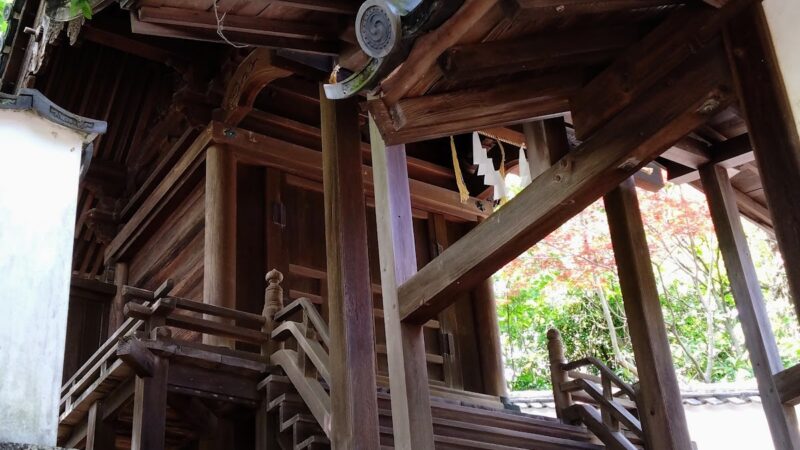
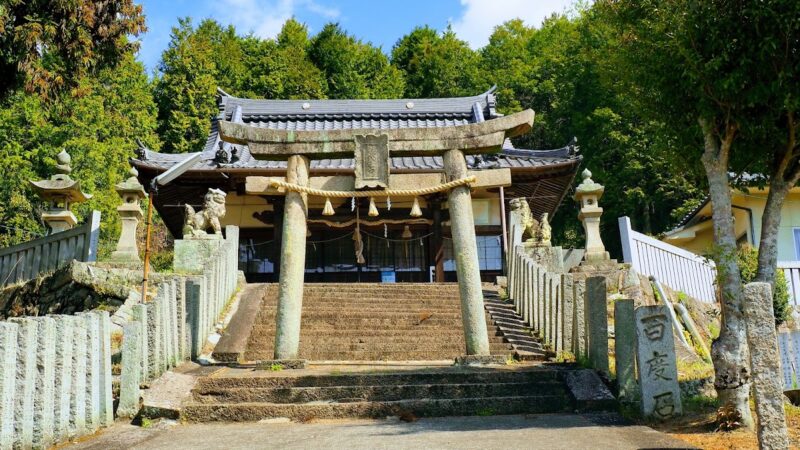
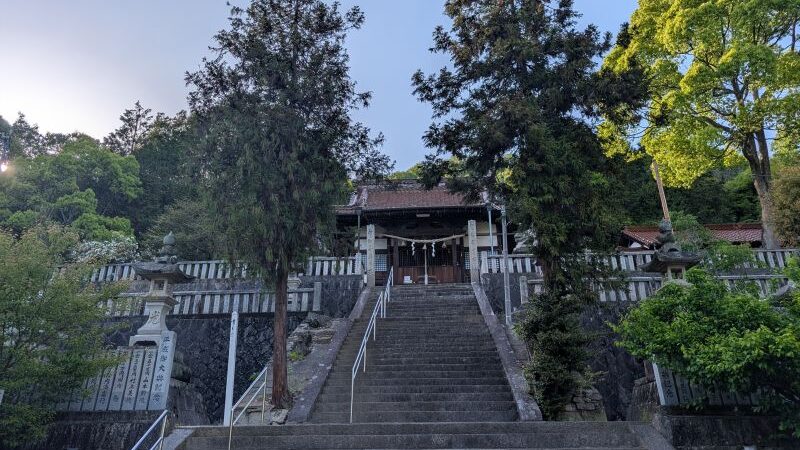
The current shrine building maintains the traditional style of shrine architecture and is carefully maintained by the local people. The grounds are enveloped in a quiet and peaceful atmosphere, and are cherished by locals as a place to escape the hustle and bustle of the city and find peace of mind.
Goshuin (Shrine Seal) Information
About Receiving Goshuin
Goshuin are available at Isomiya Hachiman Shrine. Many visitors receive a goshuin as a memento of their visit. The goshuin includes the shrine’s name and the date of visit, and is carefully written in ink and stamped with a red seal by a Shinto priest.
If you wish to receive a goshuin, please speak to the shrine office after your visit. However, since the priest may not always be present, it is recommended to contact the shrine in advance if you are certain you will receive a goshuin.
About Goshuincho (Shrine Seal Books)
Please check with the shrine office upon your visit to see if Isomiya Hachiman Shrine has its own original goshuincho. You can also have your own goshuincho stamped.
Access and Visiting Information
Location
Address: 1-6-8 (or 6-12) Tanoura, Takehara City, Hiroshima Prefecture
Access by Train
The shrine is located very close to the station, approximately a 5-minute walk from JR Kure Line’s Takehara Station. Heading south from Takehara Station will lead you to the shrine relatively easily.
Access by Car and Parking
The shrine has its own parking lot. While some tourists visiting the Takehara townscape preservation area park in the preservation area’s parking lot and walk, Isomiya Hachiman Shrine has its own parking lot, which is convenient to use.
Car Navigation Setting: Search for “Isomiya Hachiman Shrine” or the address “1-6-8 Tanoura, Takehara City.”
Visiting Hours
While visiting the shrine grounds is generally free, daytime hours are recommended for receiving Goshuin (shrine stamps) and prayers at the shrine office. Please contact the shrine directly for detailed hours.
Spots to Visit Alongside Takehara Sightseeing
Takehara Historic Townscape Preservation District
Located within walking distance of Isomiya Hachiman Shrine, the Takehara Historic Townscape Preservation District preserves a beautiful landscape of Edo-period townhouses. Known as “Little Kyoto of Aki,” it has been designated an Important Preservation District for Groups of Traditional Buildings. The charming townscape, with its white-walled townhouses, lattice windows, and cobblestone streets, offers an atmosphere that makes you feel as if you’ve traveled back in time.
Tamayura Pilgrimage
The anime “Tamayura” is set in Takehara City, and Isomiya Hachiman Shrine appears in the anime in scenes such as the New Year’s visit. For anime fans, it’s an important pilgrimage spot, offering the enjoyment of visiting while recalling scenes from the anime.
Saihoji Temple and Fumeikaku
A representative temple of Takehara, Fumeikaku offers panoramic views of Takehara town and the Seto Inland Sea from its elevated location. Its distinctive stage-like architecture is reminiscent of Kiyomizu-dera Temple in Kyoto.
Takehara Roadside Station
This facility sells Takehara’s local specialties and souvenirs. It offers Takehara’s famous “Taketsuru” (Taketsuru Masataka, founder of Nikka Whisky, is from Takehara) related products, as well as local seafood.
Annual Events at Isomiya Hachiman Shrine
New Year’s Visit
Many local residents visit the shrine for their first shrine visit of the year. It is bustling with worshippers praying for good health and safety for their families throughout the year.
Grand Festival
Various festivals are held throughout the year. For specific dates, please contact the shrine or the Takehara City Tourism Association.
Deities and Blessings of Isomiya Hachiman Shrine
Deities
The deity enshrined at Isomiya Hachiman Shrine is Hachiman-no-Okami (Emperor Ojin). Hachiman-no-Okami has been worshipped by samurai families since ancient times as the god of military fortune and victory. Furthermore, it is believed to offer a wide range of blessings, including business prosperity, family safety, and protection from evil.
Blessings
- Long-lasting military fortune and prayers for victory: The original divine virtue of Hachiman-sama
- Family safety: From its history as the guardian deity of the Goto family
- Business prosperity: As a shrine that has watched over the development of the port town of Takehara
- Academic success: From the tradition of Confucianism and the teachings of loyalty and filial piety
- Protection from evil and good fortune: The general blessings of Hachiman shrines
The history of Takehara and Isomiya Hachiman Shrine
A port town that prospered from salt production
Takehara flourished from the Edo period to the Meiji period thanks to its salt production. The warm climate of the Seto Inland Sea and the tidal differences utilized tidal salt fields, producing high-quality salt that became known nationwide as “Takehara salt.” This economic prosperity supported the town’s cultural development, and Isomiya Hachiman Shrine played an important role as a center of local faith.
Connection to the Founder of Nikka Whisky
Takehara is also the birthplace of Masataka Taketsuru, the founder of Nikka Whisky. The Taketsuru family was a prominent sake brewing family in Takehara, and Masataka later studied whisky making in Scotland, becoming the father of Japan’s whisky industry. Isomiya Hachiman Shrine is a shrine that was visited by these historical figures of Takehara.
Manners and Etiquette for Visiting a Shrine
Basic Worship Etiquette
- Bow before passing through the torii gate: This is a sign of respect when entering the sacred area.
- Purify yourself at the water basin: Purify your left hand, then your right hand, then your mouth.
- Avoid walking in the center of the path: The center is considered the path of the gods.
- Etiquette at the main hall: Two bows, two claps, and one bow are the basic rituals.
Photography
Photography is generally permitted on the shrine grounds, but consideration should be given to avoiding disturbing other worshippers or those participating in religious ceremonies. Historical sites such as the Chuko-iwa rock can also be photographed, but please do so with respect.
Nearby Accommodations and Restaurants
Accommodation
In Takehara City, near the historical preservation district, there are guesthouses renovated from old houses and hot spring inns. Many accommodations offer seafood from the Seto Inland Sea, making it a great option for combining sightseeing with a stay.
Restaurants
Takehara boasts an abundance of seafood, allowing you to enjoy dishes made with fresh fish and shellfish. The preserved townscape also features traditional house cafes and restaurants, perfect for a break during your stroll.
Seasons for Visiting Isomiya Hachiman Shrine
Spring (March-May)
During cherry blossom season, the shrine grounds and surrounding areas are filled with beautiful blossoms, creating a stunning landscape. The mild climate makes it an ideal season for visiting.
Summer (June-August)
The refreshing sea breeze from the Seto Inland Sea is delightful. Summer festivals and other events are sometimes held during this time.
Autumn (September-November)
The autumn foliage is beautiful, and the pleasant weather makes it an ideal season for sightseeing. It’s recommended to visit in conjunction with a stroll through Takehara’s townscape.
Winter (December-February)
The shrine is bustling with many visitors during the New Year’s pilgrimage. While the Seto Inland Sea coast is relatively mild, don’t forget to bring warm clothing. ## Summary: The Charm of Isomiya Hachiman Shrine
Isomiya Hachiman Shrine boasts a long history dating back to the Kamakura period. It is a venerable shrine established by Goto Sanemoto, a retainer of the Kamakura Shogunate, who invited the deity from Usa Hachiman Shrine. The Chuko-iwa rock, a prefecturally designated historical site, is a valuable cultural asset carved by Karasaki-do Rikusuke, a Confucian scholar of the Edo period, conveying the thought and culture of that time.
Conveniently located just a 5-minute walk from JR Takehara Station, and equipped with its own parking lot, it offers easy access. Visiting it in conjunction with sightseeing in the Takehara townscape preservation area will enhance your Takehara experience.
It is also known as a pilgrimage site for fans of the anime “Tamayura,” making it a special place for fans of the series. Please visit Isomiya Hachiman Shrine, where history, culture, and the faith of the local people breathe life into.
As you offer your prayers in the tranquil shrine grounds, you will feel the warm presence of Hachiman, who has watched over the town of Takehara for over 800 years. When you visit Takehara, why not add a visit to Isomiya Hachiman Shrine to your itinerary?