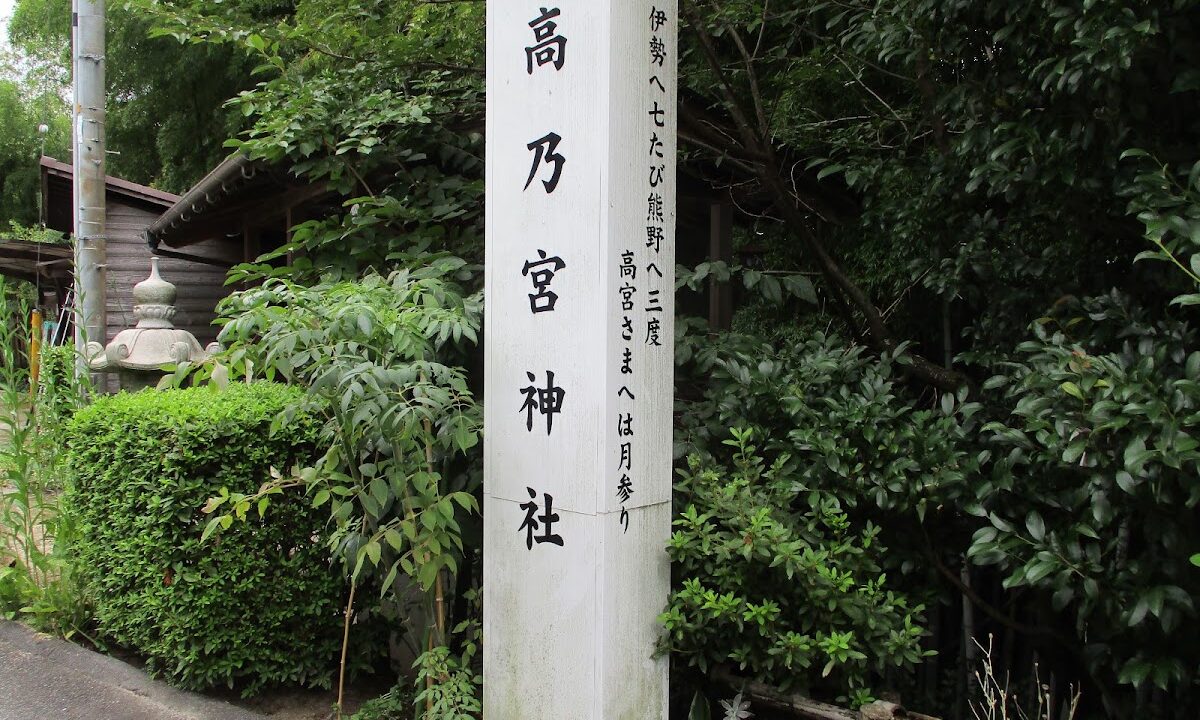
Takanomiya Shrine (Hiroshima Prefecture) Complete Guide: History, Blessings, Access, and Visiting Information
About Takanomiya Shrine
Takanomiya Shrine is a historic shrine located in Hiroshima Prefecture. It has long been cherished by local people as the guardian deity of the region, and has attracted deep faith. The shrine grounds, nestled in a tranquil environment, offer visitors a sacred space of peace and serenity.
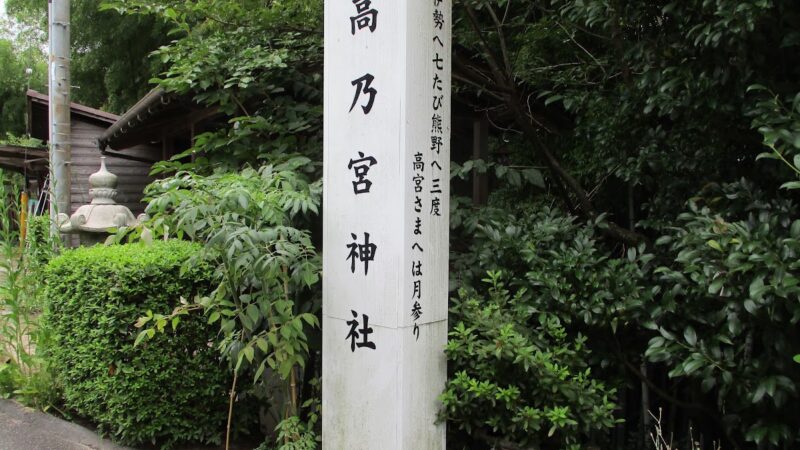
The name “Takanomiya” means “a shrine situated on high ground,” and is believed to be deeply connected to its location and history. While many shrines exist in Hiroshima Prefecture, Takanomiya Shrine is known for its unique history and characteristics.
History and Origins of Takanomiya Shrine
Founding History
Regarding the founding date of Takanomiya Shrine, details are unclear due to limited historical records, but according to local tradition, it has been an object of worship since ancient times. From the medieval to the early modern period, the shrine developed as a central place of worship in the local community, under the protection of influential figures and feudal lords.
The origins of the shrine are deeply connected to the development of the region and agriculture, and it is believed to have played an important role as a place to pray for abundant harvests and peace in the community.
Changes Through the Ages
During the Edo period, it was revered by villagers as the local tutelary deity, and regular festivals were held. Following the Meiji-era separation of Shinto and Buddhism and the establishment of the shrine system, a modern shrine structure was established.
Even after the turmoil of the post-war period, the shrine continued to be maintained through the fervent faith and protective activities of local residents. Currently, while preserving tradition, it adapts to the times and plays a role as a spiritual pillar of the local community.
Deities and Benefits
Main Deity
Regarding the deities enshrined at Takanomiya Shrine, it is possible that multiple deities are worshipped, depending on the local traditions and forms of worship. Generally, shrines with the character “高” (Taka) in their name often enshrine deities such as Takamimusubi-no-kami, gods associated with regional development, or gods related to mountain worship.
Some shrines may also enshrine major deities from Japanese mythology, such as Amaterasu-Omikami or Susanoo-no-Mikoto.
Benefits and Divine Virtues
The benefits you can expect from visiting Takanomiya Shrine include the following:
Abundant Harvest and Business Prosperity
It has long been revered by people wishing for the development of agriculture and commerce. As a guardian deity of local industries, worshippers visit to pray for business prosperity and bountiful harvests.
Family Safety and Protection from Misfortune
It is also deeply revered by those praying for the health and safety of their families and protection from disaster, and many worshippers visit, especially at the beginning of the year and during significant milestones.
Regional Peace and Tranquility
As the guardian deity of the region, it watches over the peace and development of the entire community and plays a role in deepening the bonds among residents through local events and festivals.
Good Fortune and Prosperity
It is believed that visiting the shrine at new beginnings or milestones in life will invite good fortune.
Highlights of the Shrine Grounds
Main Hall and Worship Hall
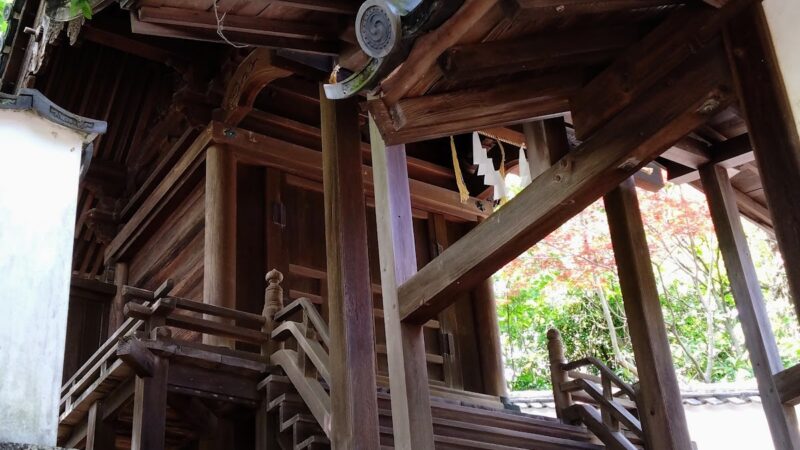
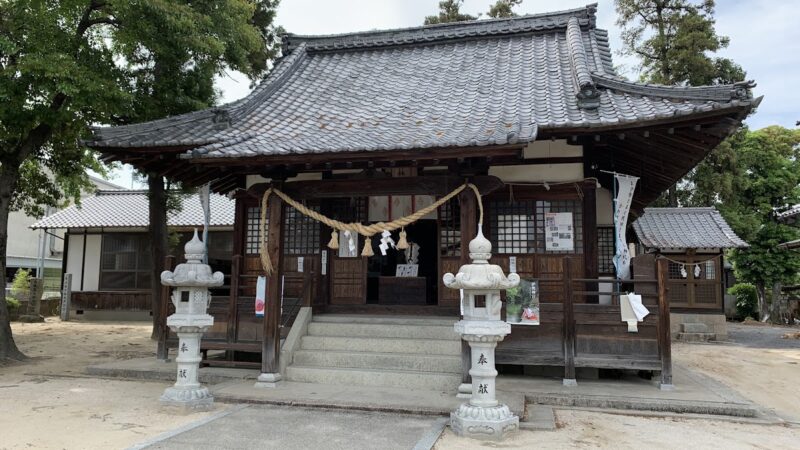
The main hall of Takanomiya Shrine is a valuable structure that conveys the style of traditional shrine architecture. The wooden structure has withstood the elements for many years and has been carefully maintained by the local people. In the worship hall, worshippers can offer prayers to the deities and find peace of mind in a tranquil atmosphere.
The architectural style reflects regional characteristics, and you can see the features of shrine architecture in the Hiroshima region. Paying attention to the shape of the roof, decorations, and carvings will allow you to feel the history of the shrine more deeply.
Subsidiary Shrines and Auxiliary Shrines
Several subsidiary shrines are sometimes located around the main hall. These small shrines each enshrine different deities, and visitors come seeking specific blessings.
Often, various deities worshipped in the region, such as Inari, Tenjin, and Kojin, are enshrined together, making it possible to receive diverse blessings in a single visit—one of the attractions of visiting shrines.
Sacred Trees and Natural Environment
Sometimes, ancient sacred trees stand within the shrine grounds. These large trees are living witnesses to the long history of the shrine and are believed to possess sacred power.
The surrounding natural environment is also an important element of the shrine. The changes in flowers and trees throughout the seasons show different expressions depending on the time of year, allowing visitors to feel the passage of the seasons. Especially during the fresh greenery of spring and the vibrant autumn foliage, the shrine grounds are enveloped in beautiful natural colors.
Water Basin and Torii Gate
When visiting a shrine, first purify your body and mind at the water basin. This ritual is fundamental to visiting a shrine and represents the traditional Japanese belief of purifying oneself before appearing before the gods.
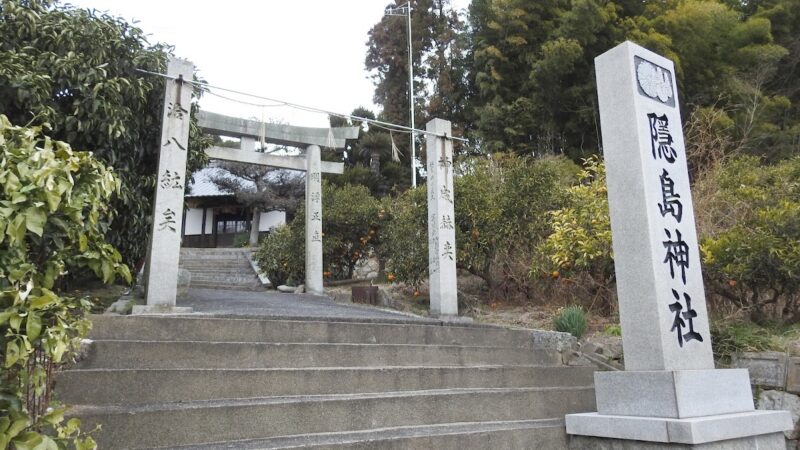
The torii gate is a symbolic structure marking the entrance to a sacred area. Passing through the torii gate signifies stepping from the everyday world into a sacred space.
Annual Events and Festivals
Grand Festival
At Takanomiya Shrine, various festivals and events are held throughout the year. The most important festival is the Grand Festival (Reitaisai), which is usually held in the autumn.
The Grand Festival includes a procession of portable shrines, offerings, and performances by local residents, making it the most lively time at the shrine. Traditional local performing arts are sometimes showcased, making it an important venue for cultural transmission.
First Shrine Visit of the New Year and New Year’s Events
The first shrine visit of the New Year is an important event to pray for safety and happiness throughout the year. From New Year’s Day to the third day, many worshippers visit to offer New Year’s greetings and prayers.
During the New Year period, amulets and protective arrows are available for worshippers to receive and take home, praying for protection throughout the year.
Setsubun Festival and Other Events
During the Setsubun period, traditional events such as bean-throwing are sometimes held. Also, traditional Japanese Shinto rituals, such as the Nagoshi no Oharai (summer purification ceremony), are performed throughout the year.
These events also serve as opportunities for local people to gather and reaffirm their community bonds.
How to Worship and Manners
Basic Worship Etiquette
When visiting a shrine, it is important to observe the following basic etiquette:
- Bow at the Torii Gate: Bow before passing through the torii gate to show respect for entering the sacred area.
- Walking on the Approach: The center of the approach is considered the path of the gods, so it is polite to walk along the sides.
- Procedure for Washing Hands:
- Hold the ladle in your right hand and wash your left hand.
- Switch the ladle to your left hand and wash your right hand.
- Hold the ladle in your right hand again, receive water in your left hand, and rinse your mouth.
- Finally, stand the ladle upright to wash the handle.
- Worship at the Main Hall:
- Quietly place your offering in the offering box.
- Ring the bell if there is one.
- Perform the two bows, two claps, one bow (bowing deeply twice, clapping twice, bowing deeply once).
Clothing and Belongings
There are no specific dress code requirements for visiting a shrine, but clean and modest attire that reflects the sacred nature of the place is desirable. Especially if you are receiving prayers, avoid overly casual clothing.
Even in summer, avoid revealing clothing, and in winter, take proper precautions against the cold.
Photography
Photography is generally permitted on the shrine grounds, but there are places and times when photography is prohibited, such as inside the main hall or during Shinto rituals. If you are unsure, please check with the shrine office or follow the posted notices.
It is also important to be considerate of other visitors and avoid causing them any inconvenience.
Goshuin (Shrine Seals) and Other Items
About Goshuin
Goshuin are seals and calligraphic inscriptions given as proof of visiting a shrine. Takanomiya Shrine may also offer goshuin. If you wish to receive a goshuin, please bring your goshuincho (seal book) and inquire at the shrine office.
It is important to understand that goshuin are a memento of your visit and not something to be collected like a stamp rally. Receiving them with respect is crucial.
Amulets and Lucky Charms
Shrines offer a variety of amulets and lucky charms:
- Traffic Safety Amulet: An amulet for safe driving and cycling.
- Academic Success Amulet: An amulet for success in exams and academics.
- Health Amulet: An amulet for recovery from illness and maintaining good health.
- Exorcism Amulet: An amulet to ward off misfortune and bad luck.
- Good Fortune Amulet: An amulet for overall good fortune.
These items should be treated with care, as they are imbued with the power of the gods.
Returning Old Amulets
It is customary to return amulets and talismans that have protected you for a year to the shrine at the end of the year or the beginning of the new year. Many shrines have a designated place for returning old talismans (kosatsu osamesho).
Access and Parking Information
Location
It is recommended to confirm the exact location of Takanomiya Shrine in advance. Since there may be multiple shrines with the same or similar names within Hiroshima Prefecture, it is important to know the exact location before visiting.
Access by Public Transportation
If using public transportation, check the distance and travel time from the nearest station or bus stop in advance. Depending on the area, bus services may be limited, so checking the timetable is necessary.
Checking access methods and transfer information from Hiroshima City and other major cities in advance will allow for a smoother visit.
Access by Car
If visiting by car, check the route from the nearest highway interchange, travel time, and road conditions. When entering the shrine name into a car navigation system, it is recommended to use the accurate address or phone number.
Parking
The availability and capacity of dedicated parking vary depending on the size of the shrine. Smaller shrines may have limited parking space, so caution is especially needed during festivals and New Year’s visits.
There may also be paid parking nearby, so checking in advance is recommended.
Nearby Tourist Attractions
Major Tourist Destinations in Hiroshima Prefecture
When visiting Takanomiya Shrine, you can also explore other tourist attractions in Hiroshima Prefecture:
World Heritage Sites
Hiroshima Prefecture boasts world-famous cultural heritage sites such as Itsukushima Shrine (Miyajima) and the Atomic Bomb Dome.
Historical Buildings
Hiroshima Castle, Shukkei-en Garden, and many other facilities offer a glimpse into history and culture.
Natural Landscapes
Hiroshima Prefecture’s rich natural beauty, including the stunning scenery of the Seto Inland Sea, mountain valleys, and waterfalls, is another of its attractions.
Local Specialties and Cuisine
Hiroshima Prefecture is known for its various local specialties, such as okonomiyaki, oysters, and lemons. Enjoying the local food culture after your visit is one of the highlights of your trip.
You can also purchase fresh agricultural products and processed goods at local direct sales outlets and roadside stations.
Points to Note When Visiting the Shrine
Seasonal Precautions
Spring/Autumn
This is a relatively pleasant season, but be aware of the temperature difference between morning and evening.
Summer
Due to the high temperature and humidity, be sure to stay hydrated and take breaks to prevent heatstroke. Insect repellent is also effective.
Winter
Take thorough precautions against the cold. If there is snow, be very careful of your footing.
Weather Effects
During rainy weather, the ground can become slippery, so be careful. Be especially careful of falls on stone steps and unpaved paths.
During typhoons or heavy rain, it is recommended to refrain from visiting the shrine or check with the shrine regarding its opening status.
Manners and Mindset
Shrines are places of worship and important places for the local community. Please observe the following points:
- Do not make loud noises
- Take your trash with you
- Do not damage the plants or buildings on the shrine grounds
- Be considerate of other visitors
- Check whether pets are allowed
Connection with the Community
Parishioners and the Local Community
Takanomiya Shrine is supported by local residents called “ujiko” (parishioners). The ujiko organization plays a crucial role in the maintenance and management of the shrine, the operation of festivals, and the transmission of traditions.
The activities of the local community centered around the shrine are an important element in strengthening community bonds even in modern society.
Value as Cultural Assets
The shrine’s buildings, possessions, and traditional events are valuable cultural assets that convey the history and culture of the region. Passing these on to future generations is a responsibility of the entire community.
Visitors are also expected to understand the value of these cultural assets and cooperate in their protection.
The Charm of Takanomiya Shrine
A Space of Tranquility and Healing
Away from the hustle and bustle of the city, the shrine grounds offer a place to calm the mind and find spiritual peace. The sacred atmosphere, experienced through the five senses—the sounds of nature, the feel of the wind, the scent of the trees—releases the stresses of everyday life.
Connection to History
Visiting a shrine allows you to connect with the history of the land and the faith of our ancestors. The traditions passed down through generations offer many lessons for those of us living in the modern age.
The Changing Seasons
Experiencing the seasonal changes in nature is another charm of visiting a shrine. Even the same shrine can present a completely different face depending on the season.
Summary
Takanomiya Shrine (Hiroshima Prefecture) is a historical shrine deeply rooted in the community, attracting the faith of many people. It is a sacred place visited by worshippers seeking various blessings, such as abundant harvests, family safety, and protection from evil.
When visiting a shrine, it is important to observe proper etiquette and manners and to show respect to the deities. Shrines offer many attractions, including the natural surroundings, architecture, and annual events.
If you have the opportunity to visit Hiroshima Prefecture, please consider visiting Takanomiya Shrine. You may find new insights and discoveries by calming your mind in the tranquil grounds and experiencing traditional Japanese religious culture.
Visiting a shrine is not merely sightseeing; it is a precious time to reflect on yourself and reaffirm your gratitude. We hope your visit to Takanomiya Shrine will be a meaningful one.