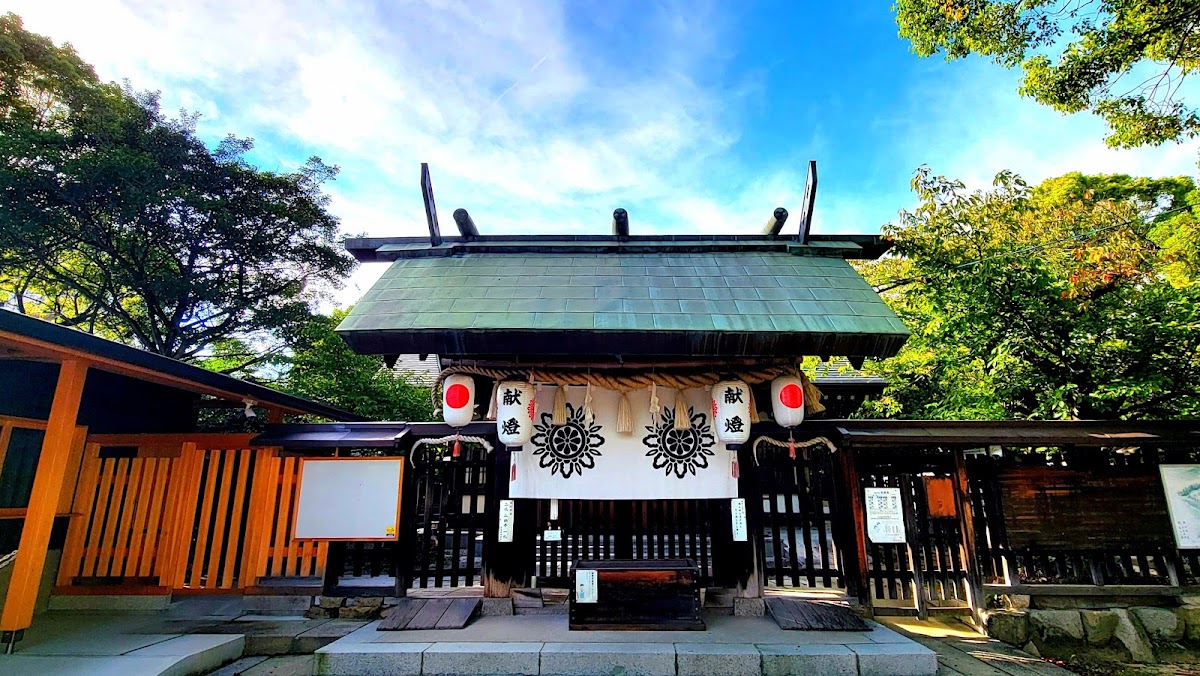
Yasujinja Shrine (Hiroshima City, Hiroshima Prefecture) Complete Guide | History, Goshuin (Shrine Seal), and Access Information
Yasujinja Shrine, located at 2-21-3 Gion, Asaminami-ku, Hiroshima City, Hiroshima Prefecture, is a historic shrine affectionately known locally as “Ogion-san.” Founded in 869 AD (Jōgan 11), this shrine boasts a history of over 1150 years and is known as a venerable shrine that gave rise to the name Gion.
This article provides comprehensive information useful for those considering a visit to Yasujinja Shrine, including its detailed history, enshrined deities, highlights within the grounds, goshuin information, access methods, and nearby attractions.
Basic Information about Yasujinja Shrine
Official Name: Yasujinja Shrine
Location: 2-21-3 Gion, Asaminami-ku, Hiroshima City, Hiroshima Prefecture
Nearest Station: Approximately 7 minutes on foot from Shimo-Gion Station on the JR Kabe Line
Visiting Hours: Open 24 hours (Shrine office open only during the day)
Parking: Available (Free)
Phone Number: 082-874-0191
Although located in a residential area of Hiroshima City, Yasujinja Shrine boasts a magnificent precinct and historical value, attracting many visitors not only from the local community but also from a wide range of worshippers.
History and Origins of Yasujinja Shrine
Founding History
Yasujinja Shrine is said to have been founded in the 11th year of the Jogan era (869 AD). This year coincided with the founding of Kyoto’s Yasaka Shrine (Gion Shrine), and it was a time when the Gion faith, which prayed for the eradication of epidemics, spread throughout Japan.
According to its history, it began with the enshrinement of deities from Izumo in prayer for the protection of the nation. Initially, it was called “Aki no Kuni Gion Shrine” and was positioned as a subsidiary shrine of Kyoto’s Gion Shrine. The existence of this Gion Shrine is the origin of the current place name “Gion.”
Renaming in the Meiji Era
In 1869 (Meiji 2), due to the separation of Shinto and Buddhism, the shrine was renamed from “Gion Shrine” to “An Shrine.” The name “An” is thought to embody the meaning of praying for the peace and safety of the region and its people.
Connection to the Community
For over 1000 years, An Shrine has been the tutelary deity of the Gion area in Asaminami Ward, Hiroshima City, and has been revered by the local residents. This shrine is a place where many people visit to pray at important life events such as New Year’s Day, summer festivals, and Shichi-Go-San (a traditional rite of passage for children).
Deities and Divine Virtues
While several deities are enshrined at Yasujinja Shrine, the main deities are as follows:
Main Deities
- Susanoo-no-Mikoto: God of protection against misfortune and disease
- Kushinada-hime-no-Mikoto: Consort of Susanoo-no-Mikoto, goddess of matchmaking
- Yahashira-no-Mikogami: Children of Susanoo-no-Mikoto
Divine Virtues
The main divine virtues that can be prayed for at Yasujinja Shrine are as follows:
- Protection from Evil and Disaster: Exorcism through the powerful divine power of Susanoo-no-Mikoto
- Prayer for the Eradication of Epidemics and Good Health: Recovery from illness, the foundation of Gion faith
- Matchmaking and Family Safety: Fulfillment of good relationships through Kushinadahime-no-Mikoto
- Business Prosperity: Divine virtue as the guardian deity protecting the prosperity of the region
- Traffic Safety: Prayers for safety in modern life
Highlights of the Shrine Grounds
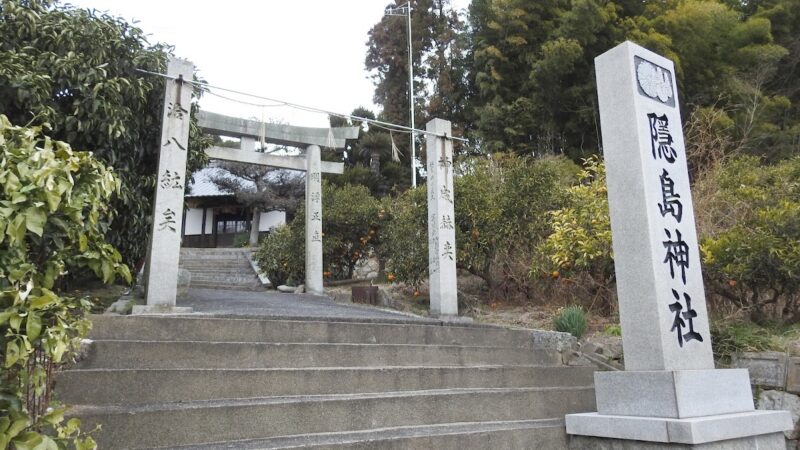
Approach and Torii Gate
The approach to Anjin Shrine maintains a sacred atmosphere despite being located in a residential area. Passing through the magnificent stone torii gate, you enter a shrine grounds enveloped in pure air. Lanterns line both sides of the approach, creating a particularly mystical atmosphere at dusk and during festivals.
Main Hall and Worship Hall
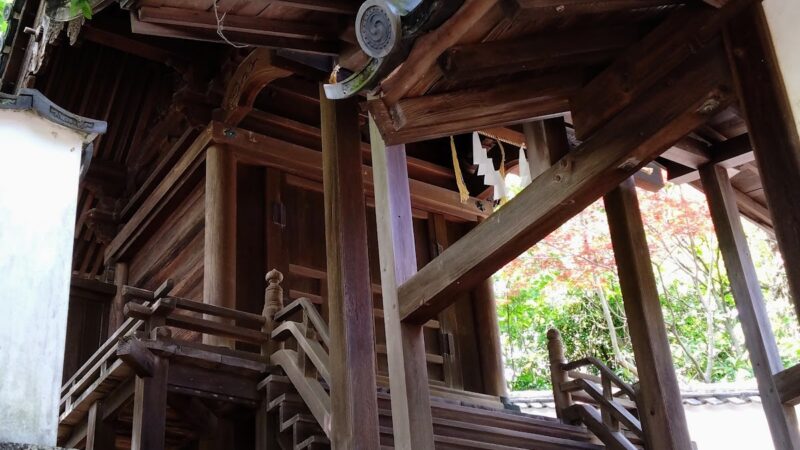
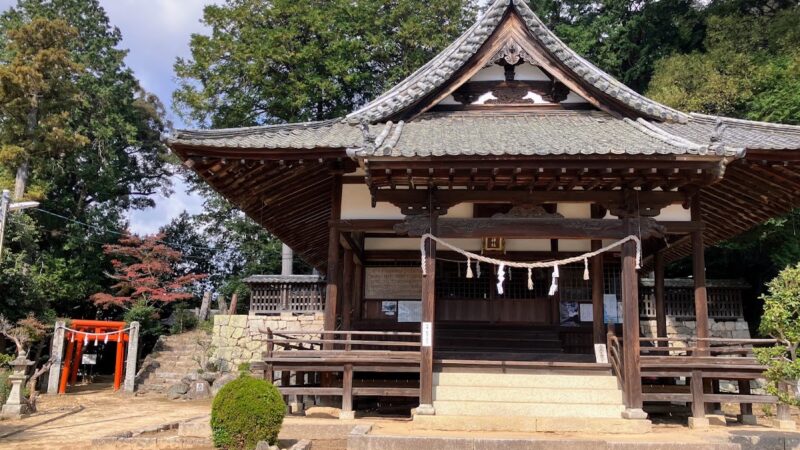
The main hall is built in the traditional shrine architectural style, and the carvings and decorations convey a sense of history. The worship hall is always kept clean as a place for worshippers to offer their prayers. The magnificent shrine building speaks to the deep faith of the local people.
Subsidiary Shrines
In addition to the main shrine, there are several subsidiary shrines within the grounds of Yasujinja Shrine.
- Warei Shrine: Dedicated to Warei-no-Okami, known as the god of maritime safety and fishing.
- Inari Shrine: Dedicated to the god of business prosperity and abundant harvests.
- Other Subsidiary Shrines: Small shrines that attract local faith.
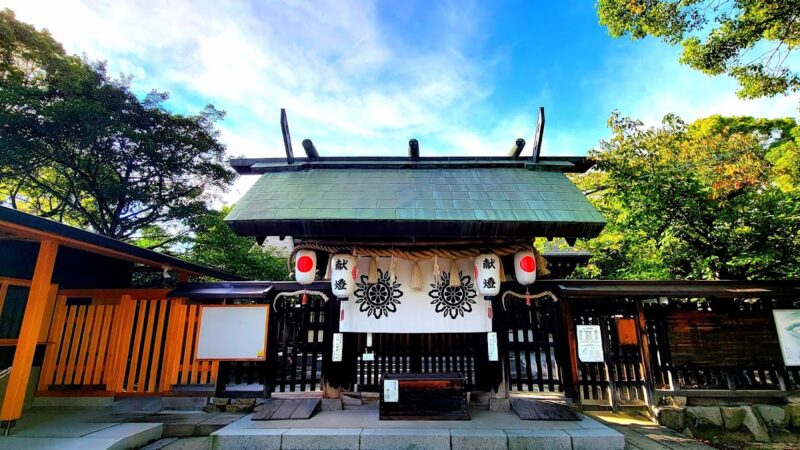
Warei Shrine, in particular, has a magnificent shrine building and attracts local faith.
Sacred Trees and Nature
The shrine grounds are home to many magnificent, ancient trees, allowing visitors to experience abundant nature despite being in an urban area. The greenery of the grounds, which shows different expressions with each season, is a source of solace for worshippers.
Water Basin
A water basin for purification is also provided, allowing visitors to cleanse their minds and bodies according to the proper etiquette before worship. ## Goshuin (Shrine Seal) Information
About the Issuance of Goshuin
Anjinja Shrine offers goshuin. You can receive a handwritten goshuin if you visit during the shrine office’s opening hours.
Offering Fee: Approximately 300-500 yen
Issuance Hours: Approximately 9:00 AM to 5:00 PM (approximate)
Notes: Since staff may be absent, it is recommended to call ahead to confirm if you wish to receive a goshuin.
Goshuin Design
Anjinja Shrine’s goshuin features the calligraphy and red seal of “Anjinja Shrine.” It is characterized by a simple yet powerful brushstroke, conveying the shrine’s history and prestige.
About Goshuincho (Shrine Seal Book)
Please inquire at the shrine office during your visit regarding the availability of Anjinja Shrine’s original goshuincho.
Annual Events and Festivals
New Year’s Visit
Every year from January 1st to 3rd, many worshippers visit the shrine for their first shrine visit of the year. As the local guardian deity, the shrine is bustling with people praying for safety and prosperity in the new year.
Summer Festival (Gion Festival)
The most important festival of Yasujinja Shrine is the Gion Festival, held in the summer. This traditional festival prays for the eradication of disease, and local residents participate in full force. The procession of portable shrines and offering ceremonies are held, making it a summer tradition in the Gion area.
Autumn Grand Festival
In autumn, the Grand Festival is held to give thanks for a bountiful harvest and the prosperity of the region.
Other Events
- Setsubun Festival: Bean-throwing ceremony held on Setsubun in February
- Shichi-Go-San: Many families pray for their children’s growth in November
- Monthly Festival: Regular monthly festival
Access
Access by Train
Approximately 7 minutes on foot from JR Kabe Line “Shimo-Gion Station”
After exiting Shimo-Gion Station, head north and you will arrive at Anjinja Shrine after passing through a residential area. The route from the station is relatively easy to follow, and there are signs.
- Approximately 15 minutes from Hiroshima Station on the JR Kabe Line
- Approximately 10 minutes from Yokogawa Station
Access by Bus
Hiroshima Bus and Hiroden Bus routes pass through the Gion area. It is within walking distance from bus stops such as “Gion Branch Office.”
Access by Car
Approximately 5 minutes from the Gion Shinbashi Interchange on Hiroshima Expressway Route 4
Approximately 20 minutes by car from central Hiroshima. For car navigation, please enter “2-21-3 Gion, Asaminami-ku, Hiroshima City, Hiroshima Prefecture” or “Yasujin Shrine”.
Parking Information
Yasujin Shrine has free parking for visitors. However, congestion is expected during New Year’s visits and festivals, so using public transportation is recommended.
Nearby Spots and Recommended Information
Charm of the Gion District
The Gion district, where Yasujin Shrine is located, has developed as a central residential area in Asaminami-ku, Hiroshima City. There are many shopping streets and restaurants around the shrine, making it suitable for strolling after your visit.
Nearby Shrines and Temples
When visiting Yasujin Shrine, it is also recommended to visit other shrines and temples in Hiroshima City.
- Hiroshima Gokoku Shrine: One of the prefecture’s leading shrines, located within Hiroshima Castle.
- Itsukushima Shrine: Miyajima, a World Heritage Site (approximately 1 hour by car).
- Hayatani Shrine: An ancient shrine famous for traffic safety.
Food & Rest Spots
The Gion district has numerous Hiroshima-style okonomiyaki restaurants, cafes, and other eateries. Convenient for meals and rest after visiting the shrine.
Shopping
Large commercial facilities such as Aeon Mall Hiroshima Gion are nearby, allowing you to enjoy shopping in conjunction with your visit.
A Holy Site for Perfume Fans
Yasushi Shrine is also known as a place associated with A-chan (Ayaka Nishiwaki), a member of the popular techno-pop unit “Perfume,” who hails from Hiroshima Prefecture. A-chan is from the Gion district and is said to have participated in events such as New Year’s visits and Shichi-Go-San (a traditional Japanese rite of passage for children) at Yasushi Shrine.
Therefore, it is recognized as a “sacred place” among Perfume fans, and fans from all over the country sometimes visit to pay their respects. However, please remember that it is a sacred place and be mindful of proper etiquette during your visit.
Manners and Etiquette for Visiting a Shrine
Basic Visiting Etiquette
- Passing through the Torii Gate: Bow before entering the shrine grounds.
- Purifying at the Water Basin: Purify your left hand, then your right hand, then your mouth.
- Walking the Path: Walk along the sides, as the center is the path for the gods.
- Etiquette at the Main Hall: Two bows, two claps, one bow (two bows, two claps, one bow).
- When Leaving: Turn around and bow after exiting the Torii Gate.
Photography
Photography is generally permitted within the shrine grounds, but permission from the Shinto priests is required for certain areas, such as inside the main hall. Please be considerate of other visitors.
Attire
While casual attire is acceptable for visiting the shrine, it is advisable to avoid overly casual or revealing clothing.
Summary of the Charms of Yasujinja Shrine
Yasujinja Shrine, located at 2-21-3 Gion, Asaminami-ku, Hiroshima City, Hiroshima Prefecture, is a venerable shrine with a history of over 1150 years. Affectionately known as “Ogion-san” by the local community, it is an important shrine that is the origin of the name Gion, and continues to attract the faith of many people.
The magnificent grounds, the divine blessings for warding off evil and disease, the nature that changes with the seasons, and the warm atmosphere rooted in the community are major attractions of Yasujinja Shrine. Its convenient location, approximately a 7-minute walk from Shimo-Gion Station, also makes it easy to visit.
When you visit Hiroshima City, be sure to visit Yasujinja Shrine and experience the sacred atmosphere nurtured by its long history. Yasujinja Shrine warmly welcomes visitors at any time, whether for New Year’s prayers, warding off evil, finding love, or expressing daily gratitude.
Frequently Asked Questions
Q1: Can I get a Goshuin (shrine stamp) at Yasujinja Shrine anytime?
A1: You can get a Goshuin during the hours the shrine office is open (generally from 9:00 AM to 5:00 PM), but there may be times when the staff is absent. If you want to be sure to get a Goshuin, we recommend calling ahead to confirm.
Q2: Is there a parking lot at Yasujinja Shrine?
A2: Yes, there is a free parking lot for visitors. However, congestion is expected during New Year’s and festivals, so please consider using public transportation.
Q3: How is Yasujinja Shrine pronounced?
A3: It is pronounced “Yasujinja.” Locally, it is affectionately known as “Ogion-san.”
Q4: How long does it take to get from Shimo-Gion Station to Yasujinja Shrine? **
A4: It’s about a 7-minute walk from Shimo-Gion Station on the JR Kabe Line. The shortest route is to head north after exiting the station.
Q5: Can I have a wedding ceremony at Yasujinja Shrine?
A5: Please contact the shrine directly regarding the possibility of Shinto wedding ceremonies. The phone number is 082-874-0191.
Q6: When was Yasujinja Shrine founded?
A6: It is said to have been founded in 869 AD (Jōgan 11), making it an ancient shrine with a history of over 1150 years.
Q7: What are the main divine blessings of Yasujinja Shrine?
A7: It offers divine blessings such as protection from evil, eradication of disease, matchmaking, family safety, and business prosperity. In particular, as a shrine of the Gion faith that enshrines Susanoo-no-Mikoto, it is strongly revered for protection from evil and eradication of disease.
Q8: Can I visit Yasujinja Shrine 24 hours a day?
A8: While you can enter the shrine grounds 24 hours a day, the shrine office is only open during the daytime. If you wish to receive a Goshuin (shrine stamp) or prayers, we recommend visiting during the daytime.