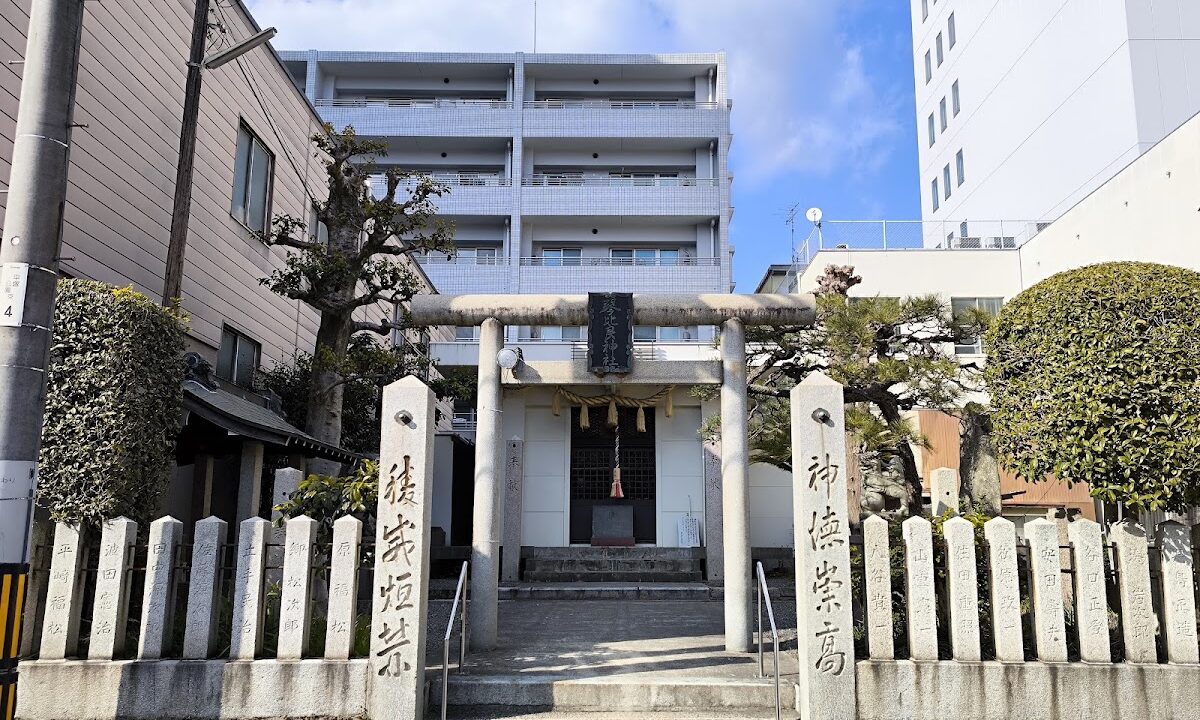
Complete Guide to Kotohira Shrine (Hiroshima Prefecture) | History, Benefits, Cultural Properties, and Visiting Information
There are several Kotohira Shrines in Hiroshima Prefecture, each with a long history as a center of local faith. This article provides a detailed explanation of the history, enshrined deities, cultural properties, and visiting information, focusing on the Kotohira Shrine in Mukaihara-cho, Akitakata City, and the Kotohira Shrine in Naka-ku, Hiroshima City.
Table of Contents
- Overview of Kotohira Shrine
- Kotohira Shrine in Mukaihara-cho, Akitakata City
- Kotohira Shrine in Naka-ku, Hiroshima City
- Enshrined Deities and Benefits
- Cultural Properties and Architectural Features
- Annual Festivals and Temple Fairs
- Visiting Information and Access
- Related Shrines in the Surrounding Area
Overview of Kotohira Shrine
Kotohira Shrine is a shrine that was established by inviting the deity from Kotohira-gu Shrine in Sanuki Province (present-day Kagawa Prefecture), and there are several such shrines in Hiroshima Prefecture. Affectionately known as “Konpira-san,” it is renowned for its blessings of maritime safety, business prosperity, and abundant harvests.
In Hiroshima Prefecture, the Kotohira Shrine in Mukaihara-cho, Aki-Takata City, is particularly noteworthy, designated as an Important Cultural Property, and its unique architectural style attracts attention. Furthermore, a historic Kotohira Shrine stands in Naka-ku, Hiroshima City, and is revered by local residents.
The Spread of Konpira Faith
During the Edo period, pilgrimages to Kotohira-gu Shrine in Sanuki became popular nationwide, and “Konpira-mairi” (pilgrimage to Konpira) was a dream for ordinary people. With the spread of this faith, Konpira Shrines were established in various locations, and several Kotohira Shrines were founded within Hiroshima Prefecture. In some areas, they were affectionately known as “Saka no Konpira-san” (Konpira-san on the Slope), and their festival days were bustling with many worshippers.
Kotohira Shrine in Mukaihara-cho, Akitakata City
History and Origins
Kotohira Shrine, located in Mukaihara-cho, Akitakata City, is said to have been established in 1700 (Genroku 13) by the Shinto priest Aoyama Izumi-no-kami, who invited the deity from Konpira Shrine in Sanuki Province. This history indicates a history of over 320 years, reflecting the deep faith in the region.
Affectionately known as “Saka no Konpira-san” by local residents, it was particularly lively on festival days, attracting many worshippers. It is a valuable shrine where faith has been passed down through the Edo, Meiji, Taisho, Showa, Heisei, and Reiwa eras.
Destruction and Reconstruction of the Main Hall
A significant turning point in the history of Kotohira Shrine was the destruction of the main hall by fire in 1877 (Meiji 10). This disaster resulted in the loss of the shrine buildings that had been preserved since the Edo period. However, thanks to the strong faith of the local people, the main hall was rebuilt in March 1879 (Meiji 12).
This reconstruction project demonstrates the strong unity and faith of the local community, and the shrine buildings that stand today were constructed during this period. More than 140 years have passed since the reconstruction, but proper maintenance has preserved its original appearance.
Shrine Building Designated as an Important Cultural Property
The Kotohira Shrine building in Mukaihara-cho, Akitakata City, has been recognized for its architectural value and designated as an Important Cultural Property of Akitakata City.
Architectural Features
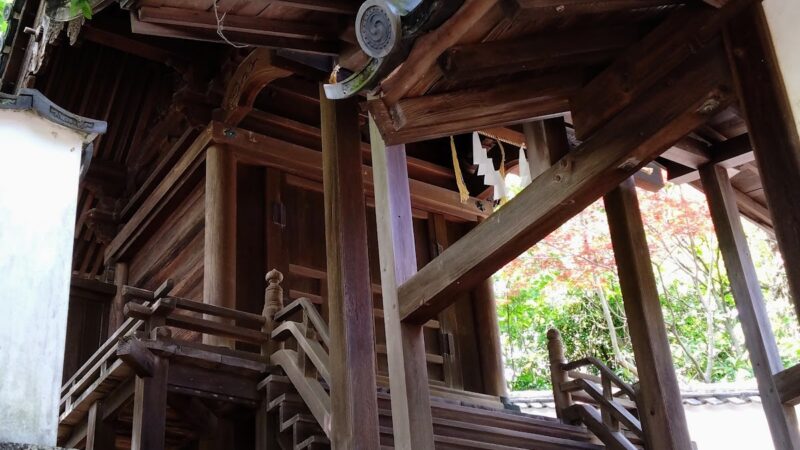
The main hall is a building measuring one ken square (approximately 1.8 meters square), characterized by a unique construction method that skillfully combines square timbers of zelkova and cypress. This structure is a traditional wooden construction technique called “masugumi,” employing advanced techniques to join wood without using nails. Although rebuilt during the Meiji era, it inherits traditional architectural styles passed down from the Edo period, making it a valuable building that demonstrates the high level of skill of the shrine carpenters of that time. The structure, which utilizes the characteristics of different types of wood—zelkova and cypress—combines durability and beauty.
Cultural Property Value
The reasons why the Kotohira Shrine main hall is designated as an Important Cultural Property are as follows:
- Unique Architectural Techniques: The unique method of joining using square-shaped timbers demonstrates the regional architectural culture.
- Meiji Era Reconstruction Techniques: A valuable example that conveys the shrine carpentry techniques of the Meiji era.
- Excellent Condition: It retains its original appearance even after more than 140 years.
- Regional Historical Value: A building symbolizing the religious culture of Mukaihara Town.
Shrine Grounds
The grounds of Kotohira Shrine are located on the mountainside, and the main hall is reached by climbing the approach path. The name “Saka no Konpira-san” (Konpira on the Slope) originates from this topographical feature. From the shrine grounds, one can enjoy views of the surrounding rural landscape, creating a tranquil environment for worship.
Ancient trees flourish around the shrine, creating a landscape that evokes a long history. The shrine grounds, which display different expressions with each season, are also a beloved place of relaxation for local residents.
Kotohira Shrine, Naka Ward, Hiroshima City
History and Changes in Location
Kotohira Shrine, located in Naka Ward, Hiroshima City, is said to have been established during the Keicho era (1596-1615), potentially predating the Kotohira Shrine in Aki-Takata City.
It was formerly known as Konpira-do and was located in Kokutaiji Village. Later, during the time of Asano Nagaakira, the first lord of the Asano domain, records indicate that it was moved to Shimoyanagi-cho along with Matsuoin Temple. This relocation is thought to be related to the development of the Hiroshima castle town.
Deities and Beliefs
The main deity enshrined at Kotohira Shrine in Naka Ward, Hiroshima City, is Okuninushi-no-Okami. Okuninushi-no-Okami is also known as the main deity of Izumo Taisha Shrine, and is believed to bestow the following blessings:
- Business Prosperity: Success and prosperity in commercial activities
- Family Safety: Health and peace for the family
- Wish Fulfillment: Realization of various wishes
- Protection of Crops: Abundant harvests and agricultural development
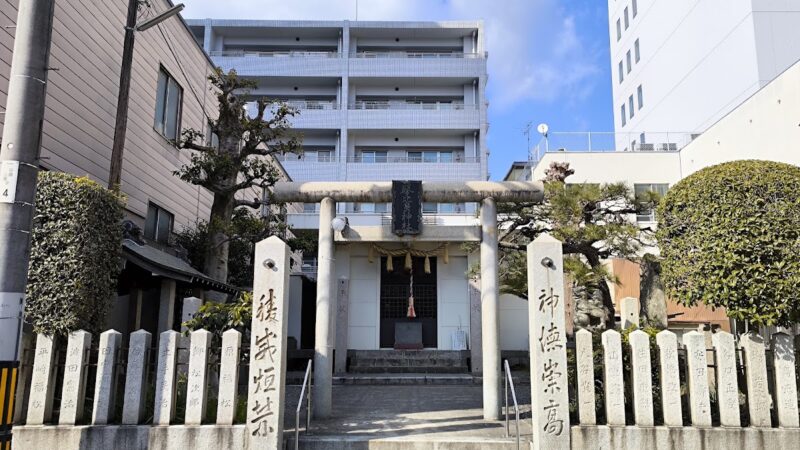
As Kotohira Shrine is located in an urban area, it attracts many worshippers, especially those seeking blessings for business prosperity.
Beliefs in Modern Times
Kotohira Shrine in Naka Ward, Hiroshima City, continues to be revered as the local guardian deity. Even amidst increasing urbanization, it plays an important role as a center of faith for local residents, attracting many worshippers during New Year’s visits and annual festivals.
Deities and Benefits
Deities of Kotohira Shrine
The deities enshrined at Kotohira Shrine are those associated with Kotohira-gu Shrine in Sanuki Province, where it was originally established:
- Ōmononushi-no-kami: The principal deity of Kotohira-gu Shrine
- Emperor Sutoku: A co-enshrined deity of Kotohira-gu Shrine
- Ōkuninushi-no-Ōkami: The principal deity of Kotohira Shrine in Naka Ward, Hiroshima City
These deities, each possessing different divine virtues, are worshipped as gods who protect all aspects of people’s lives.
Main Benefits
The main benefits you can pray for at Kotohira Shrine are as follows:
- Safety at Sea and Traffic: The fundamental benefit of Konpira worship
- Business Prosperity: Success in commercial activities and business development
- Abundant Harvest: Abundant crops and agricultural prosperity
- Family Safety: Family health and peace in the home
- Healing from Illness: Recovery of health and protection from illness
- Matchmaking: Success in finding a good partner and harmonious relationships
- Fulfillment of Wishes: Realization of various wishes
Cultural Property and Architectural Features
Designated Important Cultural Property of Aki-Takata City
The main hall of Kotohira Shrine in Mukaihara-cho, Aki-Takata City, is designated as an important cultural property of the city and has the following features:
Structure and Materials
- Scale: 1 ken square (approximately 1.8 meters x 1.8 meters)
- Main Materials: Zelkova and Hinoki cypress
- Architectural Style: Masu-gumi structure using square-shaped timbers
- Construction Date: Rebuilt in Meiji 12 (1879)
Technical Features
The technique of combining square-shaped timbers has the following advantages:
- Earthquake Resistance: A structure resistant to earthquakes, utilizing the elasticity of wood
- Durability: Long-term preservation is possible through appropriate wood selection
- Aesthetic Appeal: The combination of wood forms a beautiful geometric pattern
- Inheritance of Traditional Techniques: Demonstrates the techniques of temple carpenters passed down from the Edo period
Zelkova is hard and highly durable, while Hinoki cypress is easy to process and has a pleasant fragrance; the materials were selected to utilize the characteristics of each.
Preservation and Maintenance
The Kotohira Shrine building, designated as an Important Cultural Property, is managed by the Aki-Takada City Board of Education and appropriate preservation measures are taken. Through regular inspections and necessary repairs, it is maintained as a valuable cultural asset that conveys Meiji-era architectural techniques to the present day.
Annual Festivals and Fairs
Main Festivals
Kotohira Shrine holds various festivals throughout the year:
Grand Festival
The Grand Festival, held at a fixed time each year, is the most important festival for Kotohira Shrine. Local residents gather, and the festival includes a procession of the portable shrine and dedication ceremonies. On the day of the festival, stalls line the shrine grounds, and it is bustling with many worshippers.
Fairs
Kotohira Shrine in Aki-Takada City, affectionately known as “Saka no Konpira-san,” used to hold regular fairs, attracting many worshippers. These fairs featured the sale of agricultural products and daily necessities, and also functioned as a place for community interaction.
Other Annual Events
- Hatsumode: New Year’s visit to the shrine
- Setsubun Festival: Bean-throwing and prayer for protection against evil
- Spring Grand Festival: Prayer for a bountiful harvest
- Autumn Grand Festival: Harvest thanksgiving festival
Religious Traditions
Kotohira Shrine’s faith inherits traditions unique to Konpira worship:
Prayer for Maritime Safety
Prayer for maritime safety, a core element of Konpira worship, has been considered important even in inland Hiroshima Prefecture. This reflects the significant role that maritime transport through the Seto Inland Sea played in the regional economy.
Prayer for Business Prosperity
Since the Edo period, Kotohira Shrine has played an important role as a place where merchants and craftsmen prayed for business prosperity. Even today, many worshippers visit to pray for business success.
Protection of Agriculture
The protection of abundant harvests and crops is a traditional belief that has continued since the time when agriculture was the main industry. Festivals are held during the spring planting season and the autumn harvest season to pray for and give thanks for a bountiful harvest.
Visiting Information and Access
Kotohira Shrine, Mukaihara-cho, Akitakata City
Location
Mukaihara-cho, Akitakata City, Hiroshima Prefecture
Access
- By Car: Approximately 10 minutes from Mukaihara IC on the Chugoku Expressway
- By Public Transportation: Taxi or walking from Mukaihara Station on the JR Geibi Line
Visiting Hours
Grounds are freely accessible (only the exterior of the shrine building can be viewed)
Inquiries
Akitakata City Board of Education, Cultural Properties Section
Kotohira Shrine, Naka-ku, Hiroshima City
Location
Naka-ku, Hiroshima City, Hiroshima Prefecture
Access
- By Tram: Walking distance from the nearest Hiroshima Electric Railway line
- By Bus: Walking distance from the nearest Hiroshima Bus stop
Visiting Hours
Grounds are freely accessible
Manners for Visiting Shrines
Please observe basic manners for visiting shrines:
- Bow at the Torii Gate: Bow before passing through the torii gate.
- Purification at the Water Basin: Purify your left hand, right hand, and mouth in that order.
- Proper Worship Etiquette: Two bows, two claps, one bow.
- Behavior within the Shrine Grounds: Be quiet and considerate of other worshippers.
Goshuin (Shrine Seal) Information
For information on obtaining goshuin at Kotohira Shrines, please inquire at the shrine office of each shrine. The number of worshippers seeking goshuin at Kotohira Shrines in Hiroshima City is increasing.
Related Shrines in the Surrounding Area
Around Aki-Takata City
In addition to Kotohira Shrine, Aki-Takata City has many other historical shrines:
- Shrines around Koriyama Castle Ruins: Historical sites and shrines associated with the Mori clan
- Shrines in Yoshida Town: Shrines worshipped as local guardian deities
Around Naka Ward, Hiroshima City
Many shrines are located in Naka Ward, Hiroshima City:
- Hiroshima Gokoku Shrine: A large shrine within Hiroshima Castle Ruins Park
- Sumiyoshi Shrine: Deity of maritime safety
- Tsuruhane Shrine: Located at the foot of Futaba Mountain
Kotohira Shrines in the Setouchi Region
There are other Kotohira Shrines in Hiroshima Prefecture:
- Seto Kotohira Shrine: Another Kotohira Shrine in Hiroshima City
- Other Kotohira Shrines in Various Locations
These shrines also have a history of being established through the enshrinement of deities from Kotohira-gu Shrine in Sanuki Province, and they continue to attract local devotion.
Summary
The Kotohira Shrines in Hiroshima Prefecture are valuable examples of the regional development of the Konpira faith, which spread throughout Japan during the Edo period. In particular, the Kotohira Shrine in Mukaihara-cho, Aki-Takata City, has a unique architectural style rebuilt during the Meiji era and is designated as an Important Cultural Property, making it of high architectural historical value.
Its history of being affectionately known as “Saka no Konpira-san” by local residents, and the large number of worshippers who flocked to the shrine on its festival days, speaks to the importance of the shrine to the local community. Kotohira Shrines, which offer blessings closely related to people’s lives such as business prosperity, maritime safety, and abundant harvests, continue to attract devotion even today.
The Kotohira Shrine in Naka-ku, Hiroshima City, has also served as a center of faith in urban areas, accompanying local residents throughout its long history. Kotohira Shrine, dedicated to Okuninushi-no-Okami as its principal deity, is known for its blessings of business prosperity and family safety.
When visiting Kotohira Shrine, understanding its history and cultural value, and offering respectful worship, will lead to a deeper experience. Kotohira Shrine, steeped in local history and faith, is a cultural heritage of Hiroshima Prefecture that should be carefully preserved and passed down to future generations.