Complete Guide to Hijiyama Shrine | History and Blessings of Hiroshima’s Power Spot for Matchmaking and Protection from Evil
Hijiyama Shrine, located in Hijiyama-cho, Minami-ku, Hiroshima City, is a historic shrine dedicated to Okuninushi-no-Okami. Known for its blessings of matchmaking, protection from evil, and business prosperity, it is designated as a Special Shrine by the Association of Shinto Shrines. This article comprehensively introduces information you should know before visiting, from the history of Hijiyama Shrine to its enshrined deities, annual events, and access methods.
What is Hijiyama Shrine?
Hijiyama Shrine is located in Hijiyama-cho, Minami-ku, Hiroshima City, Hiroshima Prefecture. Formerly a village shrine, it is now a highly prestigious shrine designated as a Special Shrine by the Association of Shinto Shrines. Situated at the foot of Hijiyama Park within the city, it is affectionately known as “Hijiyama-san” by local residents.
A Special Shrine is a special shrine designated by the Association of Shinto Shrines, and there are only about 80 such shrines nationwide. Only a few shrines in Hiroshima Prefecture, including Hijiyama Shrine, have received this designation, recognizing their historical and religious importance.
Status as a Special Shrine
The reason Hijiyama Shrine is designated as a Special Shrine lies in its long history and the depth of faith it enjoys in the region. Records show that it was officially revered, receiving annual donations from the feudal government during the Edo period. Even today, it attracts the faith of Hiroshima citizens, with many visitors coming for New Year’s prayers, Shichi-Go-San (a traditional rite of passage for children), and exorcisms.
History of Hijiyama Shrine
Hijiyama Shrine has a long history, dating back to the Middle Ages. Initially, it was called “Oubata Daimyojin” and was located in the valley south of Hijiyama (commonly known as “Oubata Valley”).
Relocation and Development in the Edo Period
In 1646 (Shoho 3), it was moved to its current location and became the guardian shrine of Shorakuji Temple. This relocation is thought to have been related to the development of Hiroshima Castle town in the early Edo period. After its relocation, Hijiyama Shrine became a center of worship for the surrounding area, serving as the tutelary deity.
During the feudal period, it was worshipped as the tutelary deity for neighboring towns and villages such as Inarimachi Sankumi, Higashiyanagimachi, Shimodanbara Village, Takeyamachi Minamiura, Hiratsuka, and Takeyama Village, and received generous protection from the feudal government. Records show that it was an object of public reverence, with annual donations being made.
Renaming in the Meiji Era
Due to the Meiji-era separation of Shinto and Buddhism, the shrine was renamed from “Oubata Daimyojin” to “Hijiyama Shrine.” During this period, it was elevated to the rank of a village shrine, establishing its position as a central shrine in the region.
Atomic Bombing Damage and Post-War Reconstruction
On August 6, 1945, the atomic bombing caused immense damage to Hijiyama Shrine, and its main building was destroyed by fire. However, with the enthusiastic efforts of parishioners and local residents during the post-war reconstruction, the shrine was rebuilt, and the current building was constructed in the 1950s.
This history of reconstruction can be considered one of the symbols of Hiroshima’s post-war recovery, and it speaks to the depth of faith of the local people.
Deities and Blessings
Hijiyama Shrine enshrines five deities, each believed to bring different blessings.
Main Deity: Okuninushi-no-Okami
Okuninushi-no-Okami, the main deity, is a god of matchmaking, also known as the deity enshrined at Izumo Taisha Shrine. Known in the myth of nation-building, he is believed to bring blessings for matchmaking due to his marriage to many goddesses. He is also widely known for blessings of business prosperity, family safety, and recovery from illness.
Enshrined Deities
Sukunabiko-no-Kami
A god who worked with Okuninushi-no-Okami in nation-building, he is worshipped as the god of medicine, hot springs, and sake brewing. He brings blessings for academic success and recovery from illness.
Ichikishima-hime no Kami
One of the three Munakata goddesses, known as the goddess of beauty. Offers blessings for improvement in performing arts, traffic safety, and financial fortune.
Susanoo no Kami
A heroic god known for the myth of slaying Yamata no Orochi, offering blessings for protection against misfortune, eradication of disease, and abundant harvests.
Kurumazaki Daimyojin
The enshrined deity of Kurumazaki Shrine in Kyoto, worshipped as the god of performing arts and learning. Also known as the god who keeps promises.
Main Blessings
Hijiyama Shrine is said to offer the following blessings:
- Matchmaking: For romantic success and finding a good partner
- Exorcism: For warding off evil during unlucky years and protection from disasters
- Family Safety: For the health and peace of the family
- Business Prosperity: For business development and success
- Traffic Safety: For protection from traffic accidents
- Academic Success: For passing exams and improving academic performance
- Healing from Illness: For recovery from illness
Shrine Grounds Guide
Although located in the city center, Hijiyama Shrine maintains a quiet and peaceful atmosphere.
Shrine Buildings
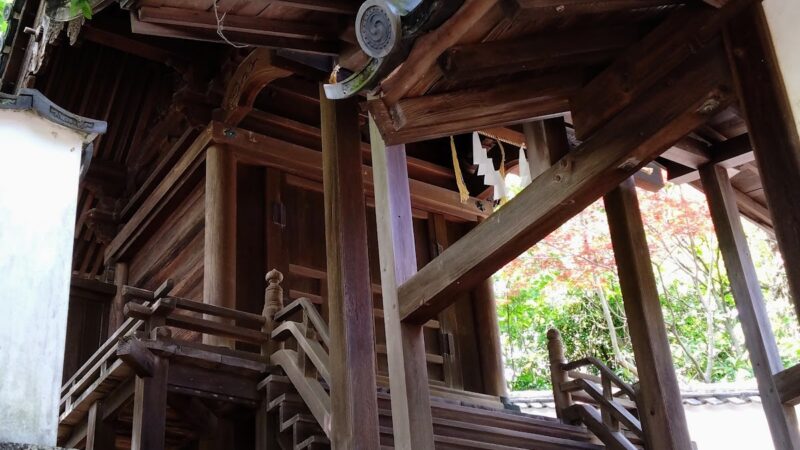
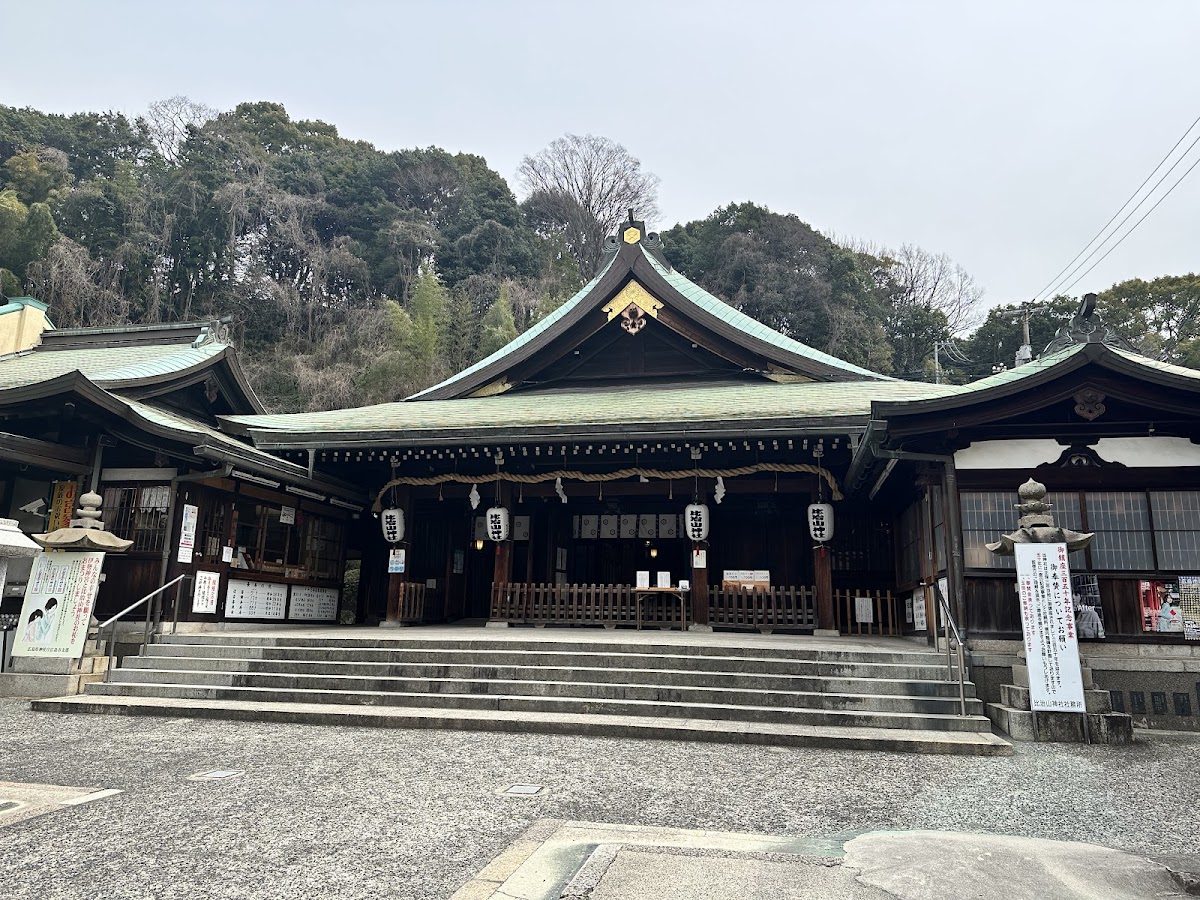
The current shrine buildings were rebuilt in the 1950s and incorporate traditional shrine architectural styles. A magnificent offering box stands in front of the worship hall, and the main sanctuary is located behind it.
Water Basin
As you proceed along the approach to the shrine, you will find a water basin on your right. Before praying, please purify your hands and mouth here before proceeding to the main sanctuary.
Subsidiary Shrines
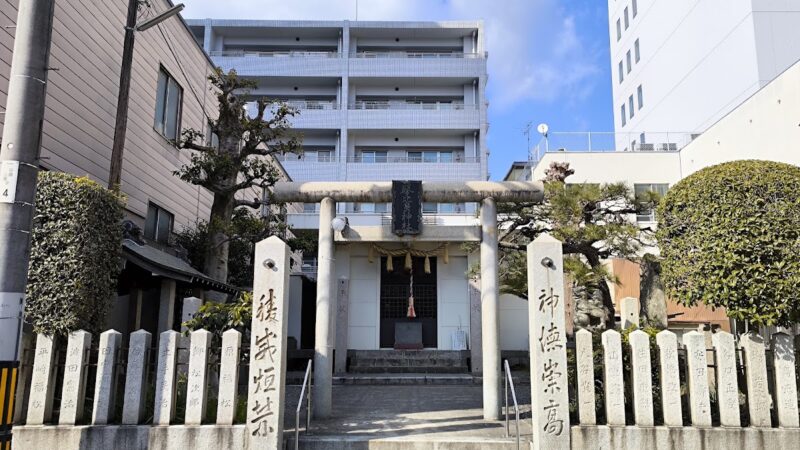
Besides the main shrine, several subsidiary shrines are enshrined within the grounds, each dedicated to a different deity. If you have time, we recommend visiting these subsidiary shrines as well.
Annual Regular Events and Festivals
Hijiyama Shrine holds various festivals and events throughout the year.
Main Annual Events
New Year’s Company Safety Prayer Ceremony (January)
This ceremony celebrates the arrival of the new year and prays for the safety and prosperity of companies and organizations throughout the year. Many company representatives attend.
Setsubun Festival (February)
This festival, held on Setsubun (February 3rd), is a ceremony to ward off evil spirits and includes bean-throwing.
Spring Grand Festival (Spring)
This grand festival, held in spring, may include a portable shrine procession.
Shichi-Go-San Festival (November)
Many families visit the shrine during the Shichi-Go-San festival, which celebrates the growth of children. The shrine office accepts prayers for Shichi-Go-San (a traditional Japanese rite of passage for children).
Autumn Grand Festival (Autumn)
A grand festival to give thanks for the autumn harvest, and one of the important local festivals.
Year-End Purification Ceremony (December 31st)
A Shinto ritual to purify and cleanse away the impurities of the year, held on New Year’s Eve.
Monthly Festival
A monthly festival is held every month, and Shinto priests recite prayers.
About Prayers
Hijiyama Shrine accepts various types of prayers.
Types of Prayers
- Prayer for Protection from Misfortune
- Prayer for Family Safety
- Prayer for Business Prosperity
- Prayer for Traffic Safety
- Prayer for Success in Exams/Academic Achievement
- Prayer for Recovery from Illness
- Prayer for Safe Childbirth
- First Shrine Visit for a Newborn
- Shichi-Go-San Ceremony
- Prayer for Finding a Partner
Reception Hours
Prayers and Goshuin (temple/shrine stamps) are accepted from 9:00 AM to 4:30 PM. Advance reservations are not required, but we recommend contacting us in advance if you wish to request group prayers or on-site prayers.
On-site Prayers
Hijiyama Shrine also offers on-site prayers, such as ground-breaking ceremonies and house purification ceremonies. Please contact the shrine office for details.
About Goshuin
Hijiyama Shrine offers Goshuin. Goshuin are popular among many visitors as proof of their visit to the shrine and as a record of their faith.
Goshuin (Shrine Seal) Reception
Goshuin are available at the shrine office from 9:00 AM to 4:30 PM. The offering fee is a standard amount; please inquire directly at the shrine office.
Goshuincho (Shrine Seal Book)
An original Hijiyama Shrine goshuincho is also available. The design reflects the shrine’s characteristics and makes a memorable souvenir.
Amulets and Souvenirs
Hijiyama Shrine offers a variety of amulets and souvenirs.
Main Amulets
- Matchmaking Amulet: For those wishing for a good relationship
- Exorcism Amulet: For those in their unlucky year or seeking protection from misfortune
- Traffic Safety Amulet: For cars and bicycles
- Academic Success Amulet: For students and those taking exams
- Health Amulet: For recovery from illness and maintaining good health
- Business Prosperity Amulet: For those running a business
Other Items Available
Ema (votive tablets), omikuji (fortune slips), hama-ya (demon-repelling arrows), kumade (rakes), and other seasonal items are also available.
Access
Hijiyama Shrine is located in the city center of Minami-ku, Hiroshima City, and is easily accessible by public transportation.
Access by Train
Using Hiroshima Electric Railway (Streetcar)
- Approximately 5 minutes on foot from Hijiyamashita tram stop
- Approximately 7 minutes on foot from Danbara-itchome tram stop
From Hiroshima Station, the most convenient route is to take Line 5 (bound for Hiroshima Port) and get off at Hijiyamashita tram stop.
Access by Bus
Various Hiroshima Bus routes pass through the area, and the shrine is accessible within a few minutes’ walk from the nearest bus stop.
Access by Car
From Hiroshima Station
Approximately 10 minutes from Hiroshima Station. Take National Route 2 towards Hijiyama.
Parking
The shrine has a parking lot for visitors. However, it can become full during peak seasons such as New Year’s and Shichi-Go-San (a traditional Japanese rite of passage for children), so using public transportation is recommended.
Address
3-10-9 Danbara, Minami-ku, Hiroshima City, Hiroshima Prefecture 732-0811
Nearby Attractions
There are several sightseeing spots near Hijiyama Shrine that you might want to visit.
Hijiyama Park
Hijiyama Park, within walking distance of the shrine, is a viewpoint offering panoramic views of Hiroshima city. It is also known as a famous cherry blossom viewing spot in spring, attracting many visitors.
Hiroshima Museum of Contemporary Art
This museum, located within Hijiyama Park, primarily exhibits contemporary art.
Manga Library (Hiroshima City Manga Library)
Located within Hijiyama Park, this is a unique library boasting a collection primarily of manga.
Manners and Etiquette for Visiting Shrines
When visiting a shrine, it is important to observe basic etiquette.
How to Pass Through a Torii Gate
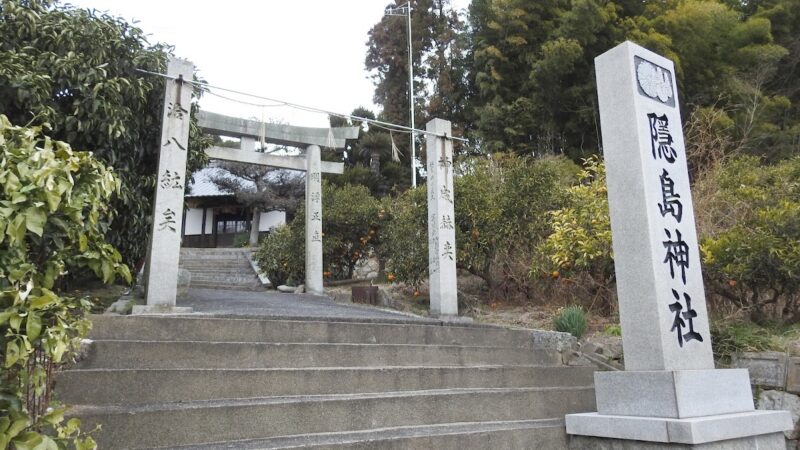
The torii gate is the entrance to the sacred area. Bow before passing through the gate, and avoid walking in the center of the path. The center is considered the path for the gods.
Proper Ritual for Washing Hands
- Hold the ladle in your right hand and wash your left hand.
- Switch the ladle to your left hand and wash your right hand.
- Switch the ladle back to your right hand, receive water in your left hand, and rinse your mouth.
- Wash your left hand again.
- Hold the ladle upright, wash the handle, and return it to its original position.
Proper Ritual for Worshiping at the Shrine
- Place your offering in the offering box.
- If there is a bell, ring it.
- Perform two bows, two claps, and one bow (bowing twice, clapping twice, bowing once).
- Recite your wish silently in your heart.
Priests and Organization of Hijiyama Shrine
Hijiyama Shrine is run by priests, centered around the chief priest. The priests perform daily rituals, interact with worshippers, and handle all general shrine affairs.
As a specially designated shrine, Hijiyama Shrine operates in cooperation with the Association of Shinto Shrines, preserving traditional rituals while also meeting the needs of modern worshippers.
Social Media and Latest Information
Hijiyama Shrine provides the latest information through its official website and social media platforms such as X (formerly Twitter).
The official accounts post information about seasonal events and festivals, as well as photos of the shrine grounds. Checking the latest information before your visit is recommended.
The Charm of Hijiyama Shrine
The greatest charm of Hijiyama Shrine lies in its tranquil atmosphere despite its urban location, preserving a long history and tradition.
It enshrines Okuninushi-no-Okami, known for his blessings of matchmaking, and attracts a wide range of worshippers, from young people seeking romantic success to those praying for family safety and business prosperity.
Its history of recovery from the atomic bombing is a symbol of Hiroshima’s post-war reconstruction, making it a meaningful place to visit with a prayer for peace.
Despite its status as a specially designated shrine, Hijiyama Shrine remains a familiar and welcoming place deeply rooted in the community, attracting the faith of many people today.
Summary
Hijiyama Shrine is a historic specially designated shrine located in Minami Ward, Hiroshima City. Its main deity is Okuninushi-no-Okami, and it is believed to offer many blessings, including matchmaking, protection from evil, family safety, and business prosperity.
Since relocating to its current location in the early Edo period, it has been revered as the local tutelary deity. Its history of overcoming destruction by the atomic bomb and rebuilding is a symbol of Hiroshima’s recovery.
Various festivals and events are held throughout the year, including Shichi-Go-San (a traditional Japanese rite of passage for children) and New Year’s company safety prayers, attracting many worshippers for life’s milestones and for business safety.
It is easily accessible, about a 5-minute walk from the Hijiyama-shita tram stop on the Hiroshima Electric Railway, and there are also tourist attractions nearby, such as Hijiyama Park.
When visiting Hiroshima, why not visit Hijiyama Shrine and experience its history and blessings? Prayers and requests for temple stamps are accepted from 9:00 AM to 4:30 PM.