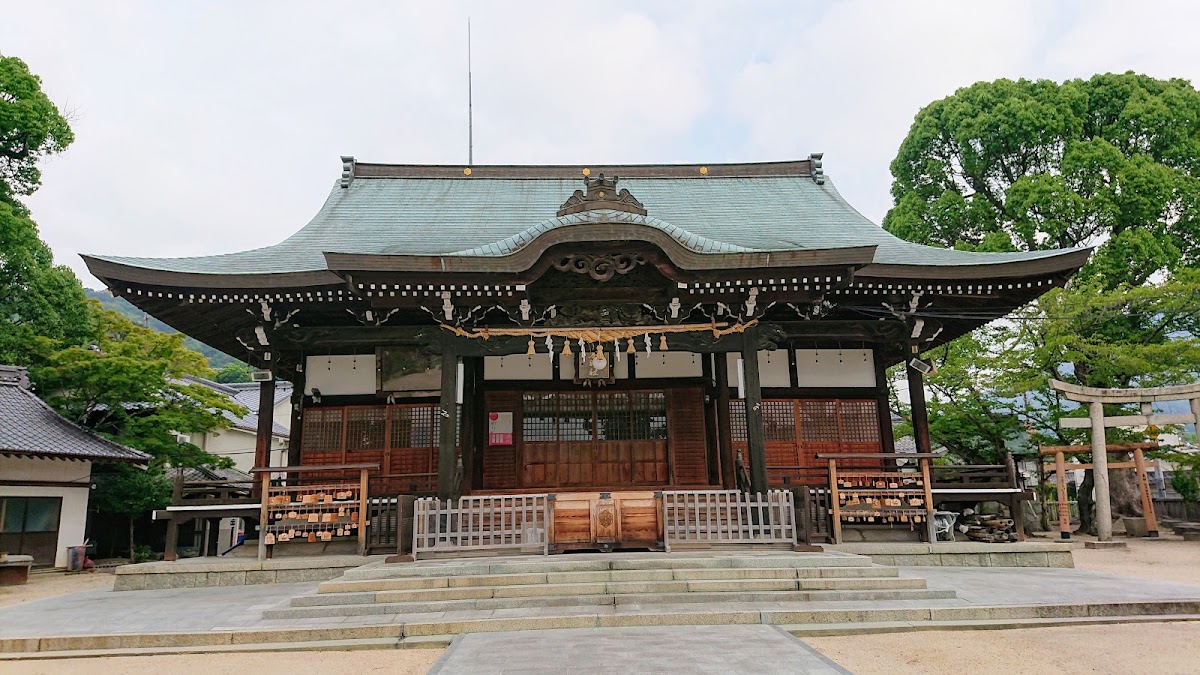
Yaiwabana Shrine (Kure City, Hiroshima Prefecture) Complete Guide | History, Goshuin (Shrine Seals), Access, and Shrine Highlights Explained in Detail
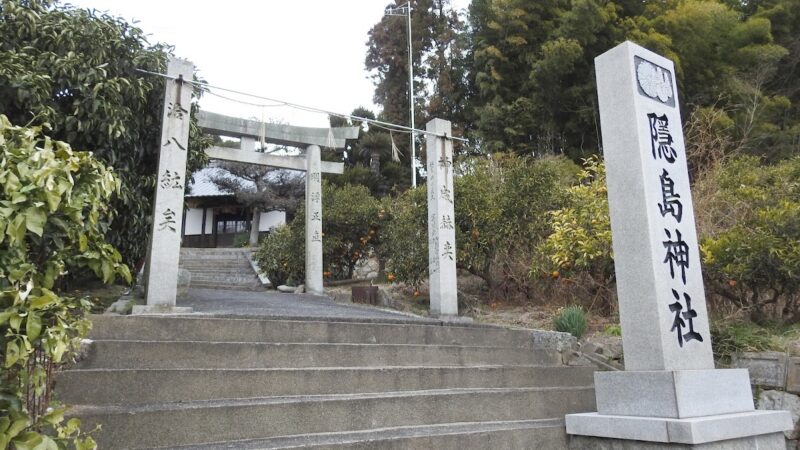
Yaiwabana Shrine, located in Nigata Nishikami-cho, Kure City, Hiroshima Prefecture, is a historical shrine that was formed during the Meiji era through the merger of three shrines. This article provides a comprehensive explanation of everything you need to know before visiting, including the detailed history of Yaiwabana Shrine, its enshrined deities, shrine highlights, goshuin information, access methods, and annual events.
Basic Information about Yaiwabana Shrine
Yaiwabana Shrine is a shrine cherished by local residents as the guardian shrine of the Nigata district in Kure City, Hiroshima Prefecture.
Location and Contact Information
- Location: 26-2 Nishijin-cho, Nigata, Kure City, Hiroshima Prefecture
- Nearest Station: Approximately 10 minutes on foot from Nigata Station on the JR Kure Line
- Nearest Bus Stop: Approximately 4 minutes on foot from Nishijin-cho bus stop
- Parking: Parking available for visitors on the shrine grounds
Shrine Overview
The distinctive name, Hachiiwahana Shrine, was derived from taking one character from each of the names of the three shrines that were merged in 1908 (Meiji 41). It is a combination of the first characters of Hachihata Shrine, Iwakura Shrine, and Shimohanata Shrine (Shimohana Gongen). This naming method is rare nationwide and is a valuable example that conveys the history of the merger to the present day.
History and Origins of Hachiiwahana Shrine
History Before the Merger of the Three Shrines
Each of the three shrines that make up Hachiiwahana Shrine has its own unique history.
History of Hachiman Shrine
Hachiman Shrine is a shrine that was established by inviting the deity from Usa Hachiman Shrine, and is said to have been founded during the Jogan era (859-876). Founded in the early to mid-Heian period, it is an ancient shrine with a history of over 1000 years. Hachiman worship was widely practiced as the guardian deity of samurai families, and it was an important center of faith in this region.
History of Iwakura Shrine
Iwakura Shrine is a shrine that has been revered as the local tutelary deity. It played a central role in the consolidation of shrines in 1908 (Meiji 41), with the other two shrines being merged into its grounds.
Shimohanada Shrine (Shimohanada Gongen)
Shimohanada Shrine is a shrine based on Gongen worship, and it attracted faith closely intertwined with the lives of the local people.
Meiji Era Shrine Consolidation Policy
As part of its shrine reorganization policy, the Meiji government promoted the consolidation and abolition of small shrines nationwide. In the Nigata district of Kure City, three shrines were merged on November 10, 1908 (Meiji 41), giving rise to Yaiwahana Shrine. This merger unified the beliefs and histories of each shrine, leading to its present form.
Deities and Benefits
Main Deities
Yaiwahana Shrine enshrines multiple deities. The main deities are as follows:
- Honda Wake no Mikoto: Emperor Ojin. As Hachiman, the god of military fortune and national peace.
- Okinagatarashihime no Mikoto: Empress Jingu. The god of safe childbirth and child-rearing.
- Amaterasu Omikami: The supreme deity of Japanese mythology. God of National Peace and Abundant Harvests
- Susanoo-no-Mikoto: God of Protection Against Evil and Disease
- Tsukuyomi-no-Mikoto: God of the Night
- Okuninushi-no-Mikoto: God of Matchmaking and Good Fortune
- Sukunahikona-no-Mikoto: God of Medicine and Hot Springs
- Kotoshironushi-no-Mikoto: God of Business Prosperity and Maritime Safety
- Ebisu-no-Mikoto: God of Business Prosperity and Fishing
Expected Benefits
Due to the diverse array of deities enshrined here, you can expect a variety of benefits, including the following:
- Safety and Harmony in the Home
- Business Prosperity and Success
- Prayers for Finding a Good Partner
- Safe Childbirth and Child-Rearing
- Protection from Evil and Disaster
- Health and Longevity
- Academic Success
- Safety at Sea (Especially important given Kure City’s history as a naval city)
Highlights of the Shrine Grounds
The Sacred Camphor Tree
The most impressive feature of the grounds of Hachiiwa Hana Shrine is the gigantic camphor tree, with a trunk circumference of approximately 7 meters. This sacred tree, estimated to be several hundred years old, is a living witness that has watched over the history of the shrine.
A Mysterious Connection to Itsukushima Shrine
Notably, there is a legend that this large camphor tree had a sibling tree. It is said that this sibling tree was donated for the construction of the Great Torii Gate of Itsukushima Shrine. This episode, connecting the World Heritage Site Itsukushima Shrine and Hachiiwahana Shrine, is a valuable anecdote that tells the history of the shrine network within Hiroshima Prefecture.
The large camphor tree that still stands majestically on the shrine grounds today provides visitors with a deep sense of peace and a sacred atmosphere.
Atmosphere of the Shrine and Grounds
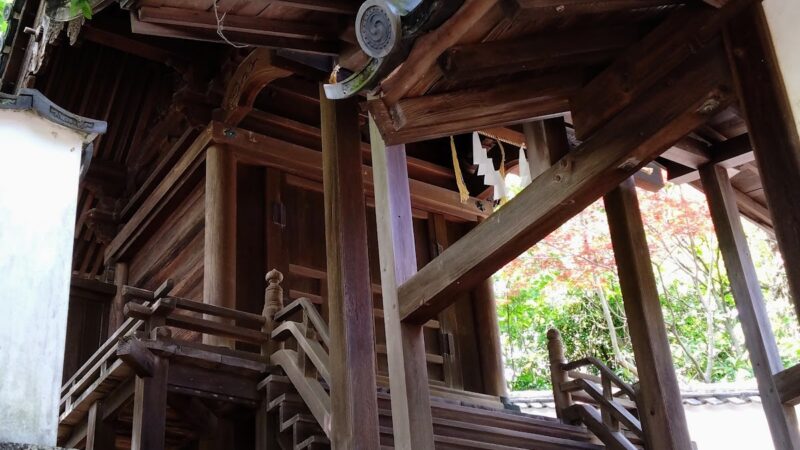
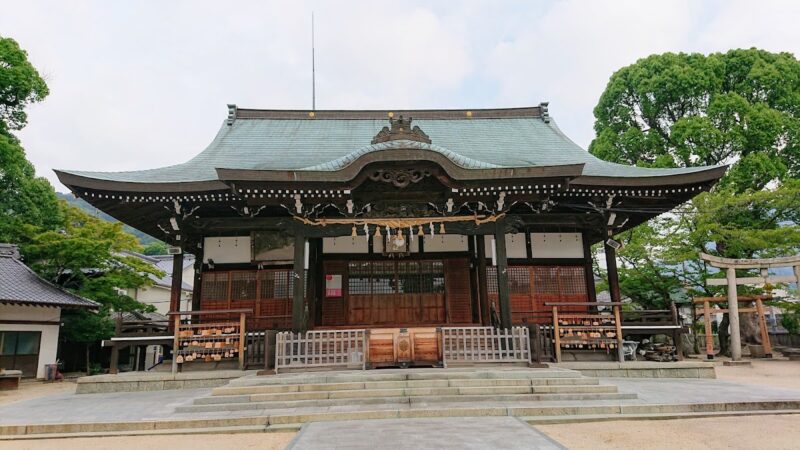
The shrine building of Hachiiwahana Shrine is built in a simple yet sturdy style, exhibiting a calm and serene appearance befitting a shrine rooted in the community. The grounds are meticulously clean, conveying that it is cherished by the local people.
Komainu and Stone Sculptures
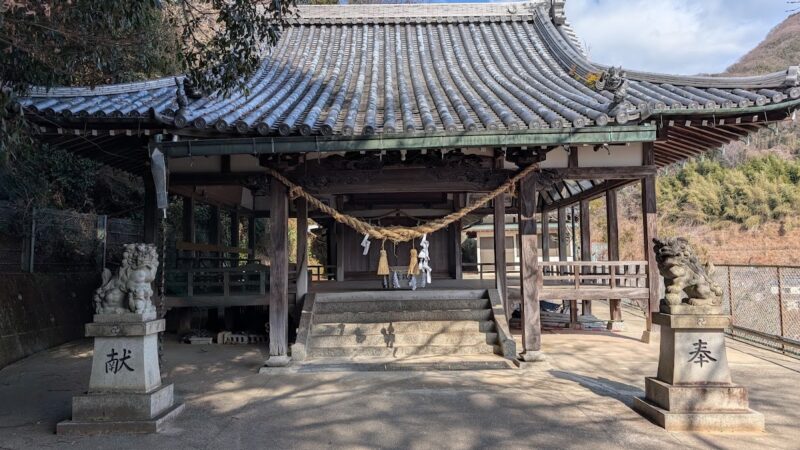
The grounds are adorned with stone sculptures such as komainu (guardian lion-dogs) and stone lanterns that evoke a sense of history, enhancing the historical value of the shrine. These stone sculptures also reflect the deep faith of the local people.
Goshuin (Shrine Seal) Information
How to Obtain a Goshuin
You can obtain a Goshuin at Hachiiwahana Shrine. However, since there may not always be a permanent shrine office, it is recommended to check in advance. ### About Electronic Goshuin (Shrine Seals)
In recent years, Yaiwa Hana Shrine has also introduced an electronic goshuin service. This allows for a modern style of worship, where you can easily record your visits using your smartphone.
Points to Note When Collecting Goshuin
- Remember that goshuin are proof of your visit, so first, offer your prayers respectfully.
- It’s a good idea to bring your goshuincho (stamp book).
- Prepare a donation (around 300-500 yen).
- The shrine office may be unattended, so visit with plenty of time to spare.
Annual Events and Festivals
Autumn Grand Festival
The most important annual event at Yaiwa Hana Shrine is the Autumn Grand Festival. Held annually in October, it features Kagura (sacred dance) performances and Drumming.
Highlights of the Festival
- Kagura Dance: Kagura, a traditional performing art of Hiroshima Prefecture, is offered as a dedication, preserving the local culture.
- Large Drum: The powerful sound of the large drum resonates throughout the shrine grounds, enlivening the festival.
- Portable Shrine Procession: The portable shrine is paraded through the community, bringing the blessings of the gods to the parishioners.
- Stalls: Local residents gather, enjoying the lively atmosphere of the festival.
New Year’s Visit
Many worshippers visit the shrine for the New Year’s Visit. As the local guardian shrine, it is bustling with people praying for family safety and business prosperity.
Other Annual Events
- New Year’s Day Festival: January 1st
- Setsubun Festival: Around February 3rd
- Summer Purification Ceremony: June 30th
- Year-End Purification Ceremony: December 31st
Access Methods
Access by Train
JR Kure Line, Nigata Station is the nearest station.
- From Hiroshima Station to Nigata Station: Approximately 1 hour on the JR Kure Line
- From Kure Station to Nigata Station: Approximately 15 minutes on the JR Kure Line
- From Nigata Station to Hachiiwa Shrine: Approximately 10 minutes on foot (approximately 700m)
Walking Route from Nigata Station
Exit Nigata Station and head north, passing through the residential area towards Nishijin-cho. Following the signs will ensure you arrive without getting lost.
Access by Bus
Nishijin-cho Bus Stop is the nearest bus stop. – From Nishijin-cho bus stop to Hachiiwa Hana Shrine: Approximately 4 minutes on foot
- If accessing by bus from Kure city, use the Hiroden Bus routes.
Access by Car
Travel Time from Major Cities
- From central Hiroshima city: Approximately 40 minutes via the Hiroshima-Kure Expressway
- From central Kure city: Approximately 15 minutes via National Route 185
Car Navigation Settings
- Address: 26-2 Nishijin-cho, Nigata, Kure City, Hiroshima Prefecture
- You can also search by phone number (some facilities may not be registered)
Parking Information
There is parking space for visitors on the shrine grounds, but the number of spaces is limited. During busy times such as festivals, consider using nearby public parking lots.
Nearby Tourist Attractions
Major Tourist Attractions in Kure City
When visiting Hachiiwa Hana Shrine, why not also visit other tourist attractions in Kure City?
Yamato Museum (Kure Maritime Museum)
- Location: 5-20 Takara-cho, Kure City
- Approximately 20 minutes by car from Hachiiwa Shrine
- A museum where you can learn about the history of the navy and shipbuilding technology, centering on the battleship Yamato.
Iron Whale Museum (Japan Maritime Self-Defense Force Kure Museum)
- Location: 5-32 Takara-cho, Kure City
- Adjacent to the Yamato Museum
- A rare museum exhibiting a real submarine.
Ondo Strait
- Approximately 30 minutes by car from Hachiiwa Shrine
- A scenic spot where the legend of Taira no Kiyomori remains
- The view from Ondo Bridge is magnificent.
Highlights of the Nifata Area
Nifata Market
A market where fresh local seafood and vegetables are sold. You can experience the local food culture.
Seto Inland Sea Viewpoints
The Nifata area faces the Seto Inland Sea, and there are many spots where you can enjoy the beautiful sea view.
Manners and Etiquette for Visiting a Shrine
Basic Etiquette for Visiting a Shrine
- Bow before passing through the torii gate: This is a courtesy before entering the sacred area.
- Purify yourself at the water basin: Purify in the following order: left hand → right hand → mouth → handle of the ladle in your left hand.
- Walk along the edge of the path: The center is considered the path of the gods.
- Etiquette in front of the main hall: Two bows, two claps, and one bow are the basics.
Regarding Attire
There are no specific rules, but it is desirable to wear clothing that reflects the sacredness of the place. On special days such as festivals, it is also good to wear slightly more formal attire.
Regarding Photography
Photography is generally permitted on the shrine grounds, but please note the following points.
- Please refrain from taking photographs inside the main shrine.
- Please be considerate of other worshippers.
- Please be mindful not to disrupt the sacred atmosphere.
The Charm of Hachiiwa Hana Shrine and Recommendations for Visiting
A Place of Worship Rooted in the Community
Hachiiwa Hana Shrine is not a large-scale tourist shrine, but precisely because of this, it preserves the original form of a shrine rooted in the community. The warm atmosphere, cherished by the local people, soothes the hearts of visitors.
A Place of Historical Romance
Hachiiwa Hana Shrine is filled with various historical romances, including its unique origins as a three-shrine merging, its history dating back to the Jogan era, and its connection to Itsukushima Shrine. It is also a valuable shrine for understanding the history of shrines in Hiroshima Prefecture.
A Quiet Worship Environment
Because it is rarely crowded with tourists, you can worship quietly and at your own pace, which is another charm of Hachiiwa Hana Shrine. It is an ideal place to escape the hustle and bustle of everyday life and find peace of mind.
Seasonal Expressions
The trees on the shrine grounds, including the large camphor tree, display different expressions throughout the seasons. The scenery is particularly beautiful during the seasons of fresh greenery and autumn foliage.
Summary
Yaiwahana Shrine is a historical and traditional shrine located in the Nigata district of Kure City, Hiroshima Prefecture. It boasts a unique origin, formed in 1908 through the merger of three shrines, a history of Hachiman worship dating back to the Jogan era, a mysterious connection to Itsukushima Shrine, and a centuries-old camphor tree towering within its grounds.
Yaiwahana Shrine, still cherished by the local people as the guardian deity of the region, is a valuable example of a shrine that retains its original, unspoiled form. When visiting Kure City, be sure to stop by. The time spent calming your mind in the tranquil grounds and reflecting on its long history will surely be a memorable experience.
Its convenient location, approximately a 10-minute walk from Nigata Station on the JR Kure Line, is also a major draw. Visiting it in conjunction with other major Kure City tourist attractions such as the Yamato Museum is also recommended. This shrine is definitely worth visiting for anyone who collects Goshuin (temple/shrine stamps).