Complete Guide to Tainomiya Shrine (Kure City, Hiroshima Prefecture) | History, Goshuin (Shrine Seal), Access, and Details of the Memorial for the No. 6 Submarine
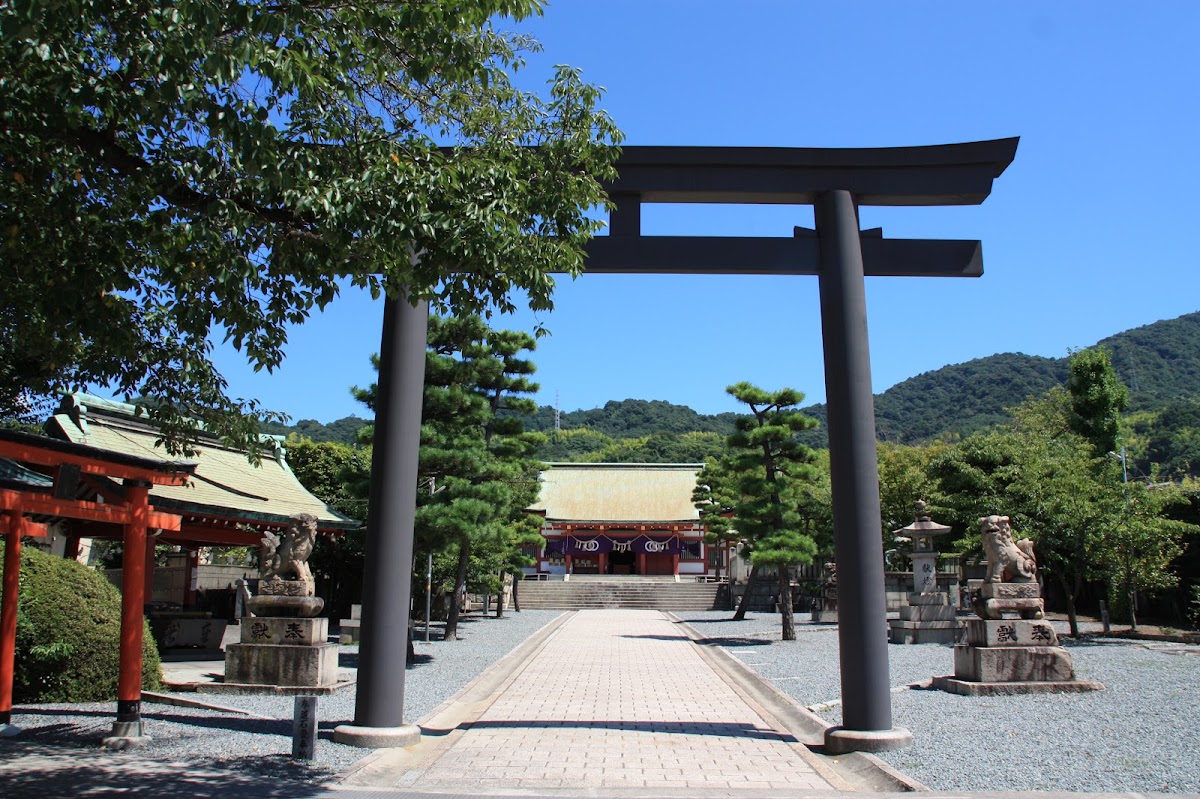
Tainomiya Shrine, located in Nishimitsuta-cho, Kure City, Hiroshima Prefecture, is a historic shrine dedicated to the god of the sea. Built by fishermen to pray for a bountiful catch, the shrine houses a memorial for the victims of the No. 6 Submarine disaster, and has deep ties to the naval history of Kure. This article provides a detailed overview of Tainomiya Shrine, including its history, enshrined deities, highlights, and access information.
Basic Information about Tainomiya Shrine
Official Name: Tainomiya Shrine (also written as Tainomiya Shrine)
Location: 1-1 Nishimitsuta-cho, Kure City, Hiroshima Prefecture 737-0812
Deities Enshrined:
- Main Deity: Kotoshironushi-no-kami
- Enshrined alongside: Ōnamuchi-no-mikoto
- Enshrined alongside: Amehikata-kushihikata-no-mikoto
Shrine Rank: Village Shrine
Visiting Hours: Open all day (Please check the hours of the shrine office)
Parking: Available (small)
Deities Enshrined and Benefits
Kotoshironushi-no-kami
The main deity, Kotoshironushi-no-kami, is a god commonly known as “Ebisu-sama.” This deity is a child of Ōkuninushi-no-Mikoto (Ōnamuchi-no-Mikoto) and is known for playing an important role in the myth of the transfer of the land. Widely worshipped as the god of the sea, fishing, and business prosperity, and often depicted holding a sea bream, this is the origin of the shrine’s name, “Tainomiya” (Shrine of the Sea Bream).
Expected Benefits
- Maritime Safety and Navigation: As the god of the sea, he protects sailors and those involved in fishing.
- Prayer for Abundant Catch: Prayers for the prosperity of fishing and a bountiful catch.
- Business Prosperity: The divine virtue of Ebisu (god of business).
- Family Safety and Harmony: As the guardian deity of the region, he watches over the happiness of families.
- Full Fortune and Virtue: Comprehensive good fortune as the god of fortune.
History and Origins of Tainomiya Shrine
Founding and Development
The founding date of Tainomiya Shrine is unclear, but it has been enshrined in Mitsuda since ancient times and has been deeply revered by those involved in the local fishing industry. Located facing Kure Bay, it has a history of playing an important role as a guardian deity for fishermen praying for safety at sea and abundant catches.
Fukushima Masanori and the Transformation of the Kanda
During the Bunki era (1501-1504), a historical event occurred in which the Kanda was confiscated by Fukushima Masanori, the lord of Hiroshima Castle. This is thought to have been part of the shrine and temple policy at the time.
Reconstruction of the Shrine
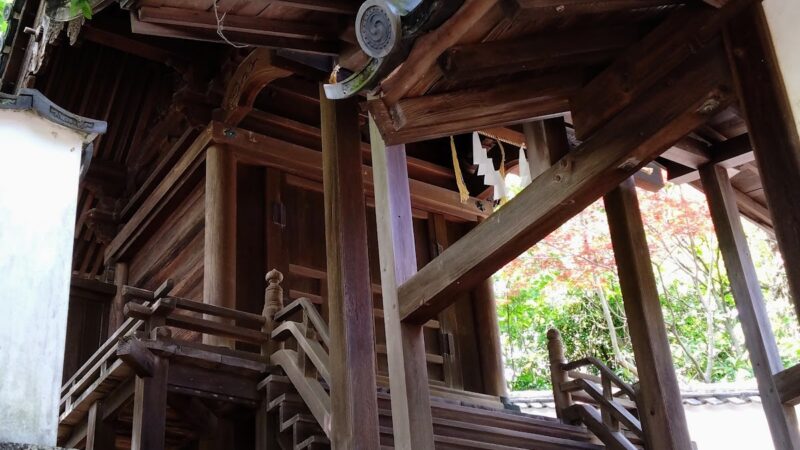
The shrine was reconstructed in 1740 (Genbun 5). The current shrine is built in the Gongen-zukuri style, with both the worship hall and main hall featuring a portico and copper roofing. It is a valuable structure that conveys the architectural style of the mid-Edo period.
Highlights of the Shrine Grounds
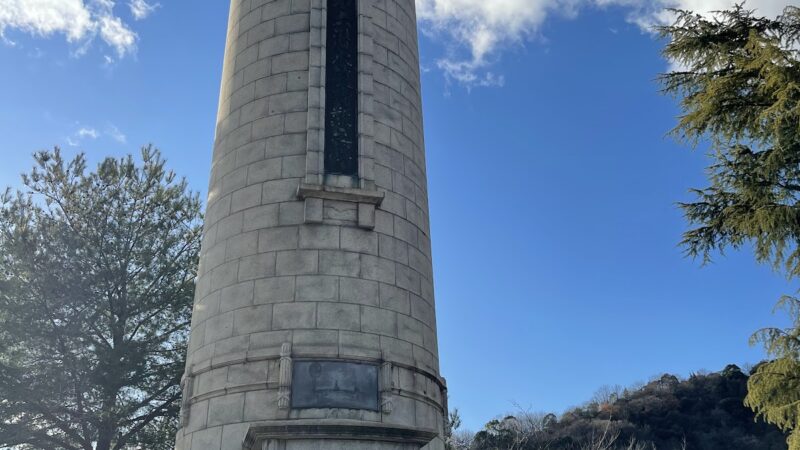
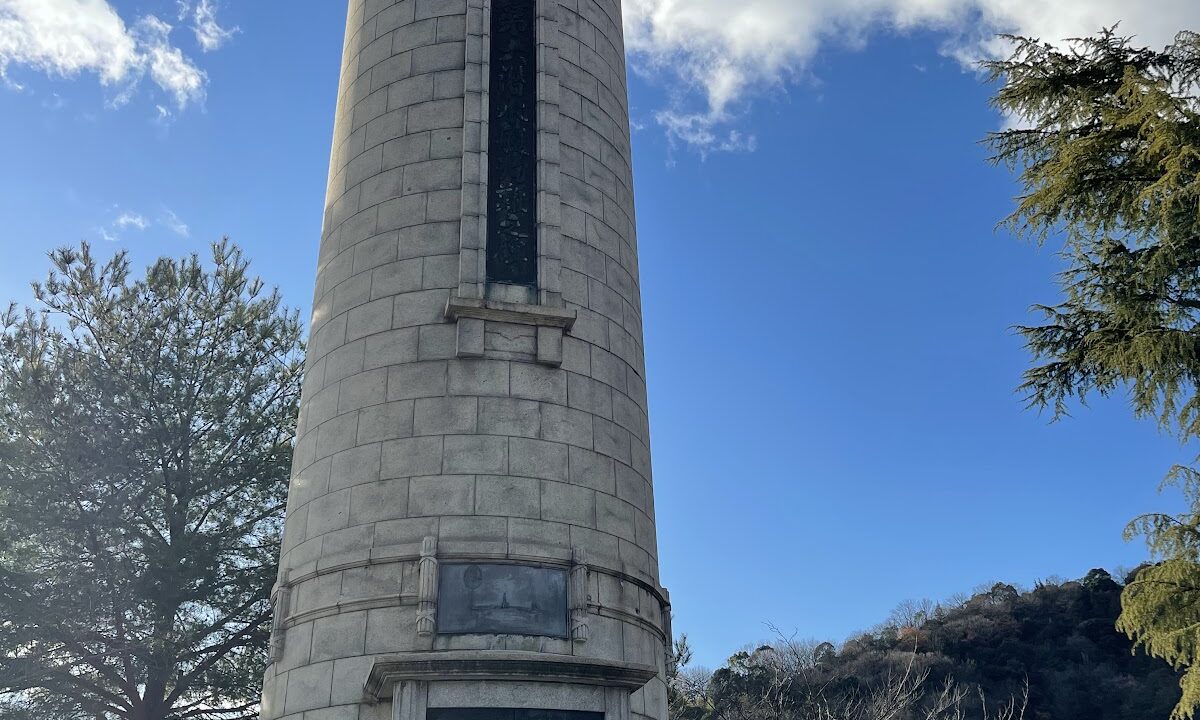
Memorial Monument for the Victims of the No. 6 Submarine
The most noteworthy historical site on the grounds of Tainomiya Shrine is the Memorial Monument for the Victims of the No. 6 Submarine.
History of Submarine No. 6:
- Built in 1906 (Meiji 39), it was the first 57-ton submarine constructed in Japan.
- On April 15th of the same year, an accident occurred during training off the coast of Shinminato, Yamaguchi Prefecture.
- Due to a malfunction in the gasoline engine, it became unable to surface while submerged and sank.
- Captain Tsutomu Sakuma and 14 other crew members (15 in total) perished.
Significance of the Memorial:
The accident involving Submarine No. 6 is remembered as the first major tragedy in the history of Japanese submarines. Captain Sakuma’s last will and testament, in which he calmly recorded the circumstances of the accident until the very end, is widely known as “Captain Sakuma’s Last Will and Testament” and deeply moved the nation at the time. Because Kure was an important base for the former Imperial Japanese Navy, this memorial was erected and is still carefully preserved today for maritime safety and to commemorate those who perished.
Sketches by Artist Tsuguharu Fujita
An anecdote remains that the world-renowned painter Tsuguharu Fujita (Léonard Foujita) visited Tainomiya Shrine to sketch. It is said that when Fujita visited Kure to create war record paintings, he was drawn to the atmosphere of this shrine and made a sketch. The charm of the shrine that caught the artist’s eye can still be felt in the tranquil atmosphere of the shrine grounds.
Dedication of the Sumo Ring Entrance by the 43rd Yokozuna Yoshiyama
Records also remain that the 43rd Yokozuna, Yoshiyama Junnosuke, dedicated a sumo ring entrance at Tainomiya Shrine. Yoshiyama was a sumo wrestler from Hokkaido who was promoted to Yokozuna in 1953. This dedication of the sumo ring entrance at the shrine is a valuable episode demonstrating the deep connection with the local community.
Characteristics of the Shrine Architecture
The shrine, rebuilt in 1740 (Genbun 5), adopts the Gongen-zukuri architectural style, a style from the era of syncretism of Shinto and Buddhism. It features a structure where the worship hall and main sanctuary are integrated, and both have a kōhai (a protruding roof section). The copper-plated roof is thought to have been chosen for its durability given its location near the sea.
Information on Goshuin (Shrine Seals)
About the Issuance of Goshuin
Goshuin are available at Tainomiya Shrine. However, there may not always be a permanently staffed shrine office, so it is recommended to check in advance if you definitely want a goshuin.
Electronic Goshuin
As a modern initiative, electronic goshuin are also available. You can receive a digital goshuin through a smartphone application. This is a convenient system for those who live far away or who want to keep a record of multiple visits.
Detailed Access Information
Access by Train and on Foot
From JR Kure Line “Kure Station”:
- Distance: Approximately 1.2 km
- Walking time: Approximately 15 minutes (approximately 11-15 minutes on foot)
- From the Kure Station exit, head east along National Route 185 towards Mitsuda.
Detailed Route:
- Exit Kure Station and head east along National Route 185.
- Continue straight past the Sanjo intersection.
- Enter the residential area of Nishi-Mitsuda-cho.
- Follow the signs to the shrine.
Access by Bus
Using Hiroden Bus:
- Route: Bus bound for Tenno
- Travel time: Approximately 5 minutes
- Bus stop: “Sanjo 4-chome”
- Walking time from the bus stop: Approximately 5 minutes
Using the bus shortens the walking distance, making it recommended for those who are not confident in their physical stamina or for visiting during hot seasons.
Access by Car
From Kure City Center:
- Approximately 5 minutes east on National Route 185
- Set your car navigation system to: “1-1 Nishimitsuta-cho, Kure City, Hiroshima Prefecture” or “Tainomiya Shrine”
Parking:
There is a small parking space on the shrine grounds. However, spaces are limited, and it may be full during festivals. Please consider using nearby paid parking lots.
Notes on Access
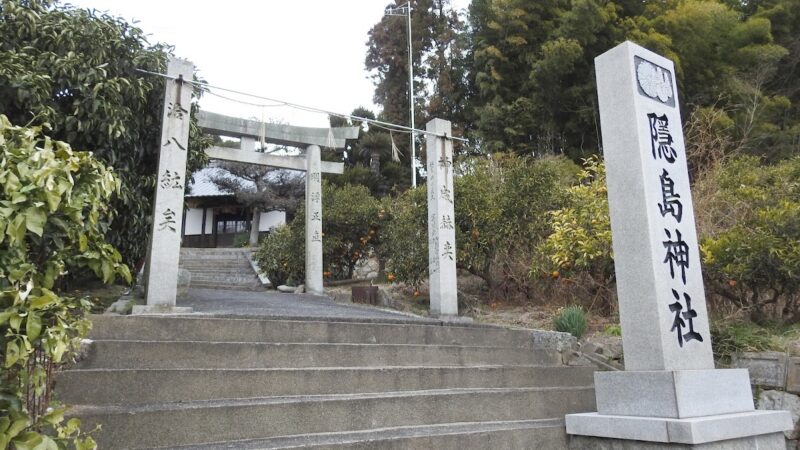
There are stairs leading to the shrine, and some reviews mention that “the stairs are incredibly steep.” Those with mobility issues are advised to take their time and rest while visiting the shrine.
Nearby Tourist Attractions
Kure Maritime Museum (Yamato Museum)
Distance: Approximately 5 minutes on foot from Kure Station
This museum allows you to learn about the history of Kure’s navy and shipbuilding technology, centered around the battleship Yamato. The 1/10 scale model of the battleship Yamato is breathtaking, and visiting it along with the memorial monument for the 6th Submarine at Tainomiya Shrine will give you a deeper understanding of Kure’s naval history.
Iron Whale Museum (Japan Maritime Self-Defense Force Kure Museum)
Distance: Adjacent to the Yamato Museum
This free museum displays the actual submarine “Akishio.” You can learn about the development of Japanese submarine technology, starting with the 6th Submarine.
Shopping Streets in Kure City Center
Around Kure Station, there are shopping streets such as “Renga-dori” where you can enjoy local gourmet food such as naval curry and Kure cold noodles. It’s perfect for a meal or souvenir shopping after visiting the shrine.
Annual Events and Festivals
Autumn Grand Festival
Tainomiya Shrine holds a festival in the autumn. It is a traditional festival where local parishioners and worshippers gather for a portable shrine procession and dedication ceremonies. The shrine grounds, usually quiet, become vibrant and lively on festival days.
Specific dates may vary from year to year, so it is recommended that those wishing to participate check in advance.
Manners and Precautions for Visiting the Shrine
Basic Worship Etiquette
- Bow before passing through the torii gate: As a sign of respect before entering the sacred area.
- Purify yourself at the water basin: Purify your left hand, right hand, and mouth in that order.
- Two bows, two claps, one bow: The general etiquette for visiting a shrine.
- Worship quietly: Please be especially quiet as there is a memorial monument.
Photography
Photography is generally permitted on the shrine grounds, but please be considerate of those inside the main hall and other worshippers. When taking photos in front of the memorial monument for the victims of the No. 6 Submarine Disaster, please take pictures quietly as a sign of remembrance.
Clothing and Items to Bring
Since there are stairs, it is recommended to wear comfortable shoes for your visit. During the summer, the sun is strong, so it’s a good idea to bring a hat, parasol, and water.
Reviews and Reputation of Tainomiya Shrine
Visitor Feedback
“Although it’s small and has a slightly deserted feel, the quiet and peaceful atmosphere is very pleasant.” Many appreciate its tranquility as a simple, community-based shrine rather than a large-scale tourist attraction.
“It houses a memorial for the 6th Submarine, making it a valuable place to experience Kure’s history,” a sentiment shared by history enthusiasts.
While some describe the stairs as “incredibly steep,” this reflects its elevated location and the excellent views from the grounds.
Nearby Accommodations
For those considering accommodation near Tainomiya Shrine, the following hotels are recommended:
Business Hotel Dai-ni Yamanaka
Features: A reasonably priced business hotel close to Kure Station. Convenient for both sightseeing and business.
SPA SOLANI Kure Yamato Onsen
Features: A hotel with an attached hot spring facility. Ideal for relaxing after sightseeing, and conveniently located near the Yamato Museum.
Kure Station Hotel
Features: Excellent location in front of Kure Station, offering easy access. The hotel’s breakfast buffet is also highly praised.
The Significance of Visiting Tainomiya Shrine
Tainomiya Shrine is not a large-scale tourist shrine. However, precisely because of this, it possesses a quiet sacredness and a weight of local history.
Its origins as a shrine built by fishermen to pray for safety at sea and abundant catches, its role as a memorial to the tragedy of the No. 6 Submarine’s demise in Japanese Navy history, and its cultural significance as a place visited by famous figures such as Tsuguharu Fujita and Yoshiyama—all of these are condensed within its small grounds.
When visiting Kure, in addition to large facilities like the Yamato Museum and the Iron Whale Museum, please also visit this locally rooted shrine. This is a place where prayers to the sea god and feelings of remembrance for those who lived by the sea quietly resonate in the heart.
Summary
Tainomiya Shrine (Kure City, Hiroshima Prefecture) is a shrine dedicated to the sea god, with Kotoshironushi-no-kami as its main deity. Built by fishermen to pray for a bountiful catch, the Gongen-zukuri style shrine building, rebuilt in 1740, still welcomes visitors today.
Within the shrine grounds stands a memorial monument to the victims of the No. 6 Submarine disaster, commemorating the tragedy of 1906. Interesting anecdotes remain, such as sketches by artist Tsuguharu Fujita and a sumo ring-entering ceremony by Yokozuna Yoshiyama.
Access is convenient, approximately a 15-minute walk from JR Kure Station, or a 5-minute walk from the “Sanjo 4-chome” bus stop on the Hiroden bus. In addition to the regular paper goshuin (shrine stamp), electronic goshuin are also available.
Enjoy a peaceful moment of worship at Tainomiya Shrine, where Kure’s naval history and local beliefs intersect.