Complete Guide to Unomiya Shrine (Hiroshima Prefecture): A Thorough Explanation of Deities, Blessings, Access, and History
Unomiya Shrine, located in Hiroshima Prefecture, is a historic shrine that has been cherished by the local community for centuries. This article provides detailed information you should know before visiting, including the deities enshrined, blessings, history, highlights of the grounds, and access methods.
What is Unomiya Shrine?
Unomiya Shrine is a shrine located in Hiroshima Prefecture and has long been revered as the local guardian deity. The name “Unomiya” originates from the “rabbit” (卯) in the Chinese zodiac, suggesting a connection to those born in the Year of the Rabbit or to beliefs related to the Hour of the Rabbit (around 5-7 AM).
The shrine grounds are enveloped in a tranquil atmosphere, making it a place to escape the hustle and bustle of urban areas and find peace of mind. It is cherished not only by local residents but also by visitors from afar.
Deities and Divine Virtues
Main Deity
Details regarding the deities enshrined at Unomiya Shrine are passed down through local traditions and the shrine’s history. Many Unomiya shrines typically enshrine the following deities:
- Okuninushi-no-Mikoto: Also known as the principal deity of Izumo Taisha Shrine, the god of matchmaking, business prosperity, and abundant harvests.
- Sukunahikona-no-Mikoto: The god of medicine, hot springs, and incantations.
- Kotoshironushi-no-Mikoto: The god of business prosperity and maritime safety.
Benefits and Divine Virtues
Unomiya shrines are believed to offer the following benefits:
- Matchmaking and Successful Relationships: Due to the divine virtues of Okuninushi-no-Mikoto, many worshippers visit seeking success in love and good relationships.
- Family Safety and Harmony: Protects peace in the home and the health of family members.
- Business Prosperity and Success: Attracts the faith of business owners and self-employed individuals who wish for the development of their businesses.
- Health and Longevity and Recovery from Illness: Many people visit to pray for good health, due to the divine virtue of Sukunahikona-no-Mikoto’s ability to provide medicine.
- Abundant Harvest and Protection of Agriculture: Prayers are offered for the development of local agriculture and for a bountiful harvest.
- Exorcism and Good Fortune: Prayers are offered for protection from misfortune and good fortune at important life events.
History of Unomiya Shrine
Origin of Founding
The founding of Unomiya Shrine is passed down through old records and local traditions. Like many local shrines, its origins are said to date back to ancient times and are deeply intertwined with the history of regional development.
There are several theories regarding the origin of the name “Unomiya,” including the following:
- Directional Theory: Named because the shrine was located in the direction of the rabbit (east).
- Chinese Zodiac Theory: Derived from the fact that the shrine was founded or that an important event occurred in the Year of the Rabbit.
- Divine Messenger Theory: Because the divine messenger of the enshrined deity is a rabbit.
Historical Changes
Unomiya Shrine has walked hand in hand with the local history of Hiroshima. During the Sengoku period, it was revered by local warlords, and during the Edo period, it developed as a place of worship for common people. Even after the separation of Shinto and Buddhism in the Meiji era and the wave of modernization, it was protected by the deep faith of the local people.
While it may have been affected by the ravages of World War II, it was rebuilt with the post-war reconstruction and continues to exist as a spiritual pillar of the community to this day.
Highlights of the Shrine Grounds
Main Hall and Worship Hall
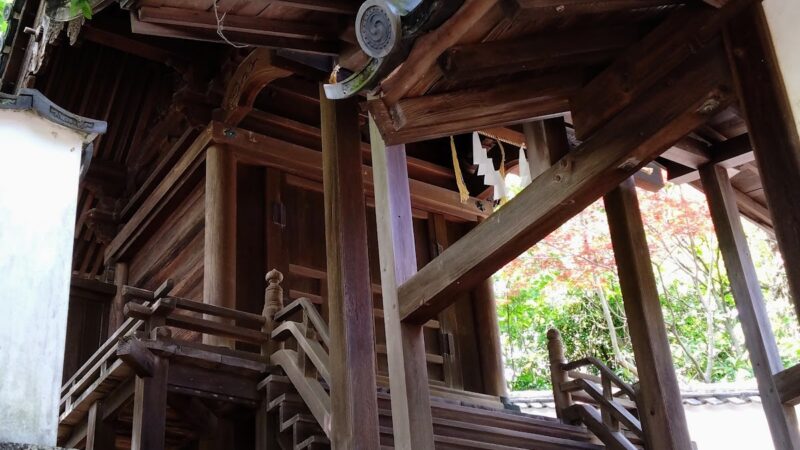
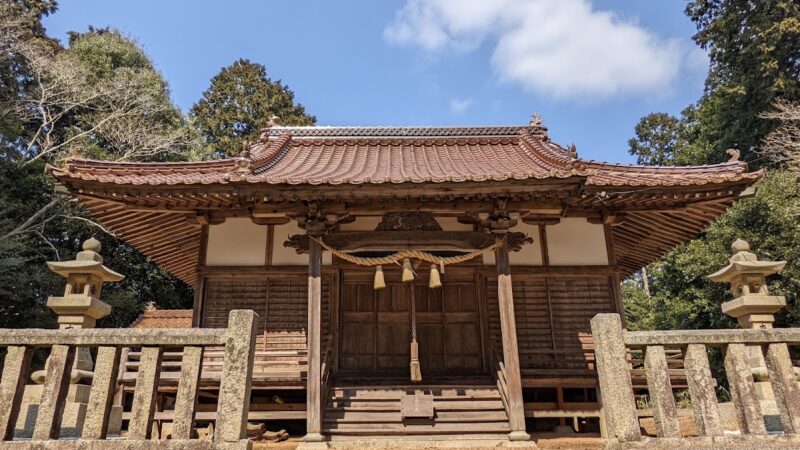
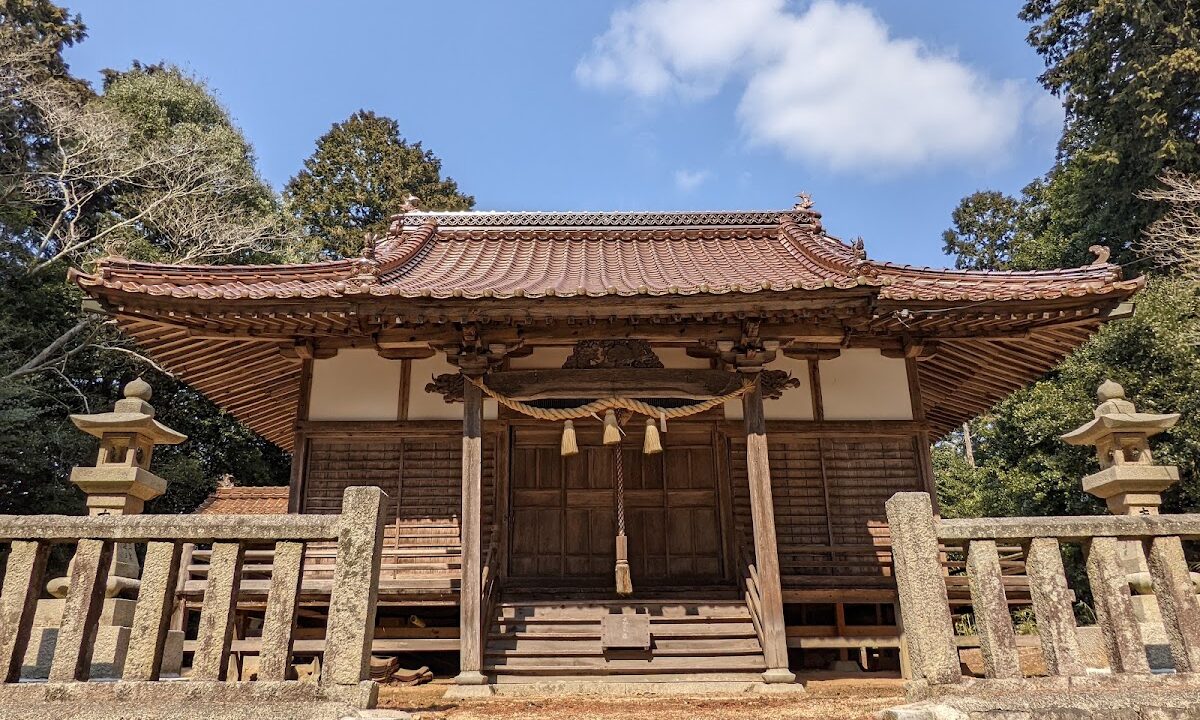
The main hall of Unomiya Shrine is a valuable building that conveys the traditional style of shrine architecture to the present day. The main hall welcomes daily worshippers and provides a quiet space for prayer. Paying attention to the architectural style and the details of the carvings allows you to appreciate the beauty of shrine architecture.
Subsidiary Shrines (Auxiliary Shrines/Subordinate Shrines)
Like many shrines, there are likely several subsidiary shrines within the grounds of Unomiya Shrine. Each of these small shrines enshrines a different deity, bestowing various blessings.
Sacred Trees and Nature
The shrine grounds retain sacred trees estimated to be hundreds of years old, as well as beautiful nature that changes with the seasons. Especially during the cherry blossom season in spring and the autumn foliage season, the grounds are beautifully colored, allowing you to enjoy the beauty of nature along with your worship.
Water Basin for Purification
The water basin for purification before worship is also an important part of the shrine architecture. By purifying your hands and mouth with the correct etiquette before worship, you can face the deities with a purer heart.
How to Worship and Manners
Basic Worship Etiquette
Worship at Unomiya Shrine follows the general etiquette for visiting shrines:
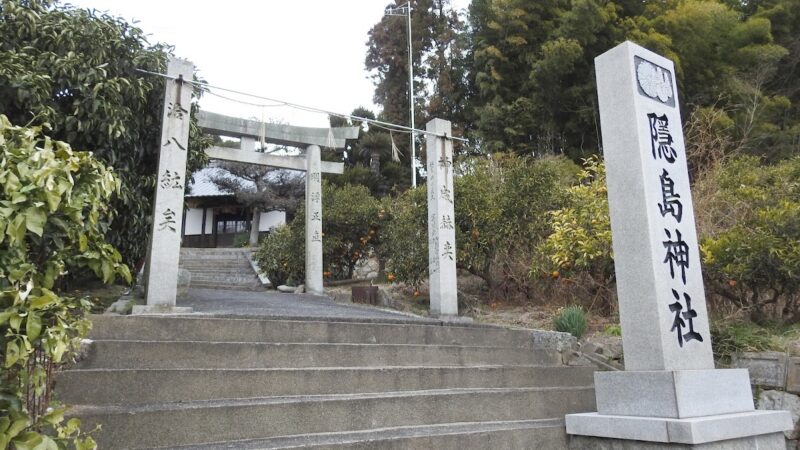
- Bow at the Torii Gate: Bow before passing through the torii gate to show respect for entering the sacred area.
- Walking the Path: The center of the path is considered the path of the gods, so it is polite to walk along the edge.
- Water Purification Etiquette:
- Hold the ladle in your right hand and purify your left hand.
- Switch the ladle to your left hand and purify your right hand.
- Switch the ladle back to your right hand, receive water in your left hand, and rinse your mouth.
- Finally, stand the ladle upright and purify the handle.
- Worship at the Main Hall:
- Quietly place your offering in the offering box.
- Ring the bell (if present).
- Bow twice, clap twice, and bow once (according to shrine etiquette).
- Pray with sincerity.
About Goshuin (Shrine Seals)
Some shrines offer Goshuin. Goshuin are proof of your visit and should be treated with care as a record of your faith, not as a collection. It’s important to bring your Goshuincho (seal book) and respectfully request one at the shrine office.
Amulets and Talismans
Unomiya Shrine offers various amulets and talismans for different blessings. You can choose one that suits your wishes, such as amulets for finding love, warding off evil, or ensuring traffic safety.
Annual Events and Festivals
Main Annual Events
At Unomiya Shrine, various festivals and events are held throughout the year:
- Hatsumode (January 1st-3rd): The shrine is bustling with worshippers praying for safety and prosperity in the new year.
- Setsubun Festival (around February 3rd): A ceremony involving bean-throwing wards off evil and invites good fortune.
- Spring Grand Festival: Celebrating the arrival of spring and praying for a bountiful harvest.
- Summer Purification Ceremony (June 30th): A Shinto ritual to purify and cleanse away the sins and impurities accumulated over the past six months.
- Autumn Grand Festival: The most important festival, expressing gratitude for the harvest and praying for peace and tranquility in the community.
- Shichi-Go-San (around November 15th): Celebrating the growth of children and praying for their healthy development.
- Year-End Grand Purification Ceremony (December 31st): A ceremony to cleanse away the sins and impurities of the past year and prepare for a pure and serene New Year.
Highlights of the Grand Festival
The Autumn Grand Festival often includes a portable shrine procession and dedication ceremonies, offering a valuable opportunity to experience the region’s traditional culture. You can feel firsthand the deep faith of the local people and the traditions passed down through generations.
Access Information
Location
Unomiya Shrine is located in Hiroshima Prefecture. For the exact address, it is recommended to check the latest information before visiting.
Access by Public Transportation
When using public transportation:
- Train: Accessible on foot or by bus from the nearest station.
- Bus: Local bus routes may run near the shrine.
- Taxi: Taxis are also available from the nearest station.
Access by Car
When visiting by private car:
- Check access routes from major roads in advance.
- Enter the shrine name or address into your car’s navigation system.
- It is recommended to check the availability and number of parking spaces in advance.
Parking Information
Parking availability varies depending on the size and location of the shrine. During events such as the annual festival, congestion is expected, so consider using public transportation.
Nearby Tourist Attractions
Famous Places in Hiroshima Prefecture
In addition to visiting Unomiya Shrine, you can also visit other tourist attractions in Hiroshima Prefecture:
- Itsukushima Shrine: One of Japan’s three most scenic spots, registered as a World Heritage Site
- Hiroshima Peace Memorial Park: An important place to offer prayers for peace
- Hiroshima Castle: A famous castle that tells the history of Hiroshima
- Shukkei-en Garden: The garden of the Asano family, the lords of the Hiroshima domain
Local Shrines and Temples
Hiroshima Prefecture has many other historical shrines and temples. Those who enjoy visiting shrines may want to plan a pilgrimage route that includes multiple shrines.
Precautions When Visiting
Regarding Attire
There are no specific dress code requirements for visiting shrines, but it is desirable to dress appropriately as it is a sacred place. It is best to avoid overly revealing clothing and overly casual footwear such as sandals.
Photography Etiquette
Photography is generally permitted on the shrine grounds, but please observe the following points:
- Do not take photos in areas where photography is prohibited, such as inside the main hall.
- Be considerate of other worshippers.
- Be especially careful when religious ceremonies are taking place.
- Use flash photography sparingly.
Visiting Hours
Shrine visits are generally permitted from sunrise to sunset, but the reception hours of the shrine office may be limited. If you wish to receive a Goshuin (shrine stamp) or amulet, please check the reception hours in advance.
The Charm of Unomiya Shrine
A Faith Rooted in the Community
The greatest charm of Unomiya Shrine is the “living faith” that is still deeply intertwined with the lives of the local people. Away from the hustle and bustle of the city, you can experience the warmth of the local people and their traditional faith.
A Space of Serene Prayer
The shrine grounds are enveloped in a tranquil atmosphere, allowing you to forget the troubles of everyday life and find peace of mind. In this natural setting, you can find time to quietly reflect on yourself.
Beauty of the Seasons
The natural beauty of the shrine grounds, with its fresh greenery of spring, deep green of summer, vibrant autumn leaves, and tranquility of winter, is a major attraction of Unomiya Shrine. Visiting in each season allows you to encounter different landscapes.
Voices of Visitors
Faith of Local People
For local residents, Unomiya Shrine is a familiar and comforting place they’ve known since childhood. It’s a place cherished across generations, visited for life’s milestones such as first shrine visits, Shichi-Go-San (a traditional rite of passage for children), exorcisms, and weddings.
Visitors from Afar
Visitors from outside Hiroshima Prefecture are also captivated by the shrine’s tranquil atmosphere and the warmth of the local people. It’s highly regarded for offering a simple and authentic glimpse into faith, unlike large-scale tourist destinations.
About Prayers
Types of Prayers
At Unomiya Shrine, you can receive various types of prayers:
- Prayer for Family Safety: Prayers for the health of family members and peace in the home
- Prayer for Business Prosperity: Prayers for the development and prosperity of business
- Prayer for Protection from Misfortune: Prayers for protection from misfortune during unlucky years in life
- Prayer for Traffic Safety: Prayers for safe driving of cars and motorcycles
- Prayer for Recovery from Illness: Prayers for recovery from illness
- Prayer for Success in Exams: Prayers for success in exams and tests
- Prayer for Safe Childbirth: Prayers for the health of mother and child and for a safe childbirth
- First Shrine Visit for a Newborn: Prayers for the healthy growth of the baby
- Shichi-Go-San Ceremony: Prayers for gratitude for the child’s growth and for their future health
How to Receive Prayers
If you wish to receive prayers, it is recommended that you contact the shrine in advance to make a reservation. While same-day registration may be possible, waiting times may occur due to Shinto rituals.
The prayer fee (first offering) varies depending on the prayer content, so please check in advance.
Unomiya Shrine and Local Culture
Connection to Local Events
Unomiya Shrine has played a central role in various local events and cultural activities. Through festivals, the bonds of the local community are strengthened, and traditional culture is passed down to future generations.
Integration with Folk Beliefs
The faith of the shrine has developed in conjunction with the folk beliefs that have been passed down in the region for centuries. Forms of faith deeply connected to local industries such as agriculture, fishing, and commerce can be seen.
Guidelines for Worship
With a Sincere Heart
The most important thing when visiting a shrine is to face the deities with a sincere heart. Formal etiquette is important, but even more important is visiting with gratitude and a heartfelt wish.
Gratitude
Don’t forget to express gratitude for daily peace and good health, not just for making wishes. Visiting a shrine is also an opportunity to reflect on yourself and regain a humble heart.
Continuous Faith
Instead of ending with a one-time visit, regularly visiting the shrine deepens your connection with the gods. As the guardian deity of your community, a presence that watches over you daily, we recommend visiting from time to time.
Summary
Unomiya Shrine (Hiroshima Prefecture) is a shrine with a long history, supported by the fervent faith of the local people. It enshrines deities who bestow various blessings, such as matchmaking, family safety, and business prosperity, making it a place to visit at various stages of life.
The charm of Unomiya Shrine lies in the precious experience of calming your mind in its tranquil grounds, expressing daily gratitude, and receiving the strength to take a new step forward.
When you visit Hiroshima Prefecture, please be sure to visit Unomiya Shrine. You will be able to experience a simple and heartwarming aspect of Japanese faith, different from that of large-scale tourist destinations. The traditions preserved together with the local people, and their deep faith in the gods, will surely resonate with your heart.
We hope that through your visit, you will rediscover the beauty of Japanese traditional culture and faith, and enjoy a truly enriching experience.