Complete Guide to Tani Hachiman Shrine (Hiroshima Prefecture) | History, Benefits, Access, and Visiting Information
Tani Hachiman Shrine, located in Hiroshima Prefecture, is a historic shrine that has long been cherished by the local community. This article provides detailed information you should know before visiting, including the shrine’s history, enshrined deities, benefits, highlights within the grounds, access methods, and visiting etiquette.
What is Tani Hachiman Shrine?
Tani Hachiman Shrine is a shrine based on the Hachiman faith, located in Hiroshima Prefecture. There are said to be approximately 44,000 Hachiman shrines nationwide, making it one of the most numerous types of shrines in Japan. Tani Hachiman Shrine belongs to this lineage and has long been revered as a guardian deity of the region.
Hachiman, whose principal deity is Emperor Ojin, is widely worshipped as a god of military fortune and victory. He is also worshipped as a guardian deity in a wide range of fields, including agriculture, fishing, and commerce, and is deeply rooted in the local community.
Hachiman is a deity deeply connected to the local community. ## History and Origins of Tani Hachiman Shrine
Founding History
The founding of Tani Hachiman Shrine has a history based on local history and traditions. Hachiman worship spread throughout Japan from the Heian period, and with the development of the samurai society, Hachiman shrines were established in various locations. Tani Hachiman Shrine is thought to have been built as a local guardian shrine within this historical context.
Historical Changes
Shrines have undergone various changes throughout their long history, adapting to the changing times. During the Sengoku period, they attracted the faith of samurai warriors, and during the Edo period, they played a central role in village communities as local tutelary deities. Despite major turning points in Japanese religious history, such as the Meiji-era separation of Shinto and Buddhism and the post-war religious reforms, the faith of the local people has continued uninterrupted.
Tani Hachiman Shrine in Modern Times
Currently, Tani Hachiman Shrine serves as a central hub for the local community, with various festivals and events held throughout the year. A local residents’ parishioner organization supports the maintenance and management of the shrine, passing on traditional festival culture to future generations.
Deities and Blessings
Main Deity
The main deity of Tani Hachiman Shrine is Emperor Ōjin, the central figure of Hachiman worship. Emperor Ōjin was the 15th Emperor and is deified as Hachiman Ōkami. Many Hachiman shrines typically enshrine Himegami and Empress Jingū alongside Emperor Ōjin.
Blessings
The main blessings you can receive at Tani Hachiman Shrine include the following:
- Victory and Long-lasting Military Fortune: Hachiman-sama has a strong character as a god of war, and you can pray for success in competitions and contests.
- Protection from Misfortune and Good Fortune: It is believed to ward off misfortune and improve your luck.
- Family Safety: It protects the health and peaceful life of your family.
- Business Prosperity: You can pray for the success of your business and the prosperity of your trade.
- Child-rearing and Safe Childbirth: Because Empress Jingu safely gave birth to Emperor Ojin here, it is also worshipped as a god of safe childbirth and child-rearing.
- Academic Achievement: Many visitors come to pray for improvement in wisdom and academics.
Highlights of the Shrine Grounds
Worship Hall and Main Hall
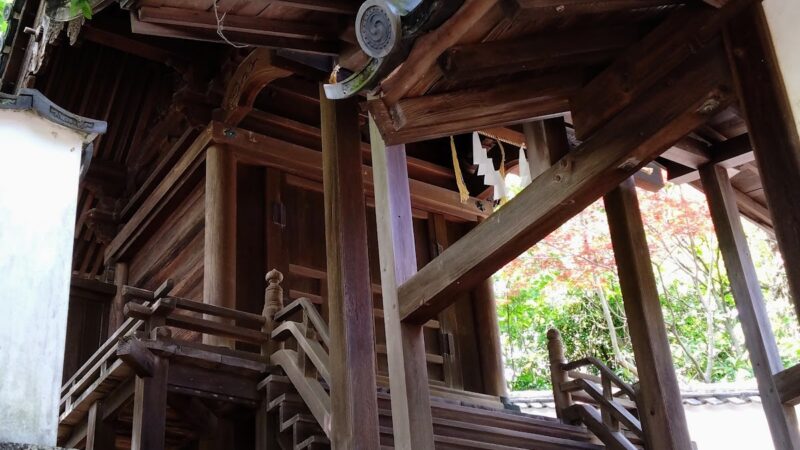
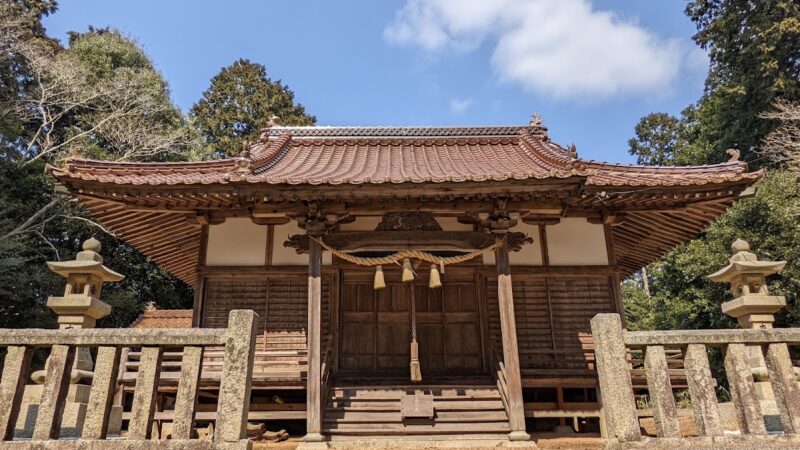
The worship hall of Tani Hachiman Shrine is where worshippers offer their prayers to the gods. It preserves the style of traditional shrine architecture, and its solemn appearance gives visitors a sacred atmosphere. The main hall is located behind the worship hall and is the most sacred place where the deity is enshrined.
Torii Gate and Approach
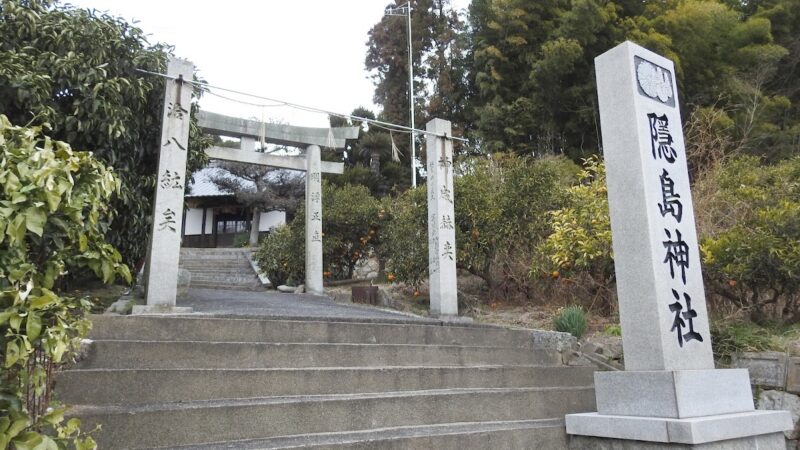
The torii gate, standing at the entrance of a shrine, serves as a boundary separating the secular world from the sacred realm. Passing through the torii gate and proceeding along the approach purifies the mind and body, and shows respect to the gods. Lanterns and stone monuments are placed on both sides of the approach, creating a landscape that evokes a sense of history.
Water Basin
Before worship, there is a water basin (chozuya/temizuya) for purifying the mind and body. Purifying one’s hands and mouth here is an important ritual before meeting the gods. It is believed that purifying the body with pure water also purifies the mind.
Shrine Precincts
Around the main shrine building, various smaller shrines (keidaisha) are often enshrined. These are small shrines dedicated to different deities, each believed to offer different blessings.
Sacred Trees and Nature
Many ancient sacred trees stand within the shrine grounds, telling the story of the shrine’s history. Ancient trees are carefully protected as sacred objects and attract worshippers as a power spot. The changing natural environment of the shrine grounds with each season also provides solace to visitors.
Annual Events and Festivals
Grand Festival
At Tani Hachiman Shrine, the Grand Festival is held once a year. This is the most important festival for the shrine, attracting many parishioners and worshippers. A portable shrine procession and offering ceremonies take place, enveloping the entire area in a festive atmosphere.
First Shrine Visit of the New Year
The first shrine visit of the New Year is an important event to pray for safety and peace throughout the year. Many worshippers visit from January 1st to the 3rd, praying for happiness in the new year. Special offerings and amulets are prepared for first shrine visitors.
Setsubun Festival
The Setsubun Festival, held around February 3rd, includes events such as bean-throwing. With the chant of “Good fortune in, demons out!”, beans are scattered to ward off evil for the year and invite good fortune.
Summer Purification Ceremony
The Summer Purification Ceremony (Nagoshi no Oharae), held at the end of June, is a Shinto ritual to purify oneself of sins and impurities accumulated over the past six months. Traditional ceremonies, such as passing through a ring of reeds, are performed, and prayers are offered for good health and protection from illness for the remaining half of the year.
Autumn Festival
In autumn, the harvest season, an autumn festival is held to give thanks for a bountiful harvest. Traditional local performing arts and dedication ceremonies are held, providing an opportunity to deepen community bonds.
Items Offered, Amulets, and Goshuin (Shrine Seals)
Types of Amulets
Various types of amulets are offered at Tani Hachiman Shrine.
- Exorcism Amulet: An amulet to protect you from misfortune.
- Victory Amulet: An amulet to pray for success in competitions and exams.
- Traffic Safety Amulet: Protection for safe travel by car or bicycle.
- Health Amulet: An amulet for recovery from illness and maintaining good health.
- Safe Childbirth Amulet: An amulet to pray for the safety of pregnant women and babies.
- Academic Success Amulet: An amulet to pray for academic improvement and passing exams.
Goshuin (Shrine Seal)
As proof of visiting the shrine, you can receive a goshuin. Goshuin are precious items, each carefully handwritten in ink by the shrine priests. Bring your goshuincho (seal book) and receive it at the shrine office after your visit. Goshuin are not merely commemorative stamps, but sacred items that symbolize your connection with the gods, so it is important to handle them respectfully.
Ema (Votive Tablet)
Ema, on which you can write your wishes and dedicate them, are also available. You can convey your wish to the gods by writing it on an ema (votive tablet) and offering it at the ema rack on the shrine grounds.
Etiquette and Manners for Worship
How to Pass Through the Torii Gate
When passing through the torii gate, bow before entering. Since the center of the path is considered the path of the gods, it is polite to walk to either the left or right side.
How to Wash Your Hands at the Water Basin
The following steps are used to purify yourself at the water basin:
- Hold the ladle in your right hand and purify your left hand.
- Switch the ladle to your left hand and purify your right hand.
- Hold the ladle in your right hand again, receive water in your left hand, and rinse your mouth.
- Purify your left hand once more.
- Hold the ladle upright, let water flow over the handle, and return it to its original place.
How to Worship at the Main Hall
At the main hall, worship using the “two bows, two claps, one bow” method.
- Place your offering in the offering box.
- If there is a bell, ring it.
- Bow deeply twice (two bows).
- Clap your hands twice in front of your chest (two claps).
- With your hands clasped together, silently recite your wish.
- Finally, bow deeply once (one bow).
Attire for Visiting the Shrine
There are no specific dress code requirements, but it is best to be mindful of the sacred nature of the place and wear clean, understated clothing. Avoid revealing or overly flashy clothing.
Photography Etiquette
Photography is generally permitted on the shrine grounds, but there are areas and times when photography is prohibited, such as inside the main hall or during religious ceremonies. Please follow the signs and be considerate of other visitors.
Access Information
Location
Tani Hachiman Shrine is located in Hiroshima Prefecture. For the detailed address, it is recommended to check the shrine’s official information or local tourist guides in advance.
Access by Public Transportation
If using public transportation, you will need to walk or take a taxi from the nearest train station or bus stop. It’s recommended to check public transportation timetables in advance to ensure you know the best route and travel time from Hiroshima city.
Access by Car
If visiting by private car, enter the shrine name or address into your car’s navigation system. Access from Hiroshima city is possible via major roads.
Parking
Parking for visitors is generally available on the shrine grounds or nearby. However, congestion is expected during festivals and New Year’s visits, so consider using public transportation.
Best Time and Place to Visit
Visiting Hours
Shrine grounds are generally open for worship at any time during the day. However, the issuance of amulets and Goshuin (shrine stamps) is limited to the shrine office’s opening hours. Generally, shrine offices are open from 9:00 AM to around 5:00 PM, but this varies by shrine, so it’s recommended to check in advance.
Recommended Time to Visit
Spring (March-May): A beautiful season with cherry blossoms and fresh greenery, allowing for a refreshing visit.
Autumn (September-November): The autumn leaves color the shrine grounds, creating a tranquil atmosphere. During the autumn festival, you can also experience local traditional culture.
New Year’s Visit (January 1st-3rd): Many visitors come to pray for the new year. While crowded, you can enjoy a lively atmosphere.
For a Quiet Visit
Weekday mornings are generally less crowded, allowing for a quieter visit. Weekday visits are recommended for those who want to stroll through the grounds at their leisure or pray in peace.
Nearby Tourist Attractions
Historical Sites in Hiroshima Prefecture
When visiting Tani Hachiman Shrine, you can also visit other tourist spots in Hiroshima Prefecture. Hiroshima City has world-famous historical sites such as the Atomic Bomb Dome and Peace Memorial Park, providing an opportunity to reflect on peace.
Natural Scenery
Hiroshima Prefecture faces the Seto Inland Sea and is blessed with beautiful natural scenery. Visiting the nearby mountains and coastline allows you to enjoy the beauty of nature throughout the seasons.
Hot Springs
Hiroshima Prefecture has several hot spring resorts, allowing you to relax and soothe your fatigue after visiting the shrine. Day-trip hot spring facilities are also abundant.
Gourmet Spots
Hiroshima is famous for its local cuisine, such as Hiroshima-style okonomiyaki and oysters. Enjoying local cuisine before or after visiting the shrine is a highlight of any trip.
The Charm of Tani Hachiman Shrine
A Faith Rooted in the Community
The greatest charm of Tani Hachiman Shrine is that it is a place of faith deeply rooted in the local community. Having walked alongside the local people throughout its long history, the shrine is not merely a tourist spot, but still functions as a living place of faith.
A Serene Atmosphere
Stepping onto the shrine grounds, you are greeted by a serene space far removed from the hustle and bustle of everyday life. The rustling of the trees, the chirping of birds, and the pure air soothe the mind and bring spiritual refreshment.
Preservation of Traditional Culture
The festivals and Shinto rituals held throughout the year preserve ancient traditional culture. By participating in or observing these events, you can touch upon the very core of Japanese spiritual culture.
Center of the Community
Shrines also serve as a nexus for local communities. Through the preparation and operation of festivals, intergenerational exchanges are fostered, strengthening community bonds.
Voices of Visitors
Many visitors to Tani Hachiman Shrine say they were soothed by its quiet and peaceful atmosphere. Local residents cherish it as a place they’ve known since childhood, while visitors from outside the prefecture appreciate it as a place where they can experience Hiroshima’s history and culture.
Many people visit for important life events such as New Year’s visits, Shichi-Go-San (a traditional rite of passage for children), and exorcisms, making it a beloved place for families across generations. Furthermore, the carefully written goshuin (temple/shrine stamps) are highly appreciated by those who enjoy collecting them as a hobby.
Points to Note When Visiting
Weather Preparations
Since worship takes place outdoors, preparations according to the weather are necessary. In summer, prepare a parasol, hat, and water; in winter, take thorough precautions against the cold. Don’t forget an umbrella or rain gear in case of rain.
Insect Repellent
The shrine grounds are rich in nature, and especially in summer, there can be many insects. It’s a good idea to bring insect repellent spray.
Pet Repellent
Some shrines may restrict the presence of pets. It is recommended to check in advance or refrain from bringing a pet.
Smoking and Eating
The shrine grounds are a sacred place, so please refrain from smoking or eating outside of designated areas. Please be sure to take your trash with you or dispose of it in the designated trash cans.
The Significance of Visiting Shrines
Purification of the Mind
Visiting a shrine is an opportunity to cleanse the mind and dispel the stress and distractions accumulated in daily life. By joining your hands in prayer in the quiet grounds, you can confront yourself and regain inner peace.
A Heart of Gratitude
Shrine visits are not only for making wishes, but also a place to express gratitude for daily blessings. It allows you to reaffirm your gratitude for things you might take for granted, such as health, family, and work.
Understanding Japanese Culture
Through shrine visits, you can understand Japan’s ancient beliefs, culture, and traditions. Learning about Shinto beliefs and customs provides an opportunity to reaffirm your identity as a Japanese person.
Connection with the Community
Visiting local shrines allows you to experience the history, culture, and lives of the people of that area. Shrines play an important role in preserving local memories and fostering community bonds.
Summary
Tani Hachiman Shrine, a historic Hachiman shrine located in Hiroshima Prefecture, has long been cherished by the local people. This shrine offers a variety of blessings, including military success, protection from evil, and family safety, and various festivals and events are held throughout the year.
The shrine grounds boast impressive features such as the magnificent worship hall, main shrine, and sacred trees, and visitors can enjoy the beauty of nature in every season. When visiting, please observe proper etiquette and manners, and be mindful that this is a sacred place.
Prayers for life’s milestones such as New Year’s visits, Shichi-Go-San (a traditional rite of passage for children), and exorcisms are welcome, as are visits to express gratitude for everyday blessings. When visiting Hiroshima, we highly recommend visiting Tani Hachiman Shrine and offering a quiet prayer.
Visiting a shrine is not merely sightseeing; it is a valuable opportunity to reflect on oneself and find inner peace. We hope that your visit to Tani Hachiman Shrine will bring peace and happiness to your heart.