Kinpoji Temple (Hokkaido) Complete Guide: History, Access, and Highlights Explained in Detail
Hokkaido is home to numerous temples, but among them are temples with deep roots in the local history and culture. This article provides a detailed explanation of Kinpoji Temple in Hokkaido, from its historical background to its current state and information on visiting.
What is Kinpoji Temple?
Kinpoji Temple is a Buddhist temple located in Hokkaido, and has long been cherished as a center of faith for the local people. The temple’s name, “Kinpo,” often derives from Kinpusenji Temple in Nara Prefecture, a sacred site of Shugendo (mountain asceticism), suggesting a connection to mountain worship and Shugendo.
Many Buddhist temples in Hokkaido were built by people who migrated from Honshu during the pioneering period after the Meiji era. Kinpoji Temple may also have been founded as a spiritual pillar for the pioneers, or as a way to bring the faith of their homeland to a new land.
Temple Sect and Characteristics
The sect of Kinpoji Temple may vary depending on the region and the circumstances of its founding. Temples in Hokkaido belong to various Buddhist sects, including Shingon, Soto, Jodo, and Jodo Shinshu. Each sect has its own unique principal image, doctrines, and ritual practices.
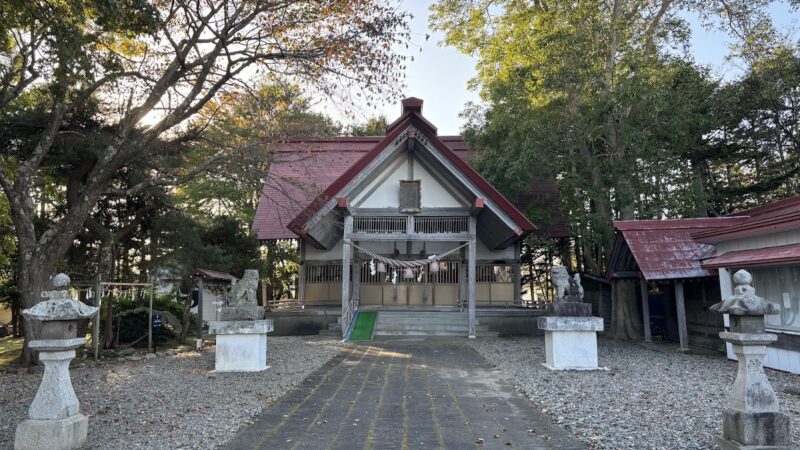
Temple architecture often incorporates features adapted to Hokkaido’s distinctive climate, with special considerations given to roof structures and building materials in heavy snowfall areas.
History of Kinpoji Temple
Background of Founding
The history of Hokkaido’s development and the establishment of Buddhist temples are closely intertwined. Following the anti-Buddhist movement of the Meiji era, many temples were built from the mid-Meiji period through the Taisho era, when Hokkaido’s development intensified.
The settlers relied on their hometown temples and faith as spiritual anchors, seeking a similar religious environment in their new homeland. It is highly probable that Kinpoji Temple was founded to meet these spiritual needs during the pioneering period.
History of Development
A common pattern among Hokkaido temples is that they started as small buildings, gradually expanding as the region developed. Through the establishment of the danka system (parishioner system), participation in local events, and educational activities, temples became central to their communities.
Throughout the pre-war and post-war periods, they functioned as the center of local ceremonies such as weddings, funerals, and annual events, maintaining deep ties with local residents to this day.
Recent Developments
In modern times, while being affected by social changes such as depopulation and an aging population, temples continue to fulfill their role. In addition to traditional religious activities, they have taken on diverse roles such as protecting local cultural properties, utilizing them as tourist resources, and providing mental health counseling.
Highlights of the Temple Grounds
Main Hall
The main hall, the heart of the temple, is the most important building where worshippers pay homage to the principal image. Hokkaido temple architecture is designed to withstand the harsh winter cold and heavy snowfall, and has interesting structural features.
The principal image is enshrined inside the main hall, and it is adorned with magnificent Buddhist implements and decorations. The principal deity varies depending on the sect, and various Buddhas are enshrined, such as Amida Buddha, Shakyamuni Buddha, and Dainichi Buddha.
Bell Towers and Temple Bells
Many temples have bell towers where temple bells are hung to announce the time. Besides being rung at the end of the year as the New Year’s Eve bell, the sound of the bell resonates morning and evening throughout the day, becoming a local tradition.
The sound of the temple bell is so important in traditional Japanese culture that it has sometimes been selected as one of “Japan’s 100 Soundscapes.”
Nature on the Temple Grounds
Many temples in Hokkaido are surrounded by a rich natural environment. Ancient trees are planted on the temple grounds, displaying different expressions throughout the seasons.
You can enjoy different beauty in each season: cherry blossoms and plum blossoms in spring, fresh greenery in summer, autumn leaves in fall, and snowscapes in winter. In particular, the autumn leaves in Hokkaido appear earlier than in Honshu, reaching their peak from late September to October.
Stone Monuments and Memorials
Within the temple grounds, you may find stone monuments and memorials that convey the history of the temple and the memories of the region. These include pioneering memorials, war memorials, and monuments honoring successive chief priests, serving as valuable resources for understanding the region’s history.
Annual Events and Memorial Services
Regular Events
Temples hold various events and memorial services throughout the year. The main events include the following:
New Year’s Events
- Shushōe: A Buddhist service to celebrate the New Year and pray for peace throughout the year.
- Hatsumōde: A visit to a shrine or temple by many worshippers.
Spring Events
- Shunki Higan-e: Ancestor memorial service centered around the vernal equinox.
- Hanamatsuri (Kanbutsu-e): An event celebrating the birth of Buddha on April 8th.
Summer Events
- Obon: One of the most important events to welcome and honor the spirits of ancestors.
- Urabon-e: A memorial service for Obon.
Autumn Events
- Shūki Higan-e: Ancestor memorial service centered around the autumnal equinox.
- Jūsan-ya: A moon-viewing event.
Winter Events
- Joya no Kane: The temple bell is rung 108 times on New Year’s Eve.
- Jōdō-e: A Buddhist service commemorating the enlightenment of Buddha on December 8th.
Special Memorial Services
Some sects have their own unique memorial services. In Shingon Buddhism, the Miekū (a memorial service for Kobo Daishi) held on the anniversary of his death is an important event. In Jodo Buddhism and Jodo Shinshu Buddhism, important events include the Hōonkō (memorial service for the founders of the sects, Shinran Shonin and Honen Shonin).
Etiquette and Manners for Visiting Temples
Basic Methods of Visiting Temples
Knowing the basic etiquette for visiting temples will allow for a more heartfelt visit.
- A Bow at the Temple Gate: Bow before entering the temple grounds to compose yourself.
- Purification at the Water Basin: Cleanse your hands and mouth to purify yourself.
- Worship at the Main Hall: Join your hands in prayer towards the main deity and pray wholeheartedly.
- Offering a Coin: Offer what you can afford.
- A Bow Upon Departure: Bow again when leaving the temple gate.
Temple Visiting Etiquette
- Maintain Silence: Do not speak loudly or make noise.
- Photography: Refrain from taking photographs except in designated areas.
- Attire: Avoid revealing clothing.
- Smoking and Eating: Refrain from smoking and drinking except in designated areas.
- Pets: As a general rule, do not bring pets onto the temple grounds.
Access Information
Transportation
Access to temples in Hokkaido varies greatly depending on their location. The following are common modes of transportation:
Automobile
- In Hokkaido, automobiles are the most convenient mode of transportation.
- Utilize car navigation systems and smartphone map apps.
- Be careful of icy roads in winter.
Public Transportation
- JR Hokkaido railway network
- Route buses
- Taxis are also available in urban areas.
Walking/Cycling
- If within walking distance of the nearest station or bus stop.
- Consider using rental bicycles in summer.
Parking Information
Many temples have parking lots for visitors. However, they can get crowded during peak seasons such as Obon and New Year’s, so it is recommended to visit with plenty of time to spare.
Visiting Hours
Generally, temple grounds are often freely accessible during the day, but there may be time restrictions for viewing the interior of the main hall or receiving Goshuin (temple stamps). It is best to check in advance.
Nearby Tourist Attractions
Local Highlights
When visiting Kinpoji Temple, exploring the surrounding tourist attractions will make your trip even more fulfilling. Hokkaido has many attractive tourist resources, such as the following:
Natural Landscapes
- National Parks and Prefectural Natural Parks
- Lakes and Rivers
- Mountains and Plateaus
- Coastlines
Historical and Cultural Facilities
- Pioneer Memorial Museums and Local History Museums
- Other Temples and Shrines
- Historical Buildings
Experience Facilities
- Hot Spring Facilities
- Agricultural Experience Facilities
- Craft Experience Facilities
Seasonal Recommendations
Spring (April-June)
- Cherry Blossom Viewing
- Drives through Fresh Greenery
- Wild Vegetable Picking Experience
Summer (July-August)
- Lavender Fields
- Mountain Climbing and Trekking
- Summer Festivals and Events
Autumn (September-November)
- Autumn Leaf Viewing
- Harvesting Experiences
- Food Festivals
Winter (December-March)
- Skiing and Snowboarding
- Snow Festivals
- Drift Ice Sightseeing (Okhotsk Region)
Hokkaido’s Temple Culture
Development and Buddhism
The history of Buddhism in Hokkaido is relatively recent compared to Honshu. Hokkaido, which was inhabited by the Ainu people until the Edo period, saw the full-scale construction of Buddhist temples during the Meiji era’s development.
Hokkaido temples have a unique history, including the policy-driven placement of temples by the Hokkaido Development Commission, the introduction of faith by immigrants from Honshu, and their role as the core of local community formation.
Architectural Characteristics
Hokkaido temple architecture, while based on the traditional temple architecture of Honshu, shows ingenuity adapted to Hokkaido’s unique climatic conditions.
- Steep roofs: for snow accumulation
- Thick walls and insulation: for protection against severe cold
- Large eaves: to protect the building from snow and rain
- Heating equipment: extensive heating systems in the main hall
Connection with Local Communities
Hokkaido temples have played diverse roles not only as religious facilities but also within their local communities.
- Educational Institutions: Serving a role similar to a private school
- Welfare Facilities: Providing relief for the needy
- Cultural Centers: Hubs for performing arts and academics
- Community Cores: Places for interaction among local residents
Significance of Temple Visits
Spiritual Value
Temple visits offer a precious opportunity to escape the hustle and bustle of everyday life and quiet the mind. By joining hands in prayer before the principal image and offering silent prayers, one can reflect on oneself and attain inner peace.
Engaging with Buddhist teachings provides an opportunity to contemplate the meaning of life and how to live. One can learn important values in modern society, such as the concept of impermanence, compassion, and gratitude.
Cultural Value
Temples are treasure troves of traditional Japanese culture. They encompass a diverse range of arts and cultures, including architecture, sculpture, painting, calligraphy, and music (Buddhist chanting).
Through temple visits, one can experience these cultural heritage sites and feel the history and aesthetics of Japan. Local temples, in particular, strongly reflect the unique culture and history of their respective regions.
Social Value
Temples serve as places that strengthen the bonds of local communities. Through memorial services and events, intergenerational exchanges are fostered, and local traditions are passed down.
In modern times, temples are also engaged in new forms of social contribution, such as end-of-life planning consultations, mental health counseling, and childcare support, diversifying their role.
Goshuin (Temple Seals) and Temple Treasures
About Goshuin (Temple Seals)
Collecting Goshuin has become popular in recent years. Goshuin are seals and calligraphic inscriptions given as proof of visiting a temple. They are not merely commemorative stamps, but rather something to be cherished as proof of a connection with Buddha or the gods.
Etiquette for Receiving a Goshuin (Temple Stamp):
- Go to the stamp office after completing your prayers.
- Prepare a Goshuincho (stamp book) (notebooks or paper are inappropriate).
- Request using polite language.
- Prepare a donation (generally 300-500 yen).
- Wait quietly while the stamp is being written.
Temple Treasures and Cultural Properties
Historical temples often house valuable cultural properties. These include a wide variety of items such as Buddhist statues, paintings, ancient documents, and crafts.
Many temple treasures are not open to the public, but they can sometimes be viewed during special exhibitions or displays in the treasure hall. It’s a good idea to check the information in advance.
Temple Experience Programs
Zen Meditation Experience
Many temples offer Zen meditation and mindfulness experience programs for the general public. These provide a valuable opportunity to calm the mind and confront oneself.
Thorough instruction is often provided to make it easy for beginners to participate, and you can learn Zen meditation etiquette and breathing techniques.
Sutra Copying and Buddha Image Copying Experience
Copying Buddhist scriptures (shakyo) and drawing images of Buddha (shabutsu) are popular experiences. These are believed to enhance concentration and calm the mind.
Working with a brush is a valuable analog experience in today’s increasingly digital world. Completed sutras and Buddha images can be dedicated to the temple or taken home and carefully preserved.
Shojin Ryori (Vegetarian Buddhist Cuisine) Experience
Some temples offer shojin ryori (vegetarian Buddhist cuisine) experiences and meals. Shojin ryori, which does not use animal products, is based on the Buddhist teaching of non-violence.
Shojin ryori, using seasonal vegetables, tofu, and yuba (tofu skin), is healthy and delicious, and can be an opportunity to re-evaluate modern eating habits.
Hokkaido’s Four Seasons and Temples
Temples in Spring
Spring arrives late in Hokkaido, with cherry blossoms finally beginning to bloom from late April to May. Cherry trees planted in temple grounds create a beautiful scene, announcing the arrival of spring to the snow-melting land.
Plum, peach, and forsythia blossom all at once, celebrating the short spring. Visitors come to admire the flowers, along with those attending spring memorial services.
Summer Temples
The short summer is Hokkaido’s most vibrant season. In the refreshing climate, the greenery of the temple grounds deepens, creating a landscape full of life.
During the Obon period, many visitors come to pay their respects to their ancestors. Events such as Bon Odori (Bon dance) and lantern floating ceremonies are also held, becoming a summer tradition.
Autumn Temples
Autumn arrives early in Hokkaido, with the leaves beginning to change color from late September. The maple and ginkgo trees in the temple grounds change color, creating a particularly beautiful scene in combination with the solemn atmosphere of the main hall.
Autumn equinox services and harvest thanksgiving services are held, reporting the bountiful autumn to the Buddha. Visiting in the crisp air is refreshing for both mind and body.
Autumn is early in Hokkaido, with the leaves beginning to change color from late September. ### Temples in Winter
As Hokkaido faces the harsh winter, its temples become a world of silence, covered in snow. The temple grounds, enveloped in white, exude a mystical atmosphere, like another world.
The end of the year and the beginning of the new year are important times for temples, with the ringing of the temple bells on New Year’s Eve and the first shrine visit of the year. They warmly welcome visitors who come through the snow.
Summary
Kinpoji Temple and other temples in Hokkaido are spiritual pillars of the region, having walked hand in hand with the history of settlement. While their origins differ from those of ancient temples on Honshu, they continue to fulfill their essential role as Buddhist temples.
Temple visits are not merely sightseeing; they are a precious opportunity to reflect on oneself and find inner peace. The time spent quietly praying at a temple nestled amidst Hokkaido’s rich nature reminds us of important things that are often lost in our busy modern lives.
Beautiful scenery throughout the seasons, locally rooted events, and encounters with warm-hearted people. Why not experience Hokkaido’s culture and history, and the teachings of Buddhism, through a visit to Kinpoji Temple?
When visiting, please check the visiting hours and access methods in advance, and be sure to observe proper etiquette and offer your prayers with sincerity. We hope that your connection with the temple will bring new insights and richness to your life.