Complete Guide to Nishiokobe Shrine (Hokkaido): From History and Origins to Visiting Information
Nishiokobe Shrine, located in Nishiokobe Village, Monbetsu District, in the inland area of the Okhotsk region of Hokkaido, has been cherished by the villagers as a guardian deity of the region since the pioneering era. This article provides detailed information useful for visiting Nishiokobe Shrine, including its history, enshrined deities, features of the shrine buildings, annual festivals, and access methods.
Basic Information on Nishiokobe Shrine
Nishiokobe Shrine is located at 102 Nishiokobe, Nishiokobe Village, Monbetsu District, Hokkaido, and belongs to the Hokkaido Shrine Association. It is conveniently located in the center of the village, approximately a 10-minute walk from the Nishiokobe town bus stop.
Location and Contact Information
Address: 102 Nishiokobe, Nishiokobe Village, Monbetsu District, Hokkaido
Phone Number: 0158-84-2656
FAX Number: 0158-84-2654
The shrine is located in the town center of Nishiokobe Village and serves as a center of faith for local residents, as well as a tourist attraction.
About the Deities
Nishiokobe Shrine enshrines three deities revered as guardian deities of Hokkaido’s development.
Okunitama-no-Okami
Okunitama-no-Okami is known as the guardian deity of the land and is worshipped as the god who presides over the stability and development of the land during the development of Hokkaido. As a god who brings the blessings and abundance of the earth, it has attracted the faith of people who pray for the prosperity of agriculture and industry.
Ōnamuchi-no-Ōkami
Ōnamuchi-no-Ōkami is also known as Ōkuninushi-no-Mikoto and is widely worshipped as the god of nation-building, matchmaking, and medicine. He plays an important role as the god of stability and health for the pioneers and as the god who fosters connections between people.
Sukunahikona-no-Ōkami
Sukunahikona-no-Ōkami is known as a god who worked with Ōnamuchi-no-Ōkami in nation-building and is revered as the god of medicine, hot springs, and incantations. He was worshipped as a god who protected people from illness and disaster in the harsh environment of the pioneering era.
These three gods, also enshrined at Hokkaido Shrine, are known as the “Three Gods of Pioneer Development” and have been the spiritual pillars of Hokkaido’s development.
History and Origin of Nishiokobe Shrine
Founding during the Pioneer Era
The development of Nishiokobe Village began in earnest from the late Meiji period to the Taisho period. The name Nishi-Okobe originates from its location west of its mother town, Okobe. As settlement progressed, the need for a shrine as a spiritual center for the settlers increased, leading to the construction of Nishi-Okobe Shrine.
Development as a Village Shrine
Nishi-Okobe Shrine was ranked as a “village shrine” under the old shrine ranking system and has been deeply rooted in the local community as the central shrine of Nishi-Okobe Village. Throughout the Showa era, the shrine was developed along with the village’s growth, leading to its current form.
Connections between Parishioners and the Community
Currently, Nishi-Okobe Shrine has approximately 200 parishioner households. In rural Hokkaido, where the population is declining, shrines continue to play an important role as a nexus of the local community. Through annual events and festivals, it serves as a place for intergenerational exchange.
Features of the Shrine Building and Grounds
Shinmei-zukuri Style Shrine Building
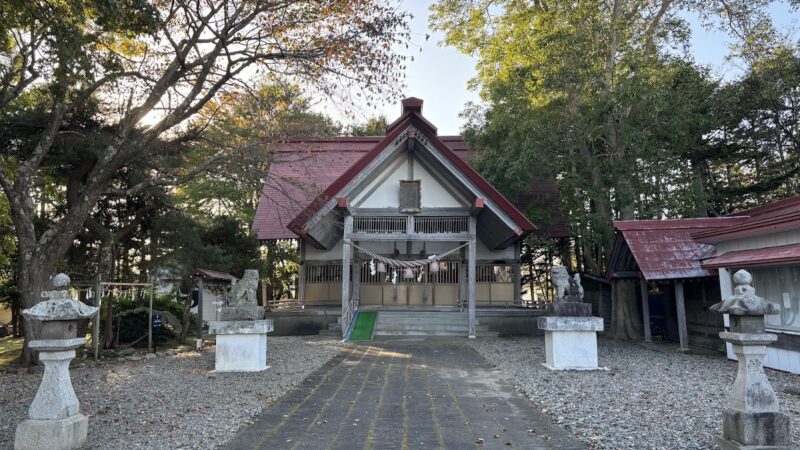
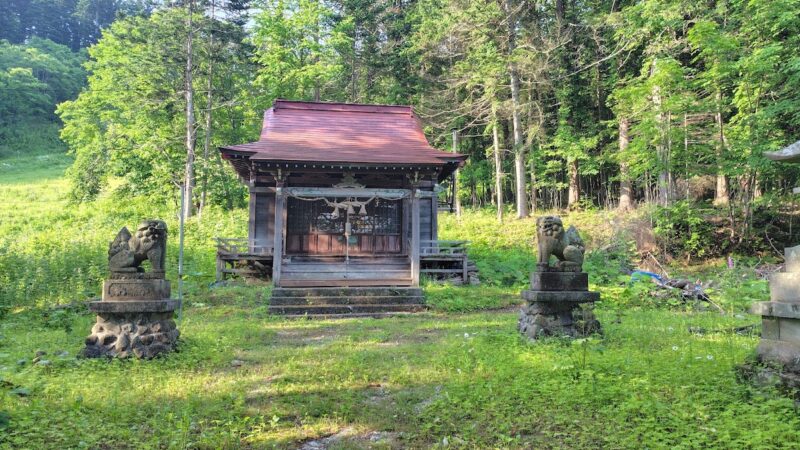
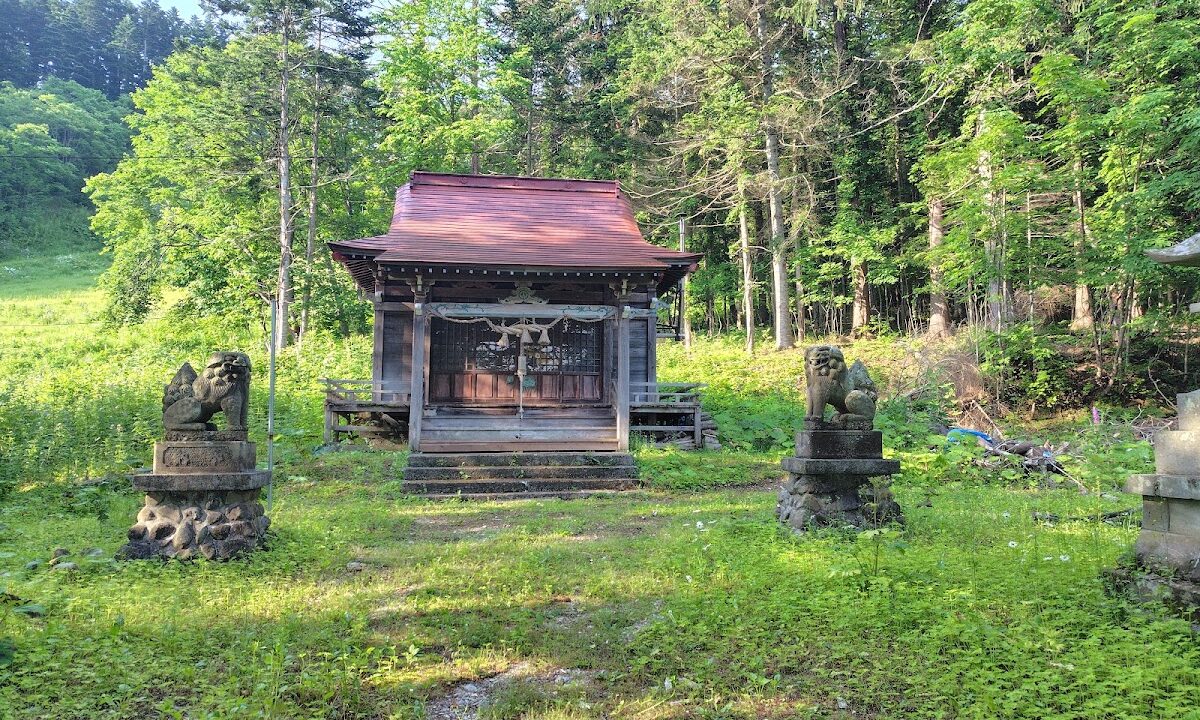
The shrine building of Nishi-Okobe Shrine is constructed in the Shinmei-zukuri style. The Shinmei-zukuri style, exemplified by the Ise Grand Shrine, is an ancient Japanese architectural style characterized by its simple and pure beauty. The straight, powerful lines of the roof provide robustness capable of withstanding Hokkaido’s harsh climate.
The shrine building itself is compact, measuring 56.1 tsubo (approximately 17 square meters), yet exudes a solemn atmosphere.
Vast Grounds
The shrine grounds are extensive, covering 1,262 tsubo (approximately 4,162 square meters), offering a tranquil space surrounded by abundant nature. Nishikobe Village is a naturally rich area, with forests covering approximately 90% of its area, and the shrine grounds are a spot where visitors can enjoy the changing seasons.
From the fresh greenery of spring, the deep green of summer, the vibrant autumn leaves, to the snowy landscapes of winter, the environment allows visitors to experience the changing seasons of Hokkaido while worshipping, providing tranquility to those who visit.
Annual Festival and Other Annual Events
Annual Festival Date: September 11th
The annual festival of Nishikobe Shrine is held every year on September 11th. The annual festival is the most important ceremony at the shrine, a Shinto ritual to express gratitude to the enshrined deity and to pray for the peace and prosperity of the community.
On the day of the festival, a solemn ceremony is held by the Shinto priests, and parishioners and local residents attend. A portable shrine procession and offering ceremonies may also take place, and the entire village is enveloped in a festive atmosphere.
Other Annual Events
In addition to the annual festival, Nishikobe Shrine also holds other annual events typical of shrines in Hokkaido.
- New Year’s Visit (January 1st-3rd): The shrine is bustling with worshippers praying for happiness in the new year.
- Setsubun Festival (around February 3rd): A Shinto ritual to ward off evil and invite good fortune.
- Spring Festival: Prayers for safety in agricultural work and a bountiful harvest.
- Shichi-Go-San Festival (around November 15th): Prayers for the healthy growth of children.
- Year-End Purification Ceremony (December 31st): A Shinto ritual to cleanse away the sins and impurities of the past year.
Through these rituals, Nishiokobe Shrine has been a spiritual support for local residents, accompanying them through important life events.
Information for Visitors
Access
Using Public Transportation
Nishiokobe Village can be accessed by bus from Monbetsu City or Okobe Town. The nearest bus stop is “Nishiokobe Town,” from which the shrine is approximately a 10-minute walk.
- Approximately 40 minutes by bus from Monbetsu City
- Approximately 20 minutes by bus from Okoppe Town
If traveling by car:
- Approximately 2 hours and 30 minutes from Asahikawa City via National Route 39 and National Route 273
- Approximately 30 minutes from Monbetsu City via National Route 238 and Prefectural Route 137
- Approximately 1 hour and 30 minutes from Kitami City via National Route 39 and National Route 242
There is parking available around the shrine, but early arrival is recommended on days when crowds are expected, such as during festivals.
Precautions for Visiting the Shrine
Nishi-Okoppe Village is located in the inland part of Hokkaido and experiences heavy snowfall in winter. Snow accumulates from November to around April, so please note the following points if visiting during the winter months.
- Take thorough precautions against the cold
- Wear non-slip shoes
- Check road conditions in advance
- Access to the shrine grounds may be restricted depending on snow removal conditions
Summer weather is relatively pleasant, but insect repellent will make your visit more comfortable.
Attractions and Tourist Spots of Nishiokoppe Village
When visiting Nishiokoppe Shrine, we recommend also visiting other tourist spots in Nishiokoppe Village.
Nishiokoppe Forest Park
This park utilizes the village’s abundant forest resources and features a campsite and bungalows. Enjoy forest bathing and experience the magnificent nature of Hokkaido.
Michi-no-Eki Nishiokoppe Hanayume (Flower Park Hanayume)
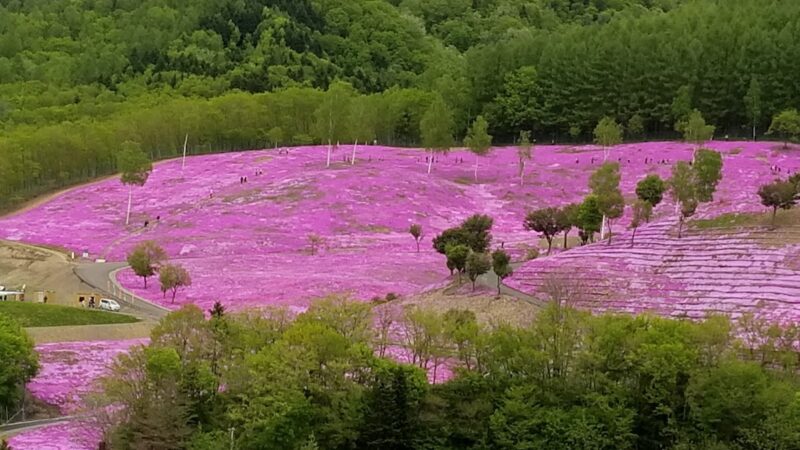
This roadside station offers Nishiokoppe Village’s specialty products and local agricultural produce. The facility is themed around flowers, and seasonal blossoms welcome visitors. The restaurant serves dishes made with local ingredients.
A Sky Full of Stars
Nishiokobe Village has minimal light pollution, allowing for a magnificent view of the starry sky at night. Especially on clear winter nights, it’s an excellent spot for stargazing, where you can see the Milky Way and meteors with the naked eye.
Relationship with the Hokkaido Association of Shinto Shrines
Nishiokobe Shrine is one of the shrines belonging to the Hokkaido Association of Shinto Shrines. The Hokkaido Association of Shinto Shrines is a religious corporation that encompasses shrines throughout Hokkaido, providing support for the management and operation of shrines, training Shinto priests, and promoting Shinto culture.
The official website of the Hokkaido Association of Shinto Shrines allows you to search for information on shrines throughout Hokkaido, including Nishiokobe Shrine. If you want to check the latest information before visiting, we recommend referring to the Hokkaido Association of Shinto Shrines website.
Role of the Association of Shinto Shrines
The Association of Shinto Shrines connects shrines and local communities through the following activities:
- Guidance and support regarding shrine rituals
- Training and education of Shinto priests
- Public relations activities regarding Shinto
- Guidance on life cycle rituals (first shrine visit, Shichi-Go-San, wedding, etc.)
- Promotion of family rituals and Shinto altar worship
- Distribution of Jingu Taima (amulets from Ise Grand Shrine)
The basics of Shinto rituals and life cycle rituals
Life milestones and shrines
In Japanese tradition, people have visited shrines at important milestones in their lives to offer gratitude and prayers to the gods. Nishikobe Shrine also performs the following life cycle rituals:
First Shrine Visit (Omiyamairi)
This is a ceremony where a baby visits a shrine for the first time after birth to pray for their healthy growth.
Shichi-Go-San Visit
This celebrates the growth of children at ages 3, 5, and 7, and prays for their future health and happiness.
Exorcism of Misfortune
We pray that those entering their unlucky year will be spared misfortune and enjoy a peaceful year.
Other Prayers
We offer prayers for various wishes, including family safety, traffic safety, business prosperity, and academic success.
Family Rituals and Shinto Altars
It is customary to set up a “kamidana” (household Shinto altar) in homes to enshrine deities and offer daily gratitude and prayers. The kamidana typically houses a sacred amulet from Ise Grand Shrine or a talisman from the local guardian deity. Nishikobe Shrine also encourages the enshrinement of kamidana in the homes of its parishioners.
Gagaku and Shrine Culture
In Hokkaido shrines, gagaku is sometimes played during traditional Shinto rituals. Gagaku is ancient Japanese court music and an important element in creating a sacred atmosphere.
Gagaku performances may also be held at Nishikobe Shrine’s annual festivals. The solemn sounds of instruments such as the sho, hichiriki, and ryuteki deeply move worshippers.
The Hokkaido Shrine Association is also dedicated to the preservation and promotion of gagaku (ancient Japanese court music), and gagaku concerts and workshops are sometimes held at shrines throughout the region.
History and Pioneering Spirit of Nishiokobe Village
Origins of the Village
Nishiokobe Village began its full-scale development from the late Meiji period to the Taisho period. In the harsh natural environment, the settlers cleared forests, created farmland, and built the village.
As mentioned above, the village name comes from its location west of Okobe Town. It has a history of developing together with Okobe Town and continues to play a part in the Nishimon region of the Okhotsk area.
Modern Nishiokobe Village
Nishiokobe Village is a small village with a population of approximately 1,000 people, but it is working on unique regional development with the slogan “Creating a village where everyone can have dreams and feel happy.”
In particular, it has taken advanced measures in information technology policy, and has attracted attention as an “IT advanced village” by developing a fiber optic network early on.
It also focuses on forestry utilizing its abundant forest resources, agriculture utilizing its cool climate, and tourism promotion. Its mascot character, “Setoushi-kun,” is active as a goodwill ambassador promoting the village’s charms.
Etiquette and Manners for Visiting a Shrine
Basic Etiquette for Visiting a Shrine
Here are some basic manners for visiting a shrine.
How to Pass Through the Torii Gate
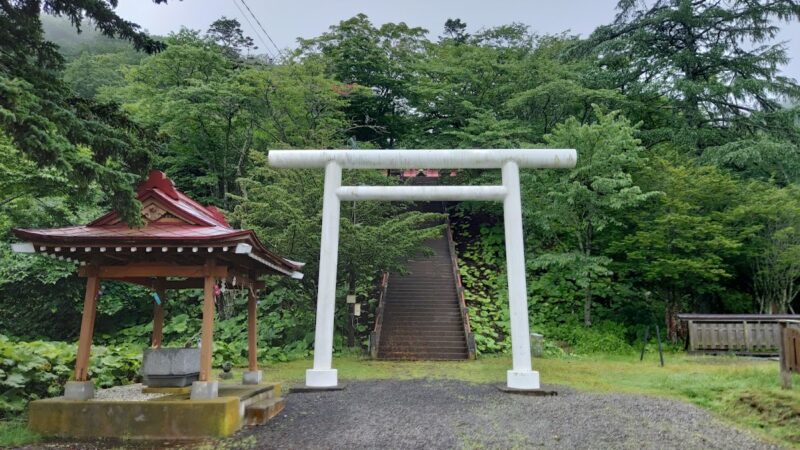
The torii gate is the entrance to the sacred area. Bow before passing through, and avoid walking in the center of the path.
How to Wash Your Hands
Purify your body and mind at the water basin. Hold the ladle in your right hand and wash your left hand, then switch to your left hand and wash your right hand, switch back to your right hand, receive water in your left hand and rinse your mouth, and finally hold the ladle upright and rinse the handle.
Worship at the Shrine
The basic procedure is two bows, two claps, and one bow. Bow deeply twice, clap twice, and finally bow deeply once.
Attire
While casual attire is acceptable for worship, please dress neatly and respectfully. For formal worship or prayers, formal attire such as a suit is preferable.
Summary: The Charm of Nishiokobe Shrine
Nishiokobe Shrine, located in Nishiokobe Village, Monbetsu District, Hokkaido, is a shrine steeped in the history of pioneering and local faith. It enshrines the three pioneering deities—Okunitama-no-Okami, Onamuchi-no-Okami, and Sukunahikona-no-Okami—and has been revered as the guardian deity of the village.
The Shinto shrine buildings, expansive grounds, and the surrounding natural beauty that changes with the seasons offer visitors peace and rejuvenation. Through annual events, including the annual festival on September 11th, it plays a central role in the local community.
When visiting Nishiokoppe Village, be sure to pay your respects at Nishiokoppe Shrine and find peace in its tranquil precincts while reflecting on the history of Hokkaido’s development. The abundant nature, the starry night sky, and the warm encounters with the local people will surely make your trip special.
The official website of the Hokkaido Shrine Association provides the latest information on Nishiokoppe Shrine and other shrines throughout Hokkaido. Please refer to it when planning your visit.