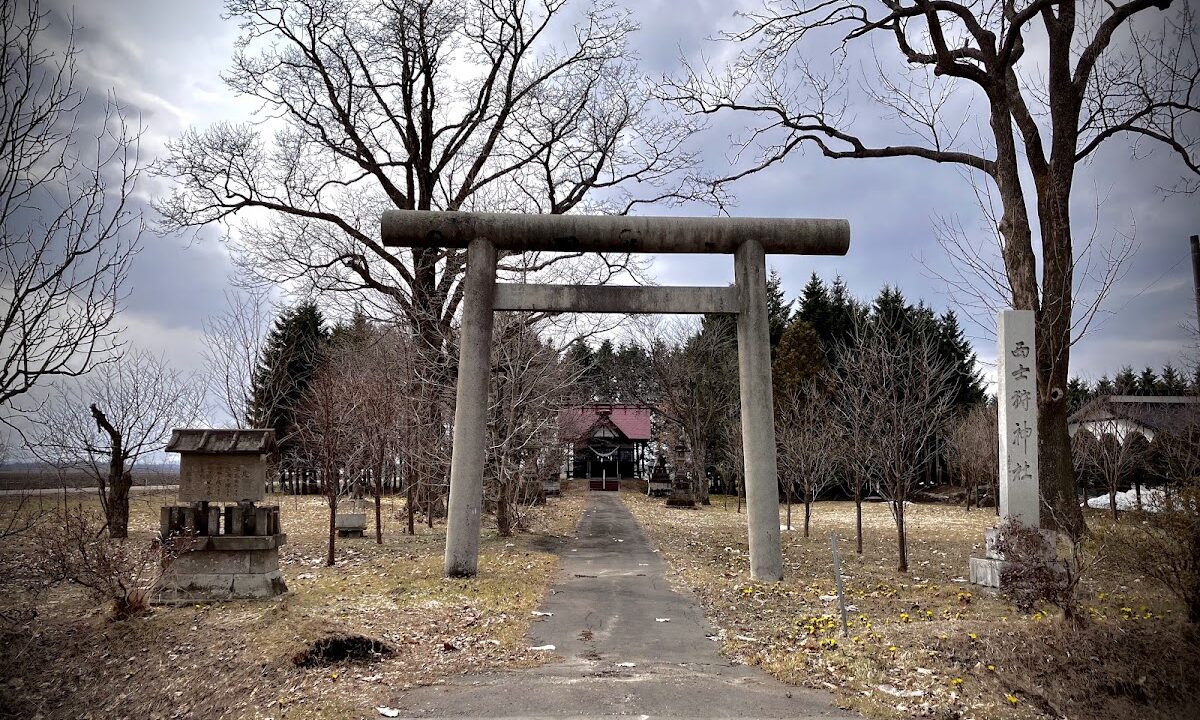
Nishishikari Shrine (Hokkaido) Complete Guide | History, Blessings, and Access Information
About Nishishikari Shrine
Nishishikari Shrine is a Shinto shrine located in Hokkaido. As a shrine that conveys the history of Hokkaido’s pioneering era, it has attracted the faith of local residents.
Unlike the ancient shrines of Honshu, many shrines in Hokkaido were founded during the Meiji period and alongside the pioneering efforts, and Nishishikari Shrine is one of them. It has played an important role as a spiritual anchor for the pioneers and as a center of the local community.
The place name “Nishishikari” in the shrine’s name is highly likely to originate from the Ainu language, making it an interesting place where Hokkaido’s history and culture intersect.
History of Nishishikari Shrine
Founding History
The founding of Nishishikari Shrine dates back to the Hokkaido pioneering era. During the Meiji period, many pioneers migrated from Honshu to Hokkaido and began their lives in a new land. In the harsh natural environment, people built shrines as a source of spiritual support.
The pioneers invited a divided spirit from their hometown shrine and prayed for a bountiful harvest, family safety, and the success of their pioneering projects. Nishishikari Shrine is one such shrine that was established under these circumstances.
History of Development
Initially a small shrine, the main hall was built as the region developed. The shrine has played an important role as a guardian deity for industries such as agriculture, fishing, and forestry, and as a place to deepen the bonds among local residents.
Throughout the pre-war and post-war periods, the shrine has been maintained through the service and donations of local people, and continues to this day.
Nishishikari Shrine in Modern Times
Even today, Nishishikari Shrine remains the local tutelary shrine, maintaining deep ties with local residents through annual events such as New Year’s visits and the annual festival. Despite challenges such as depopulation and an aging population, it continues to exist as an important cultural center that preserves local traditions.
Deities and Benefits
Deities
Regarding the deities enshrined at Nishishikari Shrine, as a local pioneering shrine, the following deities may be worshipped:
- Okuninushi-no-Mikoto: God of land development and matchmaking
- Sukunahikona-no-Mikoto: God of agriculture and medicine
- Ukanomitama-no-Mikoto: God of abundant harvests
These are deities commonly worshipped at pioneering shrines in Hokkaido.
Benefits
The benefits you can expect at Nishishikari Shrine include the following:
- Abundant Harvest and Business Prosperity: Prayers for success in agriculture and business
- Family Safety: Health and peaceful living for family members
- Protection from Misfortune and Good Fortune: Avoiding disaster and improving luck
- Matchmaking: Finding a good partner
- Safety Prayer: Traffic safety, construction safety, etc.
Highlights of the Shrine Grounds
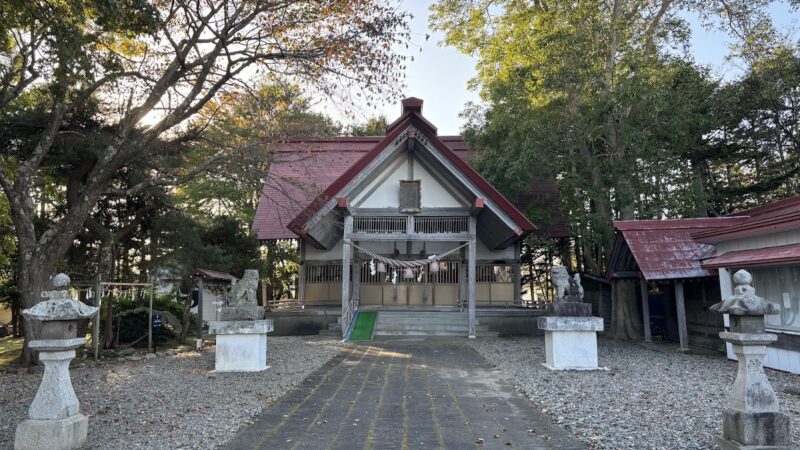
Shrine Building
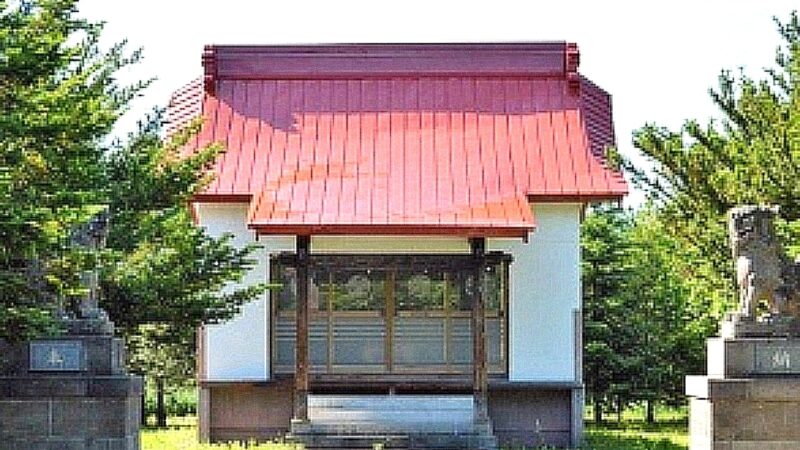
The shrine building at Nishishikari Shrine is constructed to suit the climate of Hokkaido. In Hokkaido, a heavy snowfall area, a sturdy structure that can withstand the weight of snow is necessary.
The style of the shrine building is relatively simple, but it is a warm building imbued with the sincerity of the local people.
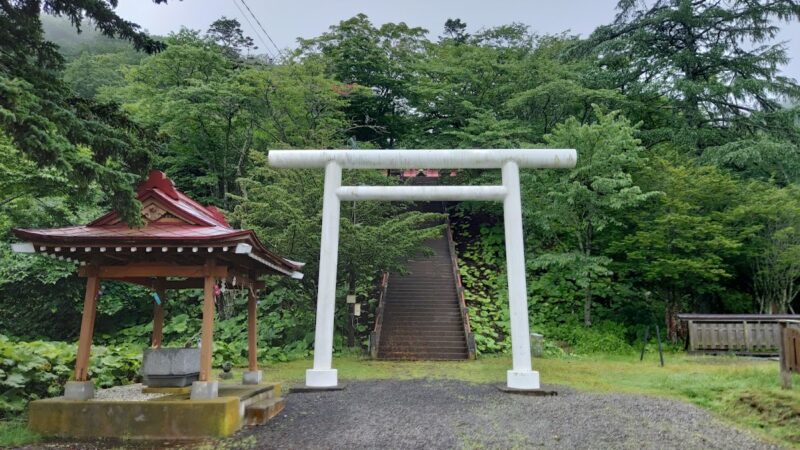
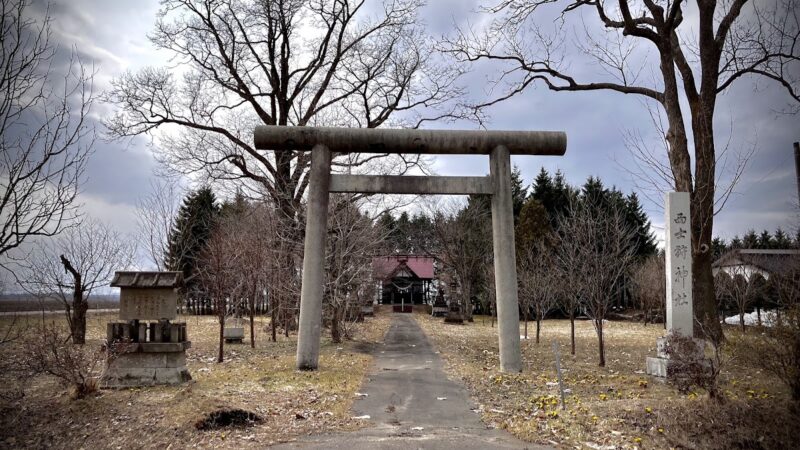
Torii Gate and Approach
A torii gate stands at the entrance to the shrine, and an approach leads to the shrine building. Many shrines in Hokkaido are designed with winter snowfall in mind, and the approach is also designed to facilitate snow removal. ### Nature within the Shrine Grounds
A characteristic of shrines in Hokkaido is that they are surrounded by abundant nature. You can enjoy the beautiful scenery of each season: cherry blossoms and plum blossoms in spring, fresh greenery in summer, autumn leaves in fall, and snowscapes in winter.
The shrine grounds are planted with trees unique to Hokkaido, creating a peaceful environment where you can pray while listening to the chirping of wild birds.
Annual Events and Festivals
Grand Festival
Nishi-Shikari Shrine also holds its annual Grand Festival. This is the most important festival for the shrine, and local residents participate in full force.
The Grand Festival includes a portable shrine procession, Kagura (sacred dance) performances, and stalls, making it a major event for the community. The dates vary depending on the shrine, but it is usually held from summer to autumn.
First Shrine Visit of the New Year
For the first shrine visit of the new year, local people visit to pray for a safe year. Despite the harsh winters in Hokkaido, many worshippers visit.
New Year’s Visit ### Other Annual Events
- Spring Festival: Celebrating the arrival of spring and praying for a bountiful harvest that year.
- Autumn Festival: A festival of gratitude for the harvest.
- Shichi-Go-San: Celebrating the growth of children.
- Exorcism: Prayers for protection against misfortune for those in their unlucky years.
Etiquette and Manners for Visiting Shrines
Basic Etiquette for Visiting Shrines
Knowing the correct etiquette for visiting shrines will allow for a more heartfelt visit.
- Bow before passing through the torii gate: This is a courtesy before entering the sacred area.
- Walk along the edge of the path: The center is considered the path of the gods.
- Purify yourself at the water basin:
- Hold the ladle in your right hand and purify your left hand.
- Switch the ladle to your left hand and purify your right hand.
- Hold the ladle in your right hand again, receive water in your left hand, and rinse your mouth.
- Finally, hold the ladle upright and purify the handle.
- Worship at the main hall:
- Quietly place your offering in the offering box.
- Ring the bell if there is one.
- Bow twice, clap twice, and bow once.
- Bow again at the torii gate when leaving.
Attire for worship
Everyday clothes are acceptable, but clean and subdued attire is preferred. Especially if you are receiving prayers, try to dress in a way that is not too casual.
Winter in Hokkaido is extremely cold, so it is recommended to dress warmly when visiting.
Access Information
Location
Nishi-Shikari Shrine is located in Hokkaido. It is recommended to confirm the specific address in advance.
Access by Car
Since public transportation is limited in many areas of Hokkaido, access by car is convenient. Please search for the shrine name on your car navigation system or use a map app.
During winter, roads are often frozen, so snow tires are essential. Also, in severe weather such as blizzards, it is important not to force your way through and to wait for the weather to improve.
Access by Public Transportation
The distance from the nearest station or bus stop should be confirmed in advance. Since bus services may be infrequent, it is recommended to check the timetable beforehand.
Parking
The availability and size of parking vary depending on the size of the shrine. Temporary parking may be provided during events such as the annual festival.
Nearby Tourist Attractions
Natural Scenery
Hokkaido is a region blessed with magnificent natural beauty. There may be other spots around Nishishikari Shrine where you can enjoy beautiful scenery.
- Mountainous Areas: Enjoy mountain climbing and hiking
- Lakes and Marshes: Activities such as fishing and canoeing
- Forests: Enjoy forest bathing and bird watching
Hot Springs
Hokkaido has numerous hot spring resorts. Relaxing in a hot spring after visiting the shrine is highly recommended.
Local Cuisine
Hokkaido is a treasure trove of food. You can enjoy local delicacies such as fresh seafood, dairy products, and Jingisukan (grilled lamb).
The Charm of Nishishikari Shrine
A Shrine Rooted in the Community
The greatest charm of Nishishikari Shrine is that it is deeply rooted in the community. Unlike large tourist shrines, it is closely connected to the lives of the local people.
Experiencing the History of Hokkaido’s Development
By visiting the shrine, you can reflect on the hardships and faith of the people who pioneered Hokkaido. The spirit of the pioneers who forged a new land in a harsh natural environment still lives on in the shrine.
A Quiet Worship Environment
One of its attractions is that it is rarely crowded with tourists, allowing for a quiet and peaceful worship experience. You can have time to calm your mind and connect with the deities.
Points to Note When Visiting
Visiting in Winter
Winter in Hokkaido is extremely harsh. Please note the following points when visiting a shrine:
- Cold Weather Protection: A thick coat, gloves, hat, and scarf are essential.
- Foot Safety: Wear non-slip shoes (snow boots recommended).
- Weather Check: Avoid visiting on days with blizzards or heavy snow.
- Vehicle Equipment: Prepare snow tires, a shovel, a tow rope, etc.
Visiting Shrines in Summer
Even in summer, Hokkaido is not as hot as Honshu, but please note the following:
- Insect Repellent: Shrines near forests may have many insects.
- Sun Protection: Wear a hat and sunscreen on sunny days.
- Hydration: Bring water to prevent heatstroke.
Observing Manners
Shrines are sacred places. Please observe the following manners:
- Do not make loud noises
- Take your trash with you
- Refrain from eating and drinking on the shrine grounds (except in designated areas)
- Take photographs only in permitted areas (photography may be prohibited inside the main hall, etc.)
- Check whether pets are allowed
About Goshuin (Shrine Seals)
What is a Goshuin?
A Goshuin is a seal given as proof of visiting a shrine or temple. Collecting Goshuin has become a popular hobby in recent years.
Goshuin of Nishishikari Shrine
Small shrines may not have a resident priest. It is recommended to check in advance regarding the issuance of Goshuin.
In the case of shrines managed by multiple priests, Goshuin may be issued at another shrine.
Manners for Receiving a Goshuin (Shrine Stamp)
- Visit the shrine before receiving the Goshuin (the stamp is not the sole purpose)
- Prepare a Goshuincho (stamp book) (avoid writing in notebooks or on paper)
- Prepare the offering (small change)
- Request politely
Connection with the Community
Center of the Community
Nishi-Shikari Shrine plays a central role in the local community. Festivals and events serve as a place for residents to interact.
Preservation of Traditional Culture
The shrine also plays a role in passing on traditional culture, such as Kagura (sacred dance) and festivals, to the next generation. Children from the community participate in festivals, deepening their love for their hometown and understanding of traditions.
Regional Revitalization
Shrine festivals contribute to the local economy. Increased stalls and tourists revitalize the area.
Characteristics of Shrines in Hokkaido
Relatively Short History
Many shrines in Hokkaido were founded after the Meiji era, making them relatively young compared to the ancient shrines of Honshu. However, this also means they strongly reflect the history of the pioneering era.
Character as a Pioneer Shrine
Many shrines were built as a source of spiritual support for pioneers. They often enshrine divided spirits from their hometown shrines or worship deities who prayed for the success of the pioneering effort.
Harmony with Nature
Many shrines in Hokkaido are surrounded by abundant nature, allowing visitors to enjoy the beautiful scenery of each season within the shrine grounds.
Winter Measures
In Hokkaido, a heavy snowfall region, snow countermeasures are necessary for the construction and maintenance of shrines. Unique ingenuity can be seen in the structure of the shrine buildings and the maintenance of the approach paths, reflecting the challenges of a snowy region.
Summary
Nishi-Shikari Shrine is a community-based shrine that conveys the history of Hokkaido’s pioneering efforts. Unlike large-scale tourist shrines, it is a warm and welcoming shrine closely intertwined with the lives of the local people.
When visiting the shrine, please remember to take precautions against Hokkaido’s harsh natural environment, especially during winter, and pay close attention to warmth and safety. The shrine’s charm lies in its tranquil setting, allowing for a peaceful and calming visit.
When you visit Hokkaido, why not spend some time at Nishishikari Shrine, reflecting on the spirit of the pioneers of the time? You’re sure to feel the history and culture of the region, as well as the warmth of its people.