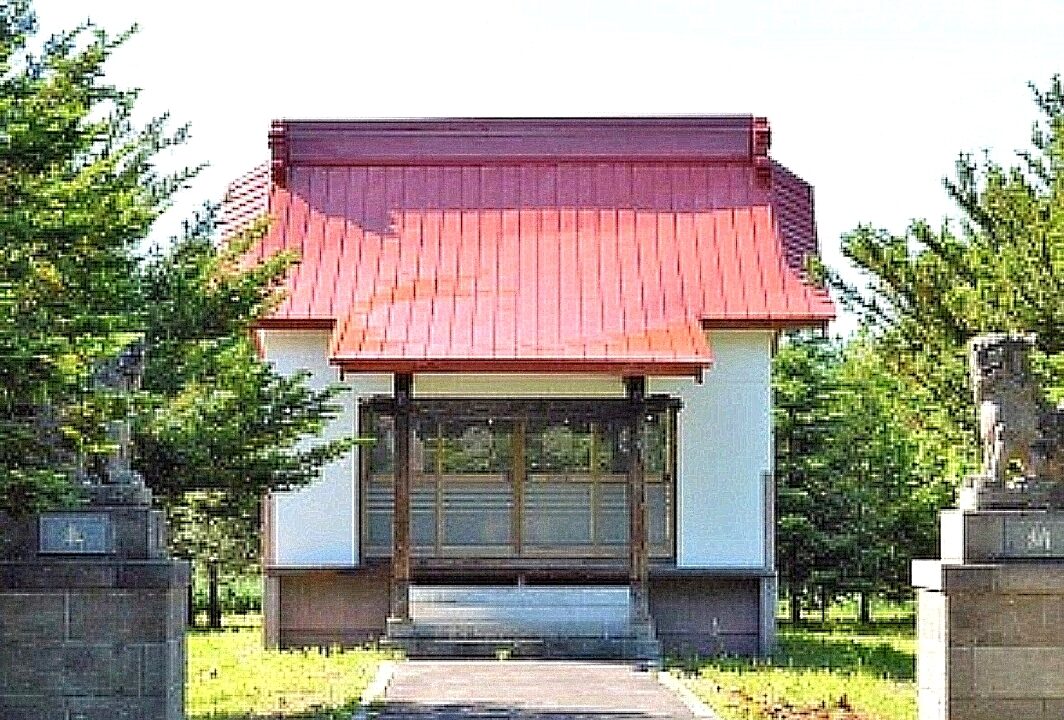
Memuro Futo Shrine Complete Guide | History, Deities, Access, and Goshuin Information [Memuro Town, Kasai District, Hokkaido]
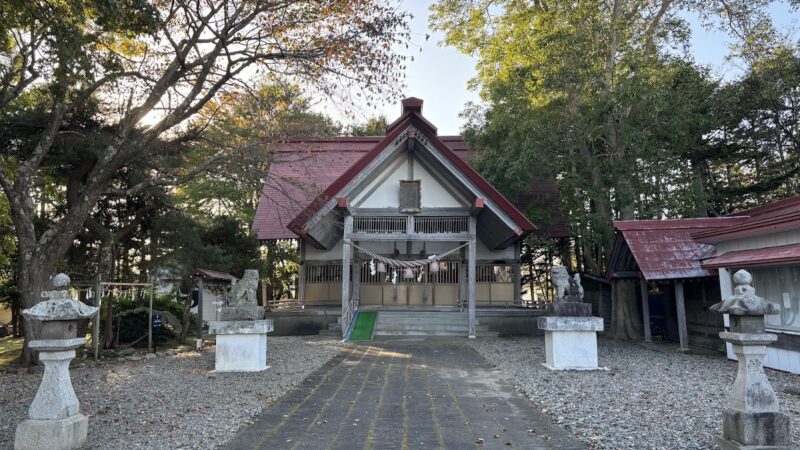
Memuro Futo Shrine, located in Memuro Town, Kasai District, Tokachi region, Hokkaido, is a historical shrine founded in the early Showa period by local residents. This article comprehensively introduces information you should know before visiting Memuro Futo Shrine, including its detailed history, enshrined deities, access methods, and goshuin (shrine stamp) information.
What is Memuro Futo Shrine?
Memuro Futo Shrine is a shrine located in Memuro Town, Kasai District, Hokkaido, and enshrines Amaterasu Omikami as its main deity. While there is another shrine called Memuro Shrine within Memuro Town, Memuro Futo Shrine is an independent shrine located in the Kita-Memuro area, attracting local devotion.
The Role of Shrines in Memuro Town
Memuro Town has developed as a core agricultural area in the Tokachi region, and several shrines have played a central role in the local community. Memuro Taijinja Shrine, in particular, serves as the tutelary shrine of the Kita-Memuro district, and is a spiritual pillar for the local residents.
History of Memuro Taijinja Shrine
Founding History (Showa 3)
The history of Memuro Taijinja Shrine dates back to November 10, 1928 (Showa 3). Nine initiators, led by Mr. Kisuke Okuma, a local resident at the time, decided to establish a shrine that would serve as a spiritual center for the community.
The specific circumstances surrounding the shrine’s founding are as follows:
- Initiators: Mr. Kisuke Okuma and 9 other local volunteers
- Construction Site: 37, Kitamemuro Kita 4-sen (land owned by Mr. Kihachi Yamashita)
- Land Area: 3 tan 8 se (approximately 3,760 square meters) of undeveloped land was leased
- Shrine Building Size: Main hall 0.5 tsubo, offering hall 1.5 tsubo, worship hall 9 tsubo
- Deity Enshrined: Amaterasu Omikami
- Date of Founding: November 10, 1928 (Showa 3)
During the pioneering period of Hokkaido, settlers began their lives in a new land while facing a harsh natural environment. In this context, the founding of a shrine was not merely the construction of a religious facility, but an important undertaking to strengthen community bonds and provide a spiritual anchor.
The Path to Incorporation (1978-1979)
Approximately 50 years after its founding, in 1978 (Showa 53), Memuro Taijinja Shrine reached a major turning point.
- March 20, 1978: Decision made to incorporate Memuro Taijinja Shrine
- May 30, 1978: Application submitted for religious corporation status
- October 17, 1979: Formal approval as a religious corporation
This incorporation recognized Memuro Taijinja Shrine as a legally independent religious corporation, enabling more stable shrine management. Many shrines in Hokkaido had been undergoing incorporation from the 1960s to the 1970s, and Memuro Taijinja Shrine followed this trend, establishing its organizational foundation accordingly.
To the Present Day
Since its incorporation, Memuro Taijinja Shrine has continued to contribute to the local community as the local tutelary shrine, through the execution of annual events and life rituals for local residents (such as first shrine visits for newborns, Shichi-Go-San, and exorcisms). In recent years, as a shrine belonging to the Hokkaido Association of Shinto Shrines, it has also focused on the preservation of traditional Shinto culture.
Deities and Divine Virtues
Amaterasu Omikami
The deity enshrined at Memuro Taijinja Shrine is Amaterasu Omikami. Amaterasu Omikami is the supreme deity in Japanese mythology and is revered as the ancestral deity of the Imperial Family.
Divine Virtues of Amaterasu Omikami:
- National Security: Peace and prosperity for all of Japan
- Abundant Harvest: Development of agriculture and abundant harvests
- Good Fortune and Prosperity: Attracting all kinds of good fortune
- Protection from Evil: Protection from disaster
- Family Safety: Health and peace for the family
The Tokachi region is one of Japan’s leading agricultural areas, and Memuro Town boasts the largest corn cultivation area and harvest volume in Japan. Worshipping Amaterasu Omikami, who bestows the divine virtue of abundant harvests, held extremely important significance for the local residents who made their living from agriculture.
Access to Memuro Taijinja Shrine
Basic Information
- Location: Kitamemuro area, Memuro-cho, Kasai-gun, Hokkaido
- Nearest Station: Memuro Station, JR Nemuro Main Line
- Parking: Available (for visitors)
Transportation Access
Access by Train:
- Get off at Memuro Station on the JR Nemuro Main Line
- Approximately 30 minutes on foot north from the station (approx. 2.4 km)
- Or approximately 5 minutes by taxi
Access by Car:
- Approximately 15 minutes from Memuro-Obihiro IC on the Doto Expressway
- Approximately 20 minutes from the center of Obihiro city via National Route 38
- Head north on the Memuro Station Prefectural Road from National Route 38
Access by Bus:
Tokachi Bus routes are available. It is accessible on foot from the nearest bus stop, but since the number of buses is limited, it is recommended to check the timetable in advance. ### Location of Surrounding Shrines
There are several shrines within Memuro Town:
- Memuro Shrine: Located at 8-2 Hon-dori, Memuro Town. Within walking distance of Memuro Station.
- Memuro Taijinja Shrine: Located in the Kita-Memuro area. Approximately 2.4 km north of Memuro Shrine.
These are separate shrines, so please be careful not to confuse them when visiting.
Goshuin (Shrine Seal) Information
About Goshuin at Memuro Taijinja Shrine
Regarding the issuance of Goshuin at Memuro Taijinja Shrine, prior confirmation is necessary. Some local shrines in Hokkaido do not have resident priests, or the priests may be concurrently serving at nearby shrines.
If you wish to receive a Goshuin (temple/shrine stamp):
- Contact the Hokkaido Shrine Association or Memuro Taijinja Shrine in advance to confirm availability.
- Check if the shrine office is open when you visit.
- If the office is closed, the stamp may be issued at a subsidiary shrine.
Goshuin Pilgrimage in Memuro Town
When visiting Memuro Town, you can also consider receiving a Goshuin at Memuro Shrine. Memuro Shrine offers seasonal limited-edition Goshuin, as well as Goshuin featuring corn, a local specialty, making it popular among Goshuin enthusiasts.
Annual Events and Festivals
Main Annual Events
Memuro Taijinja Shrine holds annual events in accordance with Shinto traditions.
Spring Festivals:
- Kinensai: A grand spring festival praying for a bountiful harvest
- Reisai: The most important festival commemorating the founding of the shrine
Summer Festivals:
- Natsukoshi no Oharae: A Shinto ritual to purify and cleanse away the sins and impurities accumulated over the past six months
Autumn Festivals:
- Niinamesai: A grand autumn festival giving thanks for the harvest
- Shichi-Go-San Mairi: A pilgrimage to celebrate the growth of children
Winter Festivals:
- Oharae: A year-end Shinto ritual to purify away the sins and impurities accumulated over the year
- Saitansai: A New Year’s Day festival to welcome the new year
Connection with the Community
Memuro Taijinja Shrine plays various roles as a central hub of the local community. It is a presence that accompanies residents at important milestones in their lives, such as prayers for community safety, abundant harvests, and the healthy growth of children.
Manners and Etiquette for Visiting a Shrine
Basic Etiquette for Visiting a Shrine
There are traditional manners for visiting a shrine. When visiting Memuro Taisha Shrine, please observe the following basic etiquette.
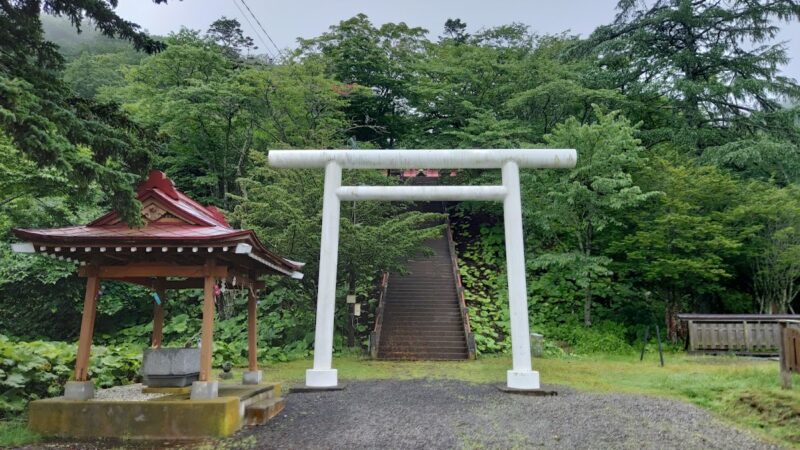
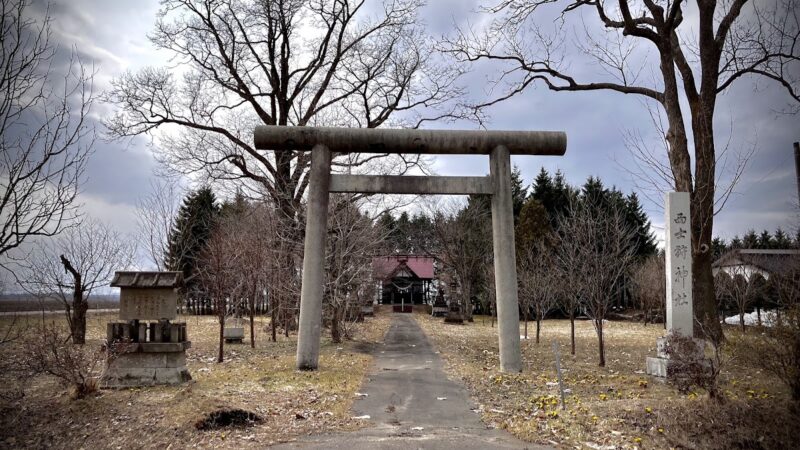
How to Pass Through a Torii Gate:
- Bow before the torii gate.
- Walk on the path, avoiding the center (the center is the path for the gods).
- Maintain a quiet and solemn attitude within the shrine grounds.
How to Wash Your Hands:
- Take the ladle with your right hand and wash your left hand.
- Switch the ladle to your left hand and wash your right hand.
- Switch the ladle back to your right hand, receive water in your left hand, and rinse your mouth.
- Wash your left hand again.
- Hold the ladle upright, let water flow down the handle, and return it to its original position.
Worship at the Main Hall:
- Quietly place your offering in the offering box.
- If there is a bell, ring it.
- Perform two bows, two claps, one bow (bowing twice, clapping twice, bowing once).
- After worshiping, turn around and bow before leaving the torii gate.
Attire for Worship
While special attire is not required for normal worship, please consider the following points:
- Dress neatly.
- Avoid overly revealing clothing.
- Remove hats and sunglasses before entering the main shrine building.
- Take thorough precautions against the cold during winter (Hokkaido winters are extremely cold).
Hokkaido’s Shrine Culture and Memuro Taijinja Shrine
The Relationship Between Hokkaido’s Development and Shrines
Many shrines in Hokkaido were founded by settlers from Honshu during the development period after the Meiji Restoration. Memuro Taijinja Shrine was founded in the early Showa period and is classified as a relatively new shrine.
The settlers established shrines in their new lands by receiving divided spirits from their hometown shrines or by newly inviting universal deities such as Amaterasu Omikami. This was not merely the construction of religious facilities, but played an important role in establishing a spiritual pillar for the community and strengthening the bonds among the settlers.
Characteristics of Shrines in the Tokachi Region
The Tokachi region is a particularly agricultural area within Hokkaido. Therefore, there are many shrines dedicated to deities who bestow the blessings of abundant harvests, and Memuro Taijinja Shrine is one of them.
In the vast Tokachi Plain, where farmland stretches out, shrines have played the following roles:
- A place to pray for a bountiful harvest
- A place to offer thanks for the harvest
- A place for local residents to gather and interact
- A base for passing on traditional culture
Memuro Town’s Charms and Tourism Information
About Memuro Town
Memuro Town is a town with a population of approximately 18,000 located in the Tokachi region of Hokkaido. It boasts “the largest corn cultivation area and harvest volume in Japan,” and has developed with agriculture as its core industry.
Main Features of Memuro Town:
- Japan’s No. 1 corn producer
- Vast farmlands and abundant nature
- Convenient location adjacent to Obihiro City
- Interchange on the Doto Expressway
Attractions around Memuro Taijinja Shrine
When visiting Memuro Taijinja Shrine, be sure to explore the surrounding tourist spots as well.
Tourist Spots in Memuro Town:
- Memuro Shrine: A shrine located in the center of town. Famous for its beautiful flower-filled water basin.
- Memuro Park: A place of relaxation for townspeople.
- Michi-no-Eki Memuro: Local agricultural products and specialty goods can be purchased.
- Memuro Shin-Arashiyama: A forest park rich in nature.
Nearby Tourist Destinations:
- Obihiro City: The central city of the Tokachi region. Rokkatei Main Store, Obihiro Racecourse, etc.
- Tokachigawa Onsen: A hot spring resort famous for its moor hot springs
- Tokachi Hills: A beautiful garden
Gourmet in Memuro Town
When visiting Memuro Town, be sure to enjoy the local cuisine made with agricultural products.
- Corn: Fresh corn available only in summer
- Tokachi Wagyu Beef: High-quality brand beef
- Dairy Products: Cheese and ice cream made with fresh milk from Tokachi
- Wheat Products: Bread and sweets made with wheat from Tokachi
Best Season to Visit Memuro Taijinja Shrine
Seasonal Attractions
Spring (April-June):
- The short spring of the northern country arrives with the melting snow
- The season when farming begins, ideal for praying for a bountiful harvest
- A time when temperatures rise, making it easy to visit
Summer (July-August):
- Refreshing climate typical of Hokkaido
- The season when crops, including corn, grow
- High probability of events such as annual festivals being held
Autumn (September-November):
- Harvest season, with thanksgiving festivals such as Niiname-sai
- A time when autumn leaves are beautiful
- The season when agricultural products are most abundant
Winter (December-March):
- The shrine grounds are magically covered in snow
- First shrine visit of the year from New Year’s Eve to New Year’s Day
- Warm clothing is essential (temperatures can drop below -20 degrees Celsius)
Points to note when visiting
Visiting in winter:
- Beware of snow and ice
- Wear non-slip shoes
- Warm clothing, gloves, and a hat are essential
- If visiting by car, use winter tires
Visiting in summer:
- Carrying insect repellent is recommended
- Sun protection
- Don’t forget to stay hydrated
Memuro Taijinja Shrine and the local community
Connection with local residents
Since its founding, Memuro Taijinja Shrine has been cherished by local residents as the guardian shrine of the Kita-Memuro area. It is deeply rooted in the lives of residents, who visit the shrine at important life events and pray for the safety of the community.
Connection with the Community:
- Life rites such as first shrine visits and Shichi-Go-San (7-5-3) celebrations
- Prayers for community safety
- Prayers for bountiful harvests
- Intergenerational exchange through annual events
- Preservation of traditional culture
The Role of Shrines in an Era of Depopulation
Population decline is progressing in rural areas of Hokkaido, and Memuro Town is no exception. However, even in this situation, shrines continue to play an important role as the core of the local community.
Festivals and annual events provide opportunities for people living far away to return to their hometowns and are indispensable for maintaining community bonds. Memuro Taijinja Shrine will continue to be carefully preserved as such a spiritual pillar of the community.
Summary: The Charm of Memuro Taijinja Shrine
Memuro Taijinja Shrine is a historical shrine founded in 1928 by local residents. It enshrines Amaterasu Omikami as its main deity and is believed to bestow blessings such as abundant harvests, family safety, and good fortune.
Located in the agricultural region of Tokachi, Hokkaido, this shrine has long been revered as the local guardian deity. Standing amidst the vast Tokachi Plain, it is a precious reminder of the region’s history and culture, dating back to the pioneering era.
When visiting Memuro Town, be sure to pay your respects at Memuro Taisha Shrine and experience Hokkaido’s shrine culture and local history. The time spent praying in the tranquil grounds will be a precious moment away from the hustle and bustle of everyday life.
When visiting, it is important to observe basic manners and show respect to the deities. Also, fully appreciate the charm of the shrine along with the ever-changing scenery of Hokkaido’s nature throughout the seasons.