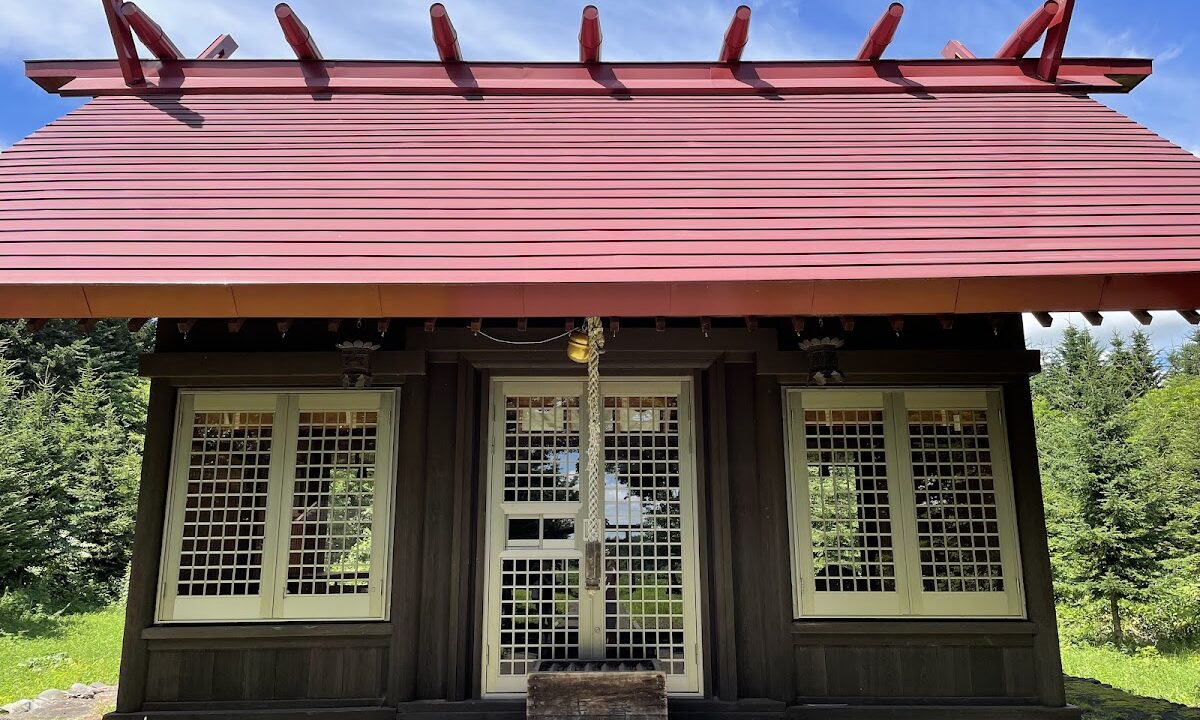
Complete Guide to Okatsu Shrine (Shimizu Town, Hokkaido): History, Access, and Goshuin Information
Okatsu Shrine, located in Shimizu Town, Kamikawa District, Hokkaido, is a historic shrine that conveys the pioneering spirit of the Meiji era. Having grown alongside the development of the Tokachi region, this shrine has long been revered as the guardian deity of the area. This article comprehensively provides useful information for visitors, including the detailed history of Okatsu Shrine, its enshrined deities, access methods, and Goshuin information.
Basic Information on Okatsu Shrine
Okatsu Shrine is located at 63 Kumau, Shimizu Town, Kamikawa District, Hokkaido, and has a history deeply intertwined with the pioneering history of the Tokachi region.
Location and Contact Information
- Address: 63 Kumau, Shimizu-cho, Kamikawa-gun, Hokkaido
- Nearest Station: Tokachi-Shimizu Station, JR Nemuro Main Line
- Religious Corporation Certification: November 16, 1953 (under the Religious Corporations Act)
- Affiliation: Hokkaido Shrine Association
Deities Enshrined
Ōkatsu Shrine enshrines the three pioneering deities, whose spirits were divided from Sapporo Shrine (now Hokkaido Shrine).
- Ōkunitama-no-kami: God of national development
- Ōnamuchi-no-kami: Another name for Ōkuninushi-no-kami, god of nation-building
- Sukunahikona-no-kami: God of medicine and hot springs, god of assistance in nation-building
These three deities are enshrined in many shrines as guardian deities of Hokkaido’s development, and are objects of worship for land development, agricultural prosperity, and regional development.
History and Origins of Ōkatsu Shrine
The history of Ōkatsu Shrine is essentially the history of Hokkaido’s development during the Meiji era.
Meiji Era: Founding of the Shrine
In 1904 (Meiji 37), tenant farmers of the Tokachi Reclamation Company, who settled in the Kumauchi wilderness, erected a small shrine at 77, Kumauchi West 2nd Line, praying for the development and protection of the region. Initially, the shrine enshrined Amaterasu Omikami and was revered as the guardian deity of the region. This small shrine is the origin of the present-day Daikatsu Shrine.
In 1911 (Meiji 44), Yoshikazu Yoshida, the farm manager of the Tokachi Reclamation Company at the time, selected a high, dry area of the farm and prepared the land for the construction of the shrine. For those engaged in pioneering, the existence of a shrine, a spiritual anchor, was extremely important.
Taisho Era: Establishment as a Formal Shrine
In September 1912 (Taisho 1), the Tokachi Reclamation Company donated 5 hectares of land as the shrine grounds and basic assets. That same year, a divided spirit was received from Sapporo Shrine (now Hokkaido Shrine), and the worship hall was constructed.
At this time, the shrine was named “Daikatsu Shrine,” combining the “Dai” from the new era name “Taisho” and the “Katsu” from the regional name “Tokachi.” This name embodies the wish for great victory and development of the region in the new era.
The application for establishment was submitted in February 1923 (Taisho 12), and formal approval was received on March 31, 1924 (Taisho 13).
From the Showa Era Onward: To the Present
On November 16, 1953 (Showa 28), it received certification as a religious corporation under the Religious Corporations Law, establishing itself as a legally recognized religious corporation.
In 1974 (Showa 49), the shrine grounds were designated as a protected area under the Hokkaido Nature Conservation Ordinance. This means that the shrine’s forest was recognized as a valuable natural environment for the region. The grounds of Daikatsu Shrine remain a precious space where nature, preserved since the pioneering era, still exists.
How to Access Daikatsu Shrine
Daikatsu Shrine is located in the Tokachi region of Hokkaido and is accessible by both public transport and car.
Access by Train
From Tokachi-Shimizu Station on the JR Nemuro Main Line
- If walking from Tokachi-Shimizu Station, please consider the distance and time.
- Taking a taxi from the station is convenient.
- Access is also possible from Shintoku Station, but Shimizu Station is closer.
Access by Car
- Doto Expressway: Approximately 10-15 minutes by car from Tokachi-Shimizu IC
- National Route 274: Approximately 3 hours from Sapporo, crossing the Hidaka Pass
- From Obihiro City: Approximately 30-40 minutes via National Routes 38 and 274
Parking is available on the shrine grounds, but it is recommended to check details in advance.
Travel Time from Major Surrounding Cities
- From Sapporo: Approximately 3 hours by car (using expressways)
- From Obihiro: Approximately 30-40 minutes by car
- From New Chitose Airport: Approximately 2 hours 30 minutes by car
About Goshuin (Shrine Seals)
Information regarding Goshuin at Ogatsu Shrine is limited, but many visitors come seeking them.
How to Obtain a Goshuin
According to local information, Ogatsu Shrine may not always have a resident priest, and you may not be able to receive a Goshuin directly. Those wishing to receive a Goshuin should note the following:
- It is recommended to inquire in advance with the Hokkaido Shrine Association or related shrines in Shimizu Town.
- Even if you bring your Goshuin book, the office may not be open.
- It is also necessary to check in advance whether pre-printed Goshuin are available.
Manners for Visiting Shrines
Goshuin are not merely commemorative stamps, but are given as proof of your visit. Please keep the following points in mind:
- First, visit the main shrine before receiving your goshuin (shrine stamp).
- Handle your goshuincho (stamp book) with care.
- Don’t forget to express your gratitude to the shrine priests.
Highlights and Features of the Shrine Grounds
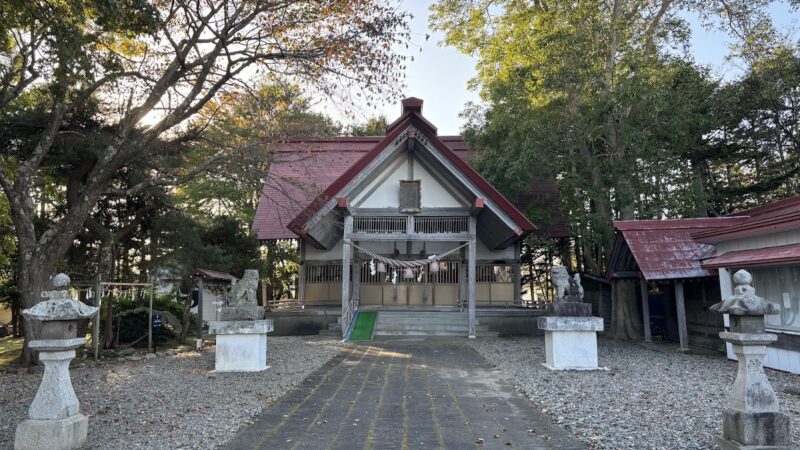
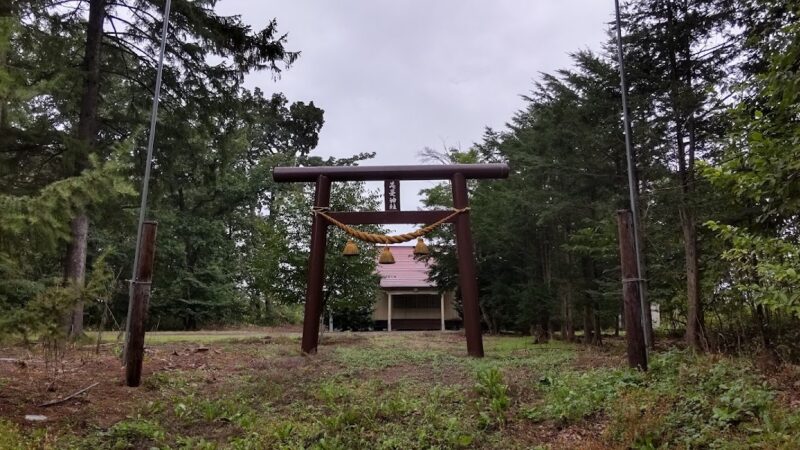
The grounds of Daikatsu Shrine are surrounded by abundant nature, as it is designated as a nature reserve in Hokkaido.
The Shrine Forest
Designated as a protected area in 1974 under the Hokkaido Nature Conservation Ordinance, the forest within the shrine grounds is a valuable natural environment that has been preserved since the pioneering era. The forest, which shows different expressions in each of the four seasons, provides peace and tranquility to visitors.
- Spring: Beautiful fresh greenery, and the breath of life can be felt as the snow melts.
- Summer: A tranquil space enveloped in deep green.
- Autumn: Autumn leaves color the shrine grounds.
- Winter: A fantastical landscape covered in snow.
Shrine Architecture
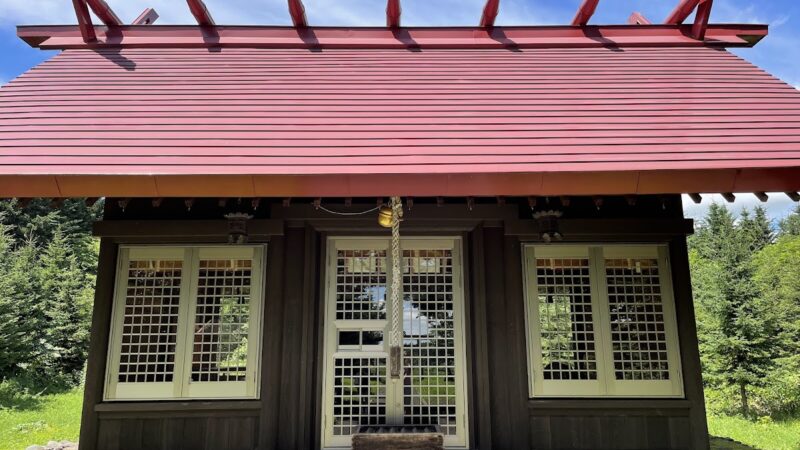
The worship hall, built during the Taisho era, is a valuable building that conveys the faith of the pioneers of that time. The simple yet carefully maintained shrine reflects the feelings of the local people towards the shrine.
Annual Events at Okatsu Shrine
As a local shrine, Okatsu Shrine is thought to hold various festivals throughout the year, but it is recommended to check the specific festival dates in advance.
Major Annual Events at a Typical Shrine:
- New Year’s Day Festival: Prayers for peace and prosperity in the new year
- Spring Grand Festival: Prayers for the arrival of spring and a bountiful harvest
- Autumn Grand Festival: Gratitude for the harvest
- Great Purification Ceremony: A Shinto ritual to cleanse away sins and impurities accumulated over the past six months
Etiquette for Visiting a Shrine
There are basic etiquette rules for visiting a shrine. When visiting Daikatsu Shrine, please observe the following etiquette.
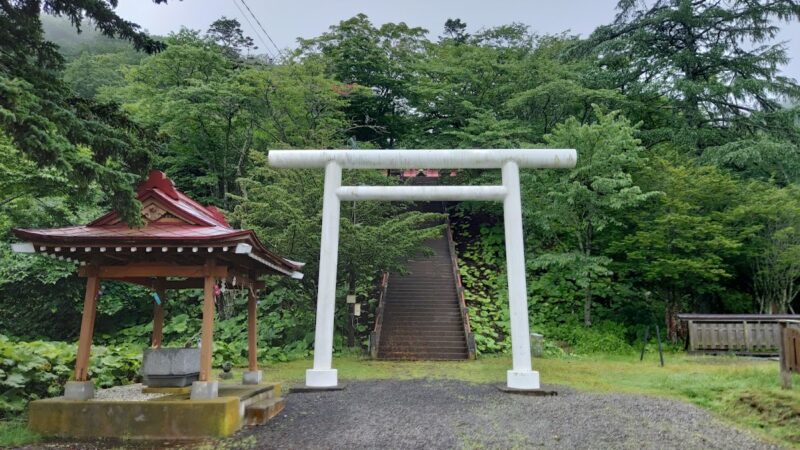
How to Pass Through the Torii Gate
- Bow before the torii gate.
- Walk along the edge of the path, as the center is the path for the gods.
- Proceed into the shrine grounds while composing yourself.
How to Wash Your Hands
- Hold the ladle in your right hand and wash your left hand.
- Switch the ladle to your left hand and wash your right hand.
- Switch the ladle back to your right hand, receive water in your left hand, and rinse your mouth.
- Wash your left hand again.
- Hold the ladle upright, wash the handle, and return it to its original position.
How to Worship at the Main Hall
- Quietly place your offering in the offering box.
- If there is a bell, ring it.
- Two bows, two claps, one bow.
- Bow deeply twice.
- Clap twice.
- Finally, bow deeply once.
Nearby Tourist Attractions
When visiting Daikatsu Shrine, be sure to also visit other tourist attractions in Shimizu Town and the Tokachi region.
Highlights of Shimizu Town
- Tokachi Millennium Forest: A vast natural garden
- Shimizu Town Hot Spring: A day-trip hot spring facility
- Roadside Station: Where you can purchase local specialties
Tourism in the Tokachi Region
- Obihiro City: The central city of the Tokachi region, famous for its pork rice bowls and Rokkatei confectionery
- Lake Shikaribetsu: A lake located at an altitude of 800m
- Kofuku Station: A former Japanese National Railways station, famous for the slogan, “From the Land of Love to Happiness”
About Shimizu Town
Shimizu Town, where the Daikatsu Shrine is located, is a town in the northwestern part of the Tokachi region of Hokkaido.
Characteristics of Shimizu Town
- Population: Approximately 9,000 (as of 2024)
- Industry: Agriculture is the main industry, especially livestock farming and field crops
- Specialty Products: Tokachi beef, potatoes, wheat, etc.
- Climate: Inland climate with large temperature fluctuations
History of Shimizu Town
The town of Shimizu began full-scale development in the late Meiji era, with systematic development carried out by the Tokachi Reclamation Company. The history of Daikatsu Shrine is closely intertwined with the history of Shimizu Town’s development.
Shrine Culture of Hokkaido
Understanding the characteristics of shrine culture in Hokkaido is also important for understanding Daikatsu Shrine.
Characteristics of Shrines in Hokkaido
Shrines in Hokkaido have several characteristics compared to those in Honshu:
- Relatively recent history: Many were founded after the Meiji era.
- Worship of the Three Pioneer Deities: Many shrines enshrine Ōkunitama-no-kami, Ōnamuchi-no-kami, and Sukunahikona-no-kami.
- Relationship with Hokkaido Shrine: Many shrines have divided spirits from Hokkaido Shrine (formerly Sapporo Shrine).
- Close connection to the history of pioneering: The history of pioneering in each region overlaps with the history of the shrines.
Significance of the Three Pioneer Deities
The three pioneerer deities enshrined at Ōkatsu Shrine played an important role as spiritual support in the pioneering of Hokkaido. For the pioneers who forged a new land in a harsh natural environment, faith in these deities was a source of courage and hope.
Points to Note When Visiting
When visiting Ōkatsu Shrine, please note the following points.
Clothing and Preparation
- Seasonal Clothing: Hokkaido’s climate is highly variable, so warm clothing is essential, especially in winter.
- Comfortable Shoes: The shrine grounds are rich in nature, so comfortable shoes are recommended.
- Insect Repellent: Insect repellent spray is useful in summer.
Visiting Hours
While the shrine is generally open 24 hours for worship, the shrine office may have limited hours. It is recommended to check in advance if you wish to obtain a Goshuin (shrine stamp) or other items.
Photography Etiquette
- Refrain from taking photographs inside the main hall.
- Be considerate of other worshippers.
- Remember that this is a sacred place.
The Faith of Okatsu Shrine and its Connection to the Community
Since its founding, Okatsu Shrine has played an important role as the center of faith for the local people.
Role as a Guardian Deity of the Region
Since the early days of settlement in the Meiji era, Okatsu Shrine has been revered by the local people as the guardian deity of the Kumauchi district. In agricultural regions, it has functioned as a place to pray for a bountiful harvest, family safety, and regional prosperity.
Significance in Modern Times
Even today, Okatsu Shrine symbolizes the identity of the region. In rural areas facing depopulation, shrines are valuable places that convey the history and culture of the region.
Summary: Points to Remember When Visiting Okatsu Shrine
Okatsu Shrine is a historic shrine that conveys the history of the development of the Tokachi region of Hokkaido. Please keep the following points in mind when visiting.
Things to Check Before Visiting
- Access Method: Access by car is convenient.
- Goshuin (Shrine Seal): Please check in advance as there may not be a resident priest.
- Season and Weather: Prepare according to Hokkaido’s climate.
- Nearby Sightseeing: Plan to combine your visit with sightseeing in Shimizu Town and the Tokachi region.
The Charm of Daikatsu Shrine
- Experience the history of pioneering during the Meiji and Taisho eras.
- A rich natural environment designated as a nature reserve.
- A shrine unique to Hokkaido, enshrining the three pioneering deities.
- A place where the faith of the local people thrives.
Visiting Daikatsu Shrine is not merely sightseeing; it will be a valuable opportunity to reflect on the history of Hokkaido’s pioneering and the hardships of our ancestors. When you visit the Tokachi region, please be sure to visit this historic shrine.
Related Information and Inquiries
For the latest information and details regarding Daikatsu Shrine, please contact the following:
- Hokkaido Shrine Association: The governing body for shrines in Hokkaido
- Shimizu Town Hall: Also provides local tourism information
- Tokachi Tourism Federation: Comprehensive tourism information for the Tokachi region
When visiting the shrine, please respect its tranquil atmosphere, observe proper etiquette, and pray with a calm heart. We hope that Daikatsu Shrine will be a place where everyone can spend a peaceful and relaxing time.