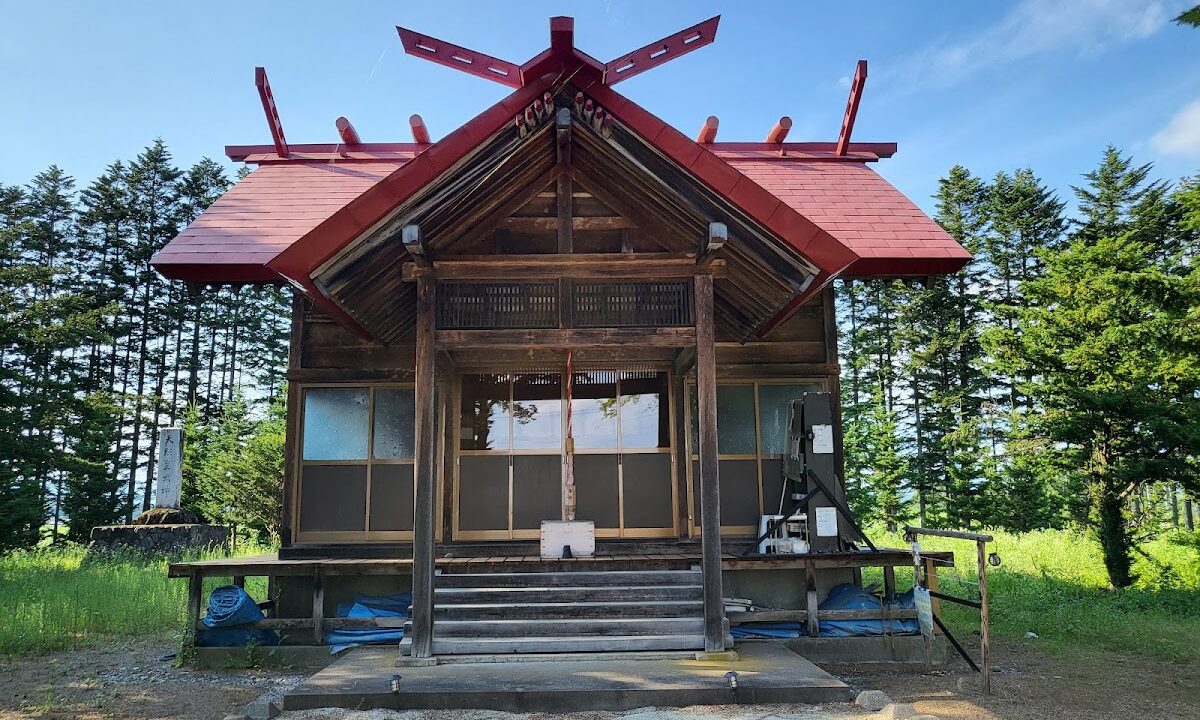
Complete Guide to Hitomai Shrine (Shimizu Town, Hokkaido) | Goshuin (Shrine Seal), History, and Access Information
Located in Shimizu Town, Kamikawa District, Hokkaido, Hitomai Shrine is a deeply rooted local shrine dedicated to Amaterasu Omikami and Ninomiya Sontoku. It is a rare shrine, being the only one of its kind in Japan, and a valuable cultural heritage site that conveys the history of the Hotoku philosophy and regional development.
This article comprehensively covers everything you need to know before visiting Hitomai Shrine, including its detailed history, goshuin (shrine seal) information, access methods, the origin of its name, and points to consider when visiting.
Basic Information about Jinmai Shrine
Location: 25 Jinmai, Shimizu-cho, Kamikawa-gun, Hokkaido 089-0101
Deities Enshrined:
- Amaterasu Omikami
- Ninomiya Sontoku no Mikoto
Former Shrine Rank: None
Annual Festival Date: September 17th
Spring Festival: May 5th
Jinmai Shrine is an unmanned shrine, but it is carefully maintained by local residents, providing a clean and peaceful atmosphere for worship.
History of Jinmai Shrine
From Founding to the Jinmai Hotoku Shrine Era
The history of Jinmai Shrine dates back to September 1936 (Showa 11). At that time, the shrine was established on a 1-hectare farm owned by Meiji Sugar Manufacturing Co., Ltd. (now Nippon Beet Sugar Manufacturing Co., Ltd.), which was leased free of charge.
At its founding, the shrine was called “Hitomai Hotoku Shrine,” and the practice of bringing the enshrined deity from the Hotoku Shrine for worship was adopted. The Hotoku Shrine is dedicated to Ninomiya Sontoku (Ninomiya Kinjiro), and his teachings, the “Hotoku philosophy,” a practical philosophy of life centered on diligence, moderation, and sharing, served as a spiritual pillar for many settlers during the pioneering era of Hokkaido.
During the time of the Hitomai Hotoku Shrine, the annual festival was held on September 17th and the spring festival on May 5th, functioning as a place to pray for the development of local agriculture and the peace and well-being of the residents.
Merger and Renaming with Higashi Hitomai Shrine
On September 16, 1948 (Showa 23), the Hitomai Hotoku Shrine merged with the Higashi Hitomai Shrine. As a result of this merger, Amaterasu Omikami was added as an enshrined deity, making it a shrine that enshrines two deities: Ninomiya Sontoku and Amaterasu Omikami.
Following the merger, the shrine’s name was changed to “Hitomai Shrine,” resulting in its current form. This name change is thought to have been intended to clarify its role as a shrine encompassing the entire region.
Amaterasu Omikami is the supreme deity of Japan and revered as the ancestral deity of the Imperial Family. On the other hand, Ninomiya Sontoku was an agricultural administrator and thinker of the late Edo period, and his Hotoku philosophy had a significant influence on rural reconstruction and development projects after the Meiji Restoration. By enshrining these two deities together, Hitomai Shrine became a place to pray for both national peace and the development of local industries.
Hokkaido Development and Hotoku Philosophy
In the history of Hokkaido’s development, Hotoku philosophy played a crucial role. Especially in the Tokachi region, from the Meiji era to the early Showa era, many settlers cultivated farmland while facing a harsh natural environment.
Ninomiya Sontoku’s teachings of “sincerity, diligence, moderation, and sharing” were accepted as guidelines for achieving sustainable agricultural management through cooperation within limited resources. The founding of the Jinmai Hotoku Shrine can be seen as part of the practical application of this pioneering spirit and the Hotoku philosophy.
The provision of farmland by Meiji Sugar Co., Ltd. (later Nippon Beet Sugar Co., Ltd.) is a fine example of a company cooperating in building a spiritual foundation for the local community.
About the Deity
Amaterasu Omikami
Amaterasu Omikami is the supreme deity in Japanese mythology and is revered as the sun goddess. She is the ancestral deity of the Imperial family, enshrined in the Inner Shrine of Ise Grand Shrine, and is believed to bestow divine blessings such as national peace, abundant harvests, and good fortune.
At Jinmai Shrine, Amaterasu Omikami was added as a deity when it merged with Higashi Jinmai Shrine in 1948. In a region centered on agriculture, the worship of Amaterasu Omikami, symbolizing the blessings of the sun, is natural, and she has been cherished by local residents as an object of prayer for a bountiful harvest.
Ninomiya Sontoku-no-Mikoto
Ninomiya Sontoku (1787-1856) was an agricultural reformer and thinker of the late Edo period. He is also widely known as “Ninomiya Kinjiro,” and statues of him reading a book while carrying firewood were once installed in elementary schools throughout Japan.
The Hotoku philosophy advocated by Sontoku consists of the following four pillars:
- Sincerity: Approaching things with a sincere heart
- Diligence: Working without laziness
- Moderation: Striving to spend according to income and eliminating waste
- Giving and Sharing: Sharing surplus with others and for the future
This philosophy was not merely a philosophical theory, but a practical management philosophy that achieved results in actual rural reconstruction and financial recovery. It was also considered important as a guideline for achieving sustainable agricultural management with limited resources during the development of Hokkaido.
Since its founding as Jinmai Hotoku Shrine, Ninomiya Sontoku has been worshipped as a deity who watches over the development of local industries and the diligent lives of the residents.
Jinmai Shrine’s Goshuin (Shrine Seal) Information
Jinmai Shrine is an unmanned shrine, but it is possible to receive a goshuin.
How to Obtain a Goshuin
As Jinmai Shrine does not have a resident priest, goshuin are issued in the following ways:
- Leave your goshuin book at a designated location within the shrine grounds or nearby.
- Prior contact may be required.
- The Hokkaido Shrine Association or nearby shrines may also handle this.
It is recommended to inquire with the Hokkaido Shrine Association (https://hokkaidojinjacho.jp/) or the local tourism association before visiting.
Shrine Trading Cards
In recent years, some shrines in Hokkaido have been offering “shrine trading cards.” Jinmai Shrine may also have these cards, and they are gaining popularity as a souvenir of your visit along with the goshuin.
Shrine trading cards are collectible cards featuring photographs and basic information about shrines, making them highly desirable and particularly effective in increasing interest in shrine visits among younger generations.
Origin of the Place Name “Hitomai” and the Ainu Language
The unique place name “Hitomai” originates from the Ainu language.
Etymology of the Ainu Language
According to the “Ainu Place Name List” published by the Ainu Policy Division, Ainu Policy Promotion Bureau, Hokkaido Environmental and Lifestyle Department, the place name Hitomai is believed to come from the following Ainu words:
Nitu-oma-p
- nitu: driftwood, lumber
- oma: to exist, to be present
- p: thing, river
Meaning: “Driftwood River,” “Driftwood, exist, thing (river)”
In other words, the place name Hitomai originates from an Ainu word meaning “a river where a lot of driftwood and lumber gathers,” and is thought to have described the characteristics of the river flowing through this region.
Ainu Place Names in the Tokachi Region
Many place names of Ainu origin remain in Hokkaido, particularly in the Tokachi region. Around Shimizu Town, the following place names also have Ainu origins:
- Tokachi: Tokapuchi (tok-ap-ci) “Milk-Coming-We” or “Water-Drinking-We”
- Obihiro: Operepelekep “Spear-Cutting-River”
- Memuro: Mem-Oro “Spring-Place”
These place names demonstrate that the Ainu people observed the natural environment and accurately expressed its characteristics in words.
Access to Jinmai Shrine
Access by Car
Jinmai Shrine is located in the inland area of Hokkaido, so access by car is the most convenient.
From Sapporo:
- Take the Hokkaido Expressway and exit at Tokachi-Shimizu IC.
- Take National Route 274 for approximately 15-20 minutes.
- Distance: Approximately 180 km from Sapporo (Travel time: Approximately 2 hours 30 minutes)
From Obihiro:
- Take National Route 38 and then Prefectural Route 1061.
- Distance: Approximately 30 km from Obihiro city center (Travel time: Approximately 40 minutes)
From Kushiro:
- Head west on National Route 274.
- Distance: Approximately 150 km from Kushiro city center (Travel time: Approximately 2 hours 30 minutes)
Access by Public Transportation
Public transportation access is limited:
Train:
- The nearest station is JR Nemuro Main Line “Tokachi-Shimizu Station”.
- Approximately 8 km from the station to the shrine (approximately 15 minutes by taxi)
Bus:
- Tokachi Bus operates routes within Shimizu Town, but direct services to the Hitomai area are limited.
- It is recommended to check the timetable in advance.
Parking Information
Hitomai Shrine has parking spaces for visitors. As it is an unmanned shrine, it is always available, but since it is also a local road, please avoid street parking and park in the designated area.
Points of Interest and Highlights
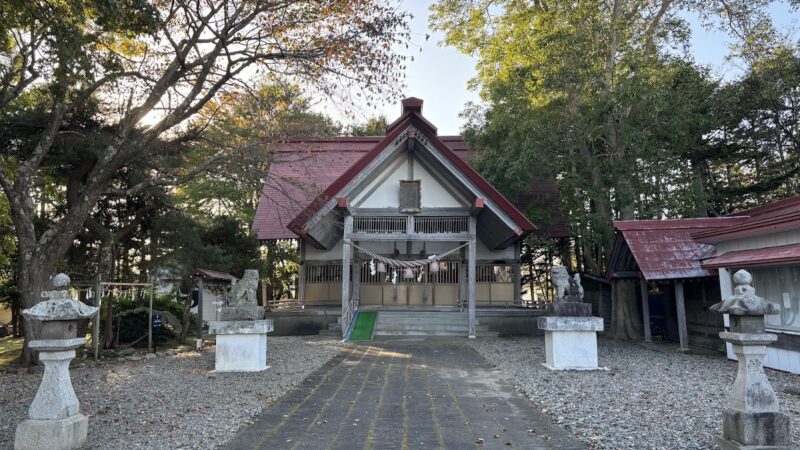
Atmosphere of the Shrine Grounds
Hitomai Shrine is an unmanned shrine, but it is carefully maintained by local residents, welcoming visitors with a clean and peaceful atmosphere.
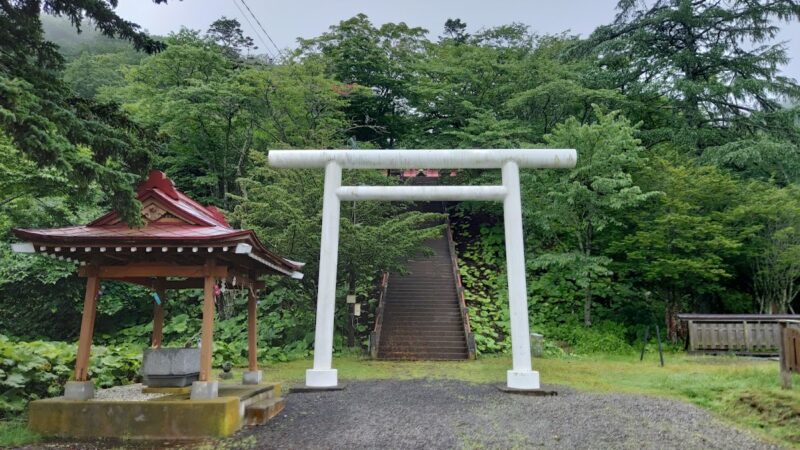
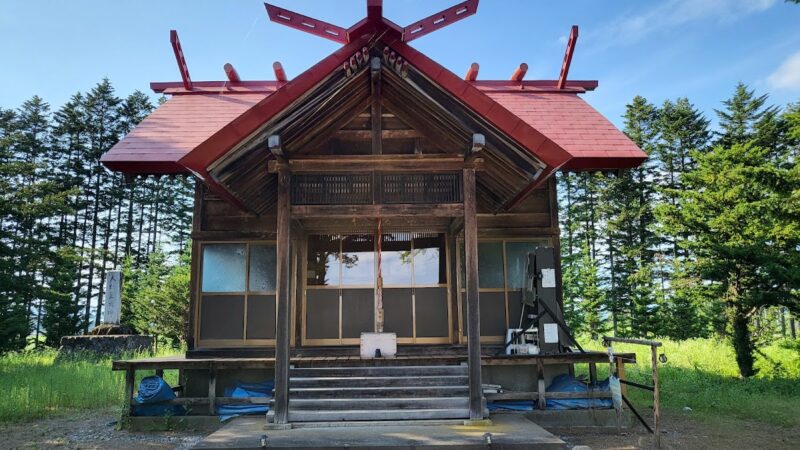
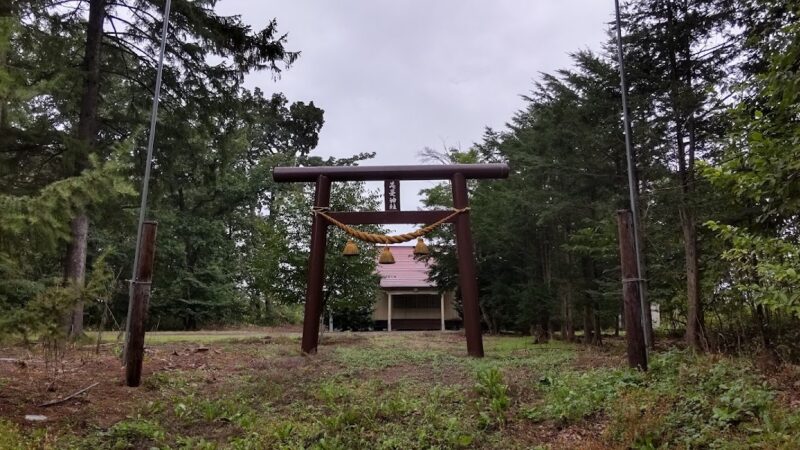
The shrine building is a simple wooden structure, but it conveys the weight of history, having withstood Hokkaido’s harsh climate while preserving the local faith. The grounds also have a purification fountain and a torii gate, providing basic worship facilities.
Etiquette for Visiting a Shrine
When visiting Hitomai Shrine, follow the general etiquette for visiting a shrine:
- Bow before passing through the torii gate.
- Purify your hands and mouth at the water basin. (May be unavailable in winter due to freezing.)
- Avoid walking in the center of the approach to the shrine. (The center is considered the path of the gods.)
- Bow twice, clap twice, and bow once in front of the main hall.
- When leaving, turn around and bow after passing through the torii gate.
Photography Etiquette
Photography is generally permitted at shrines, but please observe the following etiquette:
- Refrain from taking photos inside the main hall.
- Be considerate of other visitors.
- Include accurate information when posting on social media.
- Remember that this is a sacred place.
Nearby Tourist Attractions
When visiting Hitomai Shrine, why not also explore other tourist attractions in Shimizu Town and the Tokachi region?
Tokachi Millennium Forest
A vast garden facility located in Shimizu Town. Beautiful gardens and forests spread across a 400-hectare site. Segway tours and other activities are also available.
Tokachi Ranch
One of Japan’s largest public ranches. The vast pastures and grazing horses and cows offer a quintessential Hokkaido landscape.
Nippon Beet Sugar Manufacturing Co., Ltd. (Nitten)
The factory of the company involved in the founding of the Jinmai Shrine is located in Shimizu Town. You can learn about the process of manufacturing sugar from sugar beets (reservations required for tours).
Agricultural Landscape of the Tokachi Plain
The area around Shimizu Town is part of the Tokachi Plain, with vast farmlands. Different crops are cultivated depending on the season, creating a colorful patchwork landscape.
About Shimizu Town
Shimizu Town is located in the western part of the Tokachi region of Hokkaido. With a population of approximately 9,000 (as of 2024), it is a municipality whose main industry is agriculture.
Characteristics of Shimizu Town
Agriculture: Field crops such as wheat, potatoes, sugar beets, and beans are thriving. Large-scale agriculture, particularly utilizing the fertile soil of the Tokachi Plain, is a distinctive feature.
Livestock Farming: Dairy and beef cattle are raised, producing high-quality dairy products and beef.
Natural Environment: With the Hidaka Mountains as a backdrop, the town boasts beautiful natural scenery. It is also known as a popular spot for mountain climbing and trekking.
History of Shimizu Town
The development of Shimizu Town began in the Meiji era. Settlement of the Hitomai Plain started in 1897 (Meiji 30), and thereafter, many pioneers cultivated farmland while facing the harsh natural environment.
The Hitomai district is one of the settlements formed within this development process, and the founding of Hitomai Shrine (Hitomai Hotoku Shrine) is closely linked to this history of development.
Hotoku Shrines and Hotoku Thought in Hokkaido
The Jinmai Hotoku Shrine, the predecessor of the Jinmai Shrine, is an example of the spread of Hotoku thought in Hokkaido.
Hotoku Shrines in Hokkaido
There are several other Hotoku shrines and shrines dedicated to Ninomiya Sontoku in Hokkaido:
- Sapporo Hotoku Shrine (Sapporo City)
- Hakodate Hotoku Shrine (Hakodate City)
- Asahikawa Hotoku Shrine (Asahikawa City)
These shrines illustrate how Hotoku thought was considered a spiritual pillar during the development of Hokkaido from the Meiji to the early Showa period.
Hotoku Thought in the Modern Era
Ninomiya Sontoku’s Hotoku thought is being re-evaluated in the modern era as a guideline for building a sustainable society and promoting regional development.
In particular, the concepts of “bundo” (spending according to income) and “suijo” (returning surplus to society) share many commonalities with the SDGs (Sustainable Development Goals) and the concept of a circular economy, and are attracting attention as a philosophy with timeless universality.
Points to Note When Visiting
When visiting Jinmai Shrine, please note the following points:
Season and Climate
Summer (June-August): This is a relatively warm and pleasant time to visit. However, don’t forget insect repellent.
Winter (December-March): There is snowfall and roads can freeze. Winter tires or studded tires are essential. Take sufficient precautions against the cold.
Spring and Autumn (April-May, September-November): This is a time of significant temperature fluctuations. Layering clothing is recommended.
Unmanned Shrine
Jinmai Shrine is an unmanned shrine. It is recommended to check emergency contact information and the nearest facilities in advance.
Manners and Consideration
- As this shrine is located within the living area of local residents, disruptive behavior such as noise and illegal parking is strictly prohibited.
- Please take all your trash with you.
- Please be careful not to damage the plants or facilities on the shrine grounds.
- When receiving a Goshuin (shrine stamp), please pay the appropriate offering fee.
Summary: The Charm of Jinmai Shrine
Jinmai Shrine is a precious cultural heritage site in Shimizu Town, Hokkaido, and the only shrine in Japan with the name “Jinmai Shrine.”
It enshrines Amaterasu Omikami and Ninomiya Sontoku, two deities symbolizing national peace and regional industrial development, and conveys the history of Hokkaido’s development in the early Showa period and the practice of the Hotoku philosophy.
Although an unmanned shrine, Jinmai Shrine is carefully maintained by local residents and quietly welcomes visitors. Its simple and sincere appearance seems to embody the spirit of “utmost sincerity” preached by Ninomiya Sontoku.
Nestled amidst the magnificent natural beauty of the Tokachi region, this small shrine offers a precious opportunity to learn about Hokkaido’s pioneering history and experience traditional Japanese spiritual culture.
When visiting Shimizu Town or the Tokachi region, be sure to stop by Jinmai Shrine and reflect on Hokkaido’s history and culture in its tranquil atmosphere.
Receiving a Goshuin (shrine stamp) will be a valuable memento of your Hokkaido shrine pilgrimage. The Goshuin from Jinmai Shrine, the only one of its kind in Japan, will undoubtedly hold special value for shrine enthusiasts.