Complete Guide to Shintoku Shrine (Hokkaido) | History, Goshuin (Shrine Seals), Cherry Blossom Viewing Spots, and Access Information
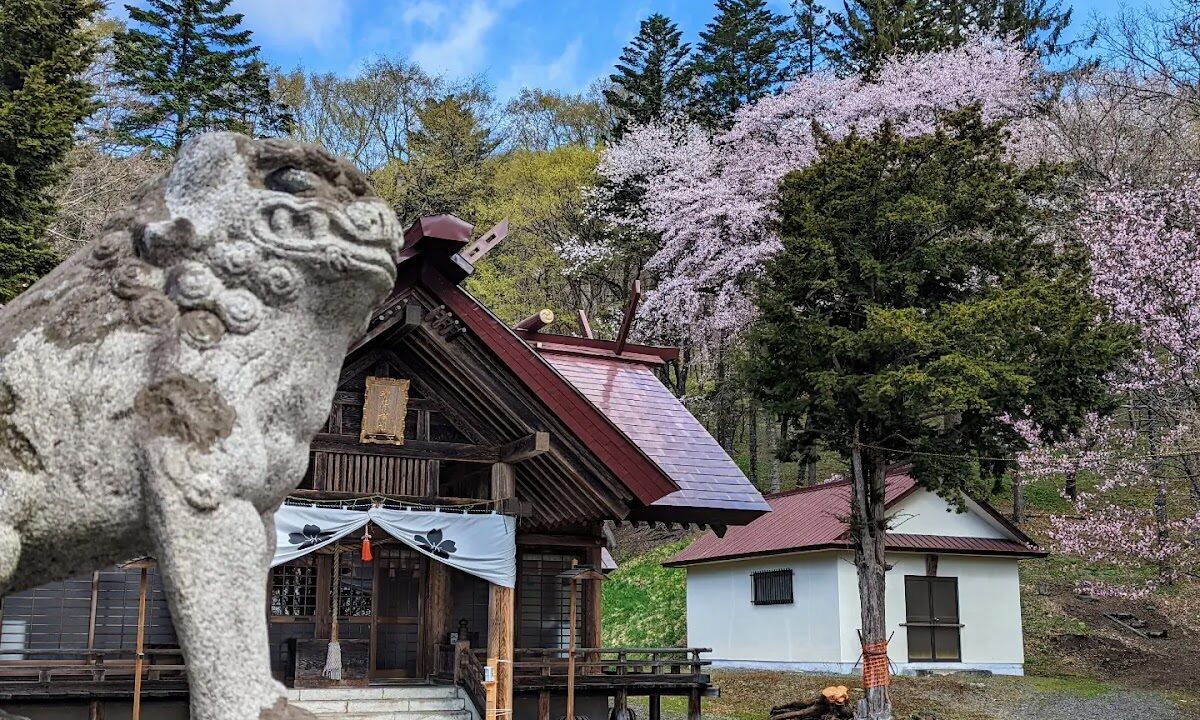
Shintoku Shrine, located in Shintoku Town, Kamikawa District, Hokkaido, is a historic shrine that has watched over the development of the region since the pioneering days of the Meiji era. Founded by settlers from Yamagata Prefecture, it is now known as a famous cherry blossom viewing spot with approximately 2,300 Ezo cherry trees in full bloom. This article provides detailed information you should know before visiting Shintoku Shrine, including its history, goshuin (shrine seals), highlights within the grounds, and access methods.
About Shintoku Shrine
Shintoku Shrine is located in Shintoku Town, Tokachi region, Hokkaido, and enshrines Amaterasu Omikami as its main deity. Its current location is Nishi 1-jo Kita 2-chome, Shintoku Town, Kamikawa District, conveniently within walking distance of Shintoku Station.
A distinctive feature of the shrine is its location on a hilltop on Mount Shintoku, offering a magnificent panoramic view of Shintoku town from its grounds. In spring, the cherry blossoms that cover the mountainside create a breathtaking spectacle, attracting many worshippers and tourists from both within and outside Hokkaido.
Deities Enshrined
Main Deity: Amaterasu Omikami
Amaterasu Omikami is the sun goddess in Japanese mythology and the supreme deity considered the ancestral god of the Imperial family. She is believed to bring blessings for agricultural development, regional prosperity, and family safety, and was enshrined by settlers during the pioneering era to pray for success in their new land.
History of Shintoku Shrine
Circumstances of Founding (Meiji Era)
The history of Shintoku Shrine begins in 1899 (Meiji 32), when 13 settlers from Yamagata Prefecture arrived in the Shintoku wilderness. These settlers, starting a new life in the harsh Hokkaido pioneering land, wished for the establishment of a shrine as a spiritual anchor.
In 1903 (Meiji 36), a group of volunteers including Tamagawa Hanbei, Ota Saitaro, Harada Kumagoro, Okada Zenzo, and Seino Chuzo erected a wooden pillar near the southeast of the present-day Shintoku Elementary School and enshrined Amaterasu Omikami. This is considered the beginning of Shintoku Shrine. While this pillar was simple, it embodied the settlers’ faith and strong desire for regional development.
Relocation and Development of the Shrine
Shintoku Shrine, which started as a simple wooden pillar, was developed over the years along with the growth of the region.
In the late Meiji period, a shrine building was constructed near the summit of Mount Shintoku. Placing the shrine in such a sacred location as the mountaintop created a more divine atmosphere, but it required worshippers to climb the mountain, which was inconvenient, especially during winter and bad weather.
In the Taisho era, considering the convenience of worshippers, it was decided to relocate the shrine to its current location, a high hill on the eastern edge of Mount Shintoku, beyond the base address. This location was ideal because it was easily accessible from the city center while maintaining the dignity of a shrine due to its elevated position.
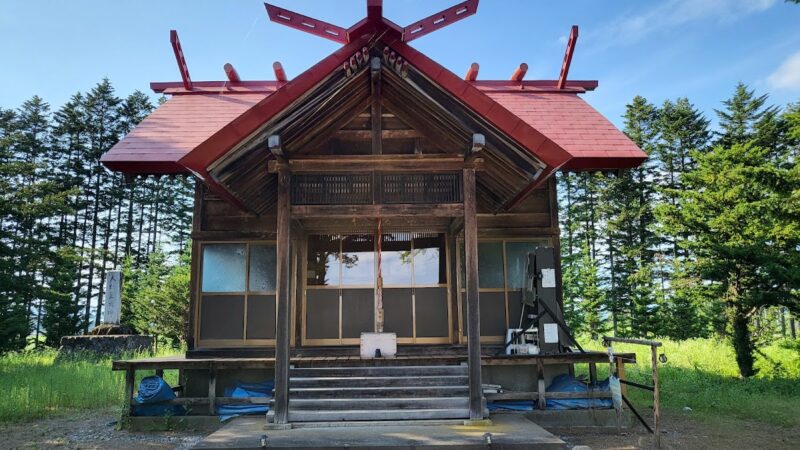
A “Motomiya” (original shrine) was built on the site of the original shrine on the summit of Mount Shintoku, and it is still carefully preserved as the origin of Shintoku Shrine. It is possible to worship at Motomiya, and some worshippers visit it as part of a hike.
Construction and Maintenance of the Shrine
From the Taisho era to the early Showa era, a full-fledged shrine building was constructed at the current location. Granite was used for the shrine building, resulting in a robust structure capable of withstanding Hokkaido’s harsh climate. Granite was chosen as a stone material due to its excellent durability and dignified appearance, befitting shrine architecture.
Even after the war, the shrine continued to attract the faith of local residents, and as the eras changed from Showa to Heisei and Reiwa, the grounds were continuously maintained and the shrine buildings repaired. Today, the shrine has become a symbolic presence in the region, successfully blending historical value with modern management.
Highlights of the Shrine Grounds and Cultural Properties
Main Hall and Worship Hall
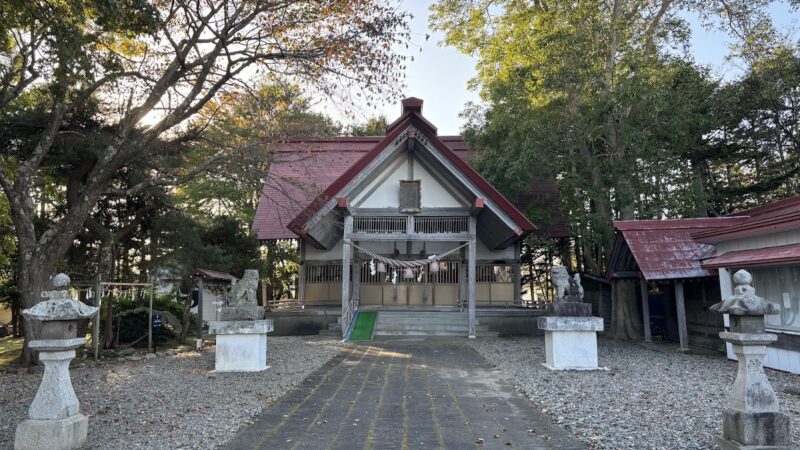
The main hall and worship hall of Shintoku Shrine are historical buildings constructed between the Taisho and early Showa periods. Built on granite foundations, the shrine buildings possess a simple yet dignified appearance, clearly representing the characteristics of shrine architecture in Hokkaido.
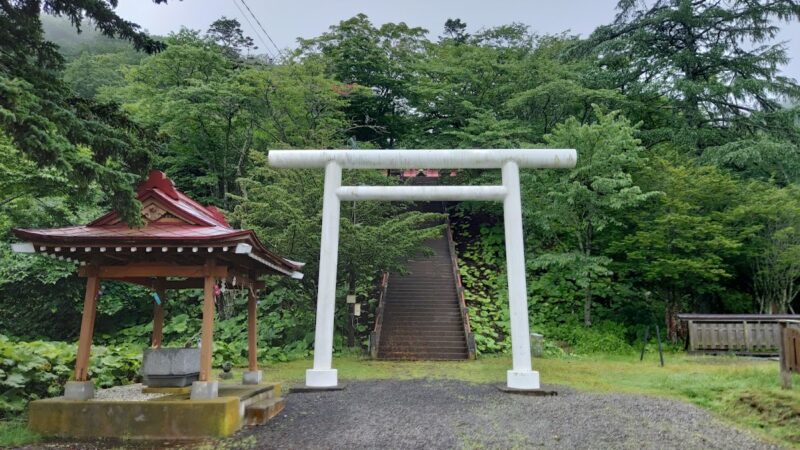
The approach to the worship hall is well-maintained, and upon climbing the stone steps and entering the grounds, one is enveloped in a solemn atmosphere. Visiting in the quiet early morning hours offers a particularly refreshing experience.
Mount Shintoku and the Original Shrine
One of the major features of Shintoku Shrine is the presence of the original shrine, located on the summit of Mount Shintoku. It takes approximately 30 minutes to an hour to reach the original shrine by climbing the mountain path from the current shrine.
The original shrine is a small shrine built to commemorate the original location of Shintoku Shrine, but the view from here is exceptional. From here, you can see not only the town of Shintoku, but also, on a clear day, the vast landscape of the Tokachi Plain and even the mountains of the Hidaka Mountains.
The hiking trails are well-maintained, and many hikers and worshippers visit from spring to autumn. Especially during cherry blossom season, cherry blossoms bloom along the trails, making for an enjoyable hike while admiring the flowers.
Shintoku Shrine Mountain: A Famous Cherry Blossom Spot
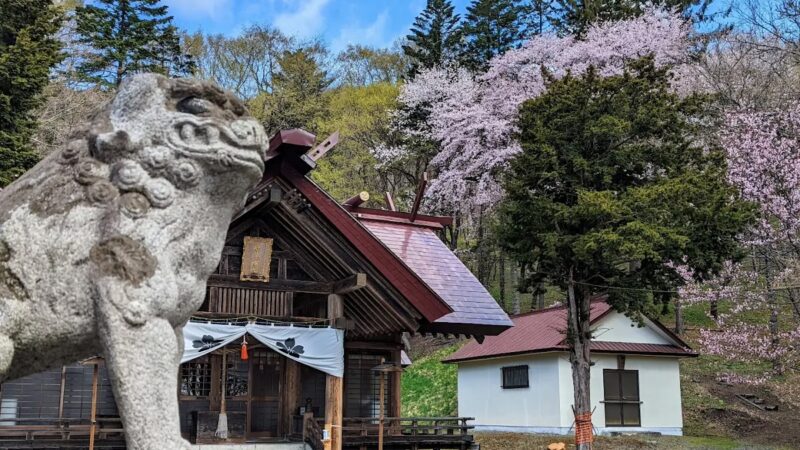
The main reason Shintoku Shrine is known nationwide is its approximately 2,300 Ezo cherry trees. The cherry blossoms that cover the slopes of Mount Shintoku are truly breathtaking.
Blooming Season: Due to Hokkaido’s cool climate, the cherry blossoms bloom later than in Honshu, usually reaching full bloom from early to mid-May. The best time to see them is often from the latter half of Golden Week to mid-May, and the area is bustling with many cherry blossom viewers during this period.
Illumination: The trees are illuminated at night during the cherry blossom season. Every year from late April to mid-May (this may vary depending on the cherry blossom blooming period), you can enjoy the fantastical scenery of cherry blossoms at night. The enchanting beauty, different from that of the daytime, is a must-see.
Photo Spot: The view from the shrine grounds is spectacular, as is the view of the cherry blossoms on Mt. Shintoku from the town. Especially at dusk, the pink mountainside illuminated by the setting sun is a popular subject for photography enthusiasts.
View from the Shrine Grounds
Shintoku Shrine is located on a hill, so the view from the shrine grounds is one of its highlights. Below lies the town of Shintoku, and in the distance, the vast farmlands of the Tokachi Plain stretch out.
In autumn, the autumn leaves are beautiful, and in winter, you can enjoy the tranquil scenery covered in snow. The scenery of Shintoku, which shows different expressions in each season, will give you a fresh and moving experience no matter how many times you visit.
Goshuin (Shrine Seal) and Goshuincho (Shrine Seal Book)
About Goshuin
You can receive a Goshuin (shrine seal) at Shintoku Shrine. Goshuin (temple/shrine stamps) are popular among many visitors as proof of their visit and as a memento of their trip.
Reception Hours: While they are usually available during the shrine office’s opening hours, the chief priest may be absent. Therefore, if you wish to be sure to receive a goshuin, it is recommended to contact them in advance.
Offering Fee: A general offering fee (around 300-500 yen) is suggested, but please offer what you feel is appropriate.
Design: The goshuin at Shintoku Shrine features simple yet powerful calligraphy. The shrine name, date of visit, and the goshuin (stamp) are included.
Items Available
In addition to goshuin, Shintoku Shrine also offers items such as amulets and talismans.
- Good Fortune Charm: A charm for good fortune and business prosperity, unique to Shintoku Shrine, which has walked hand in hand with the development of the region.
- Traffic Safety Charm: A charm prayed to for safe travel across the vast land of Hokkaido.
- Academic Success Charm: A popular charm among students and those taking exams.
- Family Safety Charm: A charm prayed to for peace and safety in the home.
The types of items available and their availability may vary depending on the time of year. Please inquire at the shrine office for details.
Access Information
Basic Information
Address: 2-chome, Nishi 1-jo Kita, Shintoku-cho, Kamikawa-gun, Hokkaido 081-0012
Phone Number: Inquiries can be made through the Shintoku Town Tourism Association, etc.
Access by Train
Nearest Station: JR Nemuro Main Line “Shintoku Station”
- Approximately 15-20 minutes on foot from Shintoku Station
- It is a gentle uphill slope from the station to the shrine
- Approximately 5 minutes by taxi
Access from Major Cities:
- From Sapporo Station: Approximately 2 hours 30 minutes to 3 hours by express train
- From Obihiro Station: Approximately 40 minutes by local train
- From Furano Station: Approximately 1 hour by local train
Access by Car
Using the Doto Expressway:
- Approximately 20 minutes from “Tokachi Shimizu IC” via National Route 38
- Approximately 30 minutes from Tomamu Interchange via National Route 38
From Sapporo:
- Approximately 3 hours via National Route 274 (via Nissho Pass)
- Note that the pass road may be closed during winter.
From Obihiro:
- Approximately 40 minutes via National Route 38
Parking
There is parking space for visitors near the shrine. Especially during cherry blossom season, congestion is expected, so we recommend visiting early. Temporary parking may be available during long holidays.
Points and Manners for Visiting a Shrine
Etiquette for Visiting a Shrine
- Bow before passing through the torii gate: As a sign of respect before entering the sacred area, bow before the torii gate.
- Purify yourself at the water basin: If there is a water basin, purify your hands and mouth before praying.
- Pray at the main hall: Pray using the two bows, two claps, and one bow method.
- Bow when leaving: When leaving the torii gate, turn around and bow.
Photography Manners
Many people visit to take pictures, especially during cherry blossom season, but please observe the following manners:
- Permission may be required to photograph inside the main hall.
- Be considerate of other worshippers.
- Use tripods sparingly during crowded times.
- Do not break cherry tree branches or climb trees.
Clothing and Belongings
- Clothing: There are no particularly strict regulations, but please aim for clean clothing appropriate for visiting a shrine.
- For those climbing Mount Motomiya: Bring hiking boots or trekking shoes, comfortable clothing, and drinks.
- Winter: Hokkaido winters are extremely cold, so be sure to take thorough precautions against the cold.
- Cherry Blossom Season: Even in May, mornings and evenings can be chilly, so it’s a good idea to bring a jacket.
Nearby Tourist Spots
Highlights of Shintoku Town
Shintoku Soba Village
Shintoku Town is known as one of Hokkaido’s leading soba-producing areas. There are several soba restaurants in town where you can enjoy “three fresh” soba: freshly ground, freshly made, and freshly boiled.
Karikachi Pass
A pass located on the border between Shintoku Town and Minamifurano Town, it was once considered one of Japan’s three most scenic train views. From the observation deck, you can enjoy the magnificent scenery of the Tokachi Plain.
Tomuraushi Onsen
A secluded hot spring located deep in Shintoku Town, it is also known as a base camp for climbing the Daisetsuzan mountain range. Enjoy a relaxing soak in a hot spring surrounded by magnificent nature; day trips are also available.
Shintoku Town Local Products Center Sahoro
A local products center offering Shintoku town’s specialties and souvenirs. You can purchase Shintoku soba noodles, local dairy products, agricultural products, and more.
Tourism in the Tokachi Area
Shintoku town is located at the westernmost tip of the Tokachi region, offering good access to Obihiro city and surrounding tourist destinations:
- Obihiro City: Rokkatei Main Store, Manabe Garden, Obihiro Racecourse, etc.
- Lake Shikaribetsu: A natural lake located at an altitude of 810m, the highest point in Hokkaido.
- Sahoro Resort: A year-round resort facility with ski slopes and a golf course.
Annual Events and Festivals
Annual Grand Festival
Shintoku Shrine holds its annual grand festival every year. It is one of Shintoku town’s important annual events, with local residents gathering for a procession of portable shrines and dedication ceremonies.
Cherry Blossom Festival Period
During the cherry blossom season from early to mid-May, the shrine is illuminated at night, attracting many visitors. The Shintoku Town Tourism Association’s social media accounts are updated regularly with information on the blooming status and illumination period, so it’s recommended to check before visiting.
New Year’s Visit
From New Year’s Day to the third day of the year, the shrine is bustling with local residents making their first shrine visit of the year. While visiting in the harsh winter cold of Hokkaido is challenging, the experience of praying in the refreshing air of the new year is exceptional.
Shintoku Shrine as a Power Spot for Financial Luck
In recent years, Shintoku Shrine has quietly gained popularity as a power spot for financial luck. This is said to stem from the history of the pioneers who worked hard in a harsh environment to enrich the land of Shintoku.
Amaterasu Omikami is the sun goddess and a symbol of vitality and prosperity. Furthermore, the view from the shrine, located on a hill, is considered auspicious, symbolizing “seeing into the future.”
Visitors who have actually come to the shrine have shared stories of positive changes in their businesses and unexpected income, and its reputation is spreading through word of mouth. However, it is important to visit the shrine with gratitude and humility.
Seasonal Guide to Visiting Shintoku Shrine
Spring (April-June)
Recommendation: ★★★★★
The biggest highlight is undoubtedly the cherry blossom season. From early to mid-May, approximately 2,300 Ezo cherry trees are in full bloom, creating a spectacular sight of the mountainside dyed pink. The illuminated cherry blossoms at night are also magical.
Clothing: It gets warm during the day, but it gets chilly in the mornings and evenings, so a jacket is necessary.
Summer (July-August)
Recommendation: ★★★☆☆
The fresh greenery is beautiful, and you can enjoy visiting the shrine in a refreshing climate. It’s also a comfortable season for hiking to the original shrine. However, even in Hokkaido, temperatures rise in the summer, so take precautions against heatstroke and insect repellent.
Clothing: Short sleeves are fine, but due to the high altitude, a light long-sleeved shirt is also useful.
Autumn (September-November)
Recommendation Level: ★★★★☆
A beautiful season for autumn foliage. The trees on Mount Shintoku change color, allowing you to enjoy the charming autumn scenery. The air is clear, and the view from the shrine grounds is exceptional.
Clothing: Temperatures drop sharply from October onwards, so warm clothing is necessary.
Winter (December-March)
Recommendation Level: ★★☆☆☆
The tranquil atmosphere of the snow-covered shrine is exceptional, but caution is needed when visiting due to the heavy snowfall and severe cold. Climbing to the original shrine is difficult in winter.
Clothing: Full winter gear is essential. Non-slip shoes, gloves, hat, etc.
Inquiries
You can contact Shintoku Shrine using the following methods:
Shintoku Town Tourism Association
- Address: 26, 4-chome, 3-jo Minami, Shintoku-cho, Kamikawa-gun, Hokkaido 081-0038
- Phone: 0156-64-0522
- Business Hours: Weekdays 9:00-17:00
- Website: Shintoku Town Tourism Association Official Website
Shintoku Town Hall
- Phone: 0156-64-5111 (Main)
For information on cherry blossom blooming status and illumination periods, please check the Shintoku Town Tourism Association’s social media (Facebook, Instagram, etc.) as it is updated regularly.
For detailed inquiries regarding Goshuin (shrine stamps) and worship, please contact the shrine through the Shintoku Town Tourism Association.
Summary
Shintoku Shrine is a historic shrine that has walked hand in hand with the history of Shintoku Town since the pioneering era of the Meiji period. The Shintoku Shrine, imbued with the faith and hopes for regional development of settlers from Yamagata Prefecture, is now known as one of Hokkaido’s leading scenic spots, boasting approximately 2,300 cherry trees in full bloom.
Shintoku Shrine displays different expressions throughout the seasons—not only during the spring cherry blossom season, but also amidst the fresh greenery of summer, the vibrant autumn foliage, and the snowy winter landscape. Including a hike to the original shrine, you can have a precious experience where nature, history, and faith are intertwined.
When sightseeing in Tokachi, be sure to stop by Shintoku Shrine and experience the aspirations of the pioneers while feeling the magnificent nature and sacred atmosphere of Hokkaido. Especially during the cherry blossom season in May, you’ll encounter a breathtaking view that will create lifelong memories.