Complete Guide to Shigeiwa Shrine (Hokkaido) | Thorough Explanation of History, Deities, Annual Festival, and Access Information
Shigeiwa Shrine, located in Shigeiwa, Toyokoro Town, Tokachi region, Hokkaido, is a historic shrine founded in 1899 (Meiji 32). With over 120 years of history as a center of faith for local residents, it remains a popular shrine under the jurisdiction of the Tokachi branch, attracting many worshippers. This article provides a detailed explanation of Shigeiwa Shrine’s origins, enshrined deities, annual festival, facilities, and its relationship with the Hokkaido Shrine Association.
Basic Information on Shigeiwa Shrine
Location and Access
Location: Shigeiwa Honmachi, Toyokoro Town, Nakagawa District, Hokkaido
Shigeiwa Shrine is located in the Shigeiwa town area of Toyokoro Town and is a beloved central shrine in the region. It is approximately a 10-minute drive from Toyokoro Station on the JR Nemuro Main Line, and approximately 40 minutes from Obihiro City via National Route 38. As the guardian shrine of the entire town of Moiwa, it welcomes worshippers not only from the local area but also from all over the Tokachi region.
Deity Enshrined
The deity enshrined at Moiwa Shrine is Amaterasu Omikami. Amaterasu Omikami is the supreme deity in Japanese mythology and a sun goddess revered as the ancestral deity of the Imperial family. She is widely worshipped as the guardian deity of agriculture, fishing, and all industries, as well as a god of national peace and family safety.
History and Origin of Moiwa Shrine
Founded in 1899
The history of Moiwa Shrine dates back to the Meiji era. In May 1899, around the time the village headman’s office was established in Moiwa, the first village headman, Seiji Sasaki, and other residents of the area strongly felt the need for a shrine in Moiwa, the center of the village. They consulted together, and on November 3rd of the same year, they enshrined Amaterasu Omikami at the current location, marking the beginning of the shrine’s founding. At that time, Hokkaido was undergoing rapid development, and settlers throughout the region were building shrines as spiritual centers. In Moiwa, too, Moiwa Shrine was established as a center of faith for people who overcame the difficulties of settlement and prayed for the development of the region.
Construction of the Shrine Building in the Taisho Era
Approximately 15 years after its founding, in 1915 (Taisho 4), the current shrine building was newly constructed. This period coincided with the development of the Moiwa area, and along with the growth of the regional economy centered on agriculture, the shrine also underwent improvements. Environmental improvements were made year after year, and it established its position as the guardian shrine of the entire Moiwa town area in Toyokoro.
Development and Incorporation in the Showa Era
In the Showa era, Moiwa Shrine underwent further development. In 1974 (Showa 49), it became affiliated with the Association of Shinto Shrines, and on March 11th of the same year, it was officially recognized as a religious corporation. This placed it under the umbrella of the Hokkaido Association of Shinto Shrines, establishing a more organized management system.
In 1979 (Showa 54), the shrine building was constructed, and in 1984 (Showa 59), a purification fountain was built, among other improvements to the facilities. These improvements created an environment where visitors could more comfortably visit the shrine.
Relationship with the Hokkaido Association of Shinto Shrines
About the Hokkaido Association of Shinto Shrines
The Hokkaido Association of Shinto Shrines is a religious corporation that encompasses shrines within Hokkaido and functions as a local organization of the Association of Shinto Shrines. Its address is 474-35 Miyagaoka, Chuo-ku, Sapporo City, Hokkaido, and it is responsible for the management of shrines in Hokkaido, the education of Shinto priests, and the guidance of Shinto rituals.
Moiwa Shrine has belonged to the Hokkaido Association of Shinto Shrines since 1974 (Showa 49) and is under the jurisdiction of the Tokachi Branch. The Hokkaido Shrine Association has 16 branches: Sapporo, Southern Hokkaido, Hiyama, Shiribeshi, Sorachi, Kamikawa, Rumoi, Soya, Abashiri, Monbetsu, Iburi, Hidaka, Tokachi, Kushiro, and Nemuro, overseeing shrines in each region.
As a Shrine of the Tokachi Branch
Moiwa Shrine, as one of the shrines belonging to the Tokachi Branch, plays an important role within the regional shrine network. Many shrines are scattered throughout the Tokachi region, each functioning as a core of its local community. The official website of the Hokkaido Shrine Association provides information on each shrine, including Moiwa Shrine, such as its location, enshrined deities, history, rituals, and annual festivals, allowing visitors to obtain information in advance.
Annual Events and Grand Festival of Shigeiwa Shrine
Autumn Grand Festival
The most important religious event at Shigeiwa Shrine is the Autumn Grand Festival, held annually on October 1st and 2nd. This festival is the largest in the region, attracting many parishioners and worshippers.
At the Autumn Grand Festival in 2022 (Reiwa 4), events combining traditional religious rites with community interaction were held, including a taiko drum performance and a bingo tournament on the evening of the 1st. The taiko drum performance holds significant meaning as part of the preservation of local culture and contributes to the transmission of traditions to younger generations.
Other Annual Events
In addition to the Grand Festival, Shigeiwa Shrine holds various religious rites in accordance with Hokkaido’s annual events. Through festivals such as the New Year’s Day Festival, Setsubun Festival, and Shichi-Go-San (children’s festival), which are aligned with life cycle rituals and seasonal milestones, the shrine supports the religious lives of local residents.
The Basics of Shinto Rituals and Life Cycle Rituals
Life Cycle Festivals and Shrines
Shrines play an important role at milestones in life. At Shigeiwa Shrine, various Shinto rituals related to life cycles are performed, including the first shrine visit for a newborn, Shichi-Go-San (a traditional rite of passage for children), exorcism, and wedding ceremonies. These life cycle festivals are important opportunities to express gratitude to the gods for personal growth and family happiness, and to pray for safety and prosperity in the future.
The Relationship Between Family Rituals and Shrines
Family rituals are Shinto ceremonies performed in each household, including worship at the household shrine and ancestor worship. Shigeiwa Shrine also provides consultation and guidance regarding family rituals, playing a role in supporting the religious life of the community. The cooperation between the shrine and families strengthens the spiritual bonds of the entire community.
Facilities and Grounds of Shigeiwa Shrine
Shrine Building
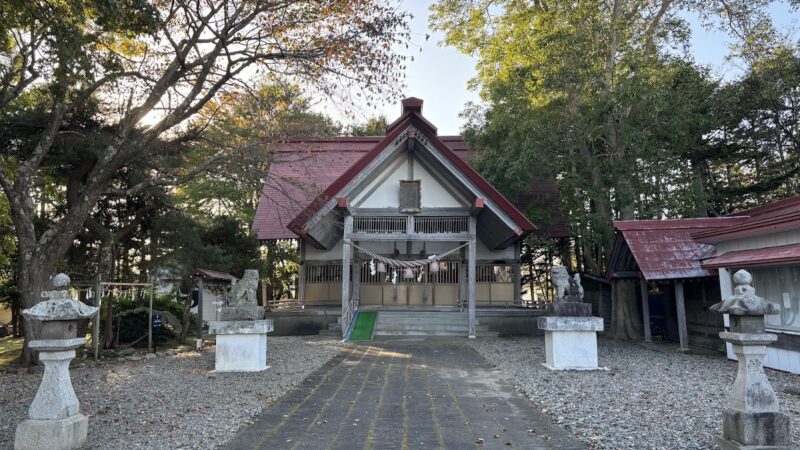
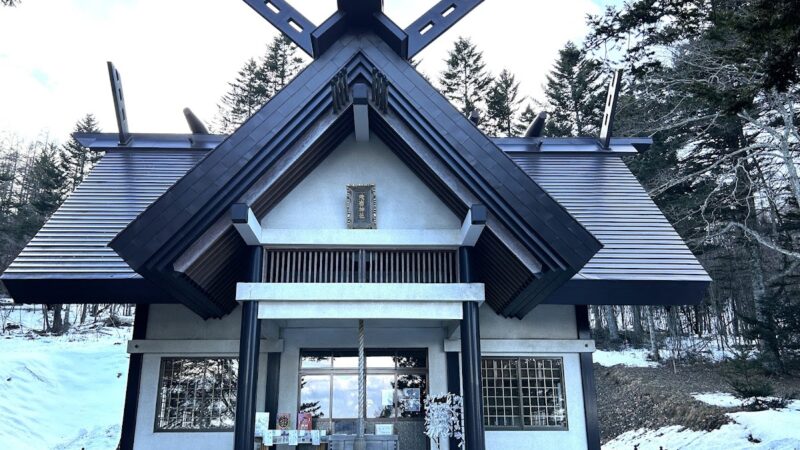
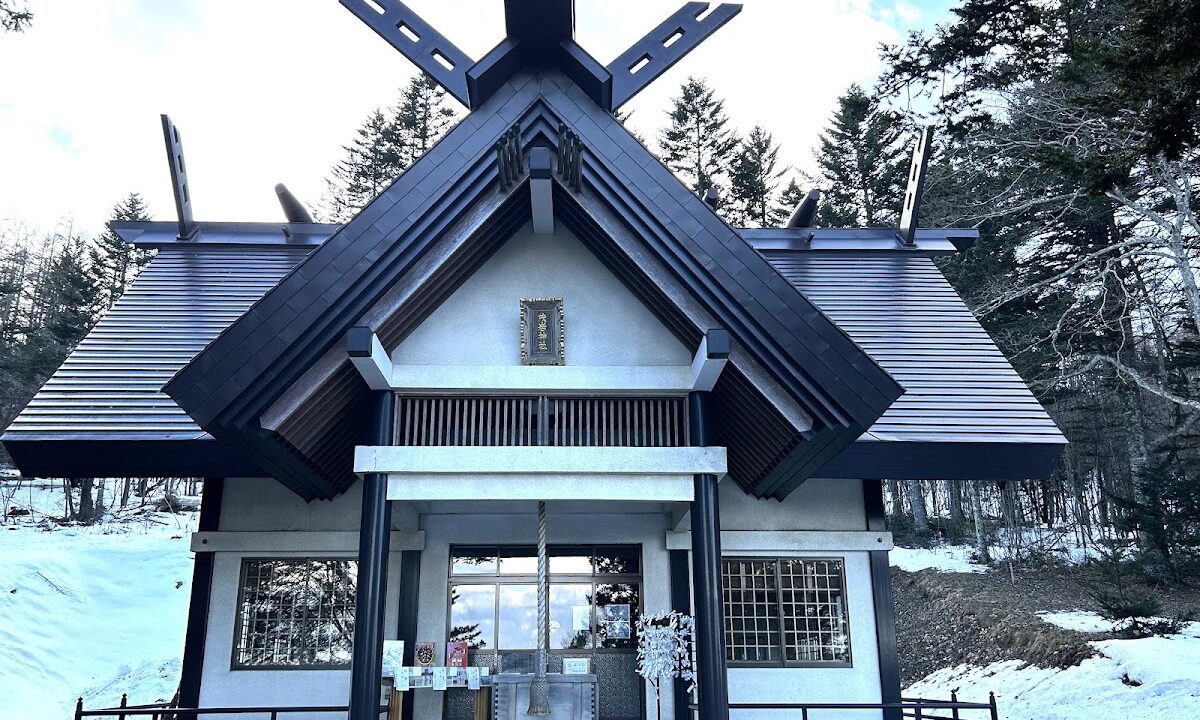
The current shrine building, constructed in 1979 (Showa 54), is sturdily built to suit the climate of Hokkaido. The shrine, with its warmth and solemnity characteristic of wooden architecture, offers visitors a tranquil space for prayer.
Water Basin
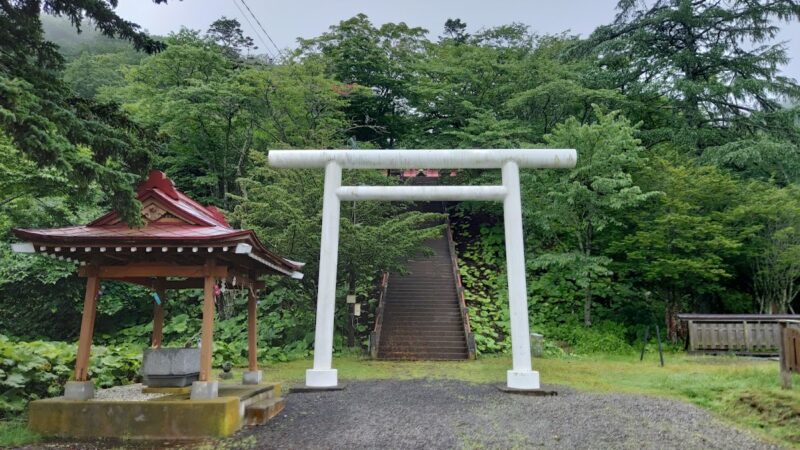
Built in 1984, the water basin is an important facility for purifying the mind and body before worship. As part of the proper etiquette for visiting a shrine, purifying one’s hands and mouth at the water basin is an essential ritual, and worshippers at Moiwa Shrine observe this practice.
Environmental Improvement of the Shrine Grounds
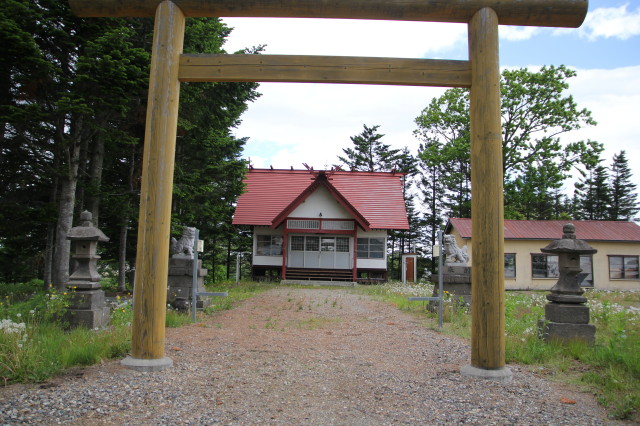
Since its founding, the grounds of Moiwa Shrine have been continuously improved, creating a beautiful space surrounded by nature throughout the seasons. Local residents volunteer their time to clean the grounds and maintain the plants, providing visitors with a pleasant environment for worship.
Moiwa Shrine and the Local Community
As the Center of Local Faith
Since its founding, Moiwa Shrine has played a central role in local faith, serving as the guardian shrine for the entire Moiwa town area. The local community centered around the shrine serves as a place to deepen bonds among residents through festivals, cleaning activities, and other events.
Hub for Cultural Inheritance
From the taiko drumming performances at the annual festival, Shigeiwa Shrine is also an important hub for passing on local traditional culture to the next generation. By providing opportunities for younger generations to experience Shinto rituals and traditional performing arts, it enhances the sustainability of local culture.
Shrine Culture in Hokkaido and Shigeiwa Shrine
Characteristics of Shrines in Hokkaido
Many shrines in Hokkaido were founded during the pioneering era after the Meiji Restoration, and have a different historical background from the ancient shrines of Honshu. Pioneers invited divided spirits from their hometown shrines or enshrined new deities, leading to the establishment of shrines throughout the region.
Shigeiwa Shrine embodies these characteristics of Hokkaido shrines, and as a shrine imbued with the faith of the pioneers and their wishes for regional development, it remains deeply rooted in the community today.
Shrine Network in the Tokachi Region
In addition to Shigeiwa Shrine, many other shrines exist in the Tokachi region, each serving as a place of worship reflecting the unique characteristics of its region. These shrines are connected through the Tokachi branch, and through exchanges of Shinto priests and joint training, they strive to improve the overall shrine culture of the region.
Etiquette and Manners for Visiting a Shrine
Basic Etiquette for Visiting a Shrine
When visiting Shigeiwa Shrine, please observe the following basic etiquette:
- Bow before passing through the torii gate – Show respect for entering the sacred area.
- Purify yourself at the water basin – Purify your left hand, right hand, and mouth in that order.
- Avoid walking in the center of the path – The center is considered the path of the gods.
- Two bows, two claps, one bow – This is the basic way of bowing in front of the main hall.
Manners at a Shrine
Shrines are sacred places. Avoid making loud noises or running around the grounds. Also, take photographs only in designated areas and be considerate of other visitors.
Detailed Access Information to Shigeiwa Shrine
Access by Public Transportation
The nearest station is Toyokoro Station on the JR Nemuro Main Line. It’s about a 10-minute drive from the station, but since public transportation is limited, we recommend taking a taxi.
Access by Car
From Obihiro: Approximately 40 minutes east on National Route 38
From Kushiro: Approximately 1 hour 30 minutes west on National Route 38
Upon entering the Shigeiwa town area, there are signs directing you to the shrine. Parking is available on the shrine grounds or nearby, and temporary parking is also provided during events such as the annual festival.
Attractions Around Shigeiwa Shrine
Tourist Spots in Toyokoro Town
When visiting Shigeiwa Shrine, be sure to explore other tourist spots in Toyokoro Town. At Otsu Coast, located at the mouth of the Tokachi River, you can see beautiful ice crystals called “jewelry ice” in winter. Furthermore, Toyokoro Town is a region where agriculture thrives, and there are numerous direct sales outlets where you can purchase fresh agricultural products.
The Charms of the Tokachi Region
The Tokachi region is characterized by its vast farmlands and magnificent natural landscapes. Centered around Obihiro City, it boasts diverse tourist resources, including hot springs, gourmet food, and outdoor activities. You can fully enjoy the charms of the Tokachi region by combining a visit to Shigeiwa Shrine with a trip to the area.
The Future of Shigeiwa Shrine and the Region
Sustainable Shrine Management
In rural areas facing population decline and aging, maintaining shrines is a major challenge. Shigeiwa Shrine also faces the problem of a decrease in parishioners and a lack of successors, but with the cooperation of local residents and the support of the Hokkaido Shrine Association, it aims for sustainable operation.
Contribution to Regional Revitalization
Shigeiwa Shrine is more than just a religious facility; it contributes to regional revitalization as a core of the local community. Through events such as the annual festival, it attracts visitors from outside the region, contributing to the revitalization of the local economy.
Contribution to Regional Revitalization ## Summary
Since its founding in 1899 (Meiji 32), Shigeiwa Shrine has served as the center of faith in the Shigeiwa district of Toyokoro Town for over 120 years. Enshrining Amaterasu Omikami as its principal deity, it plays a vital role as a spiritual anchor for local residents and a place to celebrate life’s milestones.
As a shrine belonging to the Tokachi branch of the Hokkaido Shrine Association, it plays a vital role in the local shrine network, supporting the spiritual culture of the region through guidance on Shinto rituals, life cycle rites, and family worship. The annual Autumn Grand Festival, held every October, attracts many worshippers as a place for the continuation of tradition and community exchange.
When visiting the Tokachi region, be sure to visit Shigeiwa Shrine and experience the history of Hokkaido’s development and the faith of the local people. It is a shrine where you can find peace of mind and feel refreshed in its tranquil grounds.
Shigeiwa Shrine will continue to walk alongside Toyokoro Town as a symbol of the community’s bonds that stretch from the past to the present and into the future.