Complete Guide to Tarumae-san Shrine | A Thorough Explanation of the History and Blessings of the Guardian Shrine of Tomakomai City, Hokkaido
What is Tarumae-san Shrine?
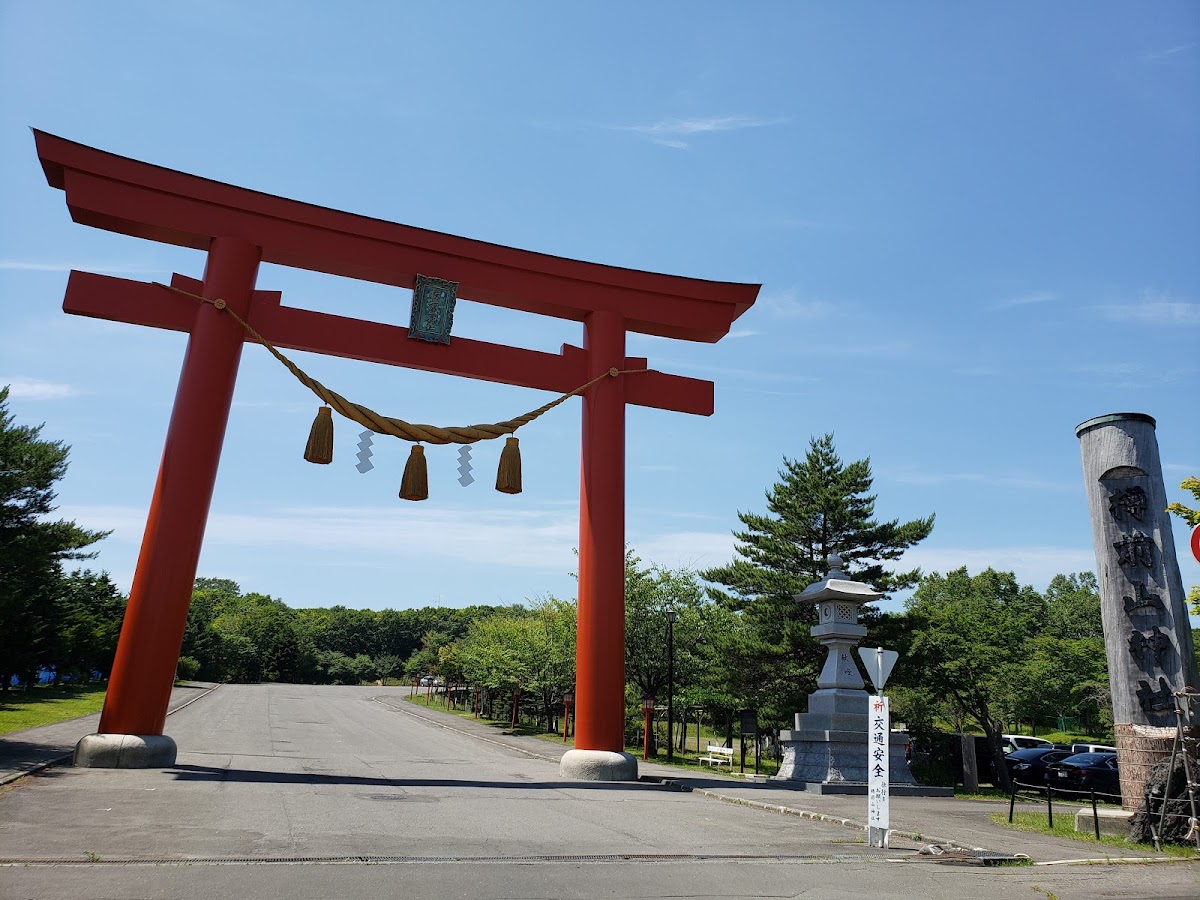
Tarumae-san Shrine is a prestigious shrine located in Takaoka, Tomakomai City, Hokkaido. It enshrines Mount Tarumae, an active volcano towering behind it, as its sacred object, and is deeply revered by the local people as the guardian shrine of Tomakomai City.
The faith in the sacred Mount Tarumae, which has been praised since ancient times with the words, “The divine power of Tarumae is like abundance and overflowing blessings,” has a deep history dating back to the pioneering era of this region. Currently, it is one of the most prominent shrines in Hokkaido, listed as a special shrine, and attracts many worshippers throughout the year.
Basic Information about Tarumae-yama Shrine
Location: 6-49 Takaoka, Tomakomai City, Hokkaido
Shrine Rank: Special Shrine (Former Prefectural Shrine)
Deities Enshrined: Oyamatsumi-no-kami, Kukunochi-no-kami, Kanoyahime-no-kami
Visiting Hours: Open 24 hours (Shrine office open from 9:00 to 17:00)
Parking: Available (Free)
Access: Approximately 15 minutes by car from JR Tomakomai Station, 3 minutes on foot from the “Takaoka Shrine” bus stop (Donan Bus)
History and Origins of Tarumae-yama Shrine
Ancient Mountain Worship
The origin of Tarumae-yama Shrine lies in the mountain worship of Mount Tarumae that has been held by the people living in the Tomakomai area since ancient times. Mount Tarumae, an active volcano with an elevation of 1,041 meters, has been revered as a sacred mountain inhabited by mountain spirits (mountain gods, spirits) due to its majestic appearance.
Initially, the shrine was founded with a small shrine at the foot of the mountain, and the local people have prayed there for abundant harvests, maritime safety, and peace and prosperity, while revering the divine power of Mount Tarumae.
Founded by Imperial Order of Emperor Meiji
The official founding of Tarumae Shrine was in 1875 (Meiji 8). In that year, by Imperial Order of Emperor Meiji, the shrine was moved from the foot of the mountain to the center of Tomakomai town (then Yashiro-cho).
At this time, the following three deities were designated as the enshrined gods:
- Ōyamatsumi-no-kami – God of mountains, guardian deity of forests
- Kukunochi-no-kami – God of trees, deity who governs the growth of trees
- Kayanohime-no-kami – Goddess of fields, guardian deity of grasslands and agriculture
These deities were chosen in the context of the Hokkaido development era as symbolic figures representing the utilization of forest resources, the development of agriculture, and the overall protection of the region. The fact that this was established by imperial decree of Emperor Meiji signifies that Tarumae-san Shrine was positioned as a nationally important shrine.
Changes in Shrine Rank and Development
Since its founding, Tarumaeyama Shrine has steadily increased its status:
- 1875 (Meiji 8): Founded and enshrined as a local shrine
- 1936 (Showa 11): Promoted to a prefectural shrine (former shrine rank), becoming one of the leading shrines in Hokkaido
- 1986 (Showa 61): Listed as a Special Shrine (sixth in Hokkaido)
- 1992 (Heisei 4): Relocated and rebuilt from Yashiro Town to its current location in Takaoka
In particular, its ranking as a Special Shrine indicates that it is a shrine of high status as defined by the Association of Shinto Shrines, and being recognized at such an early stage—sixth in Hokkaido—speaks to the importance of Tarumaeyama Shrine.
Relocation in the Heisei Era
In July 1992 (Heisei 4), Tarumaeyama Shrine underwent a major turning point. The shrine was relocated and rebuilt from its original location in Yashiro-cho, where it had been situated since 1875 (Meiji 8), to its current location in Takaoka.
The new shrine was built on a hilltop overlooking Tomakomai city and the Pacific Ocean with Mount Tarumae in the background. It boasts a larger precinct and a more modern shrine building. This relocation has improved convenience for worshippers, creating an environment that is more accessible to a wider audience.
Deities and Blessings
Three Deities
Tarumae-san Shrine enshrines three deities designated by imperial decree of Emperor Meiji.
Oyamatsumi-no-kami
This deity is considered the supreme mountain god in Japanese mythology, appearing in the Kojiki and Nihon Shoki. A central deity in mountain worship, this god protects forest resources, ensures safety during mountain climbing, and maintains national stability.
During the Hokkaido pioneering era, forest resources were a crucial industrial base. The area around Tomakomai, in particular, was known as “Birin Mountain” (a mountain of firewood and charcoal) due to its thriving forestry industry, and the worship of Oyamatsumi-no-kami was deeply intertwined with the local economy.
Kukunochi-no-kami
This is the god of trees, the god who governs the growth of trees. “Kuku” means “stem,” symbolizing the vitality and growth power of plants. He has been revered as the guardian deity of people involved in forestry, woodworking, and construction.
In Hokkaido during the pioneering era, the demand for timber as a building material was high, and the worship of Kukunochi-no-kami was closely related to daily life. Even today, people involved in construction and the timber industry visit to pay their respects.
Kayanohime-no-kami
This is the god of fields, the god who protects grasslands and agriculture. “Kaya” means grass or reed, and she governs the bounty of the earth, the prosperity of agriculture, and the richness of nature. In an era where pioneering agriculture was crucial, it played an important role as a place of prayer for a bountiful harvest.
Benefits of Tarumae-yama Shrine
Due to the divine virtues of the three deities, Tarumae-yama Shrine is believed to offer a wide range of benefits:
Industry/Work-related
- Business prosperity
- Business success
- Construction safety
- Building safety
- Development of forestry and agriculture
Personal/Family-related
- Family safety
- Good health
- Recovery from illness
- Protection from evil
- Good fortune
Transportation/Safety-related
- Traffic safety
- Car blessing
- Safe travel
- Maritime safety
Academic/Life Rituals
- Prayer for passing exams
- Academic success
- Prayer for safe childbirth
- First shrine visit for a newborn
- Shichi-Go-San (7-5-3) ceremony
Highlights of the Shrine Grounds
Main Shrine and Worship Hall
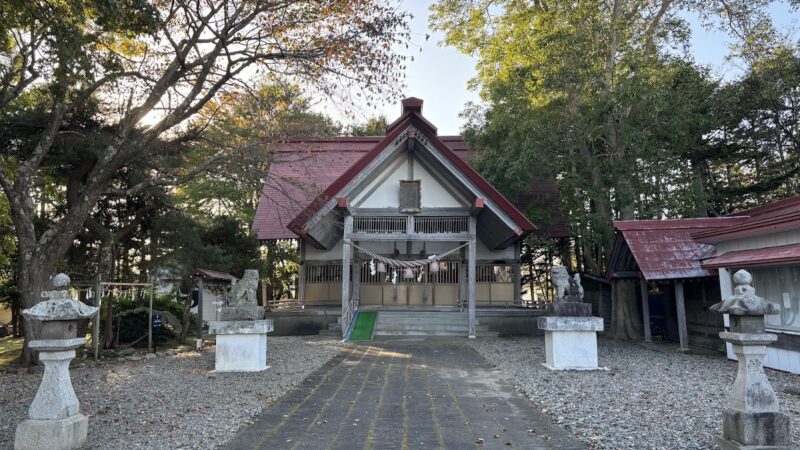
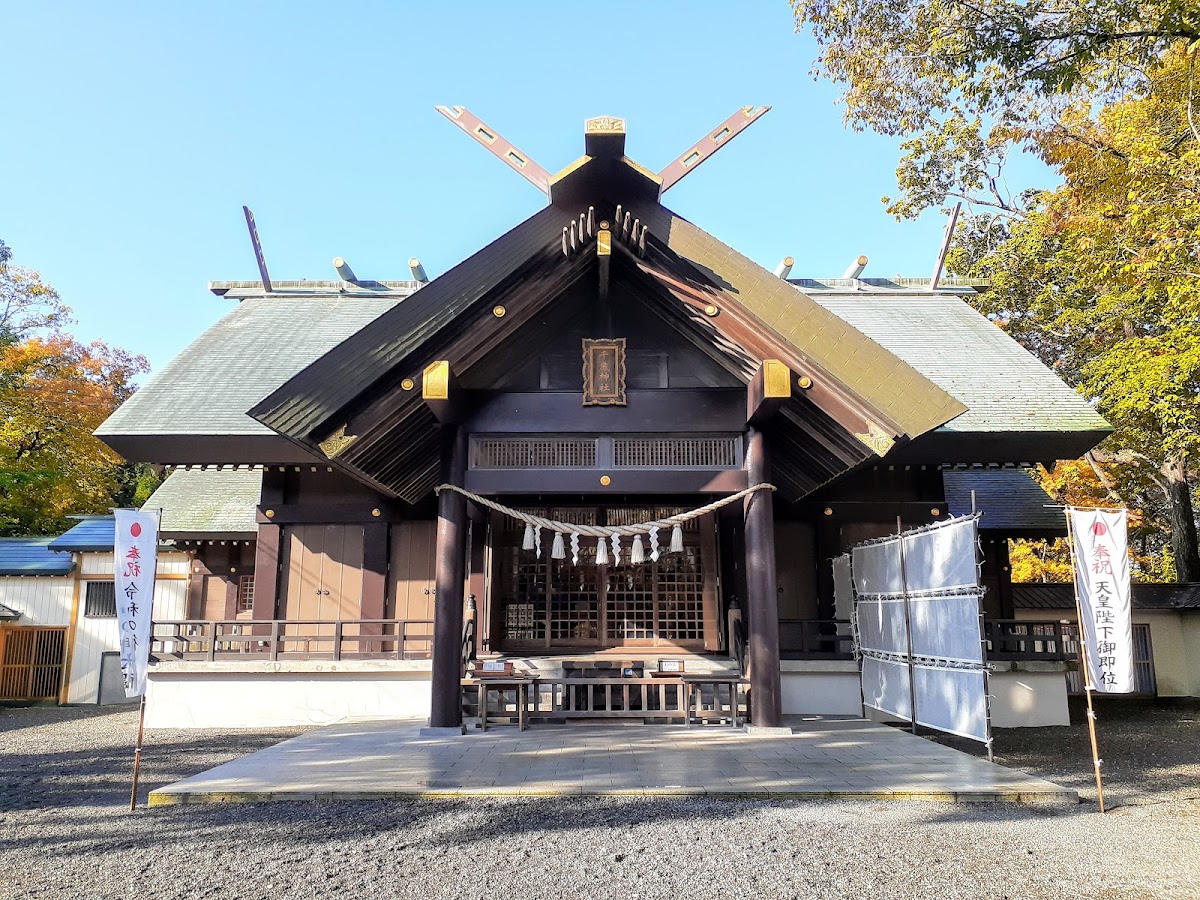
The shrine buildings, constructed during the relocation and reconstruction in 1992, are a magnificent structure that incorporates modern technology and materials while adhering to traditional shrine architectural styles. The main shrine is built with Mount Tarumae as its backdrop, allowing worshippers to feel the divine power of the mountain while offering their prayers.
The interior of the worship hall is spacious and is used for Shinto wedding ceremonies and various prayers. In a solemn atmosphere, worshippers can receive careful prayers from the Shinto priests.
Subsidiary Shrines
Within the grounds of Tarumae-san Shrine, there are several important subsidiary shrines.
Tarumae Tenmangu Shrine
This Tenmangu shrine is dedicated to Sugawara no Michizane, the god of learning. During exam season, many students and their parents visit to pray for success. Even during Hokkaido’s harsh winters, long lines can form for New Year’s visits and before exams.
Shotoku Shrine
In addition, there are several smaller shrines within the grounds dedicated to local guardian deities and gods associated with specific blessings, allowing visitors to pray according to their individual wishes.
Scenic Viewpoint
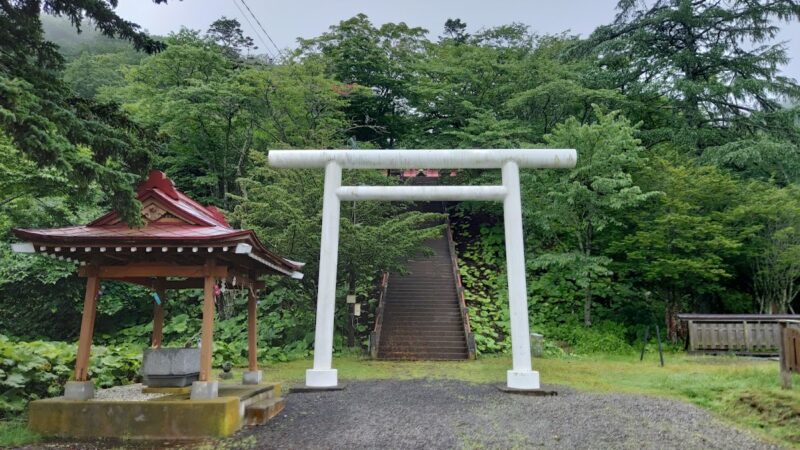
One of the greatest attractions of Tarumae-san Shrine is the spectacular view from the grounds. Located on a high hill, on a clear day you can enjoy the following views:
- Tomakomai City: The city spread out below
- Pacific Ocean: The magnificent ocean stretching to the horizon
- Tarumae-yama: The majestic sacred mountain towering in the background
- Lake Shikotsu Area: If the weather is good, you can also see the mountains surrounding Lake Shikotsu
The view at sunset is particularly exceptional; the sight of the setting sun over the Pacific Ocean interwoven with the city lights soothes the hearts of visitors.
Annual Events and the Grand Festival
Tarumae-yama Shrine Grand Festival
The most important annual event at Tarumae-yama Shrine is the Grand Festival, held every year in mid-July. This festival is a representative summer tradition of Tomakomai City and is widely enjoyed by its citizens.
Main Events of the Grand Festival:
- Yoimiyasai (Eve Festival): A Shinto ritual held as a pre-festival event
- Main Festival: A solemn Shinto ritual and the transfer of the spirit to the portable shrine
- Mikoshi Togyo (Portable Shrine Procession): A magnificent procession of the portable shrine through the city
- Dedication Ceremonies: Traditional performing arts such as Kagura (sacred dance) and Taiko (drumming)
During the Mikoshi Togyo, the heavy portable shrine parades through the city streets accompanied by the energetic shouts of the bearers. Many spectators gather along the route, making it the most lively time of summer in Tomakomai.
Other Major Festivals
January
- New Year’s Day Festival: A Shinto ritual celebrating the New Year
- First Shrine Visit of the Year: A bustling festival with many worshippers
February
- Setsubun Festival: Events such as bean-throwing
- Kinensai Festival: A major spring festival praying for a bountiful harvest
June
- Summer Purification Ceremony: A Shinto ritual to purify oneself of the impurities accumulated over the past six months
November
- Shichi-Go-San Festival: A celebration of children’s growth
- Niiname-sai Festival: A major autumn festival expressing gratitude for the harvest
December
- Year-End Purification Ceremony: A ritual to purify oneself of the impurities accumulated over the past year
- Joya Festival: A Shinto ritual concluding the year
Prayers and Shinto Rituals
Life Rituals
Tarumae-yama Shrine performs various rituals at important milestones in life.
First Shrine Visit (Omiyamairi)
This is a ceremony to report the birth of a baby to the gods and pray for their healthy growth. It is generally held on the 31st day after birth for boys and the 32nd day for girls, but the timing is flexible considering Hokkaido’s climate.
Shichi-Go-San Ceremony
This ceremony celebrates the growth of children at ages 3, 5, and 7, and prays for their future health and happiness. The busiest time is around November 15th, but reservations are accepted from October to early December.
Shinto Wedding Ceremony
A traditional Shinto wedding ceremony can be held in a solemn atmosphere. After the ceremony in the main hall, commemorative photos can be taken on the shrine grounds, and photos with Mount Tarumae in the background will become a lifelong memory.
Off-site Ceremony
Tarumae-yama Shrine also offers off-site ceremonies where Shinto priests travel to your location to perform the ceremony.
Groundbreaking Ceremony
Before construction of a new building or civil engineering project begins, a ceremony is held to appease the land gods and pray for the safety of the construction and the prosperity of the building. We have conducted numerous groundbreaking ceremonies in Tomakomai City and surrounding areas.
Ridgepole Raising Ceremony
This ceremony is held when the building’s framework is completed, and prayers are offered for the safe completion of the building and its long-lasting prosperity.
Completion Ceremony/Inauguration Ceremony
This ceremony is held upon the completion of a building, and prayers are offered for the safety of the building and the prosperity of its occupants.
Other Off-Site Ceremonies
- Shrine Altar Ceremony: When a new shrine altar is installed
- Well Digging/Well Filling Ceremony: When a well is dug or filled in
- Demolition Ceremony: Before a building is demolished
- Safety Prayer Ceremony: For the safety of various businesses
Car Blessing (Traffic Safety Prayer)
At Tarumae-yama Shrine, you can receive a car blessing when purchasing a new car or as a regular traffic safety prayer. The ceremony involves purifying the car in the parking lot and then receiving a formal prayer in the main hall.
In Hokkaido, cars are a necessity of life, and driving, especially in winter, is dangerous, so many drivers visit to pray for traffic safety.
Items Offered and Amulets
Various Amulets
Tarumae-yama Shrine offers amulets for various blessings:
- Traffic Safety Amulet: For cars, bicycles, etc.
- Exorcism Amulet: For those in their unlucky year
- Academic Success Amulet: For students and those taking exams
- Business Prosperity Amulet: For business owners
- Health Amulet: For recovery from illness and maintaining good health
- Safe Childbirth Amulet: For pregnant women
- Children’s Amulet: For the healthy growth of children
Goshuin (Shrine Seal)
Tarumae-yama Shrine offers goshuin as proof of worship. They are available at the shrine office, and the priests will carefully write them in ink. If you do not have a goshuincho (seal book), you can also obtain one at the shrine.
Due to the recent goshuin boom, the shrine can get crowded, especially on weekends and during the annual festival, so it is recommended to visit with plenty of time to spare.
Amulets (Talismans)
Amulets for placing in your home shrine are also available. By enshrining a Tarumae-san Shrine amulet in your home, you can receive daily divine protection.
Access and Visiting Information
Access by Public Transportation
By JR:
- Get off at Tomakomai Station on the JR Muroran Main Line
- Approximately 15 minutes by taxi from the station (fare approximately 2,000 yen)
- Or use the Donan Bus
By Bus:
- Get off at the Takaoka Shrine bus stop on the Donan Bus, approximately 3 minutes on foot
- Approximately 20-25 minutes from Tomakomai Station
Access by Car
From Sapporo:
- Approximately 10 minutes from Tomakomai East IC on the Hokkaido Expressway
- Approximately 15 minutes from Tomakomai Central IC
From New Chitose Airport:
- Approximately 30 minutes via National Route 36
Parking:
- Free parking available on the temple grounds (accommodates approximately 100 regular cars)
- Temporary parking is also available during peak times such as the annual festival
Important Notes for Visitors
Visiting Hours:
- Entry to the shrine grounds is permitted 24 hours a day.
- Shrine office hours are approximately 9:00 AM to 5:00 PM (may vary depending on the season).
- If you wish to receive a prayer service, it is recommended to call in advance to confirm.
Attire:
- Casual clothing is acceptable, but formal attire is preferred if receiving a prayer service.
- Formal attire is mandatory for Shinto wedding ceremonies.
Visiting in Winter:
- Due to snowfall in Hokkaido winters, wear non-slip shoes.
- Take adequate precautions against the cold.
- The approach to the shrine is cleared of snow, but be careful of ice.
Nearby Tourist Attractions
When visiting Tarumae-san Shrine, it is recommended to also visit nearby tourist attractions.
Mount Tarumae
Mount Tarumae, the sacred mountain of the shrine, is also a popular hiking spot. You can access the 7th station by car, and from there, it’s about a 1-hour hike to the summit. From the summit, you can enjoy spectacular views of Lake Shikotsu and the Pacific Ocean.
Climbing Season: June to October (Closed in winter)
Lake Shikotsu
Located north of Mount Tarumae, it is Japan’s northernmost non-freezing lake. This beautiful lake boasts high water clarity, offering various activities such as canoeing, boating, and sightseeing cruises. It’s also known as a hot spring resort, with several inns along the lakeshore.
Attractions in Tomakomai City
- Lake Utonai: A Ramsar Convention registered wetland and a popular spot for birdwatching.
- Tomakomai City Science Center: The Mir Exhibition Hall is popular.
- Northern Horse Park: A theme park where you can interact with horses.
- Tarumaeyama Onsen: A hot spring facility where day trips are also possible.
Summary
Tarumaeyama Shrine is a prestigious shrine founded by imperial decree of Emperor Meiji, inheriting the ancient faith in the sacred Mount Tarumae. The shrine enshrines three deities: Oyamatsumi-no-kami, Kukunochi-no-kami, and Kanoyahime-no-kami. It is believed to offer a wide range of blessings, from business prosperity to family safety and traffic safety.
Having walked hand-in-hand with the history of Hokkaido’s development, Tarumae-san Shrine remains the principal guardian shrine of Tomakomai City, a spiritual anchor for the local people. As a specially designated shrine, it boasts one of the highest statuses in Hokkaido, attracting many worshippers throughout the year.
From its elevated location, the shrine grounds offer a panoramic view of Tomakomai city and the Pacific Ocean, a breathtaking sight on clear days. The annual festival in July is the city’s largest, and the portable shrine procession is a quintessential summer event.
From life ceremonies such as first shrine visits, Shichi-Go-San (a traditional rite of passage for children), and Shinto wedding ceremonies, to various prayers including ground-breaking ceremonies and prayers for traffic safety, you can pray for divine protection at various stages of life.
If you’re visiting Hokkaido, or if you live near Tomakomai, we highly recommend visiting Tarumae-san Shrine and experiencing its long history and traditions. The time you spend quietly offering your prayers while feeling the divine presence of the sacred Mount Tarumae will be a precious moment that will allow you to forget the hustle and bustle of everyday life.